Crony Capitalism with Chinese Characteristics: Chang-Tai Hsieh
09 Oct 2018 Leave a comment
in applied price theory, comparative institutional analysis, constitutional political economy, development economics, economic history, economics of bureaucracy, economics of regulation, growth disasters, growth miracles, income redistribution, industrial organisation, international economics, Public Choice, rentseeking, survivor principle Tags: China
.@NZGreens are for net neutrality so it must be a bad idea. Easy policy shortcut?
07 Oct 2018 Leave a comment
in economics of media and culture, economics of regulation, industrial organisation, politics - New Zealand, politics - USA, Public Choice, rentseeking Tags: net neutrality

“Why pay equity ends up being unfair to fair employers” @DomPost op-ed
02 Oct 2018 Leave a comment
in applied price theory, discrimination, economics of regulation, gender, labour economics Tags: gender wage gap

The left has stopped eulogizing Venezuela
30 Sep 2018 Leave a comment
in development economics, economics of regulation, growth disasters, labour economics, law and economics, Marxist economics, minimum wage, Public Choice Tags: regressive left

Why Nations Fail: Daron Acemoglu interview | The Economist
29 Sep 2018 Leave a comment
in comparative institutional analysis, constitutional political economy, development economics, economic history, economics of bureaucracy, economics of regulation, entrepreneurship, growth disasters, growth miracles, income redistribution, international economics, law and economics, property rights, Public Choice, rentseeking Tags: Daron Acemoglu
David Friedman – Tecnologia y libertad en un mundo imperfecto
29 Sep 2018 Leave a comment
in applied price theory, David Friedman, economics of crime, economics of education, economics of information, economics of media and culture, economics of regulation, entrepreneurship, industrial organisation, law and economics, property rights Tags: creative destruction
Milton Friedman: The Food and Drug Administration and Self Interest
28 Sep 2018 Leave a comment
in applied price theory, economics of bureaucracy, economics of regulation, health economics, Milton Friedman, politics - USA, Public Choice Tags: drug lags

Free To Choose 1980 – The Tyranny of Control – Hand Looms
23 Sep 2018 Leave a comment
in applied price theory, development economics, economic growth, economics of bureaucracy, economics of regulation, growth disasters, industrial organisation, market efficiency, Milton Friedman, Public Choice, rentseeking, survivor principle, television Tags: India, industry policy, picking winners
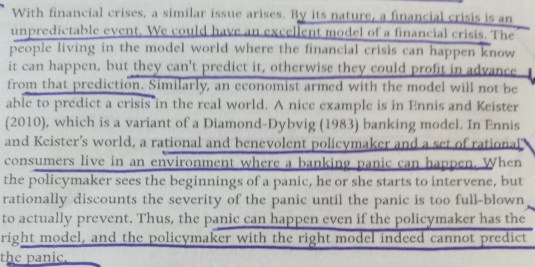
Stephen Williamson on how good economic models of financial crises can’t predict them
22 Sep 2018 Leave a comment
in applied price theory, business cycles, economics of information, economics of regulation, global financial crisis (GFC), great recession, macroeconomics, monetary economics Tags: banking panics

David Friedman at Libertopia 2010
21 Sep 2018 Leave a comment
in applied price theory, applied welfare economics, David Friedman, economics of crime, economics of information, economics of media and culture, economics of regulation, entrepreneurship, industrial organisation, law and economics, property rights Tags: creative destruction


.@MaxRashbrooke wants to close Jetstar and give Telecom its monopoly back! Seriously; that is the test of whether he believes what he is saying
16 Sep 2018 Leave a comment
in applied price theory, economics of regulation, politics - New Zealand

Does this mean Max always flys Air New Zealand and has his mobile phone contract with Telecom?
Everyone’s household income has gone up according to these impeccable left-wing sources despite the dead hand of neoliberalism; there was the return of real wages growth after 20 years stagnation after the passage of the Employments Contracts Act. After staying at $24 per hour for 20 years from 1975 in the good old days of union power and collective bargaining, average wages increased from $24 an hour to about $28 per hour by 2014 in one of the most deregulated labour markets in the world.
The increase in percentage terms of Maori and Pasifika real household income is much larger than for Pakeha since the economic reforms of the 1980s and 1990s. As Bryan Perry (2015, p. 67) explains when commenting on table D6 sourced by Closer Together Whakatata Mai:
From a longer-term perspective, all groups showed a strong rise from the low point in the mid 1990s through to 2010. In real terms, overall median household income rose 47% from 1994 to 2010: for Maori, the rise was even stronger at 68%, and for Pacific, 77%. These findings for longer- term trends are robust, even though some year on year changes may be less certain. For 2004 to 2010, the respective growth figures were 21%, 31% and 14%.
The classic in Australia is Kim Beazley in the 1998 federal election:
-
He was asked by a journalist that if the GST is a mistake, as he claimed, would he repeal the GST if he won office at some later time.
-
Beazley waffled about you can’t unscramble an egg and so on. He could not admit the truth.
If deregulation was a mistake, campaign for a reintroducing of the two-airline policy, the bank regulation that suppressed competition, high tariffs on cars, electrical goods and clothes, and media regulation that outlawed cable TV. Campaign for a repeal of the GST and for 66% tax rates again on the middle class! The Left must campaign for a buy back of the Commonwealth Bank, Qantas and Telecom. They will be a good buy. Public ownership is said by them to be as least as efficient as private ownership, and the cost of capital cost for state owned enterprises is allegedly less.


Recent Comments