Angus Deaton Understanding and misunderstanding randomized controlled trials
16 Oct 2019 Leave a comment
in applied price theory, applied welfare economics, comparative institutional analysis, development economics, econometerics, economics of bureaucracy, economics of crime, economics of education, economics of information, growth disasters, health economics, labour economics, labour supply, law and economics, managerial economics, organisational economics, personnel economics, Public Choice, public economics, theory of the firm Tags: offsetting behaviour, The fatal conceit, The pretence to knowledge, unintended consequences
Deirdre McCloskey on why liberalism works
16 Oct 2019 Leave a comment
in applied price theory, comparative institutional analysis, constitutional political economy, development economics, economic growth, economic history, economics of bureaucracy, economics of education, economics of regulation, entrepreneurship, growth disasters, growth miracles, health economics, human capital, income redistribution, industrial organisation, international economics, labour economics, law and economics, macroeconomics, Marxist economics, poverty and inequality, property rights, Public Choice, public economics, Rawls and Nozick, rentseeking, survivor principle Tags: The Great Enrichment
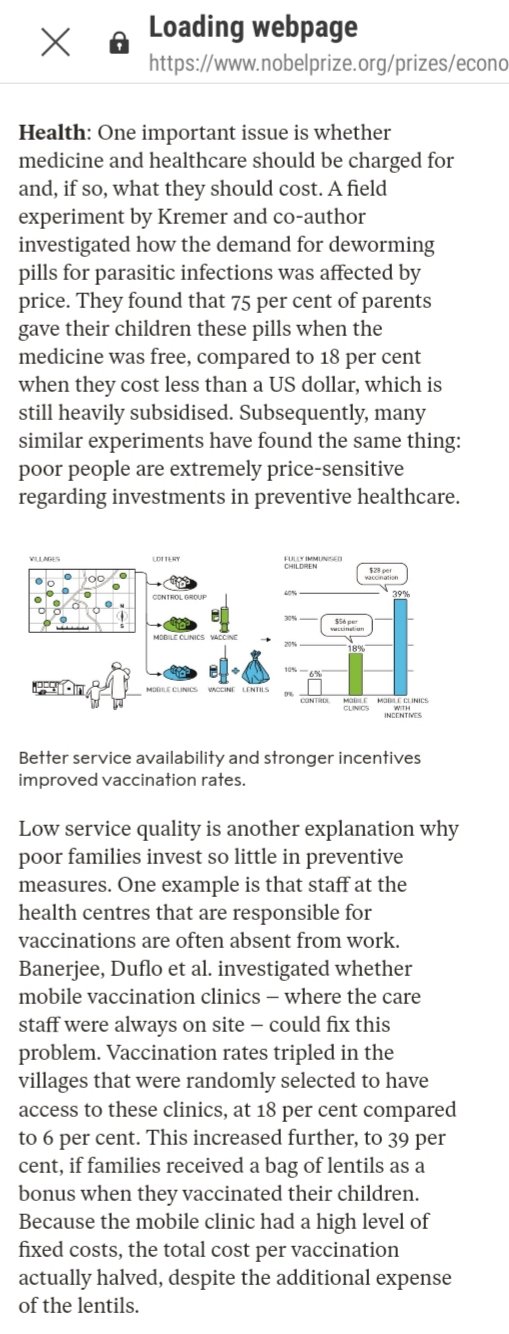
@WorldBank was said to fight world poverty one staff member at a time. Is one field research grant at a time to reconfirm the obvious any better?
15 Oct 2019 Leave a comment
in applied price theory, applied welfare economics, comparative institutional analysis, development economics, econometerics, economics of education, growth disasters, growth miracles, health economics Tags: The fatal conceit

Nobel prize for discovering if you subsidise something, you see more of it!! Many years worth of randomized controlled trials just to make sure in dirt poor countries. Didn’t know child vaccination payoffs so marginal that you had to check.
15 Oct 2019 Leave a comment
in applied price theory, applied welfare economics, development economics, econometerics, economics of education, economics of information, growth disasters, growth miracles, health economics Tags: The fatal conceit, The pretence to knowledge
Debunking the myths of “buying local” food policies”
15 Oct 2019 1 Comment
in economics of information, economics of media and culture, energy economics, entrepreneurship, environmental economics, health economics, international economics Tags: food snobs, pessimism bias
What is free will, really? Steven Pinker explains.
14 Oct 2019 Leave a comment
in economics of education, health economics Tags: evolutionary psychology
How to Harvest – Plant – Cook CASSAVA. a potentially lethal plant became the third most important crop in the tropics. The plant is very resilient, surviving where many other crops fail, and involves less human investment per calorie than potatoes. It is often poorer communities that rely on cassava for their survival.
13 Oct 2019 Leave a comment
in health economics Tags: agricultural economics
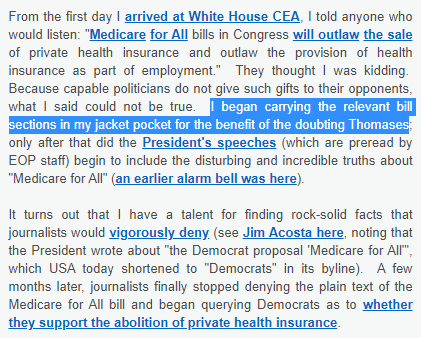
Casey Mulligan on the devil in Medicare for All’s details
12 Oct 2019 Leave a comment
in health economics, politics - USA
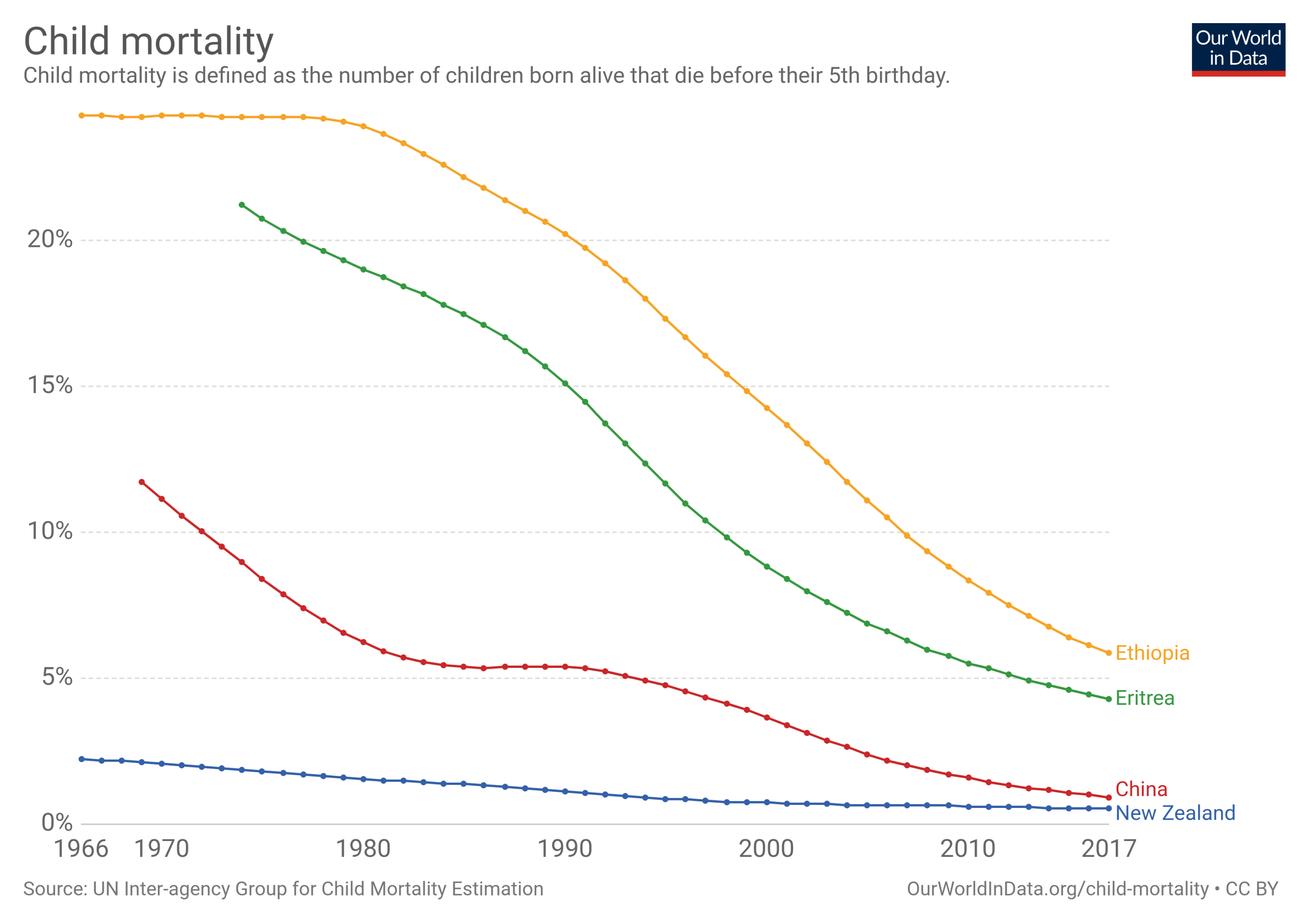
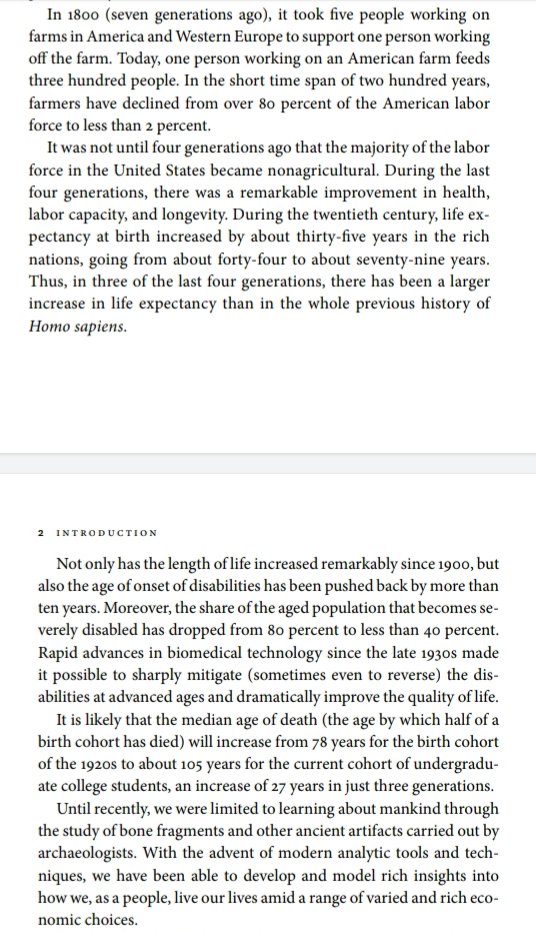
The Great Escape
11 Oct 2019 Leave a comment
in development economics, growth disasters, growth miracles, health economics
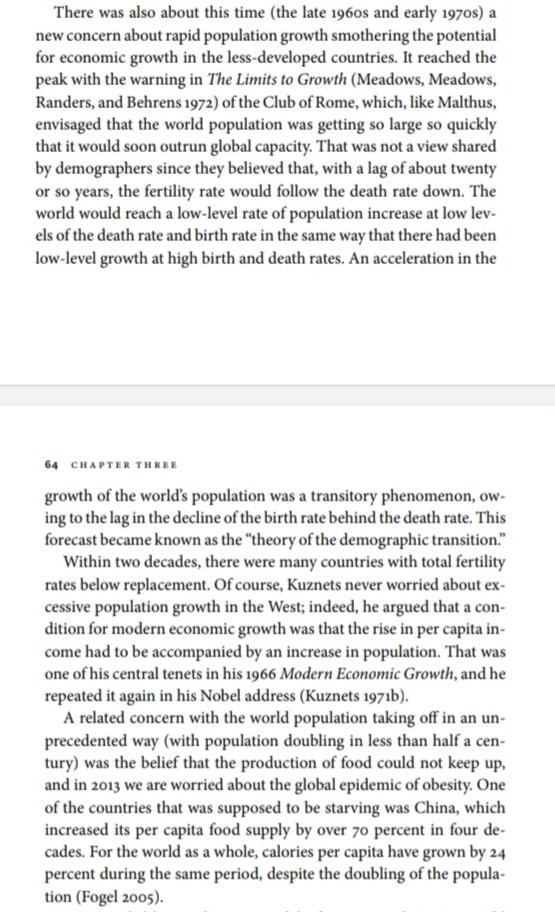
Steven Pinker: Modern Denial of Human Nature
10 Oct 2019 Leave a comment
in economics of education, economics of information, economics of media and culture, economics of religion, health economics Tags: evolutionary psychology



Recent Comments