
He who dies with the most hoarded cash does not, in fact, win.
President Trump Stubbornly Clings to Archaic Mercantilist Economics
Celebrating humanity's flourishing through the spread of capitalism and the rule of law
22 Sep 2026 Leave a comment
in Adam Smith, applied price theory, economic history, history of economic thought, income redistribution, industrial organisation, international economics, politics - USA, Public Choice, rentseeking Tags: free trade, tarrifs
He who dies with the most hoarded cash does not, in fact, win.
President Trump Stubbornly Clings to Archaic Mercantilist Economics
21 Sep 2026 Leave a comment
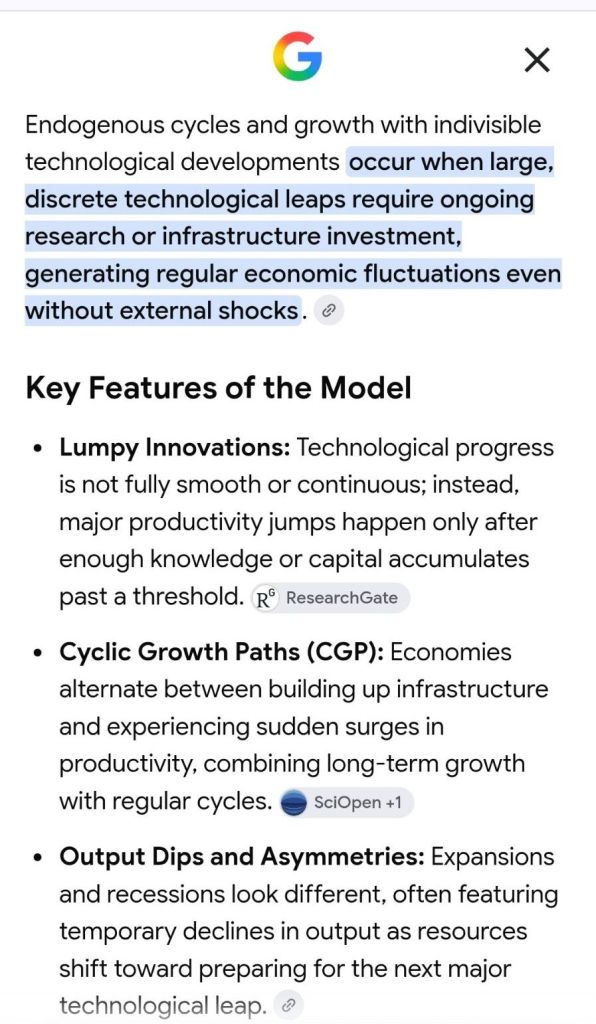
in applied price theory, business cycles, economic growth, history of economic thought, macroeconomics, monetary economics
21 Sep 2026 Leave a comment
in applied price theory, history of economic thought, industrial organisation, international economics Tags: free trade, tariffs
There are many arguments put forward for why trade should be restricted. In my ECONS102 class last week, as part of our topic on international trade and globalisation we covered five of the most common, each of which has a little story that goes along with it:The jobs argument: Trade with other countries will lower…
The unfair competition argument and the push for a ‘Temu tax’
20 Sep 2026 Leave a comment
in business cycles, econometerics, economic growth, economic history, history of economic thought, macroeconomics, monetarism, monetary economics Tags: monetary policy
19 Sep 2026 Leave a comment
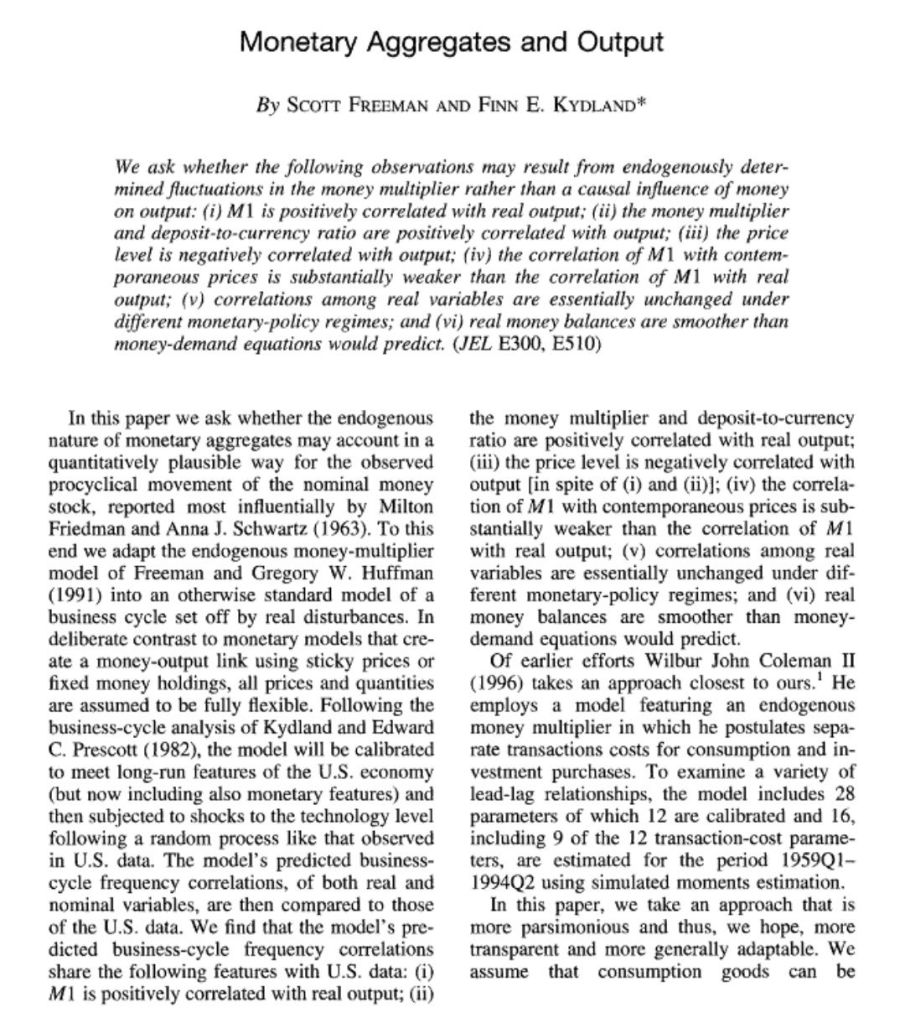
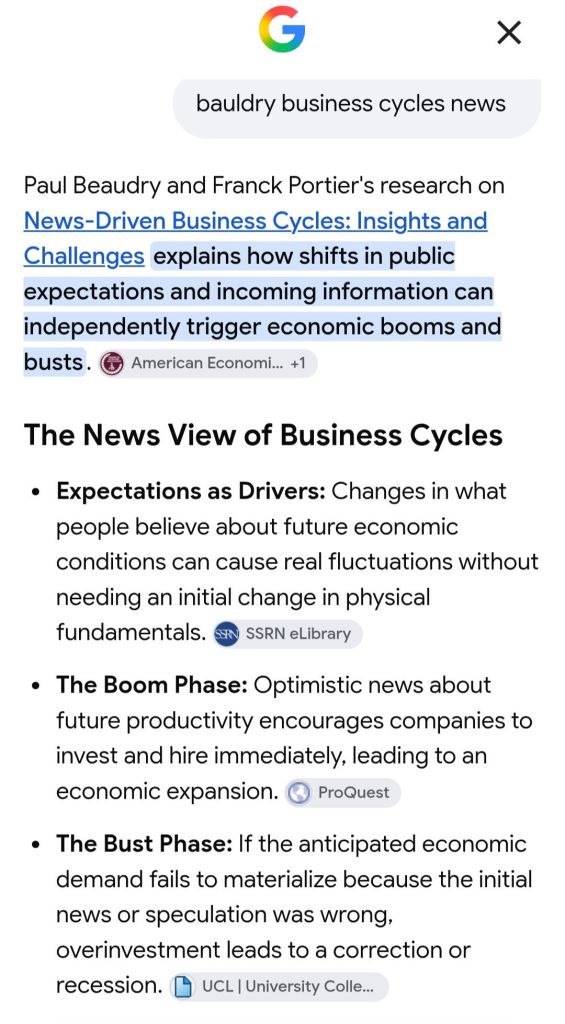
in business cycles, economic growth, history of economic thought, macroeconomics, monetary economics
18 Sep 2026 Leave a comment
in applied price theory, budget deficits, fiscal policy, history of economic thought, macroeconomics, Milton Friedman, monetarism, monetary economics Tags: monetary policy
18 Sep 2026 Leave a comment
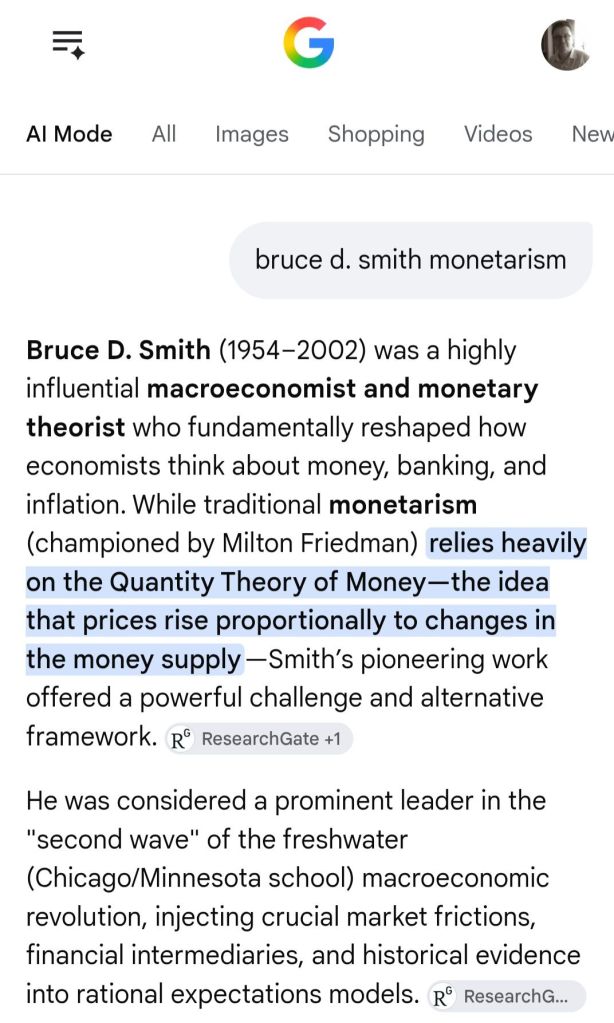
in applied price theory, business cycles, history of economic thought, macroeconomics, Milton Friedman, monetarism, monetary economics Tags: quantity theory of money
17 Sep 2026 Leave a comment
in defence economics, economic history, history of economic thought, war and peace
On rare occasions, the Nobel Peace Prize has been given for work with direct and strong economic implications. For example, I think of the 2006 Prize given to Muhammad Yunus and Grameen Bank for their work on microfinance loans to the poor, or the 1970 prize to Norman Borlaug for his research leading to the Green Revolution…
When Keynes Did Not Win the Nobel Peace Prize
16 Sep 2026 Leave a comment
in business cycles, econometerics, economic history, history of economic thought, labour economics, macroeconomics, Milton Friedman, monetarism, monetary economics, unemployment Tags: quantity theory of money
14 Sep 2026 Leave a comment
in applied price theory, business cycles, economic history, financial economics, history of economic thought, macroeconomics, Milton Friedman, monetarism, monetary economics Tags: quantity theory of money
13 Sep 2026 Leave a comment
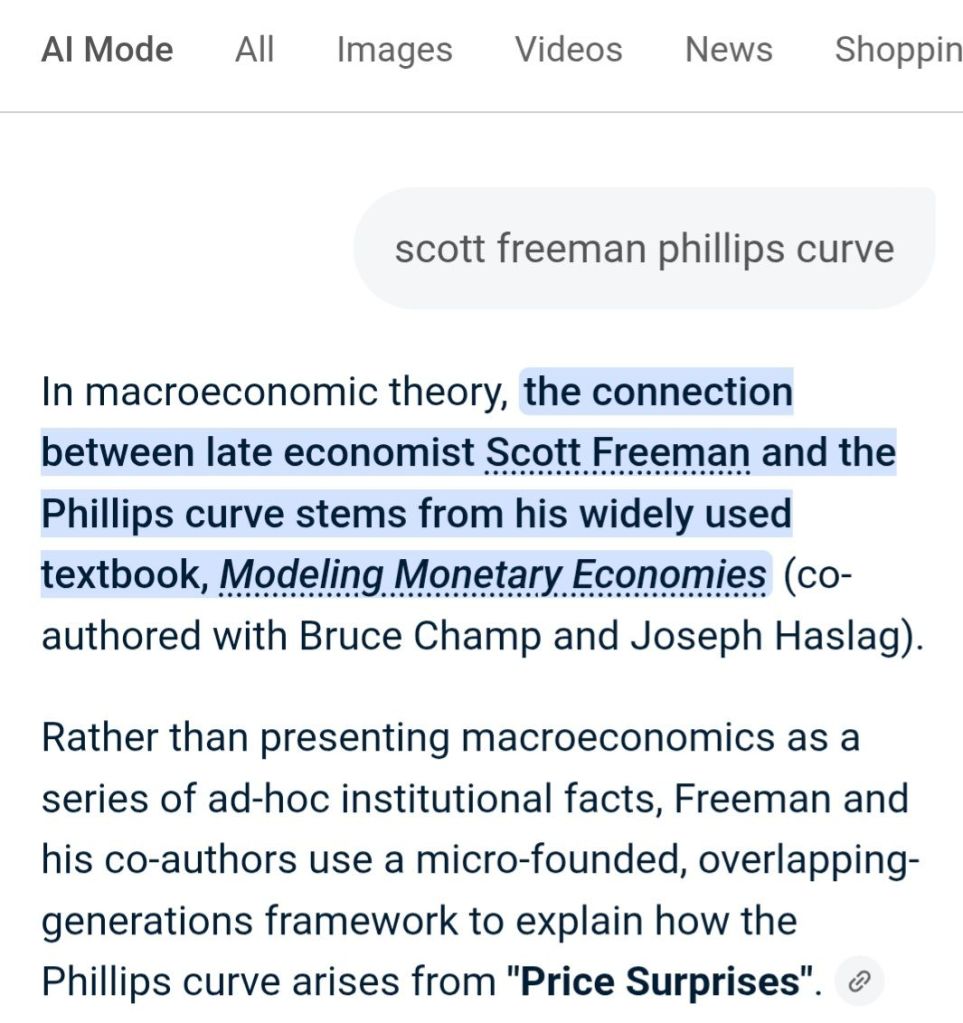
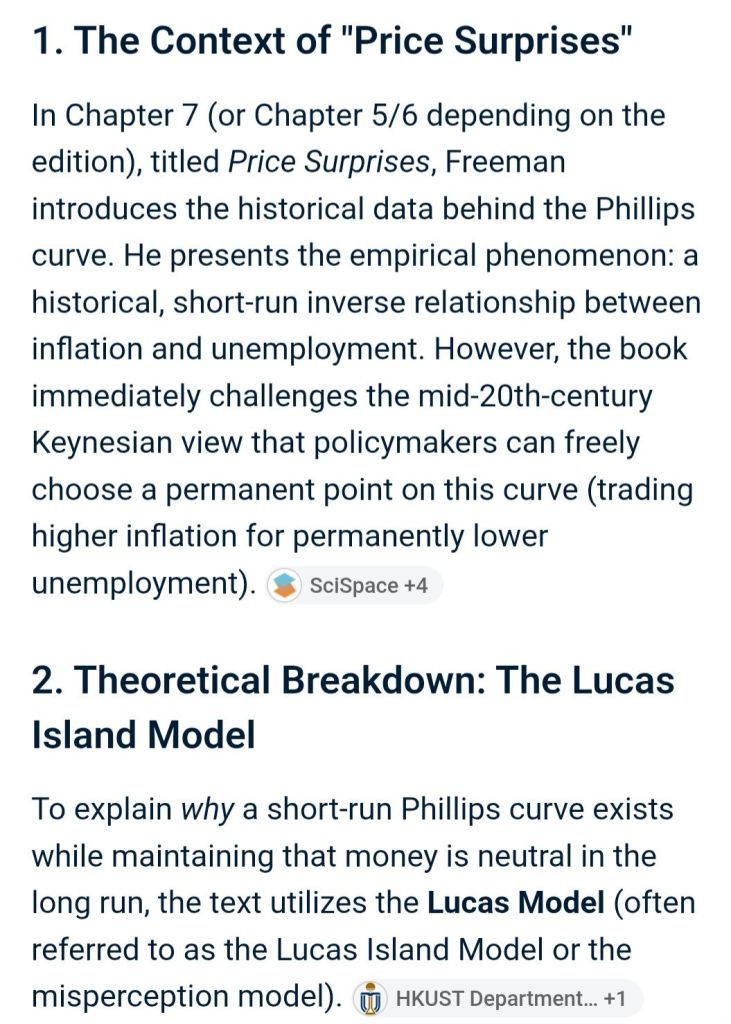
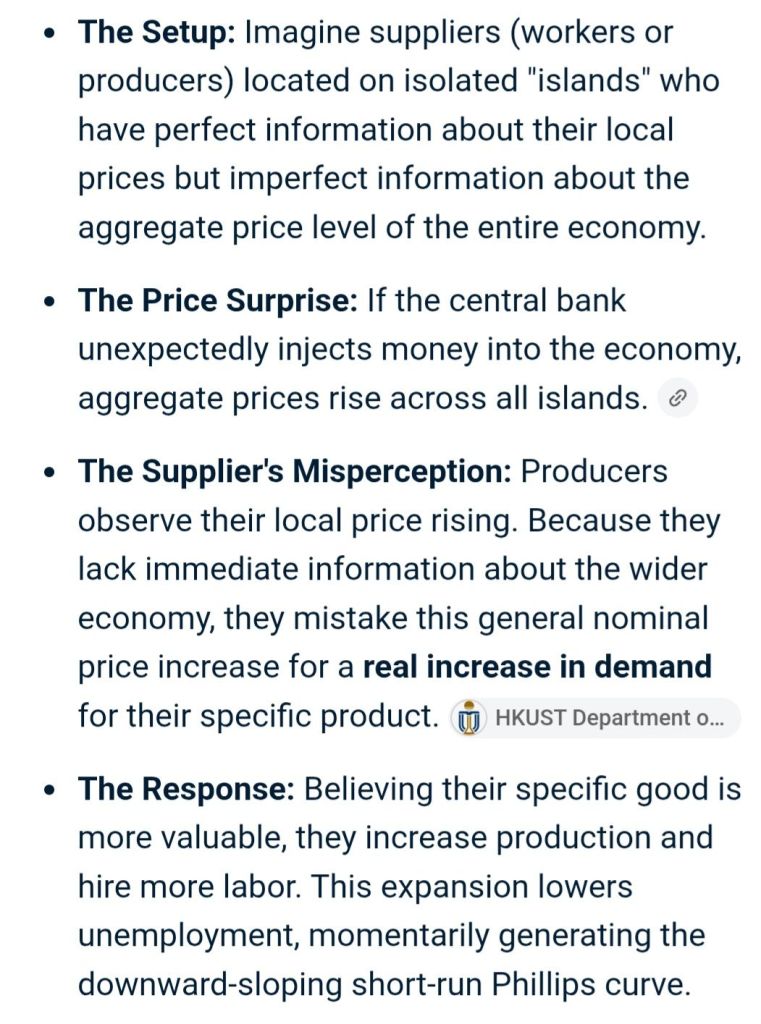
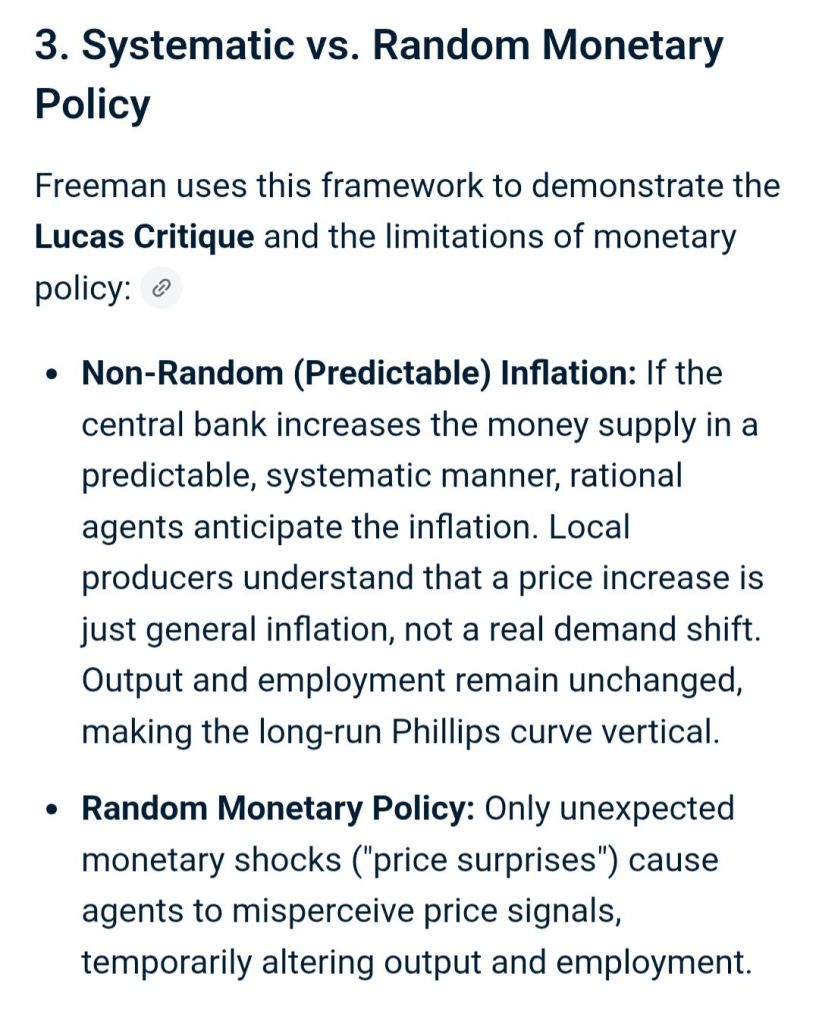
in applied price theory, business cycles, economics of information, history of economic thought, labour economics, labour supply, macroeconomics, Milton Friedman, monetarism, monetary economics, Robert E. Lucas, unemployment
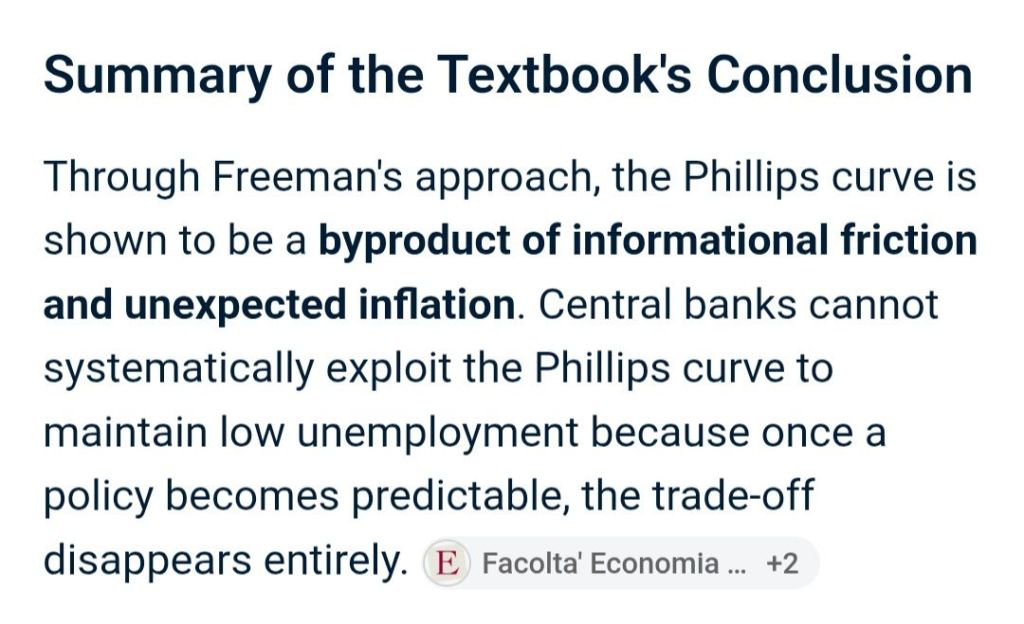
12 Sep 2026 Leave a comment
in applied price theory, budget deficits, economic history, history of economic thought, macroeconomics, Milton Friedman, monetarism, monetary economics Tags: quantity theory of money


11 Sep 2026 Leave a comment
in applied price theory, economics of information, economics of regulation, history of economic thought, industrial organisation, law and economics, property rights

Economists and lawyers know that almost every contract is incomplete. Contracts routinely omit or leave undefined important terms, and they rarely anticipate every circumstance that might frustrate performance. The reason is simple: It makes little sense to spend $1,000 drafting a provision that has an expected value of only $100. Parties therefore leave lower-value contingencies…
‘Incomplete Contracts and the Theory of Contract Design,’ by Robert Scott and George Triantis
11 Sep 2026 Leave a comment
in economic history, history of economic thought, liberalism, Marxist economics, politics - USA

Recent polls show steady growth in support for socialism among Democrats. A new CBS poll shows how popular it is,…
Poll: Almost 60 Percent of Democrats Have a Favorable View of Socialism
10 Sep 2026 1 Comment
in discrimination, economic growth, economic history, economics of education, gender, history of economic thought, human capital, industrial organisation, labour economics, labour supply, macroeconomics, occupational choice, poverty and inequality, technological progress Tags: creative destruction, The Great Enrichment
Is new technology that replaces a worker a good thing? We have a tendency, it seems to me, to believe that most previous inventions turned out to have overall net social benefits, but to be worried that all future inventions will instead have overall net social costs. Philipp Ager and Davide Coluccia tackle the question of…
Did the Sewing Machine Reduce the Workload for Women?
Celebrating humanity's flourishing through the spread of capitalism and the rule of law
Celebrating humanity's flourishing through the spread of capitalism and the rule of law
Celebrating humanity's flourishing through the spread of capitalism and the rule of law
Celebrating humanity's flourishing through the spread of capitalism and the rule of law
Celebrating humanity's flourishing through the spread of capitalism and the rule of law
Celebrating humanity's flourishing through the spread of capitalism and the rule of law
Celebrating humanity's flourishing through the spread of capitalism and the rule of law
Celebrating humanity's flourishing through the spread of capitalism and the rule of law
Celebrating humanity's flourishing through the spread of capitalism and the rule of law
A History of the Alt-Right
Econ Prof at George Mason University, Economic Historian, Québécois
Celebrating humanity's flourishing through the spread of capitalism and the rule of law
Scholarly commentary on law, economics, and more
Beatrice Cherrier's blog
Celebrating humanity's flourishing through the spread of capitalism and the rule of law
Celebrating humanity's flourishing through the spread of capitalism and the rule of law
Celebrating humanity's flourishing through the spread of capitalism and the rule of law
Why Evolution is True is a blog written by Jerry Coyne, centered on evolution and biology but also dealing with diverse topics like politics, culture, and cats.
Celebrating humanity's flourishing through the spread of capitalism and the rule of law
A rural perspective with a blue tint by Ele Ludemann
DPF's Kiwiblog - Fomenting Happy Mischief since 2003
Celebrating humanity's flourishing through the spread of capitalism and the rule of law
The world's most viewed site on global warming and climate change
Tim Harding's writings on rationality, informal logic and skepticism
A window into Doc Freiberger's library
Let's examine hard decisions!
Commentary on monetary policy in the spirit of R. G. Hawtrey
Thoughts on public policy and the media
Celebrating humanity's flourishing through the spread of capitalism and the rule of law
Politics and the economy
A blog (primarily) on Canadian and Commonwealth political history and institutions
Reading between the lines, and underneath the hype.
Economics, and such stuff as dreams are made on
"The British constitution has always been puzzling, and always will be." --Queen Elizabeth II
Celebrating humanity's flourishing through the spread of capitalism and the rule of law
Celebrating humanity's flourishing through the spread of capitalism and the rule of law
WORLD WAR II, MUSIC, HISTORY, HOLOCAUST
Undisciplined scholar, recovering academic
Celebrating humanity's flourishing through the spread of capitalism and the rule of law
Res ipsa loquitur - The thing itself speaks
In Hume’s spirit, I will attempt to serve as an ambassador from my world of economics, and help in “finding topics of conversation fit for the entertainment of rational creatures.”
Researching the House of Commons, 1832-1868
Reflections on books and art
Posts on the History of Law, Crime, and Justice
Celebrating humanity's flourishing through the spread of capitalism and the rule of law
Exploring the Monarchs of Europe


Recent Comments