
https://www.facebook.com/share/p/NHTzxxtBonuQyzdp/?mibextid=xfxF2i
Celebrating humanity's flourishing through the spread of capitalism and the rule of law
23 May 2024 Leave a comment
in economics of education, economics of information, human capital, labour economics, labour supply, managerial economics, market efficiency, occupational choice, organisational economics, personnel economics
19 May 2024 Leave a comment
in applied price theory, economic history, economics of education, entrepreneurship, human capital, income redistribution, industrial organisation, labour economics, labour supply, occupational choice, politics - USA, poverty and inequality, Public Choice Tags: taxation and entrepreneurship, taxation and investment

Like Thomas Piketty, Gabriel Zucman is a French economist who promotes economically destructive class-warfare tax policy. He’s also infamous for dodgy data manipulation, as Phil Magness explains in this Reason discussion. The interview lasts for 64 minutes, and I recommend the entire discussion. Yes, that’s a lot of time, but Phil has encyclopedic knowledge and […]
Debunking Bad Class Warfare and Debunking Nonsensical Class Warfare
14 Apr 2024 Leave a comment
in applied price theory, discrimination, economics of education, entrepreneurship, gender, human capital, labour economics, labour supply, occupational choice, poverty and inequality Tags: gender wage gap, sex discrimination
From “Diversity and Performance in Entrepreneurial Teams” (SSRN): Among the randomly-assigned teams [of MBA students], greater diversity along the intersection of gender and race/ethnicity significantly reduced performance. However, the negative effect of this diversity is alleviated … [when teams can choose their teammates]…teams with more female members perform substantially better when their faculty section leader was also…
Diverse MBA teams perform worse
10 Apr 2024 Leave a comment
in applied price theory, development economics, economics of information, human capital, industrial organisation, labour economics, labour supply, occupational choice, poverty and inequality Tags: consumer fraud, creative destruction
I’ve posted about many new jobs like this. See related posts below. Also, this post is based on yesterday’s post You Spent $6,000 on a Secondhand Chanel Bag. Now Find Out if It Is Real. It had excerpts from an article by Chavie Lieber of The WSJ. Here are excerpts related to today’s post:”Many secondhand luxury shoppers…
Handbag authenticators (creative destruction and how the economy just keeps creating new types of occupations & professions)
10 Apr 2024 Leave a comment
in applied price theory, behavioural economics, comparative institutional analysis, discrimination, economic history, economics of education, economics of information, Gary Becker, gender, history of economic thought, human capital, labour economics, labour supply, occupational choice, poverty and inequality
09 Apr 2024 Leave a comment
in economics of education, economics of media and culture, health economics, human capital, labour economics, labour supply, occupational choice, poverty and inequality Tags: behavioural genetics
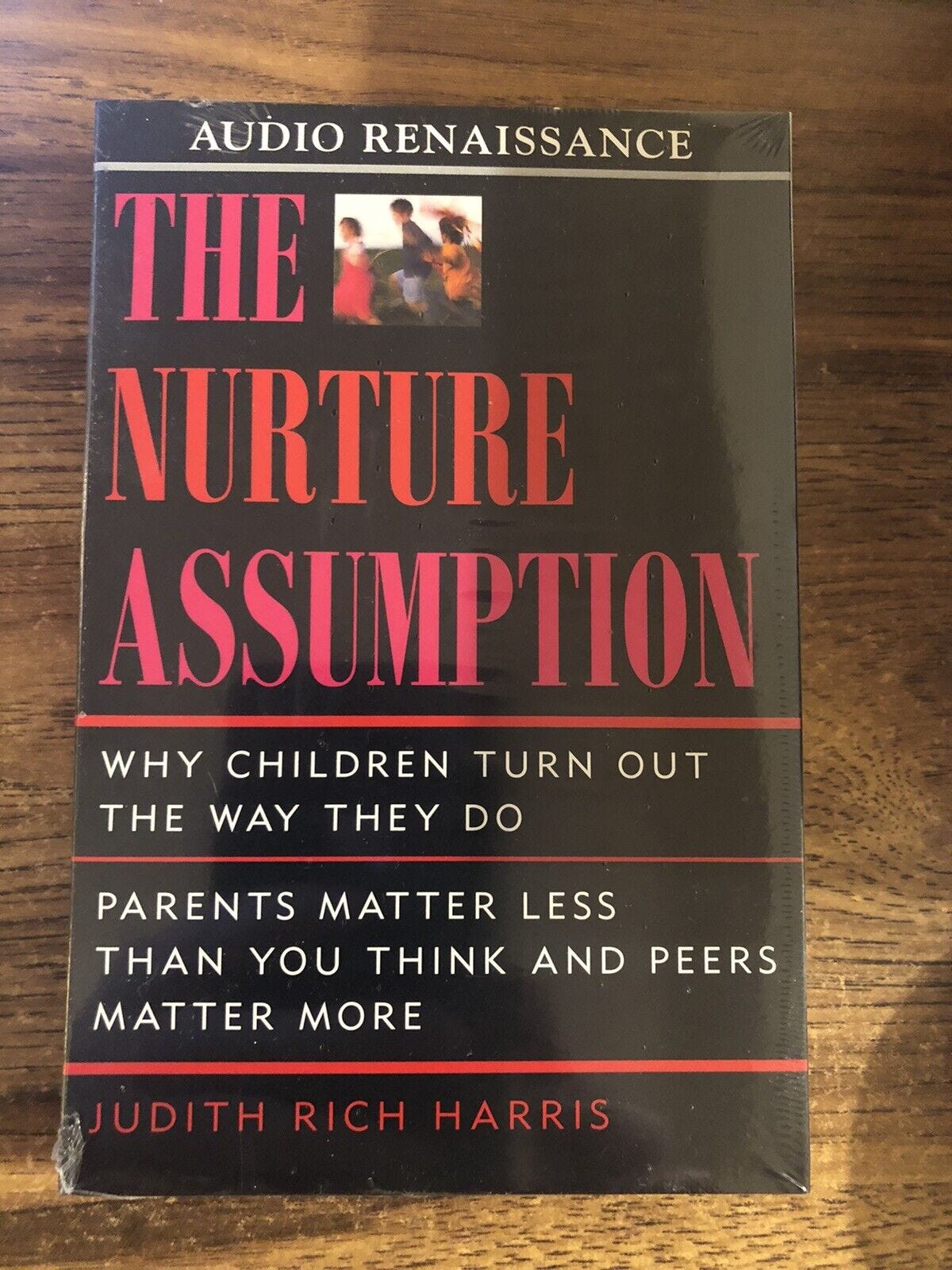
Judith Harris’ The Nurture Assumption was a huge influence on me, and the top inspiration for my Selfish Reasons to Have More Kids. Her book’s first main lesson is that family resemblance, defined in the broadest possible way to include physical, psychological, and social outcomes, is mostly driven by genetics rather than upbringing. Her book’s…
Harris’ Major Malfunction
04 Apr 2024 Leave a comment
in applied price theory, applied welfare economics, comparative institutional analysis, discrimination, economic history, health and safety, human capital, labour economics, labour supply, law and economics, occupational choice, poverty and inequality, unemployment, unions Tags: racial discrimination
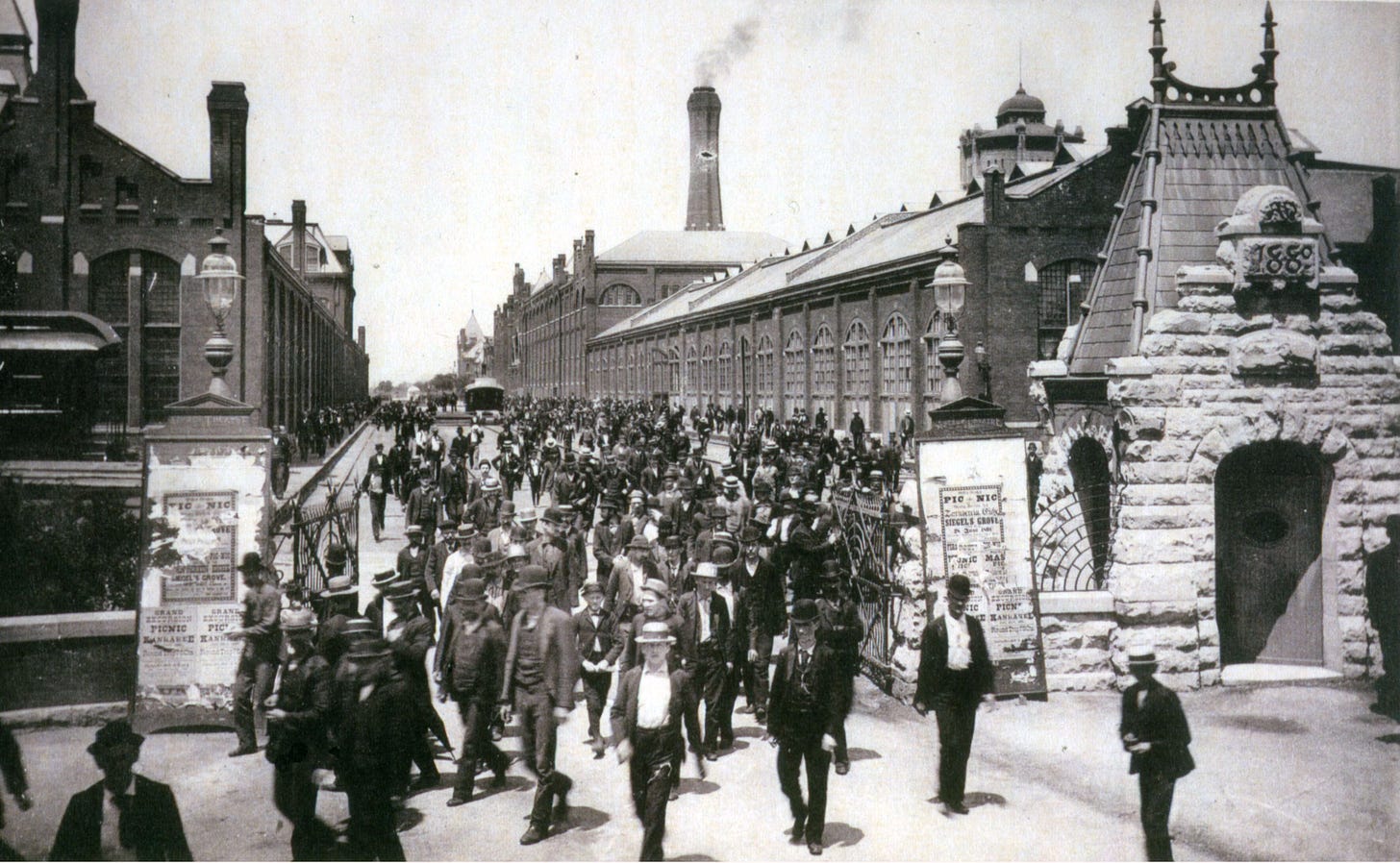
A quarter century ago, economist Price Fishback published “Operations of ‘Unfettered’ Labor Markets: Exit and Voice in American Labor Markets at the Turn of the Century” 1,762 more words
Unfettered: Fishback 25 Years Later
04 Apr 2024 Leave a comment
in discrimination, economic history, economics of bureaucracy, gender, human capital, labour economics, labour supply, law and economics, liberalism, Marxist economics, occupational choice, politics - USA, poverty and inequality, Public Choice Tags: affirmative action, Age of Enlightenment, free speech, political correctness, racial discrimination, regressive left, sex discrimination

Below is an article describing how the woke industry started and expanded by advancing a fundamental lie about human happiness and social fairness. The image above calls attention to the notion that sorts individuals into classes and attributes inequalities in status or prosperity to oppression by others. The lie is that any disappointment or disadvantage […]
The Big Lie Behind DEI
21 Mar 2024 Leave a comment
in discrimination, economics of crime, economics of education, human capital, income redistribution, labour economics, labour supply, law and economics, liberalism, Marxist economics, occupational choice, politics - USA, poverty and inequality, property rights, Public Choice, rentseeking Tags: affirmative action, free speech, political correctness, racial discrimination, regressive left

As you know, I go back and forth on the question of affirmative action for college and professional-school admissions, and even after I thought I’d settled on a view (i.e., give some preference to minorities among those equally qualified for admission), it still keeps changing. After I read the long New York Times piece below […]
Nikole Hannah-Jones on reparations for descendants of slaves
12 Mar 2024 Leave a comment
in applied price theory, applied welfare economics, comparative institutional analysis, development economics, econometerics, economic history, economics of bureaucracy, economics of education, economics of information, economics of regulation, experimental economics, growth disasters, growth miracles, history of economic thought, human capital, labour economics, labour supply, law and economics, managerial economics, market efficiency, Marxist economics, occupational choice, organisational economics, property rights, Public Choice, public economics Tags: The fatal conceit

Randomized Controlled Trials: Could you be any more scientific? The book I’m now writing, Unbeatable: The Brutally Honest Case for Free Markets, insists that the randomistas of the economics profession actually have a thinly-veiled political agenda. Namely: To get economists to humbly serve the demagogues that rule the world instead of bluntly challenging their unabated…
The RCT Agenda
11 Mar 2024 Leave a comment
in economics of media and culture, gender, health and safety, labour economics, labour supply, occupational choice Tags: gender gap
08 Mar 2024 Leave a comment
in discrimination, economics of education, gender, human capital, labour economics, labour supply, occupational choice, politics - Australia Tags: gender wage gap, sex discrimination

25 Feb 2024 Leave a comment
in econometerics, economics of education, human capital, labour economics, labour supply, occupational choice, poverty and inequality Tags: College premium
See Choices and consequences in the real “game of life”: From falling in with “bad apples” to choosing a major, economists decipher how early decisions shape long-term outcomes by Jeff Horwich, Senior Economics Writer for the Federal Reserve Bank of Minneapolis. Excerpt:”The research on Minnesota students from Nath, Borovičková, and Leibert (discussed above) finds that while…
When it comes to lifetime earnings, the most important decision appears to be the choice of college major
22 Feb 2024 Leave a comment
in applied price theory, discrimination, econometerics, economic history, economics of crime, economics of education, human capital, labour economics, labour supply, law and economics, occupational choice, politics - USA, poverty and inequality Tags: academic bias, crime and punishment, free speech, law and order, political correctness, racial discrimination, regressive left
A lot of readers and heterodox colleagues have sent me this link to Bari Weiss’s interview with Harvard economics professor Roland G. Fryer, Jr., often accompanied by big encomiums. Despite my unwillingness to watch long videos, I did watch all 77 minutes of it. Unfortunately, I wasn’t mesmerized, or even much interested. There are interesting […]
Bari Weiss interviews Roland Fryer
Celebrating humanity's flourishing through the spread of capitalism and the rule of law
Celebrating humanity's flourishing through the spread of capitalism and the rule of law
Celebrating humanity's flourishing through the spread of capitalism and the rule of law
Celebrating humanity's flourishing through the spread of capitalism and the rule of law
Celebrating humanity's flourishing through the spread of capitalism and the rule of law
Celebrating humanity's flourishing through the spread of capitalism and the rule of law
Celebrating humanity's flourishing through the spread of capitalism and the rule of law
A History of the Alt-Right
Econ Prof at George Mason University, Economic Historian, Québécois
Celebrating humanity's flourishing through the spread of capitalism and the rule of law
Scholarly commentary on law, economics, and more
Beatrice Cherrier's blog
Celebrating humanity's flourishing through the spread of capitalism and the rule of law
Celebrating humanity's flourishing through the spread of capitalism and the rule of law
Celebrating humanity's flourishing through the spread of capitalism and the rule of law
Why Evolution is True is a blog written by Jerry Coyne, centered on evolution and biology but also dealing with diverse topics like politics, culture, and cats.
Celebrating humanity's flourishing through the spread of capitalism and the rule of law
A rural perspective with a blue tint by Ele Ludemann
DPF's Kiwiblog - Fomenting Happy Mischief since 2003
Celebrating humanity's flourishing through the spread of capitalism and the rule of law
The world's most viewed site on global warming and climate change
Tim Harding's writings on rationality, informal logic and skepticism
A window into Doc Freiberger's library
Let's examine hard decisions!
Commentary on monetary policy in the spirit of R. G. Hawtrey
Thoughts on public policy and the media
Celebrating humanity's flourishing through the spread of capitalism and the rule of law
Politics and the economy
A blog (primarily) on Canadian and Commonwealth political history and institutions
Reading between the lines, and underneath the hype.
Economics, and such stuff as dreams are made on
"The British constitution has always been puzzling, and always will be." --Queen Elizabeth II
Celebrating humanity's flourishing through the spread of capitalism and the rule of law
Celebrating humanity's flourishing through the spread of capitalism and the rule of law
WORLD WAR II, MUSIC, HISTORY, HOLOCAUST
Undisciplined scholar, recovering academic
Celebrating humanity's flourishing through the spread of capitalism and the rule of law
Res ipsa loquitur - The thing itself speaks
In Hume’s spirit, I will attempt to serve as an ambassador from my world of economics, and help in “finding topics of conversation fit for the entertainment of rational creatures.”
Researching the House of Commons, 1832-1868
Articles and research from the History of Parliament Trust
Reflections on books and art
Posts on the History of Law, Crime, and Justice
Celebrating humanity's flourishing through the spread of capitalism and the rule of law
Exploring the Monarchs of Europe
Cutting edge science you can dice with


Recent Comments