In amongst my collection of books, I have assembled a number of classics, including some reasonably rare editions. One of those is Economics of the New Zealand Maori [*] by Raymond Firth. This book was originally published from Firth’s PhD thesis in 1929 (the thesis was approved in 1927 at the University of London). The edition…
Book review: Economics of the New Zealand Maori
Book review: Economics of the New Zealand Maori
27 Dec 2025 Leave a comment
in development economics, economic history, labour economics, law and economics, politics - New Zealand, property rights Tags: economic anthropology, Maori economic development
Celebrating Two Years of Libertarian Success in Argentina
27 Dec 2025 Leave a comment
in applied price theory, Austrian economics, budget deficits, comparative institutional analysis, constitutional political economy, development economics, economic growth, economics of bureaucracy, economics of regulation, fiscal policy, growth disasters, history of economic thought, income redistribution, industrial organisation, labour economics, liberalism, libertarianism, macroeconomics, Public Choice, rentseeking, unemployment Tags: Argentina
As explained in my four-part series (here, here, here, and here) and in this clip from a recent interview, Javier Milei’s first two years have been amazingly successful. There are two points in the interview that deserve emphasis. First, Javier Milei’s libertarian policies already have been extremely beneficial for the Argentine economy. Inflation has dramatically […]
Celebrating Two Years of Libertarian Success in Argentina
AI summary of my living wage paper
24 Dec 2025 Leave a comment
in applied price theory, history of economic thought, income redistribution, job search and matching, labour economics, labour supply, macroeconomics, minimum wage, politics - New Zealand, poverty and inequality, Public Choice, rentseeking Tags: living wage
New South Wales bans anti-Jewish rhetoric in wake of Bondi Beach attack
24 Dec 2025 Leave a comment
in defence economics, discrimination, economics of crime, law and economics, liberalism, Marxist economics, politics - Australia, war and peace Tags: free speech, Gaza Strip, Middle-East politics, political correctness, regressive left, war against terror, West Bank

The attack on Jews celebrating Hanukkah at Bondi Beach near Sydney (the capital of New South Wales), was horrific: fifteen people were killed (not including the perps) and 40 injured. It was clearly a terrorist attack designed to kill Jews, putting the lie that this kind of violence is “anti-Zionist” rather than antisemitic. Australian Jews…
New South Wales bans anti-Jewish rhetoric in wake of Bondi Beach attack
BBC Framing Asks Jews to Answer For Violence Against Jews
23 Dec 2025 1 Comment
in defence economics, discrimination, economics of crime, International law, law and economics, liberalism, Marxist economics, politics - Australia, war and peace Tags: free speech, Gaza Strip, Middle-East politics, political correctness, regressive left, war against terror

Since the antisemitic terror attack on Bondi Beach last week, there has been a large amount of discussion on BBC radio and broadcast channels… The post BBC Framing Asks Jews to Answer For Violence Against Jews appeared first on CAMERA UK.
BBC Framing Asks Jews to Answer For Violence Against Jews
Kathleen Stock on female genital mutilation, cultural relativism, and a recent (odious) paper in The Journal of Medical Ethics
21 Dec 2025 Leave a comment
in discrimination, economics of crime, economics of education, gender, law and economics, liberalism, Marxist economics Tags: sex discrimination
Over at UnHerd, philosopher Kathleen Stock, formerly of the University of Sussex, critiques a paper in The Journal of Medical Ethics that I discussed recently, a paper you can read by clicking below. (You may remember that Stock, an OBE, was forced to resign from Sussex after she was demonized for her views on gender…
Kathleen Stock on female genital mutilation, cultural relativism, and a recent (odious) paper in The Journal of Medical Ethics
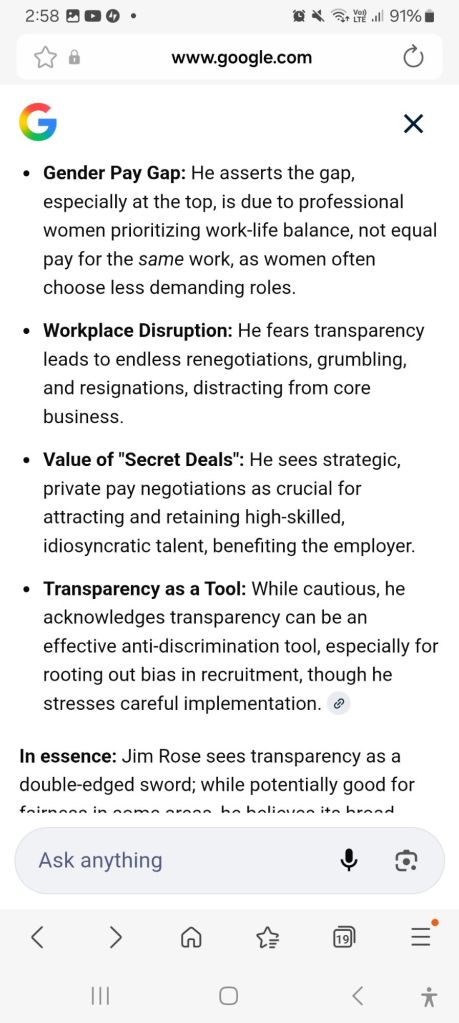
My first AI op-ed summary
21 Dec 2025 Leave a comment
in applied price theory, discrimination, economics of education, economics of information, entrepreneurship, gender, human capital, labour economics, labour supply, politics - New Zealand Tags: gender wage gap

“Progressives” appear to whitewash female genital mutilation
18 Dec 2025 1 Comment
in discrimination, economics of crime, gender, health economics, law and economics, liberalism, Marxist economics Tags: political correctness, regressive left, sex discrimination

This is an example of how horrible cultural practices are excused—or made to seem less harmful—by “progressives” (read “the woke”) when they’re characteristic of minority groups. In this case the practice is one of the cruelest and most misogynistic forms of behavior around—female genital mutilation (FGM), especially in its most damaging form, infibulation (there are…
“Progressives” appear to whitewash female genital mutilation
Europe’s Grim Fiscal Future
16 Dec 2025 Leave a comment
in budget deficits, economic growth, fiscal policy, labour economics, labour supply, macroeconomics, public economics Tags: ageing society, European Union, population bust

If you want to know why I’m pessimistic about Europe (particularly compared to the U.S.), this chart is a good example. It shows that many European nations have enormous long-run liabilities for their Social Security systems. It’s an understatement to observe that Spain, Austria, and Italy have very grim fiscal futures. Keep in mind that […]
Europe’s Grim Fiscal Future
Demographic Decline, Part I: Baby Subsidies Are an Ineffective Response
15 Dec 2025 Leave a comment
in economic growth, fiscal policy, labour economics, labour supply, macroeconomics, population economics, urban economics Tags: ageing society, population bust

I have a five-part series (here, here, here, here, and here) explaining that demographic decline will lead to fiscal crisis. The main takeaway is that entitlement programs are a ticking time bomb, and I castigate politicians who want to kick the can down the road (or make a bad situation even worse). This is a global problem, not merely an American problem, as […]
Demographic Decline, Part I: Baby Subsidies Are an Ineffective Response
Why does Labour select so few Maori for winnable general seats?
10 Dec 2025 Leave a comment
in discrimination, politics - New Zealand Tags: racial discrimination
It is interesting to look at the list of Maori MPs who have won general electorates in NZ. The list is: So the breakdown by party is: Of Labour’s nine Maori MPs who won an electorate seat, five of them were in the 2020 landslide. Prior to that there had been only four. Just four…
Why does Labour select so few Maori for winnable general seats?
Productivity growth (or lack of it)
10 Dec 2025 Leave a comment
in applied price theory, econometerics, economic growth, economic history, fiscal policy, labour economics, macroeconomics, politics - New Zealand

In a post last week I included this chart of the latest annual OECD data on labour productivity, expressed in PPP terms. It was grim, in a familiar sort of way. New Zealand’s overall economic performance has long been poor (the halcyon days when New Zealand was in the top 3 in the world relegated […]
Productivity growth (or lack of it)
Germany’s Accelerating Fiscal and Economic Decline
09 Dec 2025 Leave a comment
in budget deficits, economic growth, economic history, fiscal policy, income redistribution, labour economics, labour supply, macroeconomics, Public Choice, public economics Tags: ageing society, Germany
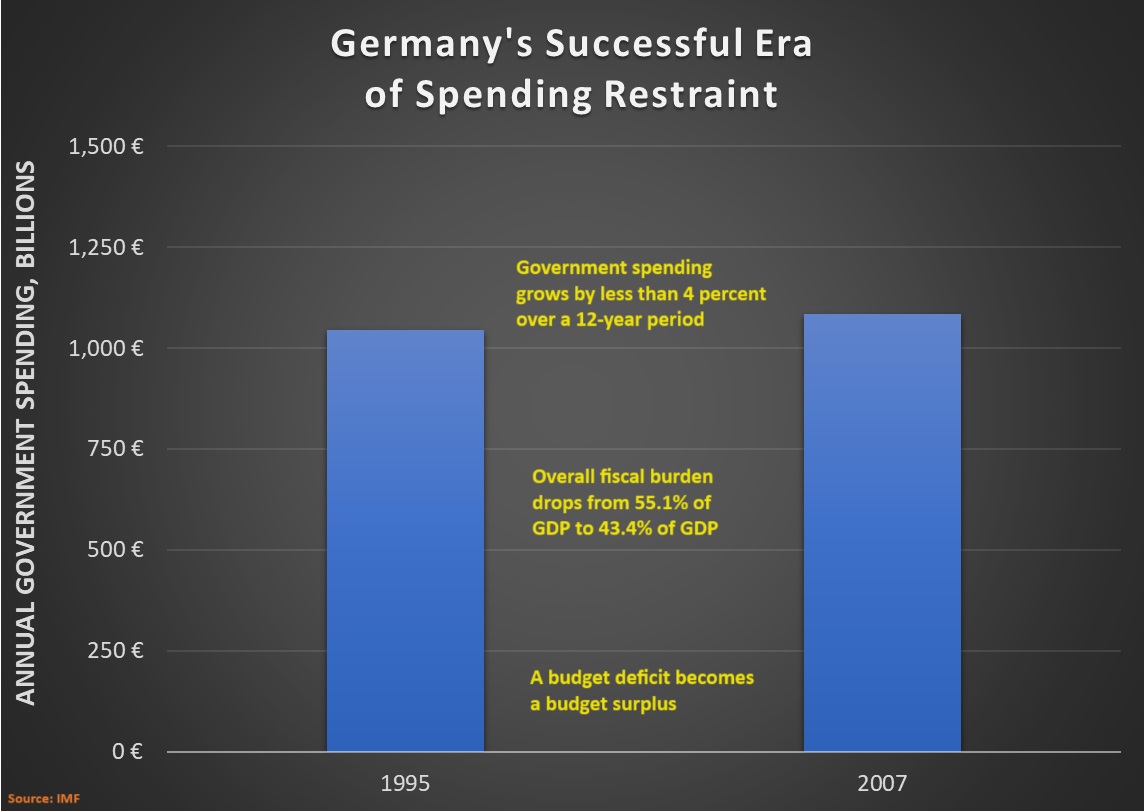
A lot has happened if you look at the past 100 years of German economic policy. Hyperinflation leading to Hitler’s National Socialists taking power. An impressive free-market revival after World War II. A growing welfare state after the imposition of a value-added tax in the 1960s. Some semi-impressive spending restraint starting in the mid-1990s. Very […]
Germany’s Accelerating Fiscal and Economic Decline
The myth of the $140,000 poverty line
08 Dec 2025 Leave a comment
in applied price theory, labour economics, labour supply, poverty and inequality
That is my latest piece for The Free Press, focusing on the claims of Michael W. Green. Excerpt: Most of all, there is a major conceptual error in Green’s focus on high prices. To the extent that prices are high, it is not because our supply chains have been destroyed by earthquakes or nuclear bombs. […]
The myth of the $140,000 poverty line
Unfettered: Fishback 25 Years Later
07 Dec 2025 Leave a comment
in applied price theory, economic history, history of economic thought, labour economics, labour supply, poverty and inequality
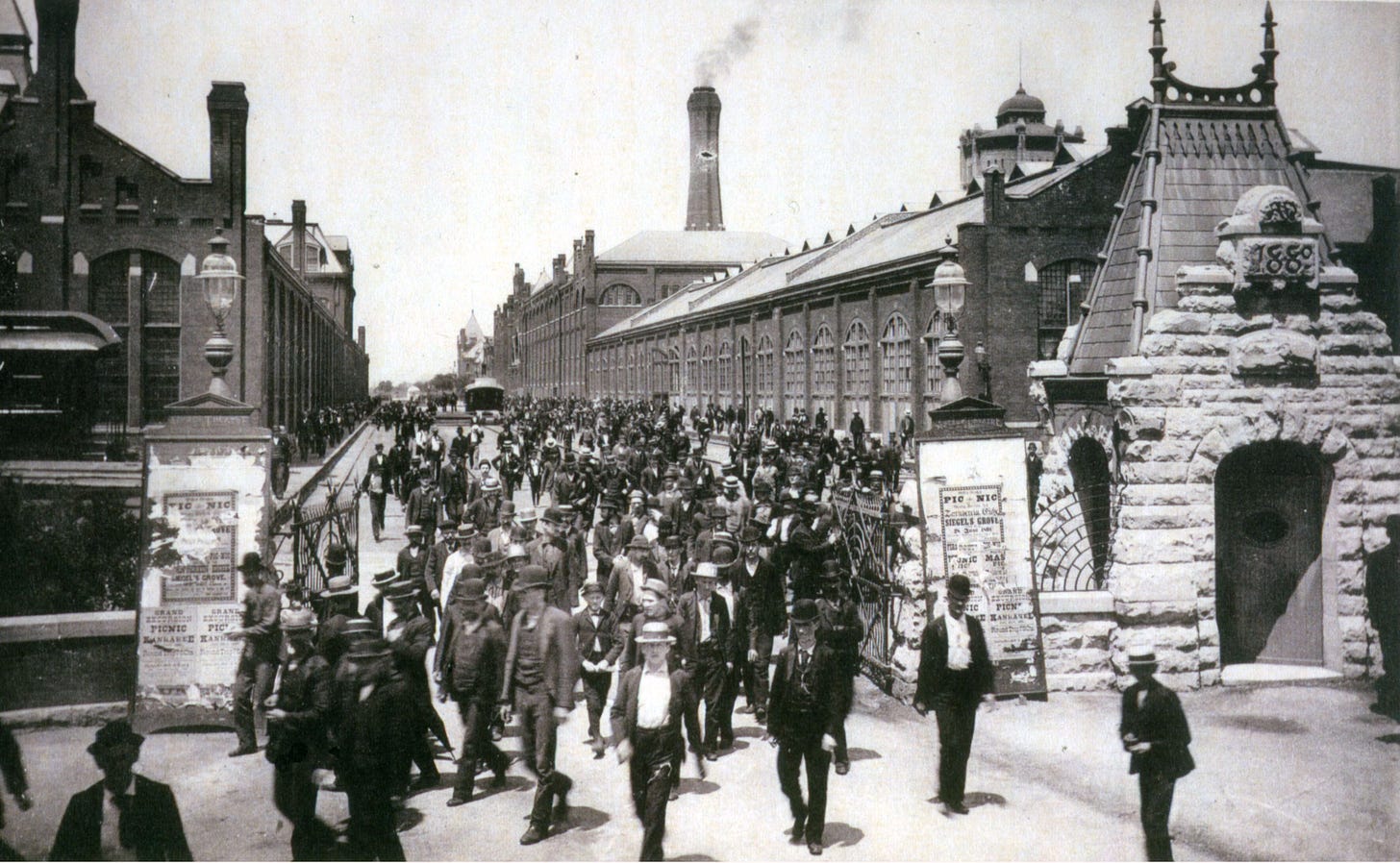
A quarter century ago, economist Price Fishback published “Operations of ‘Unfettered’ Labor Markets: Exit and Voice in American Labor Markets at the Turn of the Century” 1,762 more words
Unfettered: Fishback 25 Years Later


Recent Comments