Walter Williams discusses market versus political solutions to the problems of racism and private property
03 Jun 2016 Leave a comment
in applied price theory, applied welfare economics, comparative institutional analysis, constitutional political economy, discrimination, industrial organisation, labour economics Tags: racial discrimination, Walter Williams
Dissenting opinion in the Fourth Circuit case on transgender students and restrooms
02 Jun 2016 Leave a comment
in discrimination, gender, labour economics, liberalism Tags: moral panic, political correctness, sex discrimination, social friction, transgender people

Until a few months ago, there is universal agreement particularly among women that men should not be allowed into female bathrooms and change rooms. There are relatively few transgender people according to New York at times estimates, and few had heard of them until recently to discriminate against them in long-standing bathroom arrangements.
This is not a case of sex discrimination. It is some people being rather unusual and not fitting into arrangements that suit everybody else. These arrangements regarding bathrooms, change rooms and privacy were crafted with absolutely no malice or hostility towards those who find them inconvenient such as transgender people. You just cannot please everybody.
There are certainly hostility and indeed violence against transgender people. That violence is by a minority full of hate looking for someone to hate on any criteria. There are some people are not nice and who take pleasure in being nasty and at times violent towards other people. That is separate from managing the long-standing human preference for bodily privacy.
Opposing discrimination is about telling people to stop being an arsehole. They have preferences about who they deal with that are appalling and mean. The segregation of bathrooms and changing rooms by sex is about a fundamental human desire for bodily privacy.
The Prevalence of Marxism in Academia
02 Jun 2016 Leave a comment
in economics of education, labour economics, labour supply, occupational choice Tags: academic bias
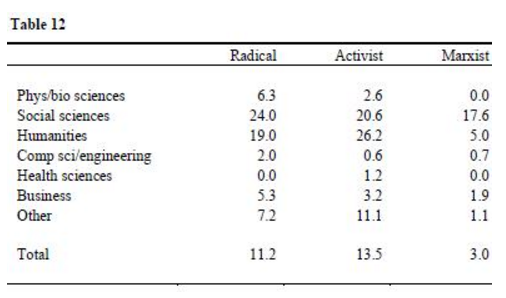
Source: The Prevalence of Marxism in Academia, Bryan Caplan | EconLog | Library of Economics and Liberty.
Equilibrium unemployment rate: USA, UK, France, Germany, Canada & Australia, 1985-2017
02 Jun 2016 Leave a comment
in business cycles, economic growth, economic history, global financial crisis (GFC), great recession, labour economics, labour supply, unemployment Tags: British economy, Canada, equilibrium unemployment rate, France, Germany, natural unemployment rate
I do admire the way in which the USA has been able to have a steadily falling equilibrium unemployment rate since 1984 through thick and thin. The Great Recession had no impact on the US equilibrium unemployment rate. Not only has the largest member been able to do this, the OECD host country (red squares) has had a pretty steady natural unemployment rate too all things considered.
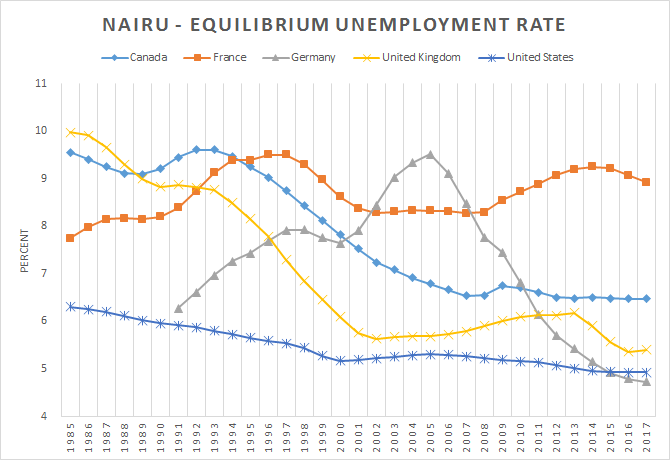
Source: OECD Economic Outlook June 2016 Data extracted on 01 Jun 2016 12:40 UTC (GMT) from OECD.Stat
Few of the top 50 billionaires inherited their wealth
01 Jun 2016 Leave a comment
in applied price theory, applied welfare economics, economic history, entrepreneurship, financial economics, human capital, labour economics, poverty and inequality, unions Tags: entrepreneurial alertness, inherited wealth, superstar wages, superstars, top 0.1%, top 1%
Of the 15 inheritance based billionaires, three are from the Walton family, two are the Koch brothers and another three are from the Mars family.

Source: The world’s top 50 billionaires: A demographic breakdown.
No @sarahinthesen8 this is not acceptable. Stopping the boats saved hundreds of lives
30 May 2016 Leave a comment
in Economics of international refugee law, international economic law, International law, labour economics, politics - Australia Tags: Australian Greens, avoiding difficult choices, economics of immigration, Leftover Left, rational irrationality
People who enter illegally by boat do not increase the number of refugees of Australia admits in any one year. They change who was granted asylum within the same fixed quota. Increasing the quota will not change incentives for illegal entry if illegal entry allows for settlement in Australia.
The Nordic Gender Equality Paradox
30 May 2016 Leave a comment
in applied price theory, discrimination, gender, labour economics Tags: Finland, gender wage gap, glass ceiling, Norway, Sweden
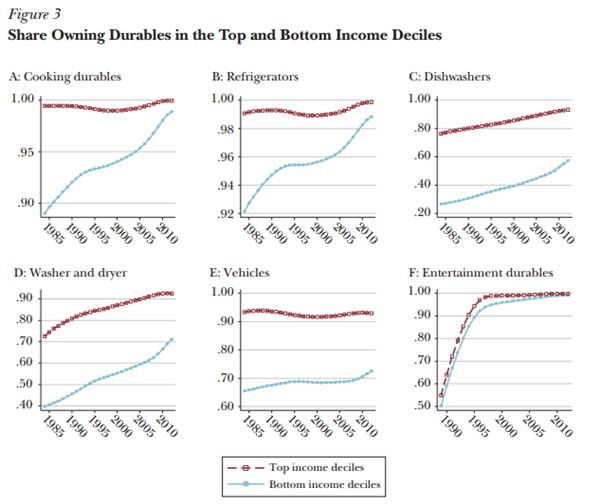
More on down and out in America
30 May 2016 Leave a comment
in poverty and inequality Tags: consumption inequality, living standards
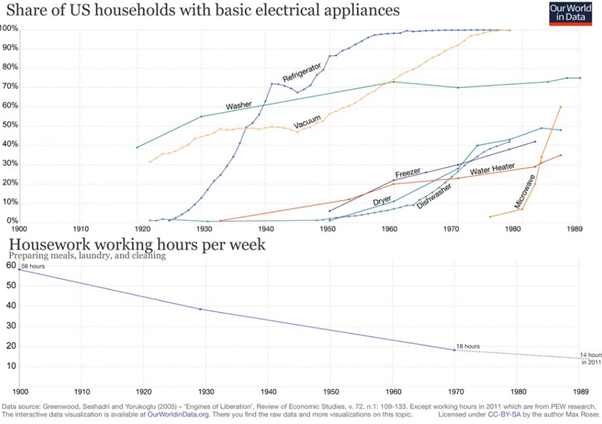
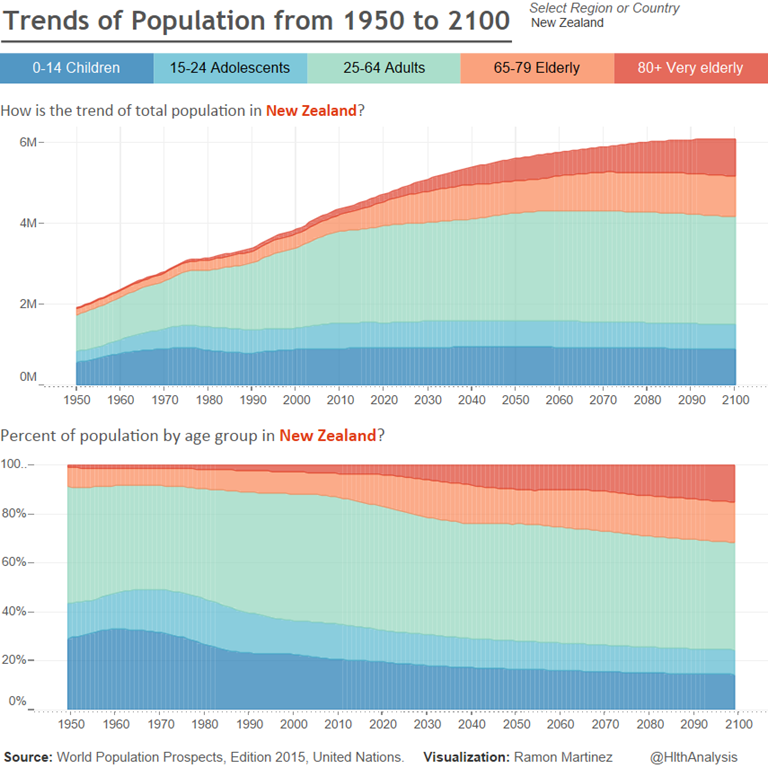
New Zealand population trends, 1950-2100
30 May 2016 Leave a comment
in labour economics, labour supply, population economics Tags: ageing society, demographic crisis, labour demographics, population bomb, Population demographics
Paul Samuelson and Milton Friedman on the social responsibilities of business
28 May 2016 Leave a comment
in applied price theory, entrepreneurship, labour economics Tags: entrepreneurial alertness, Paul Samuelson


..
Are the Poor Getting Poorer?
28 May 2016 Leave a comment
in applied price theory, applied welfare economics, economic history, economics, labour economics, poverty and inequality Tags: pessimism bias, The Great Enrichment
Gap in GDP per Australian, Canadian, French, German, Japanese, New Zealander and British hour worked with the USA
28 May 2016 Leave a comment
in economic growth, economic history, labour economics, labour supply, macroeconomics, politics - Australia, politics - New Zealand, politics - USA, public economics Tags: Australia, British economy, Canada, Eurosclerosis, France, Germany, Japan, labour productivity, measurement error, taxation and labour supply
This data tells more of a story than I expected. Firstly, New Zealand has not been catching up with the USA. Japan stopped catching up with the USA in 1990. Canada has been drifting away from the USA for a good 30 years now in labour productivity.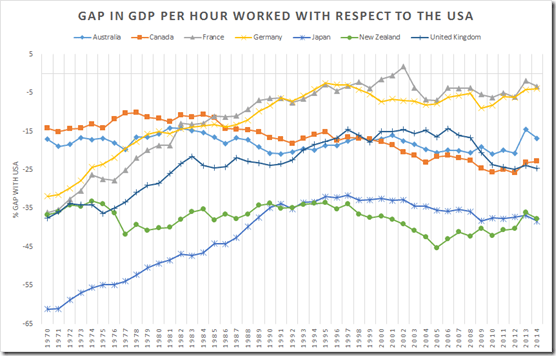
Data extracted on 28 May 2016 05:15 UTC (GMT) from OECD.Stat from OECD Compendium of Productivity Indicators 2016 – en – OECD.
Australia has not been catching up with the USA much at all since 1970. It has maintained a pretty consistent gap with New Zealand despite all the talk of a resource boom in the Australia; you cannot spot it in this date are here.
Germany and France caught up pretty much with the USA by 1990. Oddly, Eurosclerosis applied from then on terms of growth in income per capita.
European labour productivity data is hard to assess because their high taxes lead to a smaller services sector where the services can be do-it-yourself. This pumps up European labour productivity because of smaller sectors with low productivity growth.
Bill Allen on the profitability of discrimination against women
26 May 2016 Leave a comment
in applied price theory, discrimination, entrepreneurship, gender, labour economics Tags: employer discrimination, gender wage gap
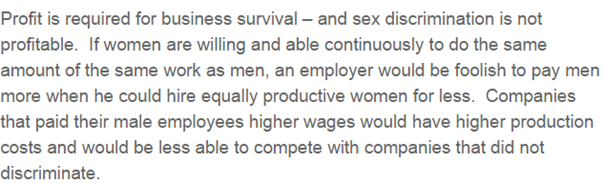
Source: Bonus Quotation of the Day… – Cafe Hayek from William Allen, The Midnight Economist.


Recent Comments