Compensating differentials
25 Sep 2026 Leave a comment
in Adam Smith, applied price theory, health and safety, history of economic thought, human capital, labour economics, labour supply, occupational choice, poverty and inequality
The Externalities of Airports and Immigrants
24 Sep 2026 Leave a comment
in applied price theory, econometerics, human capital, labour economics, labour supply, transport economics, urban economics Tags: economics of immigration

Are the externalities of airports positive or negative? If you base your answer on NIMBY complaining, the answer is obviously negative. Above all, there’s the noise. The deafening sounds of take-off and landing bedevil everyone who spends time near the airport. On top of that, there’s daily traffic. Not every airport is LAX (in fact,…
The Externalities of Airports and Immigrants
Prescott and Kydland on business cycles
24 Sep 2026 Leave a comment
in business cycles, econometerics, economic history, Edward Prescott, history of economic thought, labour economics, labour supply, macroeconomics, monetary economics, unemployment


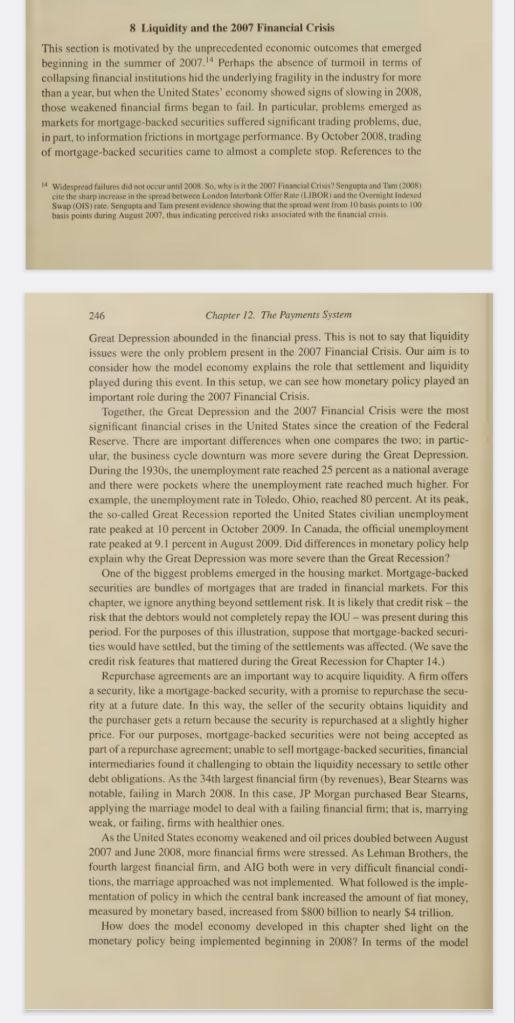
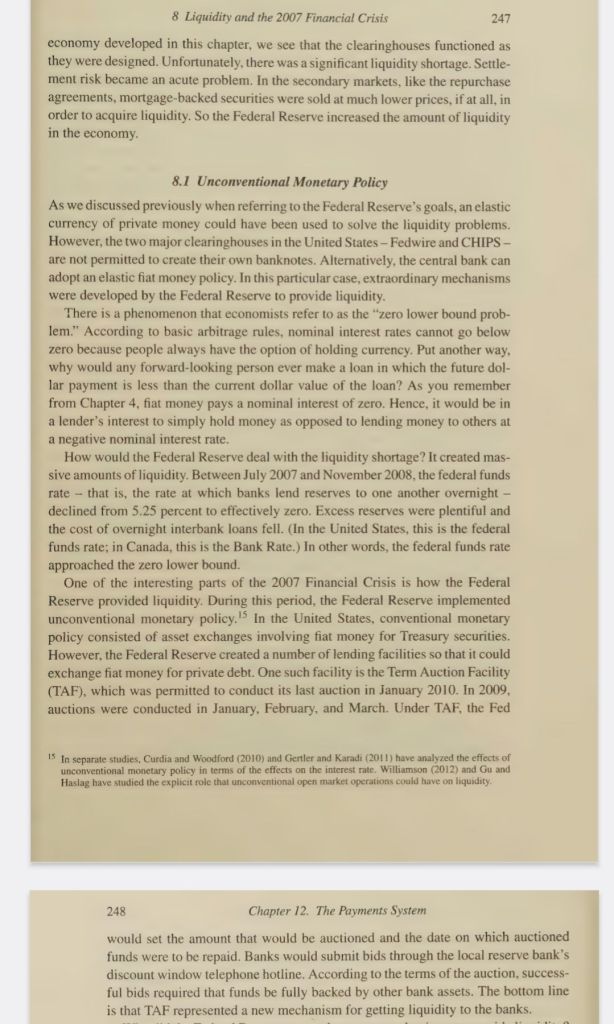
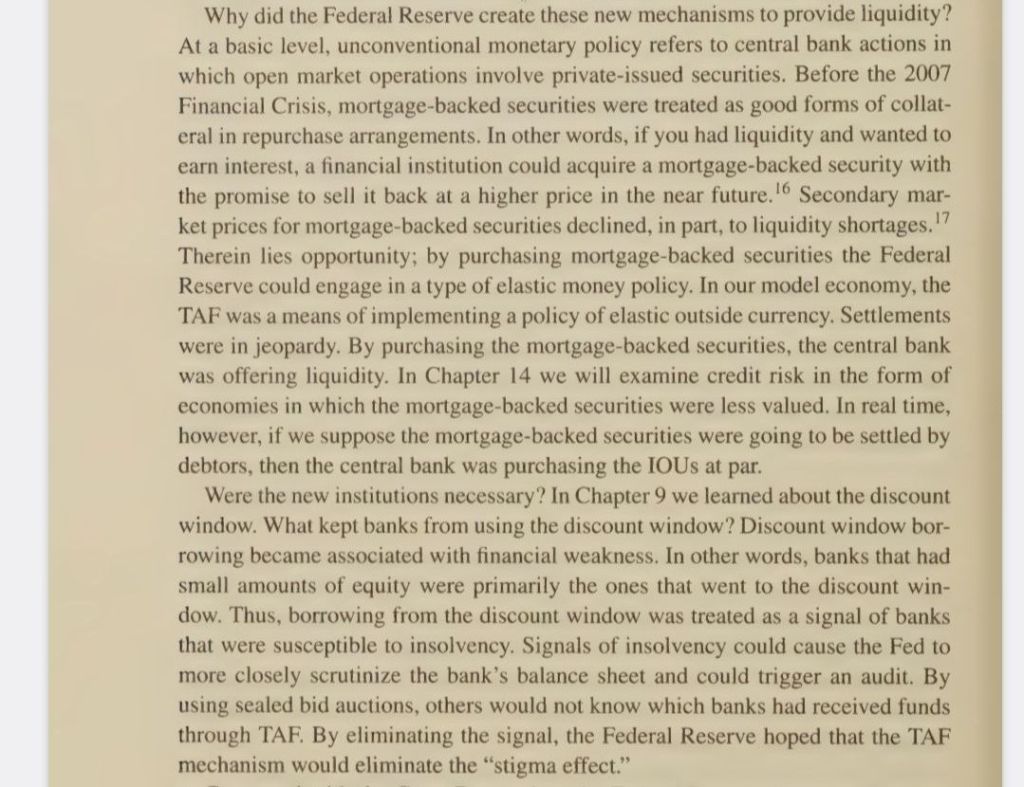
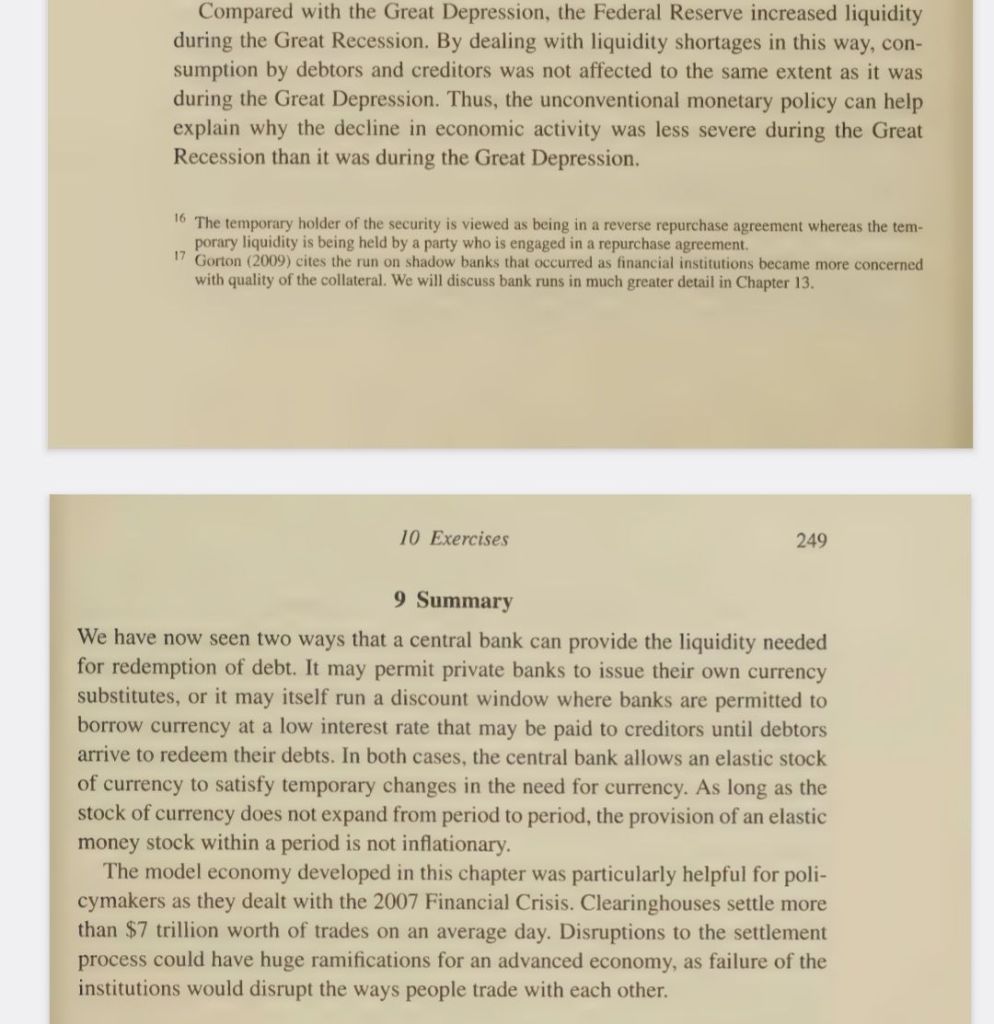
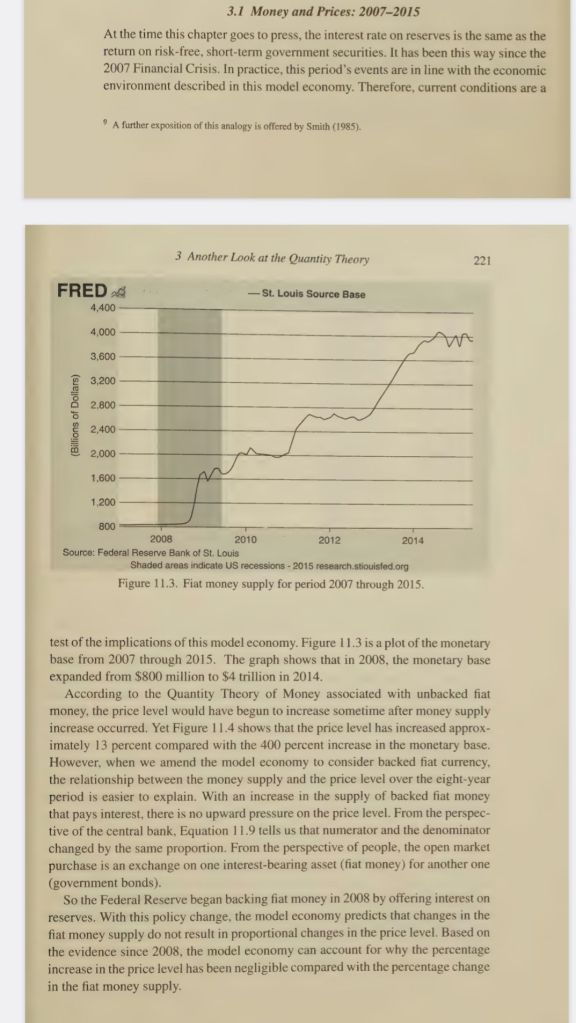
Scott Freeman’s textbook on the GFC
22 Sep 2026 Leave a comment
in applied price theory, budget deficits, business cycles, economic history, fiscal policy, global financial crisis (GFC), great depression, great recession, history of economic thought, labour economics, macroeconomics, monetarism, monetary economics, unemployment Tags: monetary policy
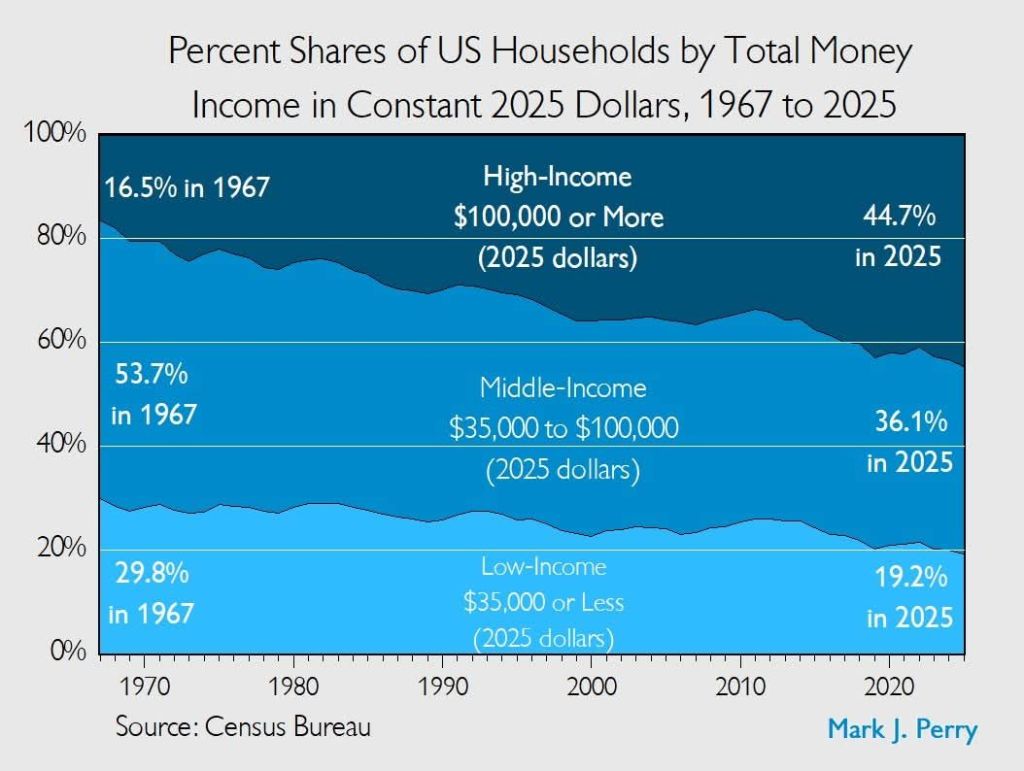
The Great Enrichment continues
17 Sep 2026 Leave a comment
in economic history, labour economics, politics - USA, poverty and inequality
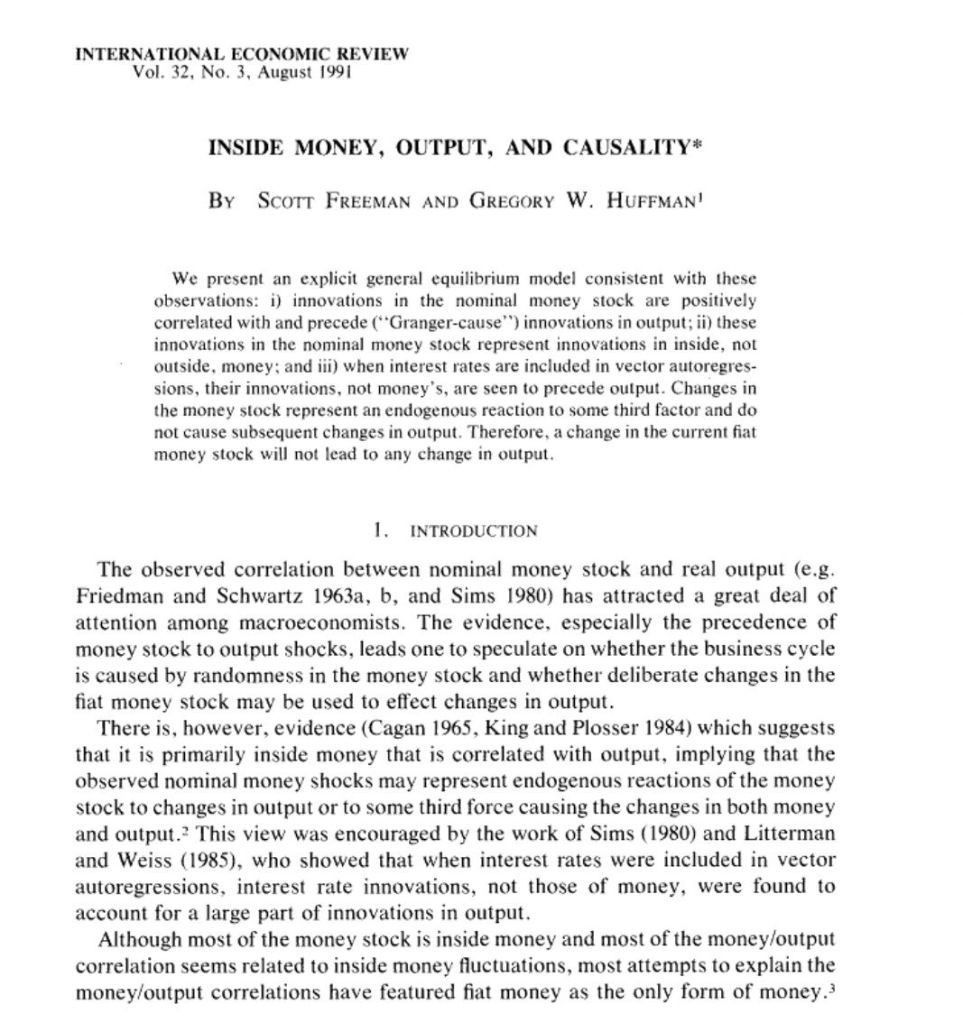
Scott Freeman on monetarism
16 Sep 2026 Leave a comment
in business cycles, econometerics, economic history, history of economic thought, labour economics, macroeconomics, Milton Friedman, monetarism, monetary economics, unemployment Tags: quantity theory of money
Post article overlooks REINZ chief’s thought about the REA’s treatment of Janet Dickson and the role of Maori culture
15 Sep 2026 Leave a comment
in discrimination, economics of regulation, human capital, labour economics, labour supply, occupational choice, occupational regulation, politics - USA Tags: racial discrimination
Bob Edlin writes – After a year in the job as chief executive of the Real Estate Institute of New Zealand, Lizzy Fyley discussed a range of industry issues with The Post. One matter that was not addressed was the governance role of the Real Estate Authority in the light of its cancellation of Auckland […]
Post article overlooks REINZ chief’s thought about the REA’s treatment of Janet Dickson and the role of Maori culture
The gender wage gap is fading away
13 Sep 2026 Leave a comment
in applied price theory, discrimination, economic history, economics of education, gender, human capital, labour economics, labour supply, occupational choice, politics - New Zealand, poverty and inequality Tags: feminism, gender, gender wage gap, history, politics, sex discrimination, women
The gender wage gap has dropped by two-thirds in the last 30 years. It has halved since the first pay equity claim was filed 14 years ago. The gender wage gap is now barely 5.5% in June 2026 according to the recently released Statistics New Zealand data. It is a stretch to file pay equity claims asking for 30% more when the gender wage gap struggles to stay above 5%.
The gender wage gap data released by Statistics New Zealand recently is the raw data. There are no adjustments to that pay gap for differences in educational backgrounds, continuity of employment and dedication to demanding careers, unsocial hours, risk of injury, and the greater desire of women for work-life balance and jobs with more working from home options.
It is not mischievous to say that the gender wage gap may round down to zero once these factors are considered.
From time-to-time, detailed datasets become available on male and female workers that show that the gender wage gap goes down or close to zero. There are even detailed datasets where hiring and job assignments are made without any management intervention or possible bias.
There is a large gender wage gap driven by work-life balance under a bus and train drivers’ collective agreement in Massachusetts. The work-force was one-third female with hiring via a lottery among applicants with a clean record. Shifts are chosen by drivers strictly according to their seniority at each depot.
There was still a 11% gender wage gap because women drivers elected to work less overtime, they avoided overtime shifts on short notice, and they worked fewer shifts at nights and weekends. This gender wage gap among bus and train drivers cannot be the fault of their sexist employer because work was allocated by an exceptionally detailed union contract.
A 7% gender wage gap emerged even when a computer algorithm is allocating the work first come, first served.
A study of Uber drivers found a gender pay gap of zero once account is taken for male Uber drivers driving more at nights, weekends and in the more dodgy neighbourhoods with drinking establishments. Male Uber drivers also worked more hours per year which meant they had much more work experience than female Uber drivers. These additional hours meant men became more skilled in deciding when and where to best cruise for the best paying jobs. The fact that men drive faster explained the last two percentage points of the gender pay gap at Uber. Speed meant men were available for the next Uber job quicker.
The gender wage gap is just into the double digits for the top 10% of female earners in New Zealand in 2025 (see OECD graphic). This is because their chosen careers are often not family friendly. But even at the top end of town the gender pay gap has halved in the last 20 years.
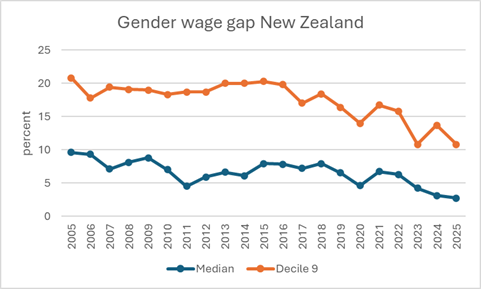
OECD data explorer
Women’s willingness to trade work-life balance for lower wages and fewer promotions is a big driver of the gender wage gap and the channelling of women into family friendly occupations. The wages of men and women at all levels are similar in the years leading up to motherhood then everything changes.
Top American labour economist Claudia Goldin found that some careers severely penalise any time off such as for motherhood or working less than punishingly long or rigid hours. Goldin refers to these jobs as greedy jobs. Women’s preference for family friendly occupations that can pay less and a tendency to avoid greedy jobs will mean that the gender wage gap may always be with us at least at the big end of town.
Scott Freeman on the Phillips Curve
13 Sep 2026 Leave a comment
in applied price theory, business cycles, economics of information, history of economic thought, labour economics, labour supply, macroeconomics, Milton Friedman, monetarism, monetary economics, Robert E. Lucas, unemployment


They’re anti-immigration, not Nazis
10 Sep 2026 Leave a comment
in income redistribution, labour economics, labour supply, politics, Public Choice Tags: Germany
A lot of media reporting on the election result in Saxony-Arnholt. It has two million people and is in former East Germany. Their Parliament is called a Landtag and they just went to the polls. The results so far are: So a huge swing from CDU to AFD. You need 42 seats to govern. The…
They’re anti-immigration, not Nazis
Did the Sewing Machine Reduce the Workload for Women?
10 Sep 2026 1 Comment
in discrimination, economic growth, economic history, economics of education, gender, history of economic thought, human capital, industrial organisation, labour economics, labour supply, macroeconomics, occupational choice, poverty and inequality, technological progress Tags: creative destruction, The Great Enrichment
Is new technology that replaces a worker a good thing? We have a tendency, it seems to me, to believe that most previous inventions turned out to have overall net social benefits, but to be worried that all future inventions will instead have overall net social costs. Philipp Ager and Davide Coluccia tackle the question of…
Did the Sewing Machine Reduce the Workload for Women?
Potential deregulations
08 Sep 2026 Leave a comment
in economics of regulation, labour economics, labour supply, politics - New Zealand, politics - USA Tags: economics of immigration
Cato’s Handbook on Affordability provides a set of policy recommendations for reducing unnecessary government-imposed costs. There’s the usual stuff you’d expect, much of which is US-focused.But a few bits are worth thinking about here too.In the chapter on healthcare, Cato suggests automatic removal of prescription-only requirements from medicines. They write:Eliminate prescription regulation. The FDA makes medicines…
Potential deregulations
Populist political party folly
08 Sep 2026 Leave a comment
in Economics of international refugee law, International law, labour economics, labour supply, law and economics, politics - Australia, politics - New Zealand Tags: British politics, France, Germany
I wonder whether the massive support for the (AFD) Alternatives for Germany party in the Saxony state election, along with the sight of hundreds of Brits trying to stop illegal migrants arriving by boat from France, while Pauline Hanson’s One Nation, out rates all the other parties, will finally get western elites to face the […]
Populist political party folly
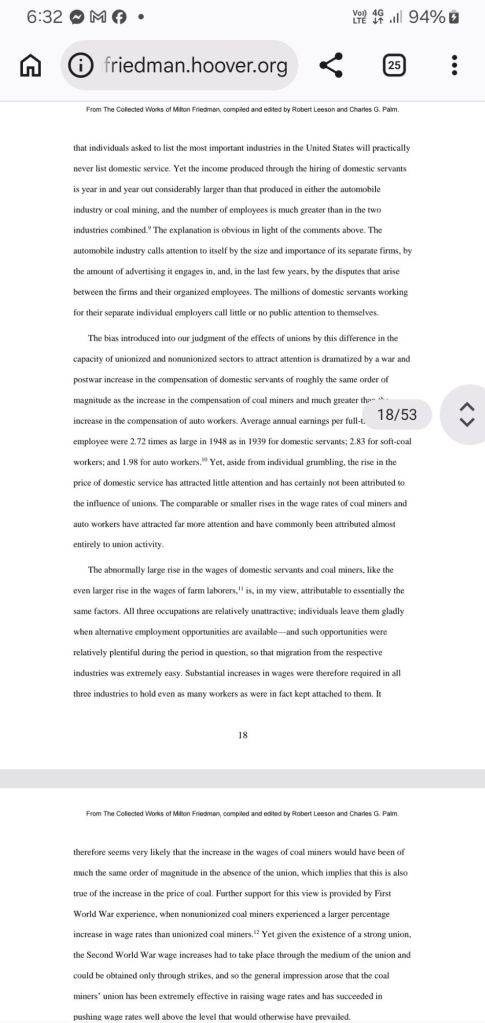
Some Comments on the Significance of Labor Unions for Economic Policy – Items – Collected Works of Milton Friedman
08 Sep 2026 Leave a comment
in applied price theory, economic history, history of economic thought, industrial organisation, labour supply, Milton Friedman, survivor principle, unions
How Much Redistribution Will AI Require?
07 Sep 2026 Leave a comment
in applied price theory, entrepreneurship, industrial organisation, labour economics, labour supply, poverty and inequality, unemployment Tags: creative destruction
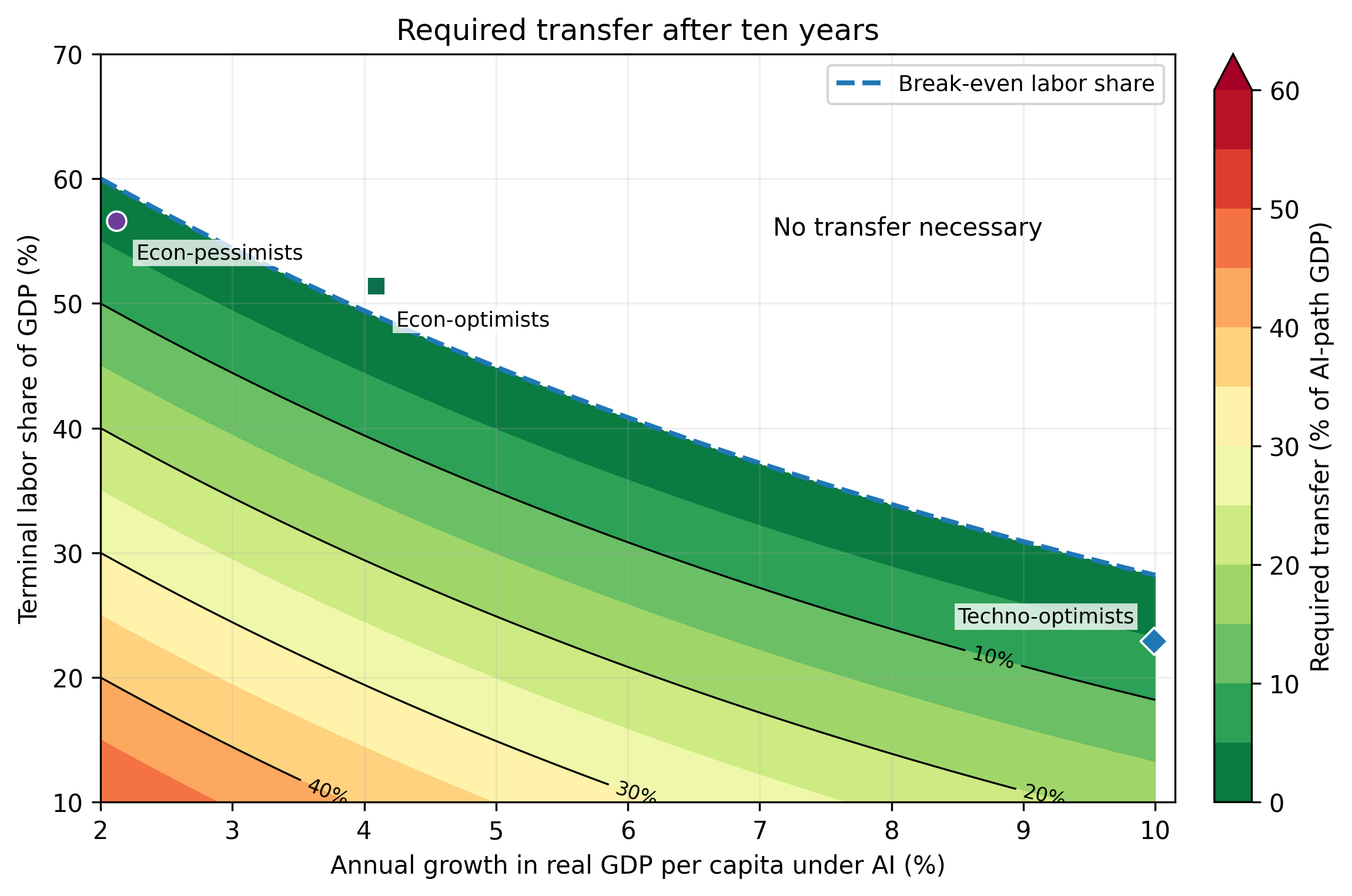
How much redistribution will AI require? A common scenario is that AI raises output enormously, but labor’s share of income collapses. GDP per capita goes up but workers get poorer, and making workers whole requires massive redistribution. In my latest paper, I run the numbers and conclude that this is probably incorrect. The idea is…
How Much Redistribution Will AI Require?


Recent Comments