Celebrating humanity's flourishing through the spread of capitalism and the rule of law
04 Oct 2026 Leave a comment
in budget deficits, business cycles, economic history, fiscal policy, history of economic thought, labour economics, labour supply, macroeconomics, monetarism, monetary economics, unemployment Tags: monetary policy
03 Oct 2026 Leave a comment
in discrimination, economics of regulation, gender, human capital, labour economics, labour supply, law and economics, poverty and inequality, property rights Tags: employment law
Bob Edlin writes – PoO noted a Newsroom report headed Major export and construction firms warn against legal definition of women. The report draws attention to objections raised to the Legislation (Definitions of Woman and Man) Amendment Bill, which aims to amend the Legislation Act to define “woman” as “an adult human biological female” and […]
Rainbow requirements and Treaty obligations: the HR issues that impede productivity but enhance diversity
02 Oct 2026 Leave a comment
in economic growth, economic history, entrepreneurship, financial economics, history of economic thought, human capital, labour economics, labour supply, macroeconomics, poverty and inequality Tags: The Great Enrichment, top 1%

I have a series of columns (2021, 2024, 2025, and 2026). documenting that Americans are getting richer. And here’s a chart that adds additional evidence. More and more households over time are high income (over $100k) and fewer and fewer are low income (under $35k). And, yes, these numbers are adjusted for inflation. The chart was […]
America’s Affordability Problem Is Government
02 Oct 2026 Leave a comment
in budget deficits, business cycles, economic history, fiscal policy, history of economic thought, labour economics, labour supply, macroeconomics, monetarism, monetary economics, unemployment Tags: hyperinflation, monetary policy
01 Oct 2026 Leave a comment
in business cycles, history of economic thought, job search and matching, labour economics, labour supply, macroeconomics, unemployment
30 Sep 2026 Leave a comment
in applied price theory, economic history, history of economic thought, labour economics, unions Tags: union power
30 Sep 2026 Leave a comment
in applied price theory, business cycles, economic growth, economic history, entrepreneurship, history of economic thought, labour economics, labour supply, macroeconomics, monetary economics, unemployment Tags: real business cycle theory
30 Sep 2026 Leave a comment
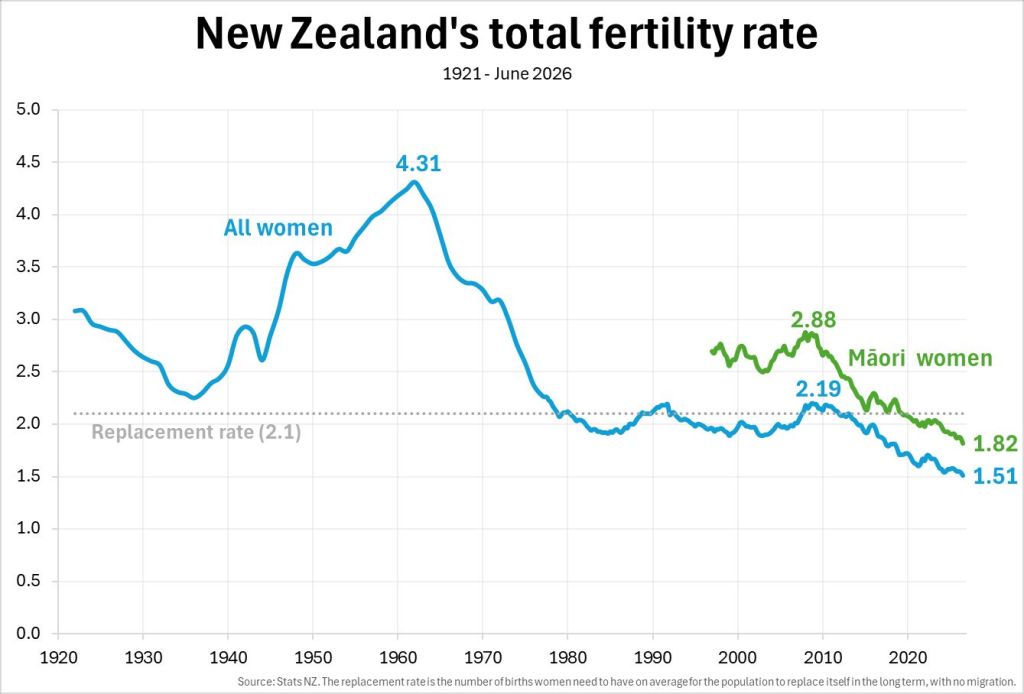
in economics of love and marriage, labour economics, labour supply, politics - New Zealand, population economics Tags: baby bust, economics of fertility
29 Sep 2026 Leave a comment
in applied price theory, economic growth, economic history, entrepreneurship, financial economics, fiscal policy, history of economic thought, labour economics, labour supply, macroeconomics Tags: British politics, taxation and investment, taxation and labour supply

There are two reasons why I periodically write about the Laffer Curve. I want my left-leaning friends to understand to understand that higher tax rates on productive behavior will lead to less taxable income and some foregone tax revenue. I want my right-leaning friends to understand that tax cuts are only self-financing in rare cases […]
The U.K. Version of the Laffer Curve Strikes Again
29 Sep 2026 Leave a comment
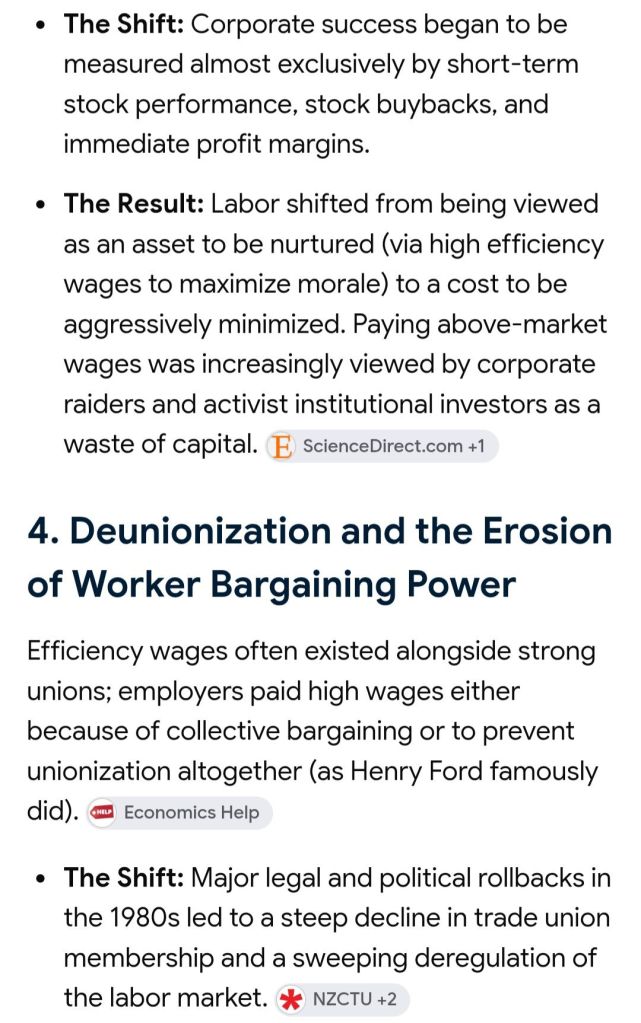
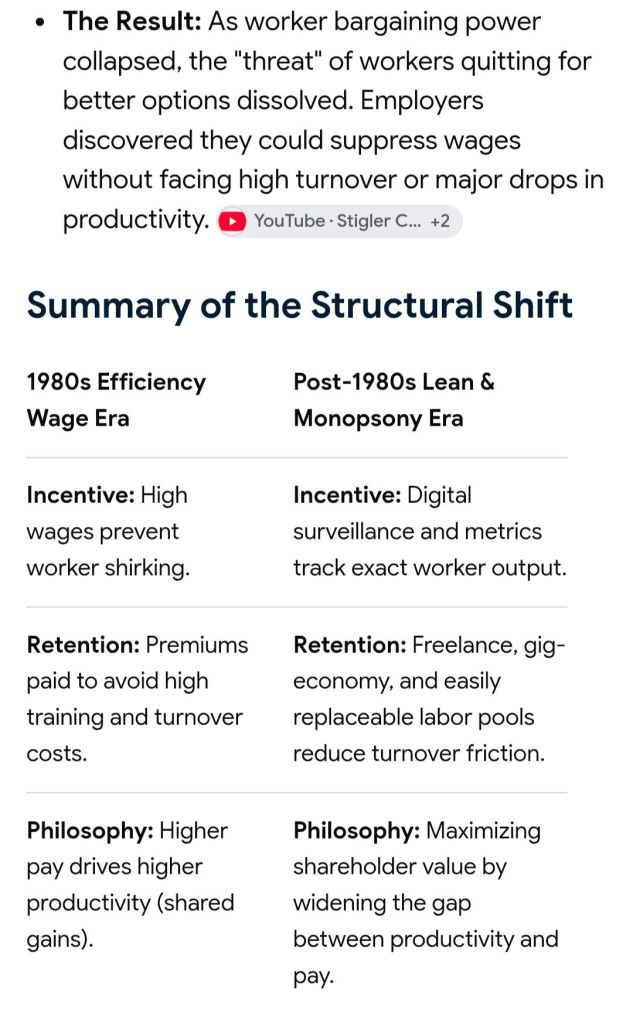
in applied price theory, economic history, history of economic thought, human capital, industrial organisation, international economics, labour economics, labour supply, occupational choice, poverty and inequality, survivor principle, unemployment Tags: efficiency wage
28 Sep 2026 Leave a comment
in discrimination, economics of crime, economics of religion, gender, law and economics Tags: Iran
The judiciary system in Iran has confirmed 74 lashes for Parastoo Ahmadi for the “crime” of singing. She sang without compulsory hijab. She hurt no one. She simply used her voice. Now she faces 74 lashes, a two-year travel ban, and a two-year ban from audiovisual activities.… pic.twitter.com/3re8kboPIR — Masih Alinejad (@AlinejadMasih) September 26, 2026
Woman of the day
27 Sep 2026 Leave a comment
in applied price theory, development economics, econometerics, economic history, human capital, labour economics, labour supply, population economics
From Jesus Fernandez-Villaverde and Patrick Norrick: As of 2026, humanity is likely below replacement fertility. That has never happened before, not in wars or pandemics. But the real surprise is that the fall has been concentrated in low- and middle-income countries and among poorer and less educated women. We fit a single-factor model to 236…
The Economics of a Shrinking World
26 Sep 2026 Leave a comment
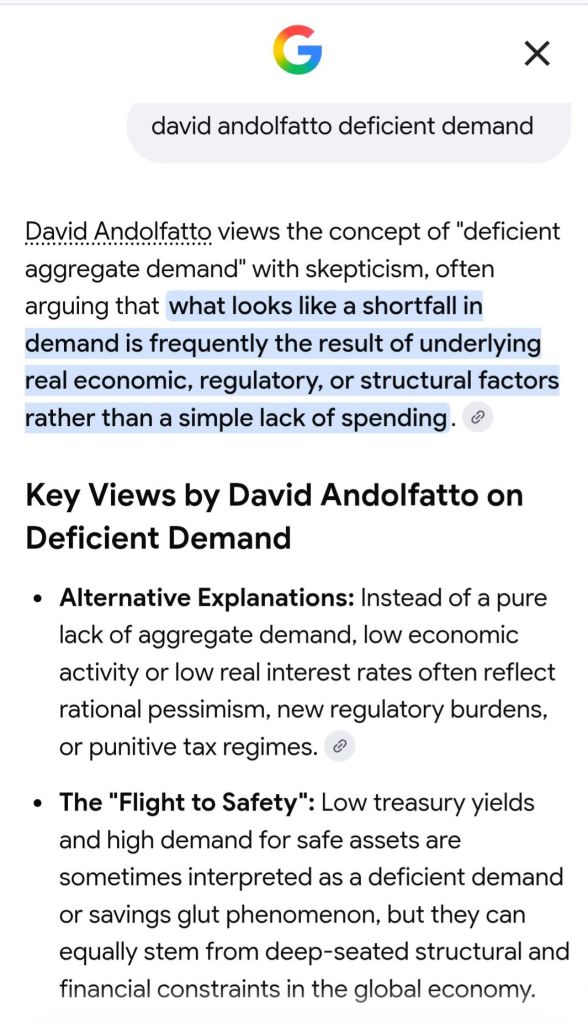
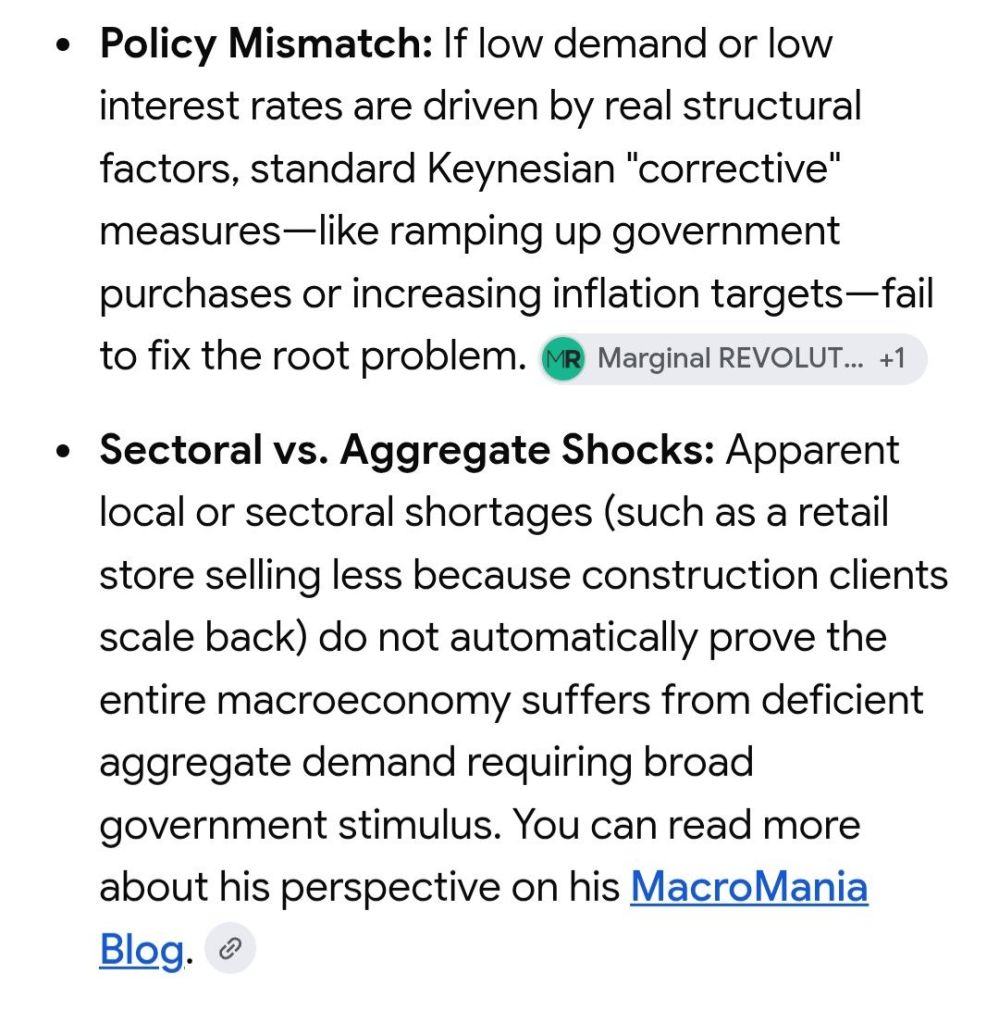
in budget deficits, business cycles, fiscal policy, history of economic thought, job search and matching, labour economics, labour supply, macroeconomics, monetary economics, unemployment Tags: monetary policy
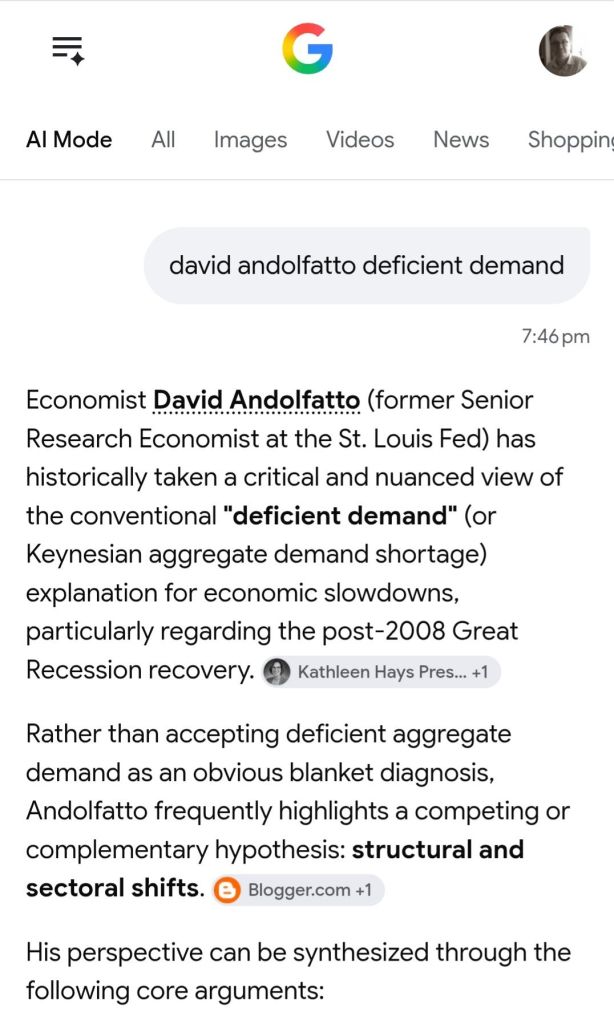
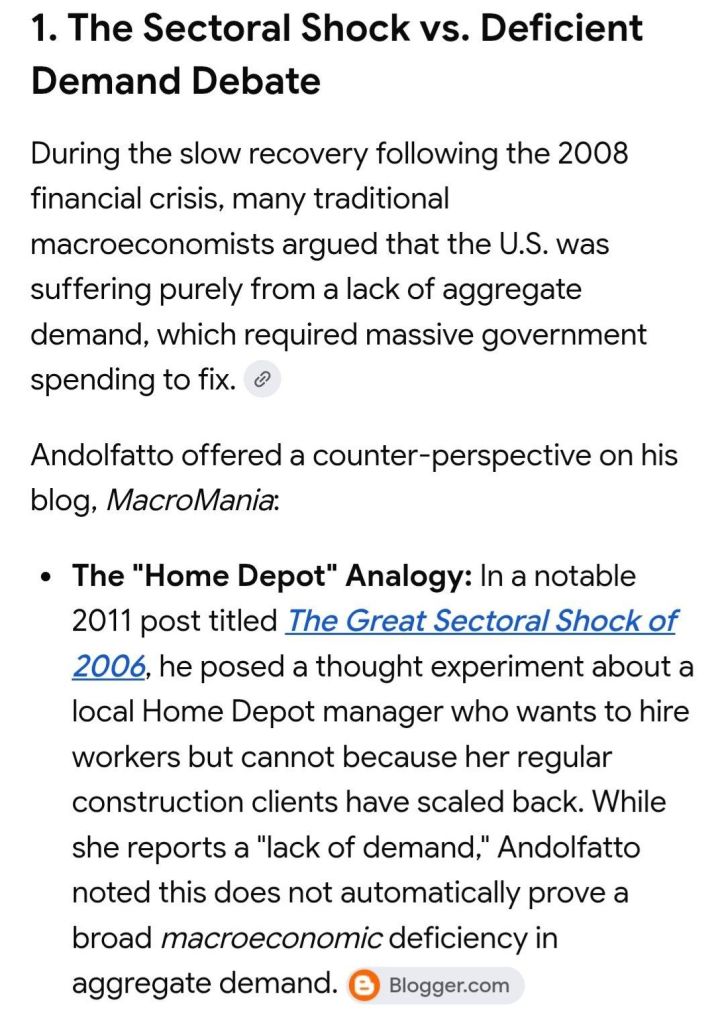
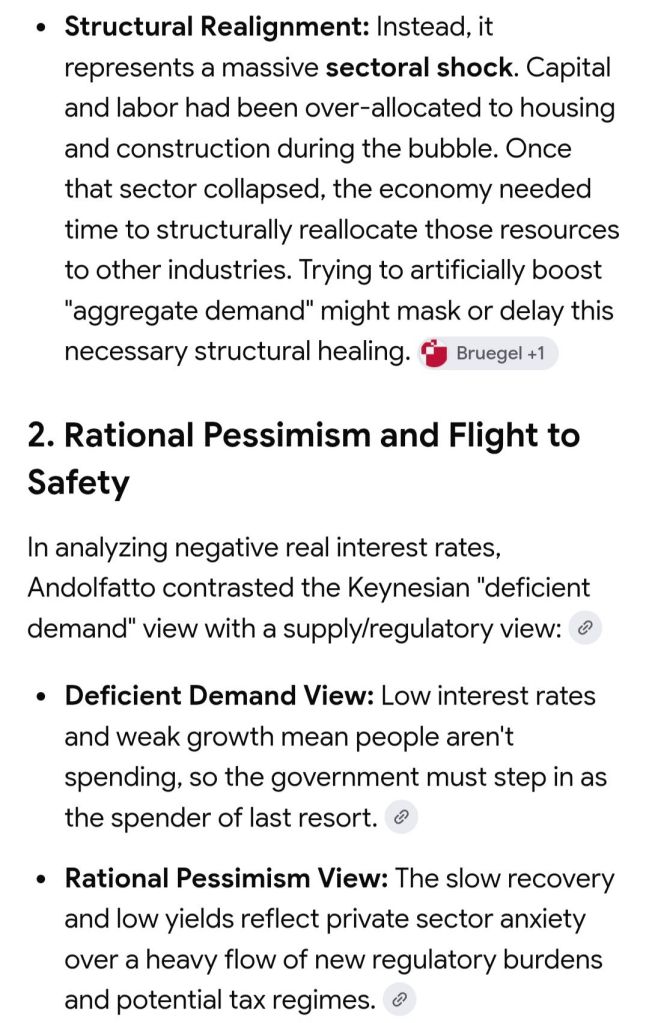
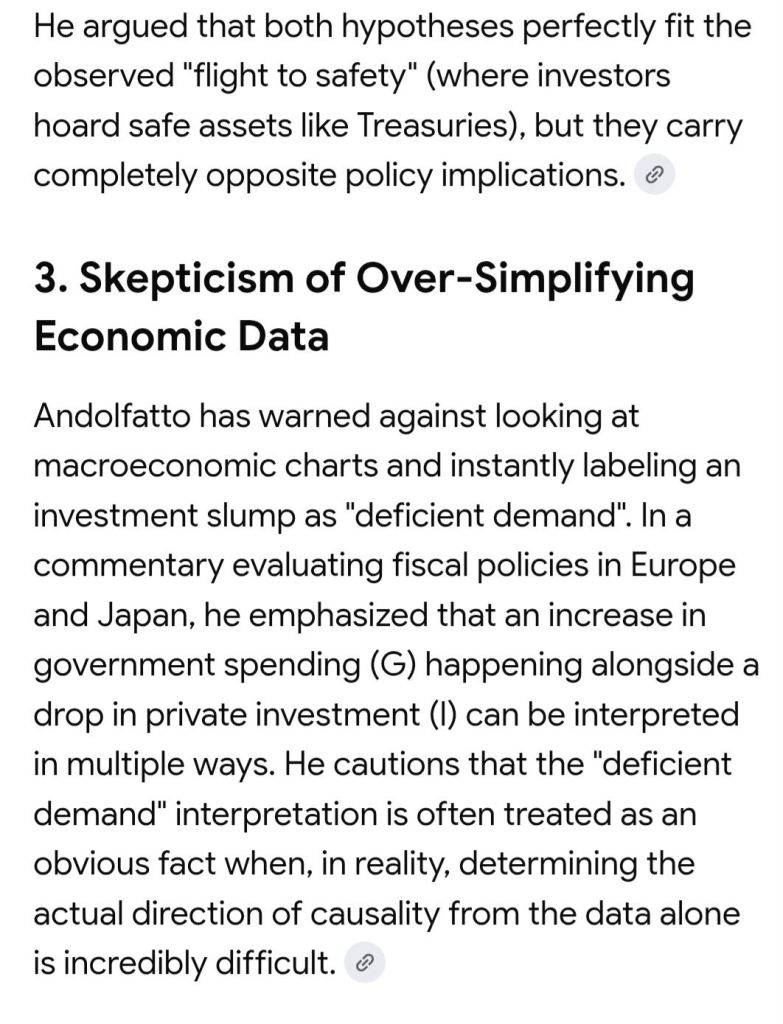
26 Sep 2026 Leave a comment
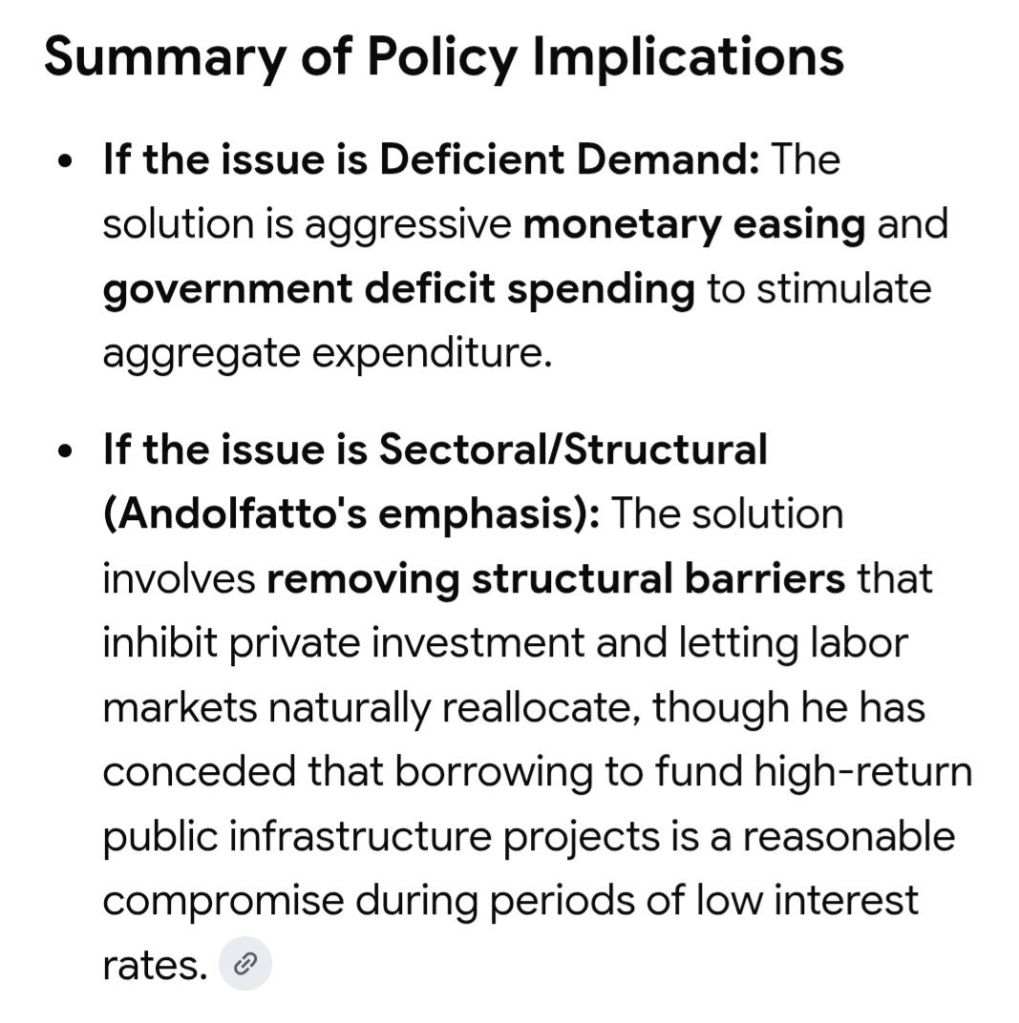
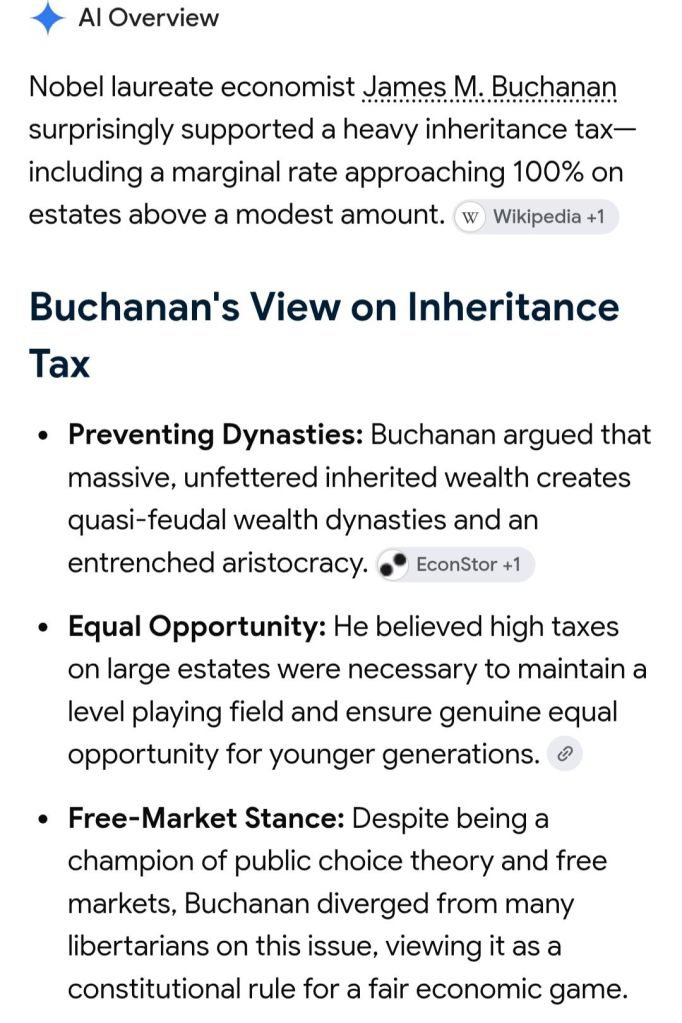
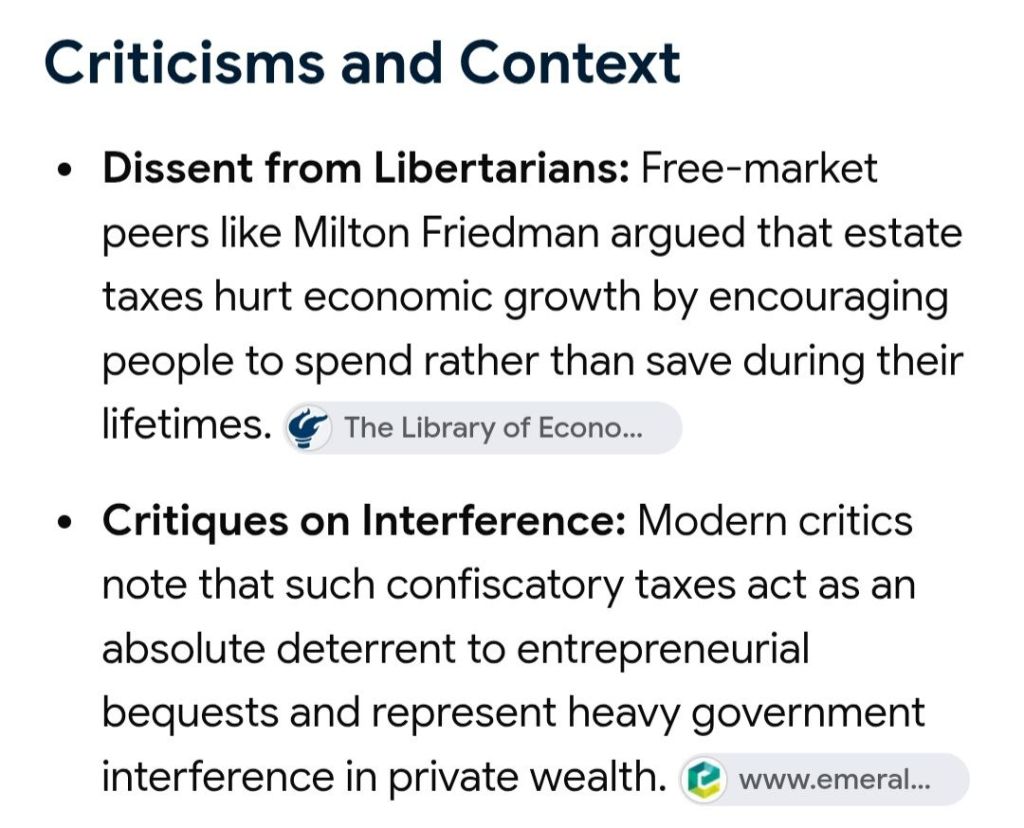
in applied price theory, entrepreneurship, history of economic thought, human capital, income redistribution, James Buchanan, James Buchanan, labour economics, labour supply, Milton Friedman, poverty and inequality, Public Choice, public economics Tags: inheritance tax, taxation and entrepreneurship, taxation and investment
Celebrating humanity's flourishing through the spread of capitalism and the rule of law
Celebrating humanity's flourishing through the spread of capitalism and the rule of law
Celebrating humanity's flourishing through the spread of capitalism and the rule of law
Celebrating humanity's flourishing through the spread of capitalism and the rule of law
Celebrating humanity's flourishing through the spread of capitalism and the rule of law
Celebrating humanity's flourishing through the spread of capitalism and the rule of law
Celebrating humanity's flourishing through the spread of capitalism and the rule of law
Celebrating humanity's flourishing through the spread of capitalism and the rule of law
Celebrating humanity's flourishing through the spread of capitalism and the rule of law
A History of the Alt-Right
Econ Prof at George Mason University, Economic Historian, Québécois
Celebrating humanity's flourishing through the spread of capitalism and the rule of law
Scholarly commentary on law, economics, and more
Beatrice Cherrier's blog
Celebrating humanity's flourishing through the spread of capitalism and the rule of law
Celebrating humanity's flourishing through the spread of capitalism and the rule of law
Celebrating humanity's flourishing through the spread of capitalism and the rule of law
Why Evolution is True is a blog written by Jerry Coyne, centered on evolution and biology but also dealing with diverse topics like politics, culture, and cats.
Celebrating humanity's flourishing through the spread of capitalism and the rule of law
A rural perspective with a blue tint by Ele Ludemann
DPF's Kiwiblog - Fomenting Happy Mischief since 2003
Celebrating humanity's flourishing through the spread of capitalism and the rule of law
The world's most viewed site on global warming and climate change
Tim Harding's writings on rationality, informal logic and skepticism
A window into Doc Freiberger's library
Let's examine hard decisions!
Commentary on monetary policy in the spirit of R. G. Hawtrey
Thoughts on public policy and the media
Celebrating humanity's flourishing through the spread of capitalism and the rule of law
Politics and the economy
A blog (primarily) on Canadian and Commonwealth political history and institutions
Reading between the lines, and underneath the hype.
Economics, and such stuff as dreams are made on
"The British constitution has always been puzzling, and always will be." --Queen Elizabeth II
Celebrating humanity's flourishing through the spread of capitalism and the rule of law
Celebrating humanity's flourishing through the spread of capitalism and the rule of law
WORLD WAR II, MUSIC, HISTORY, HOLOCAUST
Undisciplined scholar, recovering academic
Celebrating humanity's flourishing through the spread of capitalism and the rule of law
Res ipsa loquitur - The thing itself speaks
In Hume’s spirit, I will attempt to serve as an ambassador from my world of economics, and help in “finding topics of conversation fit for the entertainment of rational creatures.”
Researching the House of Commons, 1832-1868
Reflections on books and art
Posts on the History of Law, Crime, and Justice
Celebrating humanity's flourishing through the spread of capitalism and the rule of law
Exploring the Monarchs of Europe


Recent Comments