Twenty-five years ago Tyler told me he thought Robert Hall should win the Nobel. He has been a contender for so long today’s award was a surprise! Hall has an unusual number of unexpectedly creative papers. His best known is on consumption. Start with the textbook Keynesian model: Y = C + I + G…
The Nobel Prize Goes to Robert Hall and Michael Woodford
The Nobel Prize Goes to Robert Hall and Michael Woodford
13 Oct 2026 Leave a comment
in business cycles, history of economic thought, labour economics, macroeconomics, monetarism, monetary economics, unemployment
Robert E. Hall, Nobel Laureate
13 Oct 2026 1 Comment
in business cycles, economic growth, fiscal policy, history of economic thought, labour economics, macroeconomics, monetarism, monetary economics, unemployment
Alex has already covered this, I will add a few remarks. First, every Bob Hall paper is interesting! Only a handful of economists can say the same. Every paper has an idea, and some sort of novel contribution. His lesser-known papers can be as thought-provoking as the more famous ones. Here is Bob on scholar.google.com. …
Robert E. Hall, Nobel Laureate
Immigration Policy and the Two Types of Errors
12 Oct 2026 Leave a comment
in human capital, labour economics, labour supply, law and economics, politics - USA Tags: economics of immigration

When screening applicants, there are two ways to make a mistake. A Type I error occurs when someone who should be rejected is admitted. A Type II error occurs when someone who should be admitted is rejected. Immigration policy faces this tradeoff. Tightening screening and admission requirements may reduce the first type of error, but…
Immigration Policy and the Two Types of Errors
Pay parity
12 Oct 2026 Leave a comment
in discrimination, economics of regulation, gender, human capital, labour economics, labour supply, liberalism, Marxist economics, politics - New Zealand, poverty and inequality Tags: gender wage gap
Bruce Logan writes – On many issues, it’s hard to discern where Labour and National differ. However, one issue highlights a real difference: the demand for pay equity. Labour supports it; see the Equal Pay Act Amendment 2020. National, at least for now, opposes it; see the Equal Pay Amendment Act 2025. But first, to […]
Pay parity
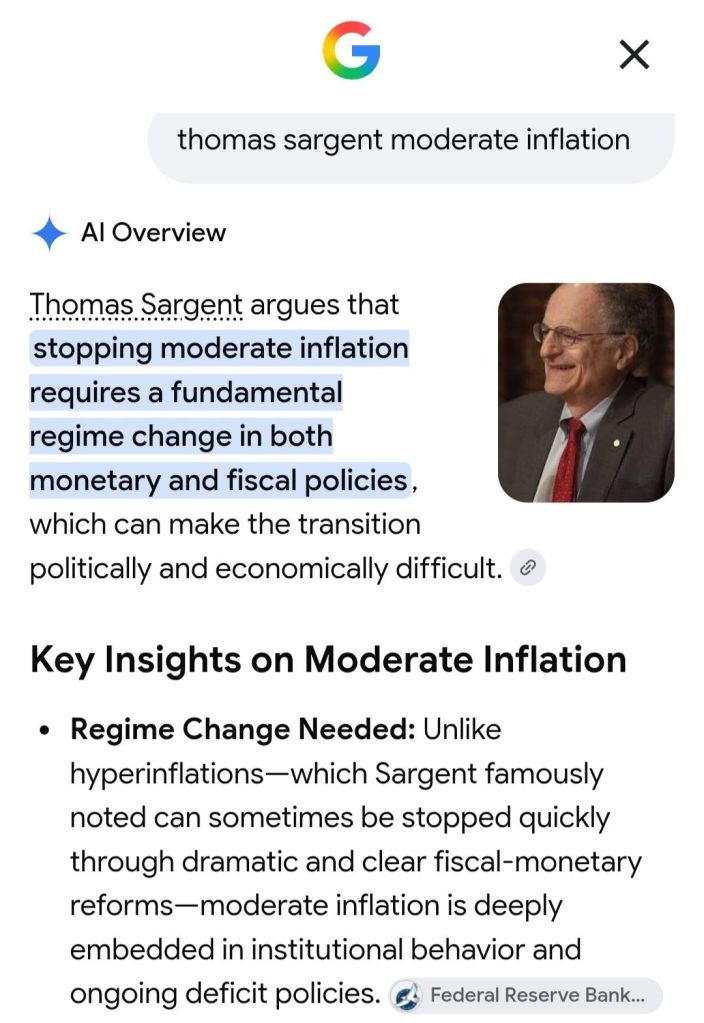
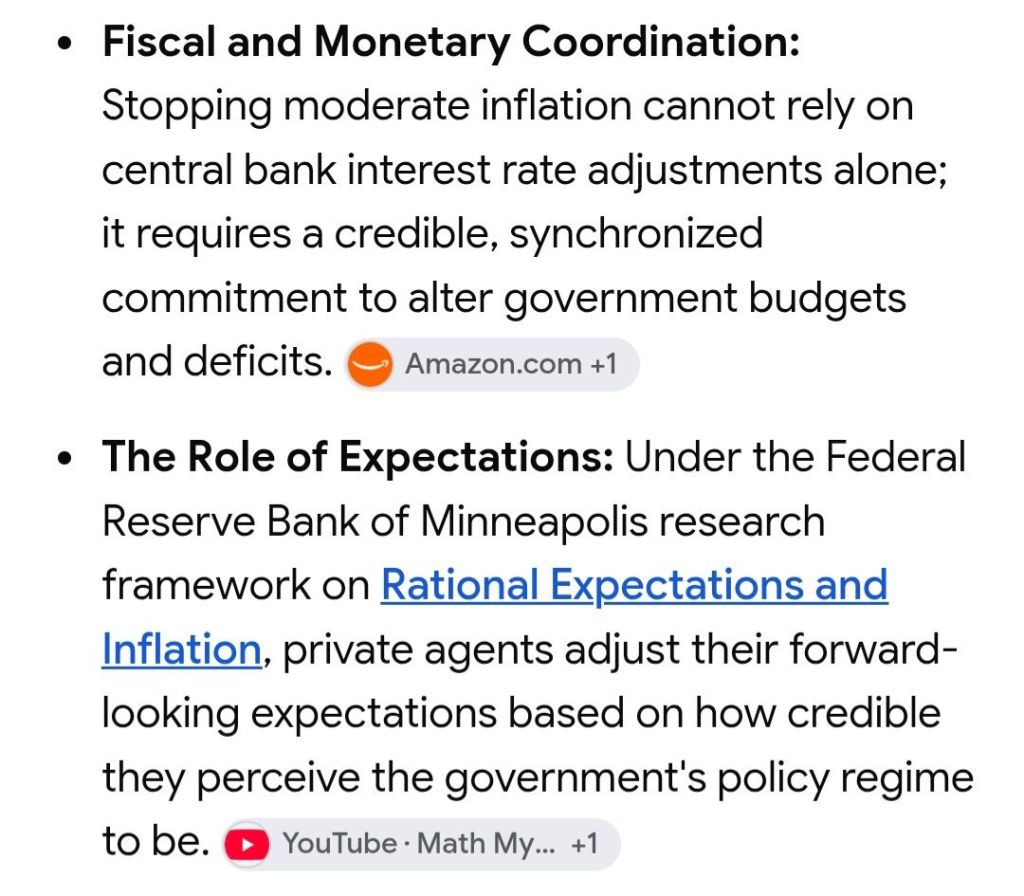
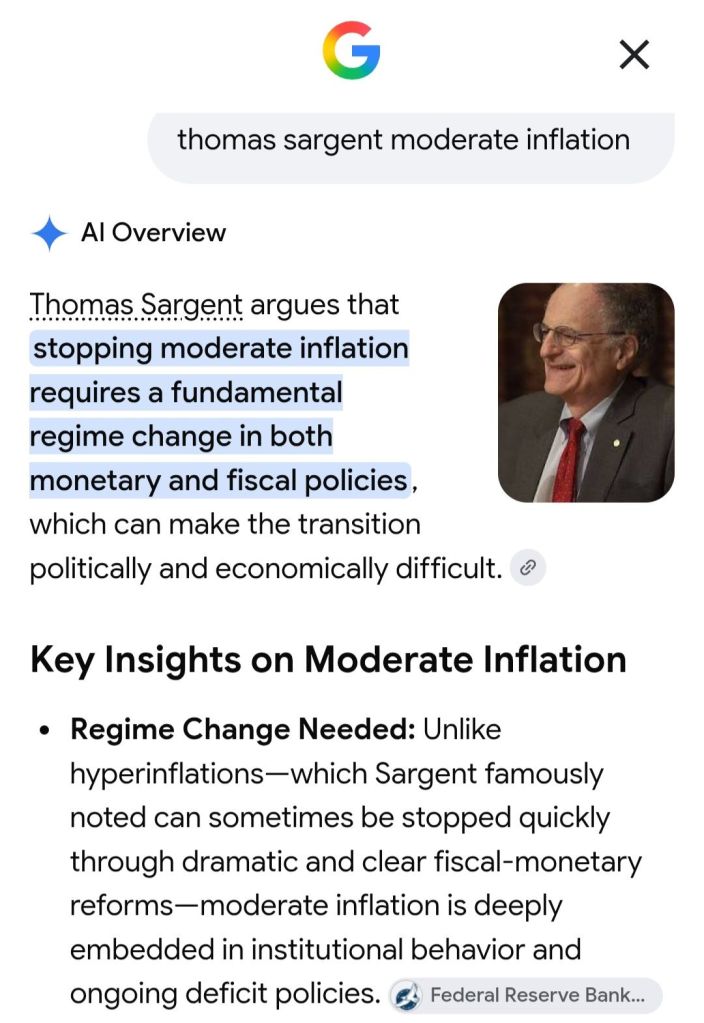
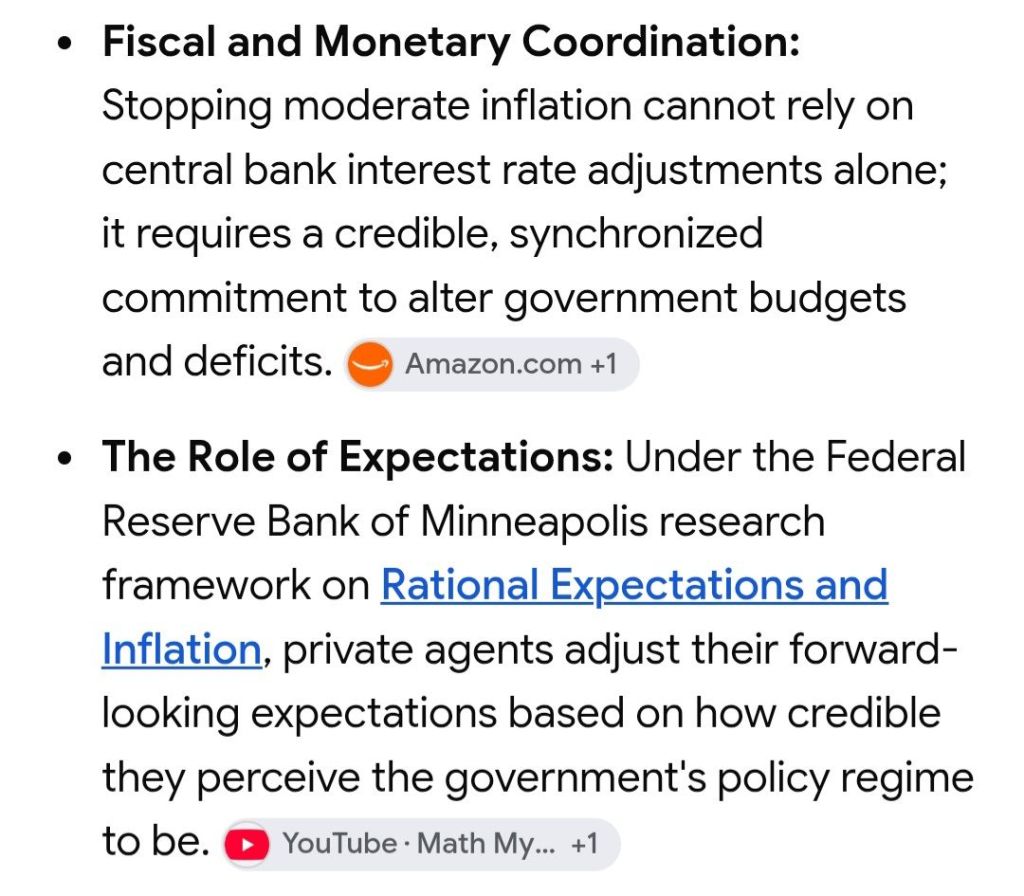
Sargent on moderate inflations
11 Oct 2026 Leave a comment
in labour economics, macroeconomics, history of economic thought, monetarism, inflation targeting, economic history, fiscal policy, budget deficits, business cycles, unemployment, monetary economics Tags: monetary policy
Another, very significant, example of why Māori privilege is a myth.
10 Oct 2026 Leave a comment
in discrimination, gender, health economics, law and economics, politics - USA Tags: economics of mental illness
My ears pricked up a week back when ZB reported on recently released 2025/2026 suicide stats. Like many NZers, people taking their own lives has had an impact on me. My birth father took his own life when I was sixteen and close to meeting him for the first time. I have also been in…
Another, very significant, example of why Māori privilege is a myth.
The U.S. Poverty Rate Fell To 10.2%, The Lowest On Record; Median Income Also Reaches All-Time High While Inequality Unchanged
10 Oct 2026 Leave a comment
in politics - USA, labour economics, poverty and inequality Tags: child poverty, family poverty
Every year around this time the U.S. Census Bureau releases its report on incomes and poverty for the previous year. The first year we have an official poverty rate for is 1959.See Income, Poverty and Health Insurance Coverage in the United States: 2025. This is the press release from the U.S. Census Bureau. Excerpts:”The U.S. Census…
The U.S. Poverty Rate Fell To 10.2%, The Lowest On Record; Median Income Also Reaches All-Time High While Inequality Unchanged
Selfish Reasons to Have More Kids: 15th-Anniversary Edition
08 Oct 2026 Leave a comment
in economics of education, human capital, labour economics, poverty and inequality Tags: behavioral genetics
Greetings from Yellowstone!Selfish Reasons to Have More Kids is the only book I ever wrote that definitely improved the world a lot. A lower-bound estimate is that several hundred extra babies were born as a result — a social value of over a billion dollars. Now a new edition of the book, shipping November 17,…
Selfish Reasons to Have More Kids: 15th-Anniversary Edition
Marianne Bertrand, laureate of the Jean-Jacques Laffont Prize 2019
08 Oct 2026 Leave a comment
in applied price theory, discrimination, econometerics, economic history, economics of education, gender, human capital, labour economics, labour supply, occupational choice, poverty and inequality Tags: gender wage gap
Welfare missing from 2026 election
07 Oct 2026 Leave a comment
in labour economics, labour supply, liberalism, Marxist economics, politics - New Zealand, poverty and inequality, welfare reform Tags: 2026 general election
Lindsay Mitchell writes – Welfare is markedly missing from 2026 election campaign issues.There’s been far more debate about Super: its cost, means-testing and the age of eligibility. New Zealand is an outlier. Australia, the UK and the US have a qualifying age of 67. Whether NZ joins must be decided. Super isn’t sustainable. But what […]
Welfare missing from 2026 election
Labour is reneging on its pay equity promise
07 Oct 2026 Leave a comment
in discrimination, gender, labour economics, labour supply, politics - New Zealand, poverty and inequality, Public Choice, rentseeking, unions Tags: 2026 general election, gender wage gap
Bryce Edwards writes – Chris Hipkins has described the coalition’s decision to cancel pay equity claims under urgency as “probably the most reprehensible thing I have seen in my time as a member of Parliament”. He accused ministers of “robbing Paula to pay Paul” and of “sacrificing equal pay for women in order to balance […]
Labour is reneging on its pay equity promise
The beauty premium doesn’t seem to extend to billionaires
06 Oct 2026 Leave a comment
in applied price theory, econometerics, economic history, entrepreneurship, human capital, labour economics, labour supply, poverty and inequality Tags: top 1%
There is a broad literature supporting the existence of a ‘beauty premium’ in labour markets – more attractive workers tend to earn more. There are a number of channels proposed to account for this, including confidence, social or communication skills being higher among more attractive workers, attractive workers sorting into occupations that reward attractiveness, and…
The beauty premium doesn’t seem to extend to billionaires
Some basics on incidence of student loan relief
05 Oct 2026 Leave a comment
in applied price theory, economics of education, labour economics, labour supply, occupational choice, poverty and inequality, Public Choice, public economics, rentseeking
Labour proposes wiping 10% off of outstanding student loan balances for domestic borrowers that are not in arrears and who have not benefitted from fees-free study. That write-down will happen on 1 April.It proposes doing it again in 2031, and each year afterwards, for borrowers in good standing who have been NZ-based over the prior…
Some basics on incidence of student loan relief
So sad for the woman
04 Oct 2026 Leave a comment
in discrimination, economics of crime, gender, law and economics, politics - New Zealand Tags: crime and punishment, criminal deterrence, law and order
The Herald reports: A protection order was supposed to keep a woman safe. Instead, a judge said it proved “no better than a piece of soiled toilet paper” as her partner hunted her down, beat her, threatened her life and raped her during a sustained attack that left her fearing she would die. Now the…
So sad for the woman


Recent Comments