Since 2015, Canada has tripled its Indigenous spending – paying more than on national defense. Over those same years, Indigenous people have suffered a catastrophic collapse in health and well-being: on average almost a full decade of lost life expectancy. That is from David Frum. The post Canada fact of the day appeared first on…
Canada fact of the day
Canada fact of the day
29 Dec 2025 Leave a comment
in applied price theory, development economics, labour economics, labour supply, poverty and inequality, welfare reform Tags: Canada
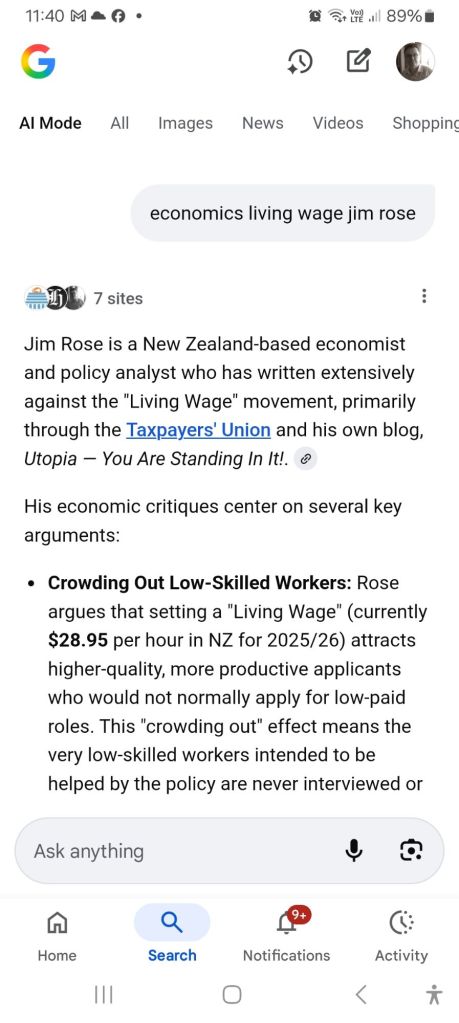
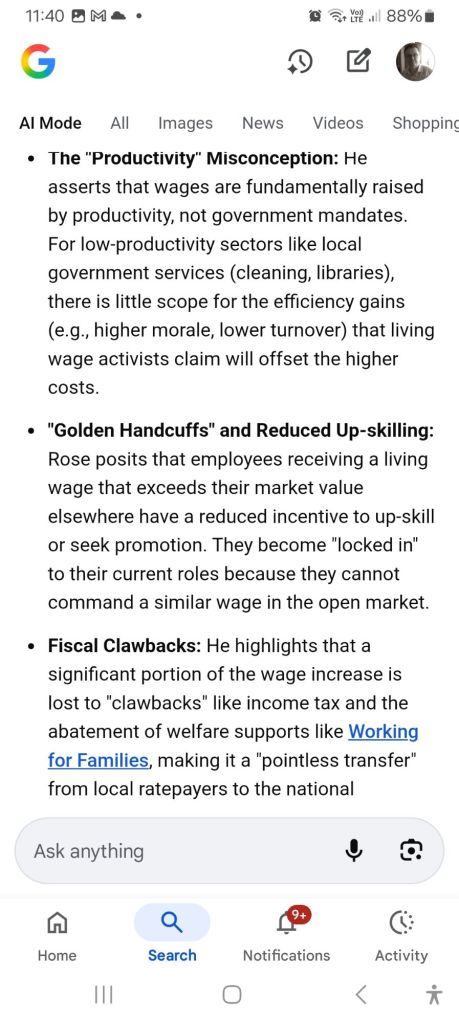
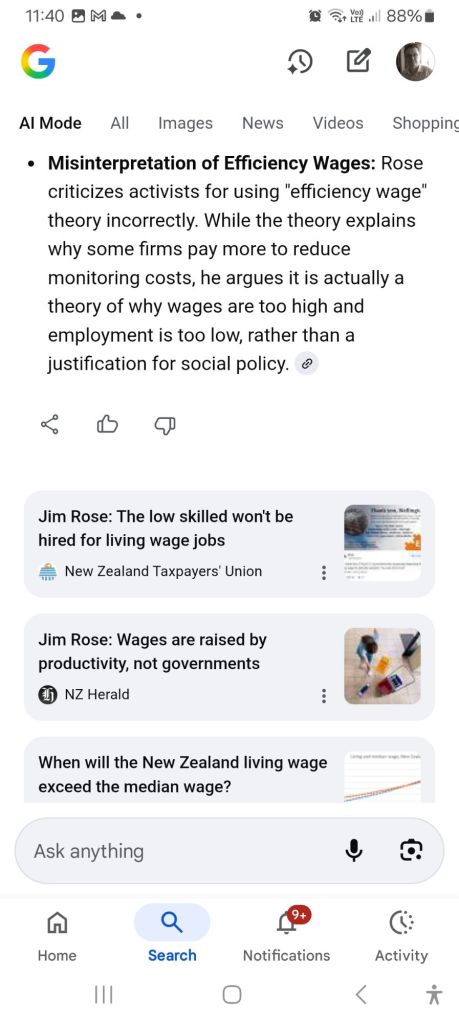
AI summary of my living wage paper
24 Dec 2025 Leave a comment
in applied price theory, history of economic thought, income redistribution, job search and matching, labour economics, labour supply, macroeconomics, minimum wage, politics - New Zealand, poverty and inequality, Public Choice, rentseeking Tags: living wage
The myth of the $140,000 poverty line
08 Dec 2025 Leave a comment
in applied price theory, labour economics, labour supply, poverty and inequality
That is my latest piece for The Free Press, focusing on the claims of Michael W. Green. Excerpt: Most of all, there is a major conceptual error in Green’s focus on high prices. To the extent that prices are high, it is not because our supply chains have been destroyed by earthquakes or nuclear bombs. […]
The myth of the $140,000 poverty line
Unfettered: Fishback 25 Years Later
07 Dec 2025 Leave a comment
in applied price theory, economic history, history of economic thought, labour economics, labour supply, poverty and inequality
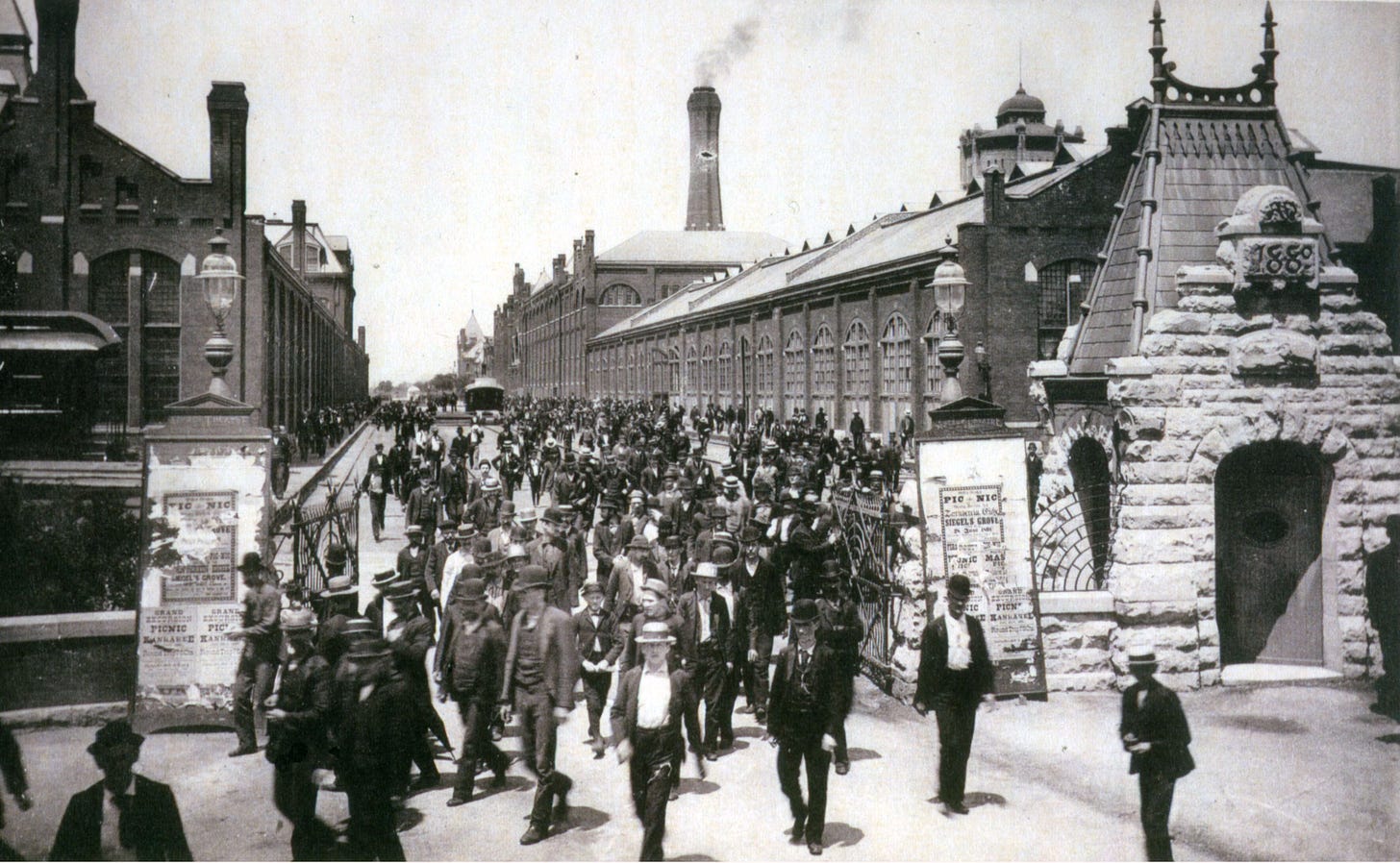
A quarter century ago, economist Price Fishback published “Operations of ‘Unfettered’ Labor Markets: Exit and Voice in American Labor Markets at the Turn of the Century” 1,762 more words
Unfettered: Fishback 25 Years Later
Human Capital Hara-Kiri
06 Dec 2025 Leave a comment
in human capital, labour economics, labour supply, occupational choice, poverty and inequality Tags: economics of immigration, Japan

In Japan, you see native-born East Asians doing menial jobs everywhere you look. You see Japanese janitors, Japanese street-sweepers, Japanese convenience store workers, Japanese crossing guards, Japanese taxi drivers, and Japanese laborers on construction sites. 904 more words
Human Capital Hara-Kiri
The Great Means-Testing Debate
05 Dec 2025 Leave a comment
in applied price theory, history of economic thought, human capital, labour economics, labour supply, Milton Friedman, occupational choice, poverty and inequality, unemployment, welfare reform
Nine years ago, I critically analyzed the Cohen-Friedman debate on means-testing Social Security. Only recently, though, did I find the original footage from 1971. As far as I know, this is the first time that any prominent social scientist made the “A program only for the poor will always be a poor program” argument that…
The Great Means-Testing Debate
My Econoboi Poverty Debate vs. Matt Bruenig
04 Dec 2025 Leave a comment
in applied price theory, human capital, labour economics, labour supply, occupational choice, politics - USA, poverty and inequality, welfare reform Tags: child poverty, family poverty, social insurance
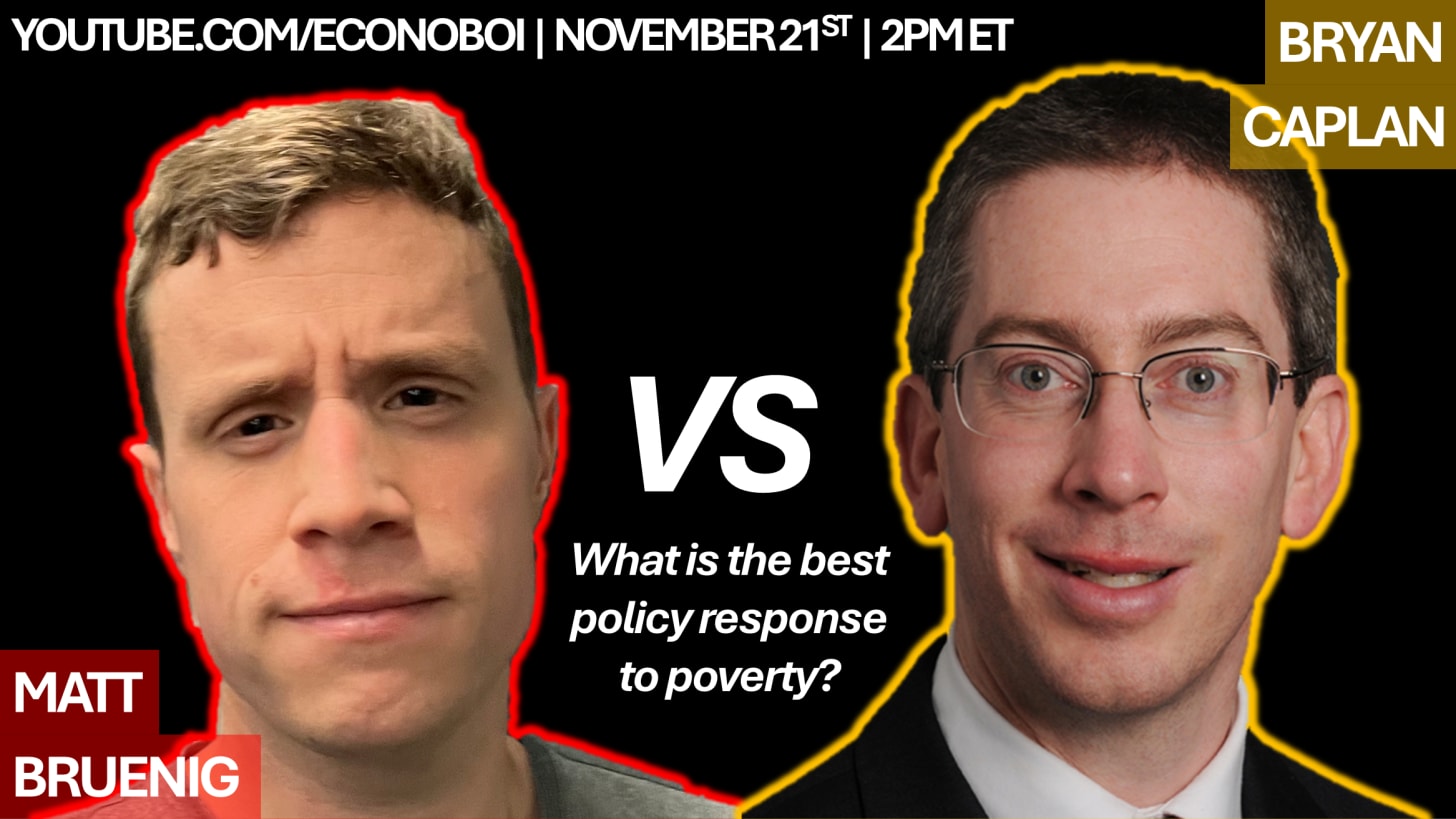
Tomorrow at 2 PM ET, I’ll be debating “What is the best policy response to poverty?” versus Matt Bruenig. Venue: Econoboi channel P.S. You might recall that… 9 more words
My Econoboi Poverty Debate vs. Matt Bruenig
Quotation of the Day…
03 Dec 2025 Leave a comment
in applied price theory, history of economic thought, labour economics, labour supply, poverty and inequality
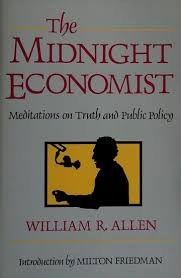
Tweet… is from page 181 of the late UCLA economist William Allen’s superb 1989 collection of the transcripts of his radio addresses, The Midnight Economist; specifically, it’s from Allen’s April 1985 address “Employment and Wages, Competition and Fairness”: The more valuable the worker, the higher the bid for his services. The high wage offer reflects…
Quotation of the Day…
US Poverty and Policy
01 Dec 2025 Leave a comment
in applied price theory, labour economics, politics - USA, poverty and inequality, welfare reform Tags: child poverty, family poverty

The US economy is the largest in the world, and at least among the large-population countries of the world (setting aside smaller economies strongly influenced by international capital flows like Monaco, Cayman Islands, and Ireland or by oil resources), it also has the highest per capita GDP. But at the same time, according to the…
US Poverty and Policy
The impact of taxes and transfers on inequality in New Zealand
08 Oct 2025 Leave a comment
in applied price theory, economics of education, human capital, labour economics, labour supply, politics - New Zealand, poverty and inequality

This week, my ECONS102 class covered inequality, and social security. Which is timely, because I have been meaning to blog about this Treasury Analytical Note from 2024, by Tod Wright and Hien Nguyen, for some time. Wright and Nguyen look at the distributional impact of taxes, transfers, and government spending (on healthcare and education).Importantly, they distinguish…
The impact of taxes and transfers on inequality in New Zealand
In defence of inequality
20 Sep 2025 Leave a comment
in economics of education, human capital, poverty and inequality
An excellent speech by the President of the University of Austin on inequality: But on the heels of America’s quarter-millennium since the Declaration of Independence, I want to do something a bit unfashionable: I want to defend inequality. Of course, all men are created equal. But all men are not the same. We have unequal…
In defence of inequality
Moving on Up
18 Sep 2025 Leave a comment
in applied price theory, economics of education, human capital, labour economics, poverty and inequality, welfare reform
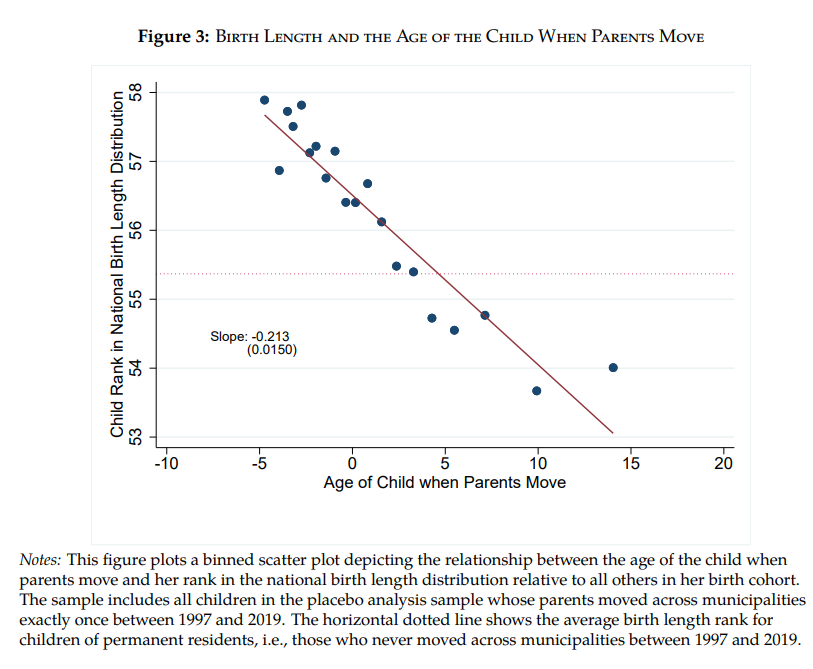
James Heckman and Sadegh Eshaghnia have launched a broadside in the WSJ against the Chetty-Hendren paper The Impacts of Neighborhoods on Intergenerational Mobility I: Childhood Exposure Effects. It’s a little odd to see this in the WSJ but since the Chetty-Hendren paper has been widely reported in the media, I suppose this is fair game. […]
Moving on Up
Predistribution, Not Redistribution, in the Nordic Countries
15 Sep 2025 Leave a comment
in applied price theory, economic growth, economics of education, fiscal policy, income redistribution, labour economics, labour supply, macroeconomics, poverty and inequality, Public Choice, public economics, rentseeking Tags: Denmark, Finland, Norway, Sweden
Maybe it’s just because I live in Minnesota, a state where the differences between immigrants from Sweden, Norway, and Finland are still apparent in the names of towns and the surnames of people. But when I run into people who would prefer that the US distribution of income be more equal, they often point to…
Predistribution, Not Redistribution, in the Nordic Countries
David Splinter on how much tax billionaires pay
30 Aug 2025 Leave a comment
in applied price theory, econometerics, entrepreneurship, human capital, income redistribution, labour economics, labour supply, politics - USA, poverty and inequality, Public Choice, public economics Tags: taxation and entrepreneurship, taxation and investment
Here is his comment on the paper presented here: Summary: The U.S. tax system is highly progressive. Effective tax rates increase from 2% for the bottom quintile of income to 45% for the top hundredth of one percent. But rates may be lower among those with the highest wealth. This comment starts with the “top 400” […]
David Splinter on how much tax billionaires pay
The smallest gender pay gap in history
28 Aug 2025 Leave a comment
in applied price theory, discrimination, econometerics, economic history, gender, human capital, labour economics, labour supply, occupational choice, politics - New Zealand, poverty and inequality Tags: gender wage gap, sex discrimination
Stats NZ reports: The gender pay gap was 5.2 percent in the June 2025 quarter, down from 8.2 percent in the June 2024 quarter, according to figures released by Stats NZ today. “The June 2025 quarter gender pay gap of 5.2 percent is the lowest since the series began in 1998,” labour market spokesperson Abby […]
The smallest gender pay gap in history


Recent Comments