There is Only One Way Out of Poverty
14 Mar 2017 Leave a comment
in labour economics, labour supply, poverty and inequality Tags: child poverty, family poverty
Sorry but homeless is no roof over your head, not living in a crowded house
10 Mar 2017 Leave a comment

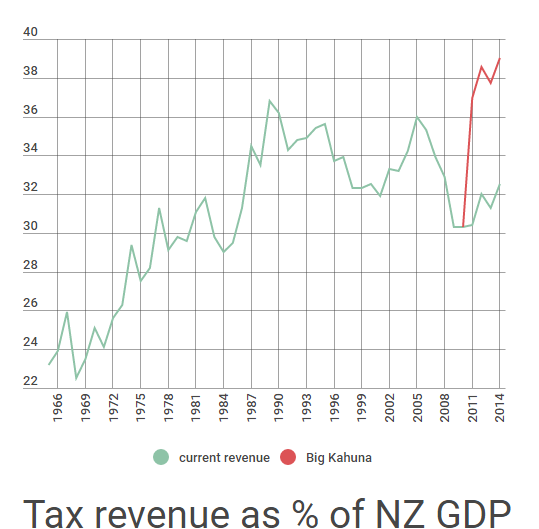
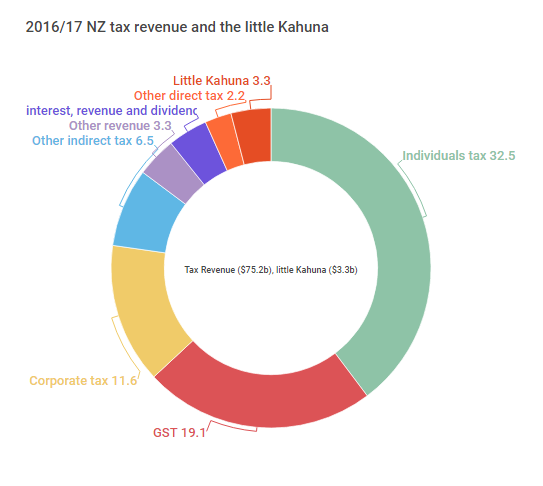
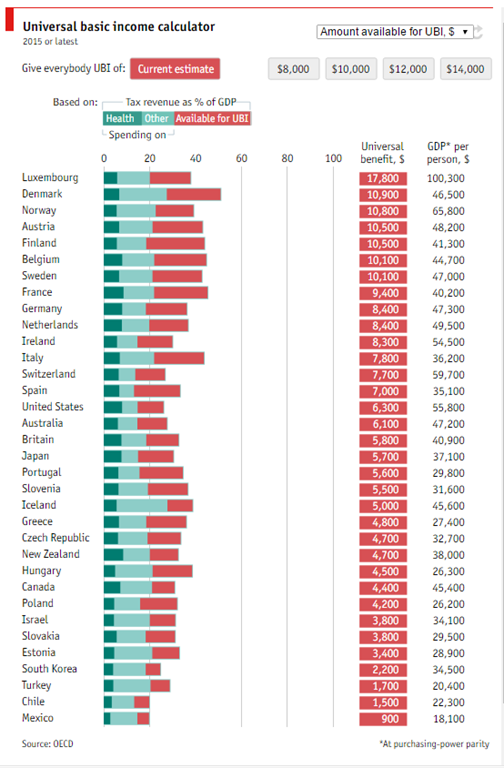
The Big Kahuna and little kahuna for all to see
07 Mar 2017 Leave a comment
in fiscal policy, labour economics, politics - New Zealand, poverty and inequality, public economics Tags: social insurance, universal basic income, welfare state
Occupational segregation a weak reed to hang #genderwagegap @FairnessNZ
17 Feb 2017 Leave a comment
in applied price theory, discrimination, economics, gender, health and safety, human capital, labour economics, labour supply, occupational choice, poverty and inequality Tags: gender wage gap, occupational segregation
NZ has a gender wage gap of 6% according to the OECD and 12% according to the Ministry of Women’s Affairs, with 30% of that explained by occupational segregation. That is 2 to 4 percentage points.

You have to explain occupational segregation. Men are represented more in occupations that are riskier. They are paid more for that. There are systematic differences in the occupational choices of married parents, single parents and single mothers regarding the risks of injury. Again, that feeds into wages.
Occupational segregation explains 2 to 4 percentage points of wages. Given that risk premiums – danger money – and trading lower wages for greater flexibility in a job can easily reduce wages or increase them by 2-4%, occupational segregation is simply a proxy for measurement error.
Still more of wage premiums has to be poured into this 2-4% of wages such as occupational segregation in unsocial work hours. Many more women than men work 9 to 5 during the week. Men would then have a wage premium for working nights and weekends. A hell a lot has to be explained away by just 2 to 4% wages.
What does undervalued work mean? Does it mean it is very profitable to employ women in certain occupations such as caring. That implies that high profits will lead new firms to enter these industries bidding up wages and equalising them with other competing jobs.
NZ pumps up numbers by equating serious housing deprivation with homelessness
17 Feb 2017 Leave a comment
in labour economics, politics - New Zealand, poverty and inequality, urban economics Tags: homelessness

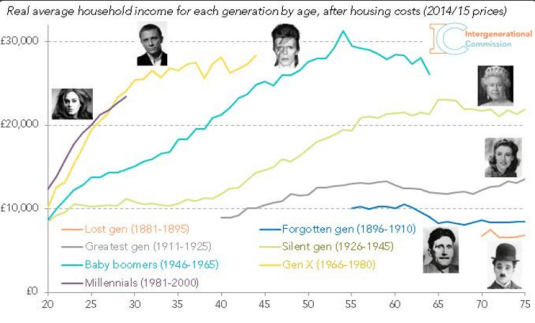
Wondering which generation you’re in, choose your icon
13 Feb 2017 Leave a comment
in applied price theory, economic history, poverty and inequality, urban economics
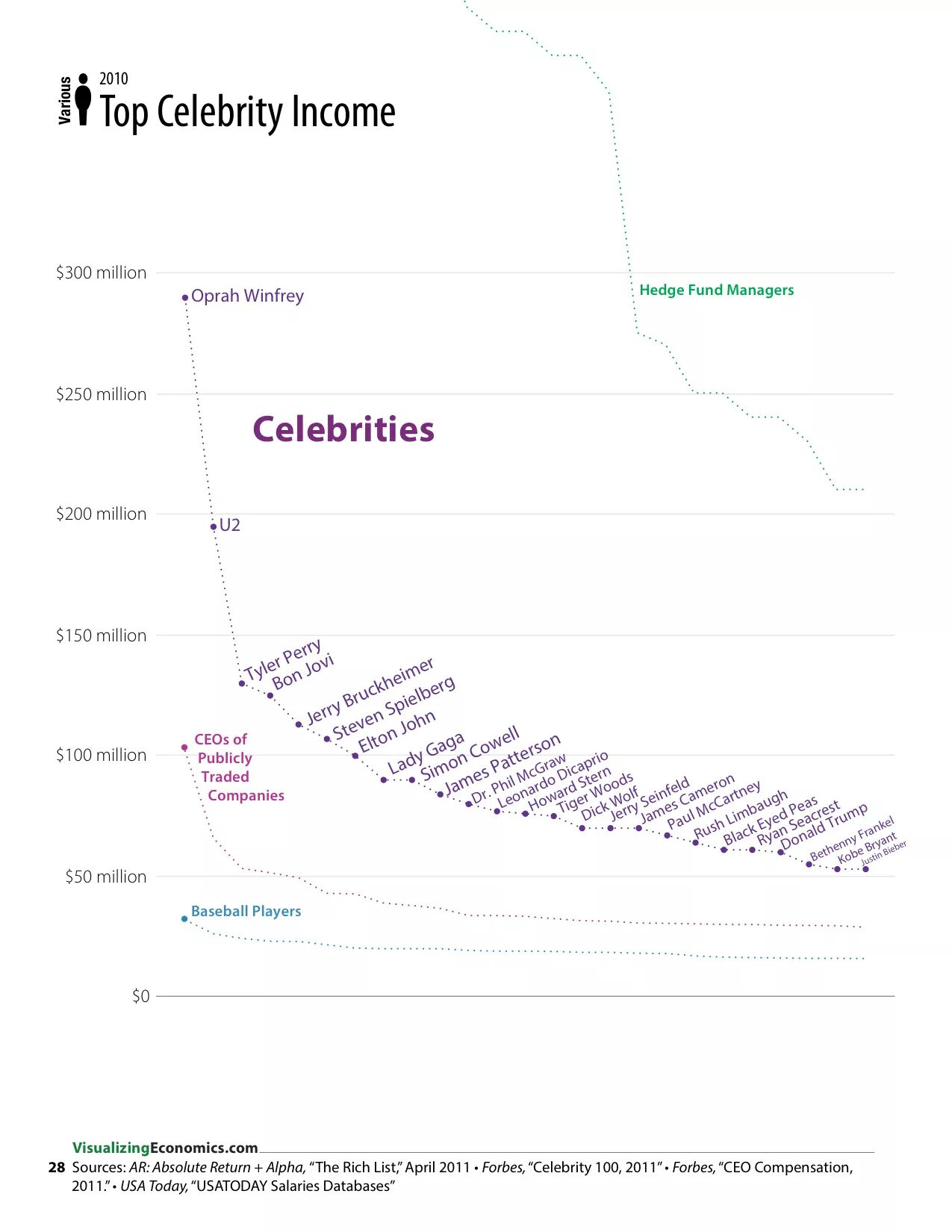
More on the emergence of a working rich
06 Feb 2017 Leave a comment
in entrepreneurship, financial economics, human capital, industrial organisation, labour supply, occupational choice, poverty and inequality, survivor principle Tags: superstars, top 1%


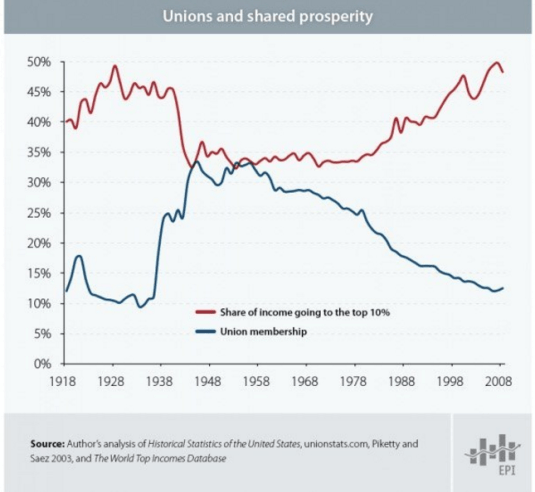
Left still loves #alternativefacts #fakenews about #inequality; union membership started declining 25 years before top 10% income share started to rise
27 Jan 2017 Leave a comment
in economic history, politics - USA, poverty and inequality
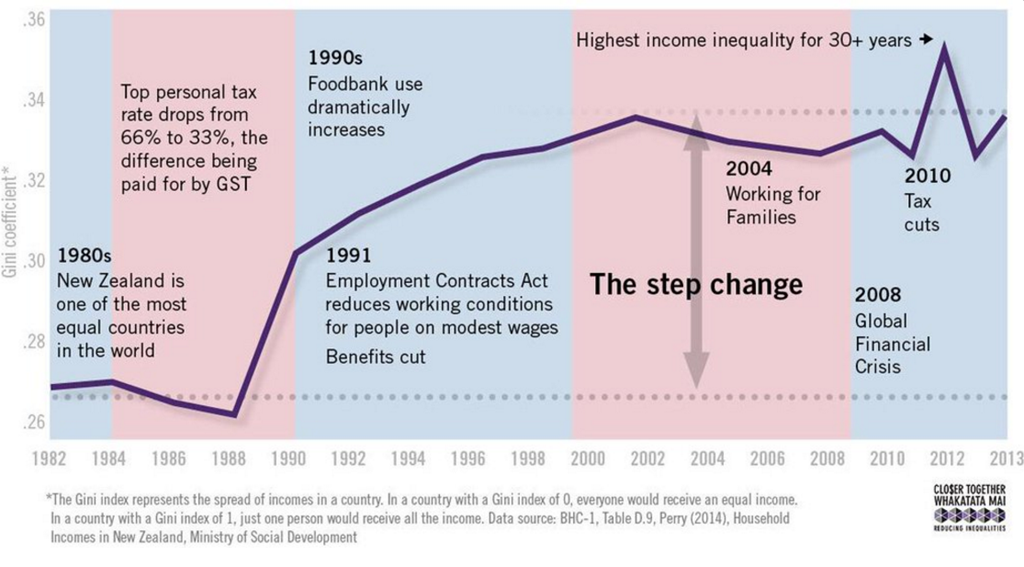
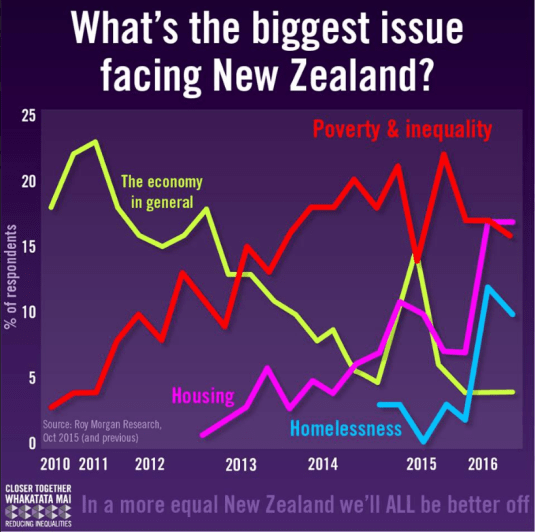
Why are alternative facts about inequality trends OK with the NZ Left?
24 Jan 2017 Leave a comment
in economic history, politics - New Zealand, poverty and inequality
Our take on the latest Household Incomes in NZ report closertogether.org.nz/no-quick-escap… @MaxRashbrooke #inequality #poverty http://t.co/c1L9QHs3fi—
Closer Together (@CloserTogether) July 09, 2014
The compassion of unions towards the minimum waged
24 Jan 2017 1 Comment
in labour economics, minimum wage, poverty and inequality, unemployment, unions Tags: do gooders, The fatal conceit, The pretense to knowledge
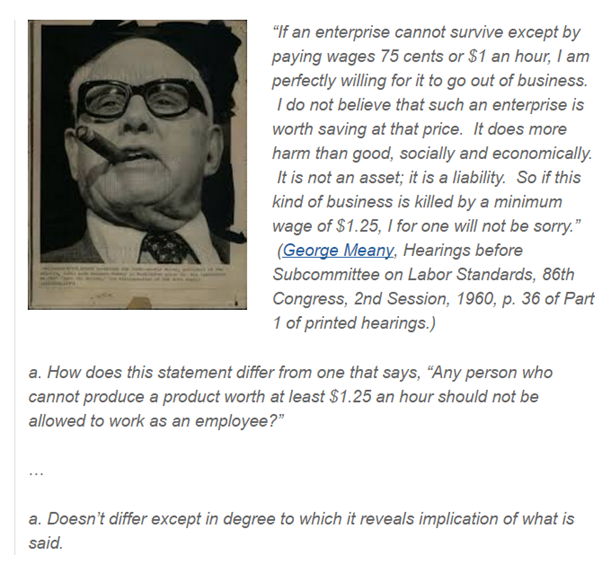
Source: page 451 and page 828 of the 3rd edition (1972) of University Economics by Armen Alchian and William Allen; the first part of the quotation is Question #30 at the end of Chapter 22. via Bonus Quotation of the Day… – Cafe Hayek
 Utopia, you are standing in it!
Recent Comments