Michael D. Bordo: An Historical Perspective on the Quest for Financial Stability
13 May 2020 Leave a comment
in budget deficits, business cycles, econometerics, economic growth, economic history, financial economics, fiscal policy, global financial crisis (GFC), great depression, great recession, inflation targeting, international economics, job search and matching, macroeconomics, monetarism, monetary economics Tags: new classical macroeconomics
Can the Government Spend Us To Prosperity with Valerie Ramey
10 May 2020 Leave a comment
in budget deficits, business cycles, defence economics, econometerics, economic history, fiscal policy, global financial crisis (GFC), great depression, great recession, labour economics, labour supply, macroeconomics, unemployment Tags: Keynesian macroeconomics, New Keynesian macroeconomics
Stephen Williamson puzzles over quantitative easing
09 May 2020 Leave a comment
in business cycles, financial economics, global financial crisis (GFC), great recession, macroeconomics, monetary economics

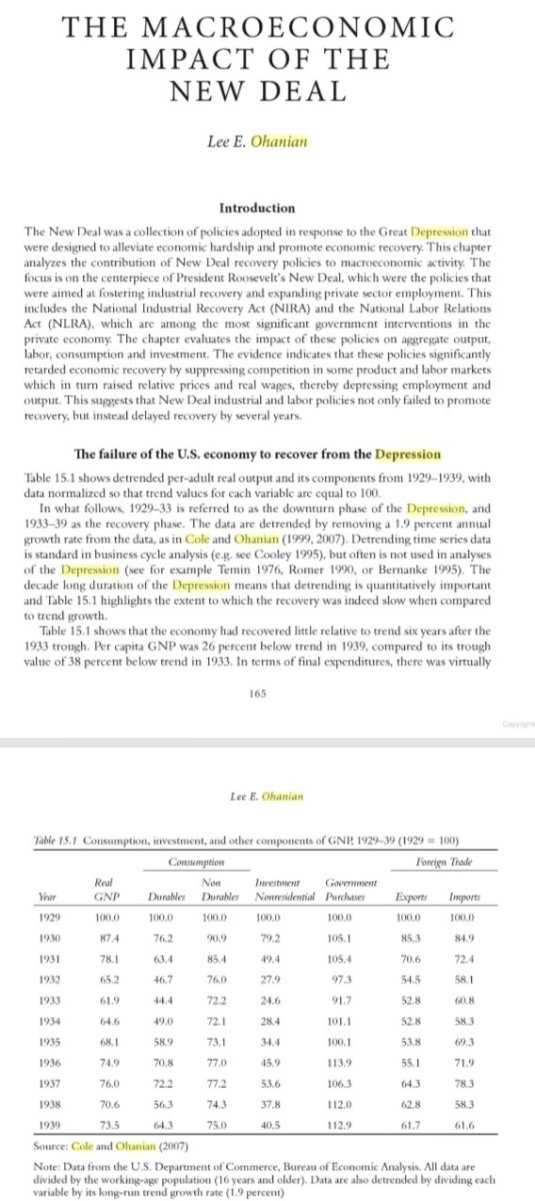
There is so many nominal wage cuts that efficient contracting theory is in question. Keynes is long dead.
06 May 2020 Leave a comment
in business cycles, global financial crisis (GFC), great recession, labour economics, labour supply, macroeconomics, monetary economics, personnel economics, unemployment Tags: Keynesian macroeconomics, new classical macroeconomics, New Keynesian macroeconomics

Thomas Sargent 2013 MACROECONOMIC THEORY AND THE CRISIS
01 May 2020 Leave a comment
in budget deficits, business cycles, economic growth, economic history, Euro crisis, financial economics, fiscal policy, global financial crisis (GFC), great depression, great recession, macroeconomics, Milton Friedman, monetarism, monetary economics, Robert E. Lucas Tags: sovereign debt crises, sovereign defaults
Do economists ignore the impact of debt on the business cycle?
29 Apr 2020 Leave a comment
in business cycles, economic history, financial economics, global financial crisis (GFC), great depression, great recession, history of economic thought, macroeconomics, monetarism, monetary economics Tags: Keynesian macroeconomics, New Keynesian macroeconomics
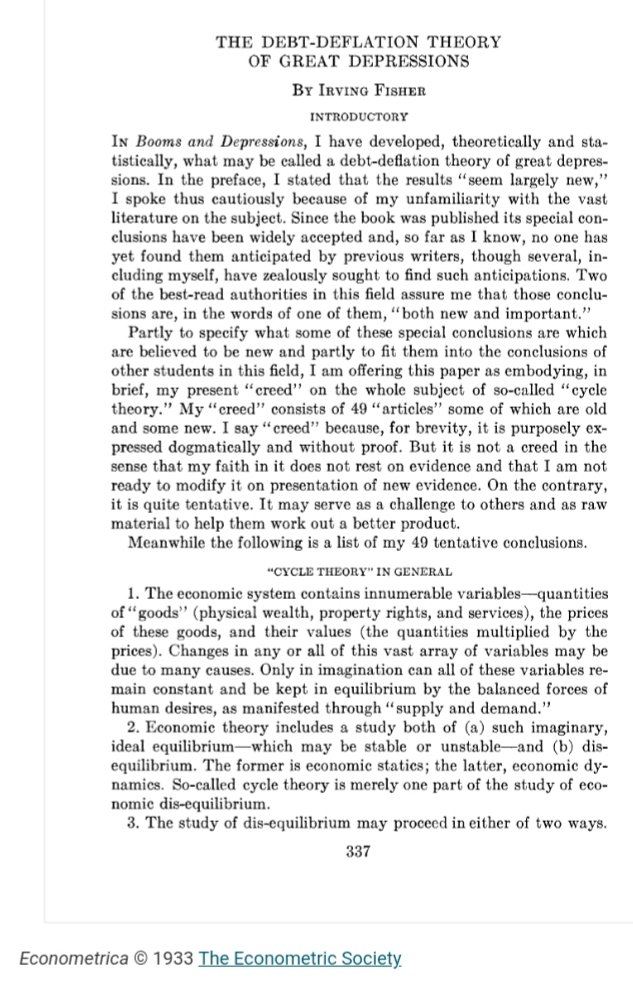
Edward Prescott on the unimportance of monetary policy
29 Apr 2020 Leave a comment
in business cycles, economic history, Edward Prescott, financial economics, fiscal policy, global financial crisis (GFC), great depression, great recession, history of economic thought, macroeconomics, monetary economics
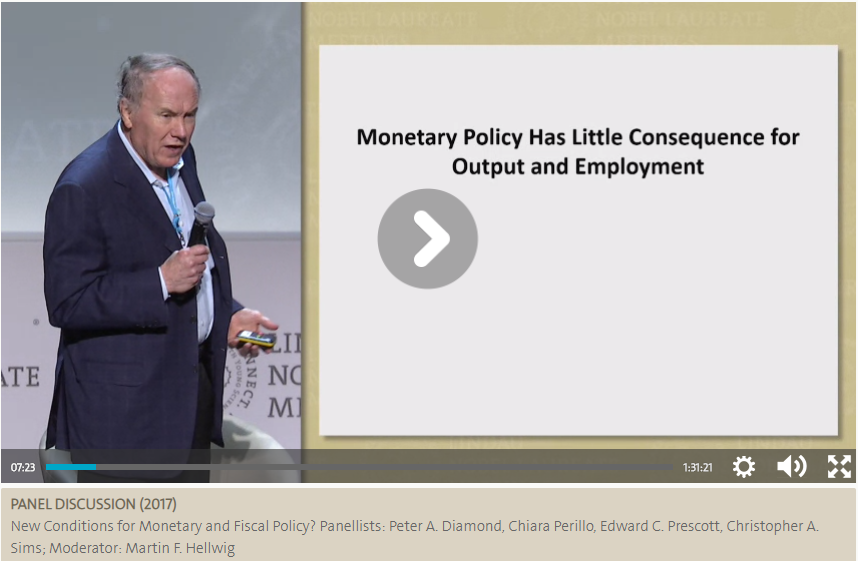
See lecture at https://www.mediatheque.lindau-nobel.org/videos/37267/panel-conditions-monetary-fiscal-policy/laureate-prescott
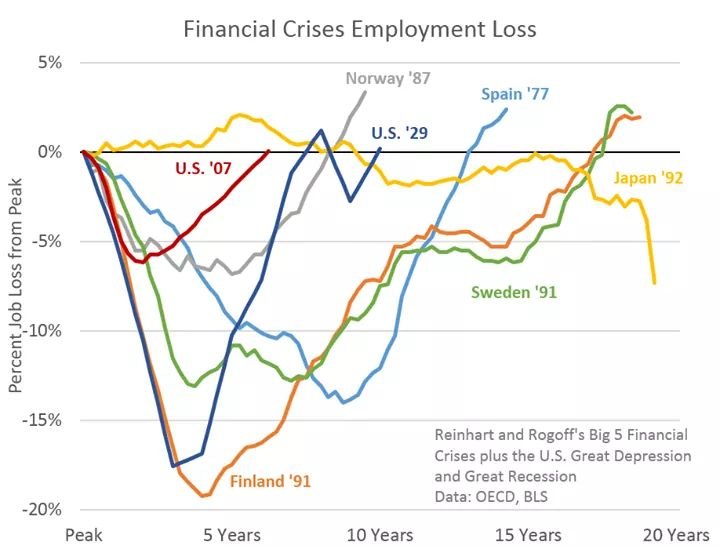
Edward Prescott, co-recipient of the Nobel Prize in 2004, took a different view in a presentation with the title ‘The Unimportance of Monetary Policy and Financial Crises on Output and Unemployment’. He cited financial crises that saw countries experiencing contrasting outcomes at the same time: the US and Asia in the 2008 crisis; Chile and Mexico in 1980; and Scandinavia and Japan in 1992.
‘Financial crises do not impede development,’ he claimed. While the 2008 financial crisis was localised in North America and the euro area, there was a short recession and quick recovery in Japan, Taiwan and South Korea and no recession in Scandinavia and Australia. ‘Countries where fiscal policy was irresponsible had problems’, he maintained. ‘Fiscal responsibility is crucial: to spend is to tax and to tax is to depress. That’s what happens every time.’
Edward C. Prescott on monetary policy
28 Apr 2020 Leave a comment
in business cycles, econometerics, economic history, Edward Prescott, financial economics, global financial crisis (GFC), great depression, great recession, inflation targeting, macroeconomics, monetary economics, Robert E. Lucas Tags: monetary policy
The Fed and Lehman Brothers: setting the record straight on a financial disaster
23 Apr 2020 Leave a comment
in business cycles, financial economics, global financial crisis (GFC), macroeconomics, monetary economics Tags: banking panics
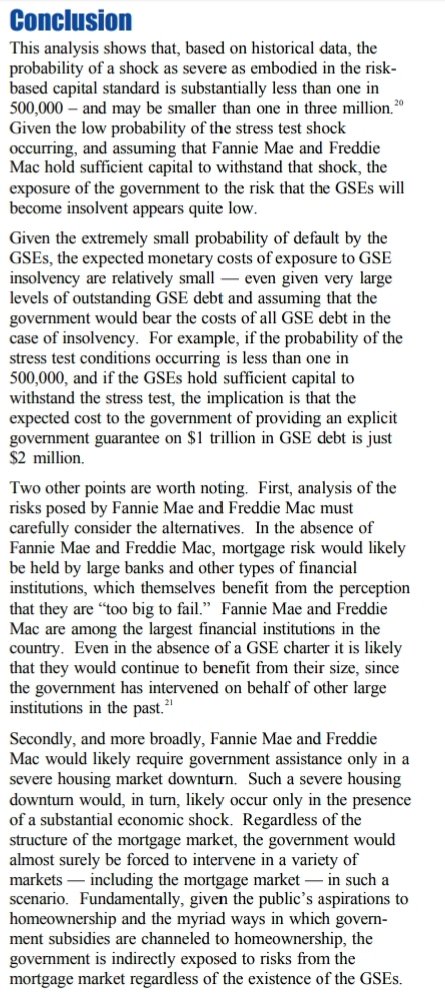
Edward Prescott on the #GFC
24 Mar 2020 Leave a comment
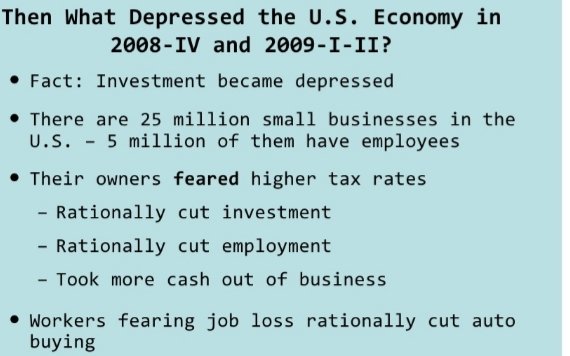
in budget deficits, business cycles, economic growth, Edward Prescott, fiscal policy, global financial crisis (GFC), great recession, labour economics, labour supply, macroeconomics, public economics Tags: real business cycle theory, taxation and entrepreneurship, taxation and investment, taxation and labour supply
2014 Edward Prescott
13 Mar 2020 Leave a comment
in budget deficits, business cycles, economic growth, economic history, economics of education, Edward Prescott, fiscal policy, global financial crisis (GFC), great depression, great recession, human capital, labour supply, law and economics, macroeconomics, monetarism, monetary economics, property rights Tags: real business cycle theory
 Utopia, you are standing in it!
Recent Comments