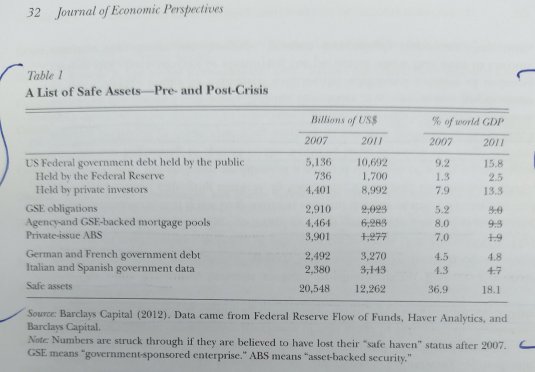
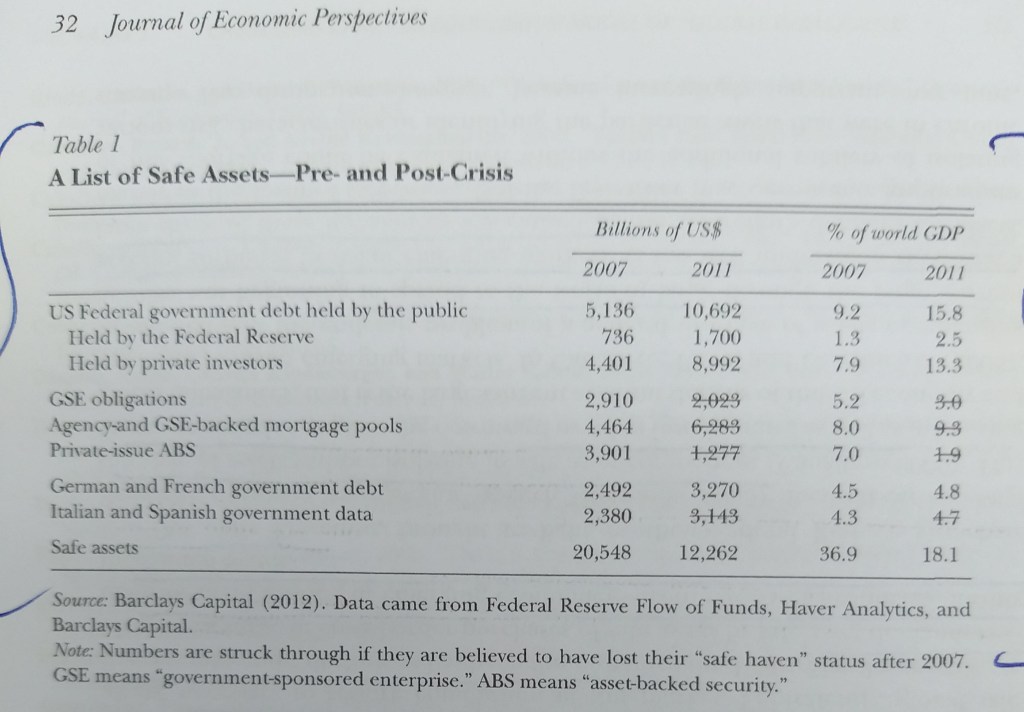
The great contraction in safe collateral
09 Mar 2020 Leave a comment
in business cycles, economic history, economics of information, Euro crisis, financial economics, fiscal policy, global financial crisis (GFC), great recession, law and economics, macroeconomics, monetary economics, property rights, Public Choice, public economics Tags: adverse selection, asymmetric information, efficient markets hypothesis, moral hazard
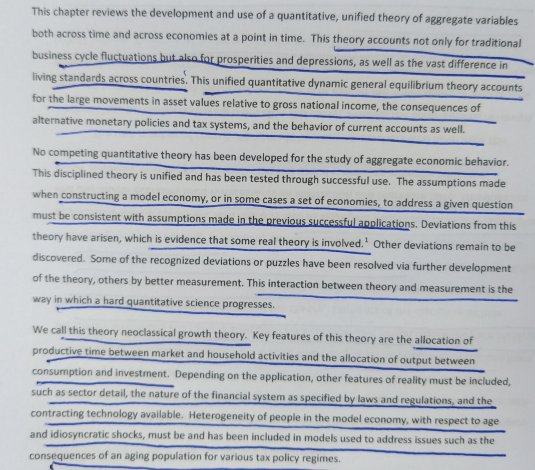
Prescott on real business cycle theory ignoring depressions
08 Mar 2020 Leave a comment
in budget deficits, business cycles, economic growth, economic history, Edward Prescott, Euro crisis, fiscal policy, global financial crisis (GFC), great depression, great recession, history of economic thought, labour supply, macroeconomics, monetary economics Tags: real business cycle theory
Nobel Symposium Gary Gorton Financial regulation
08 Mar 2020 Leave a comment
in business cycles, economics of information, economics of regulation, financial economics, global financial crisis (GFC), great recession, law and economics, macroeconomics, monetary economics
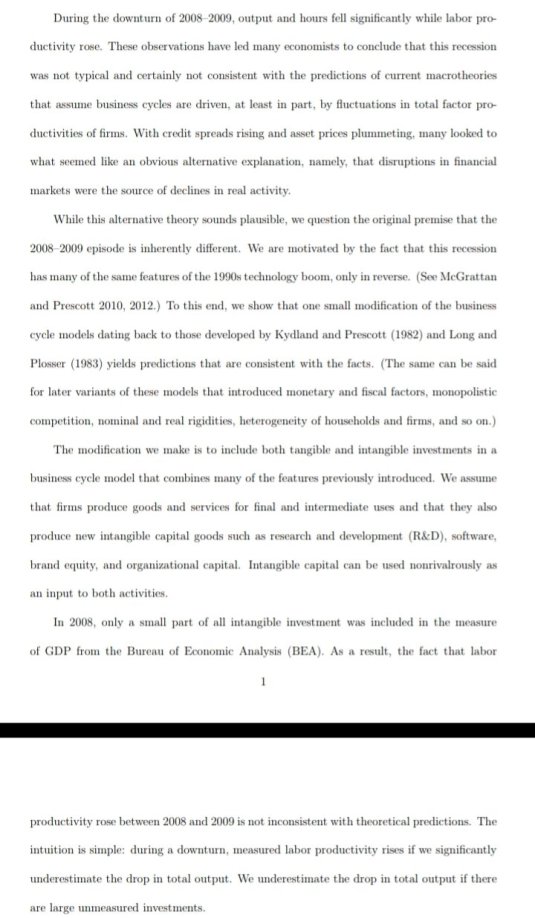
Prescott and McGrattan on intangible investment and real business cycle theory
04 Mar 2020 Leave a comment
New classical macroeconomics and real business cycle theory are different macroeconomic schools
28 Feb 2020 Leave a comment

Caballero on the great safe collateral contraction
27 Feb 2020 Leave a comment
in budget deficits, business cycles, currency unions, economic growth, economic history, entrepreneurship, Euro crisis, financial economics, fiscal policy, global financial crisis (GFC), great recession, international economics, law and economics, macroeconomics, monetary economics, property rights, Public Choice Tags: adverse selection, asymmetric information, monetary policy, moral hazard, self-selection, sovereign debt crises, sovereign defaults
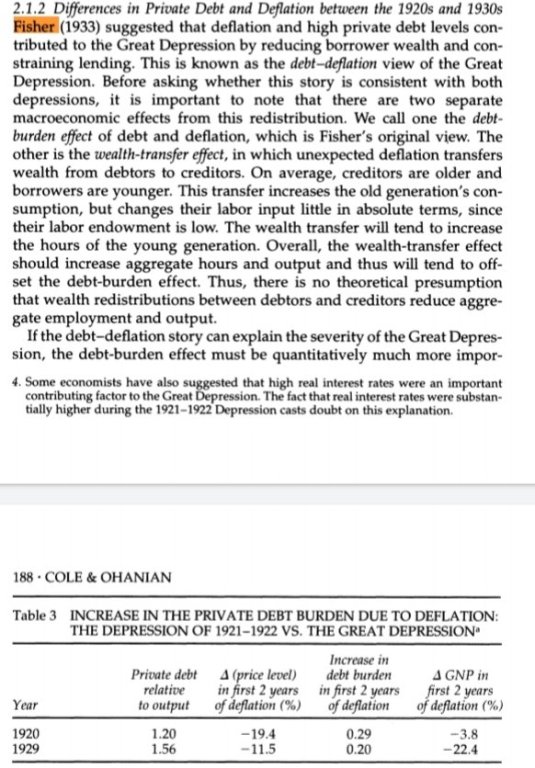
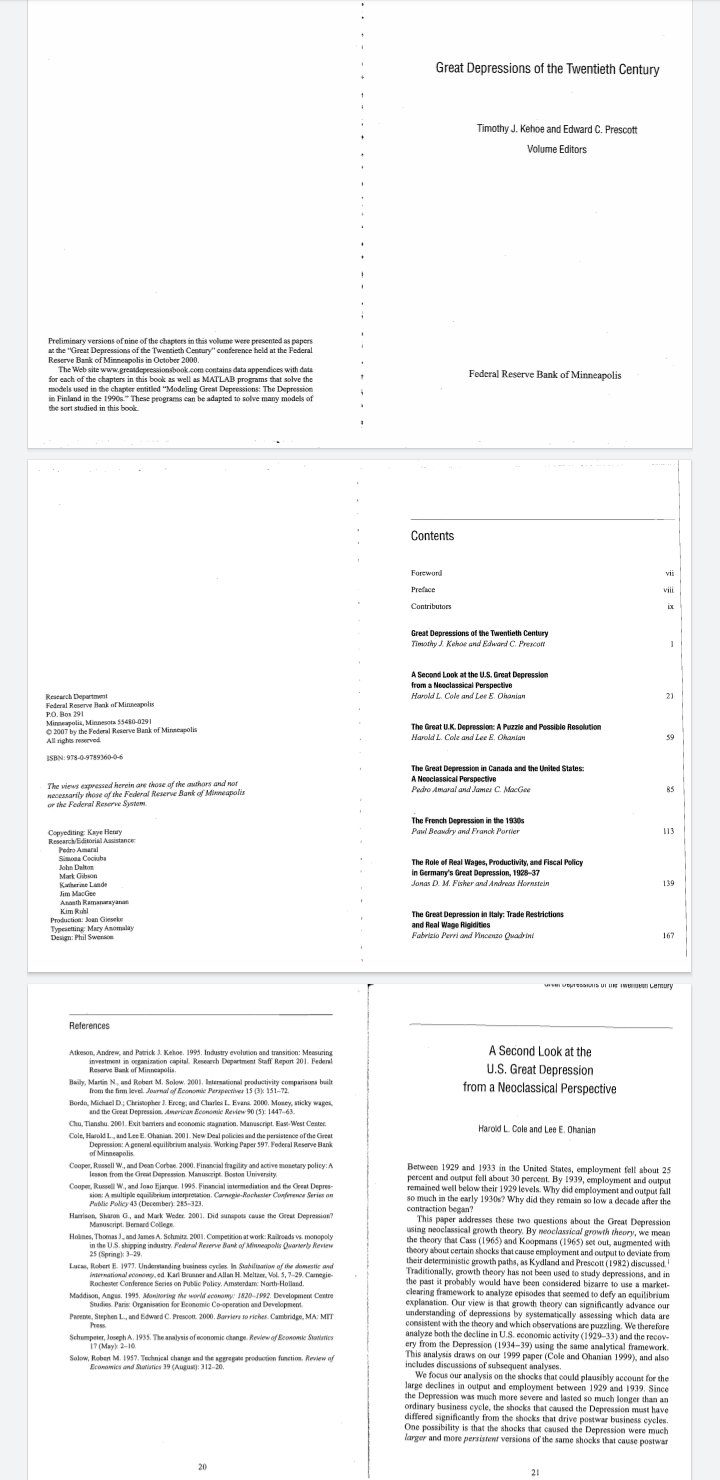
Does neoclassical macroeconomics rule out depressions?
27 Feb 2020 Leave a comment
in business cycles, econometerics, economic history, Edward Prescott, global financial crisis (GFC), great depression, great recession, history of economic thought, job search and matching, labour economics, labour supply, macroeconomics, monetary economics, politics - USA, public economics, Robert E. Lucas, unemployment, unions Tags: Keynesian macroeconomics, new classical macroeconomics, New Keynesian macroeconomics, real business cycle theory
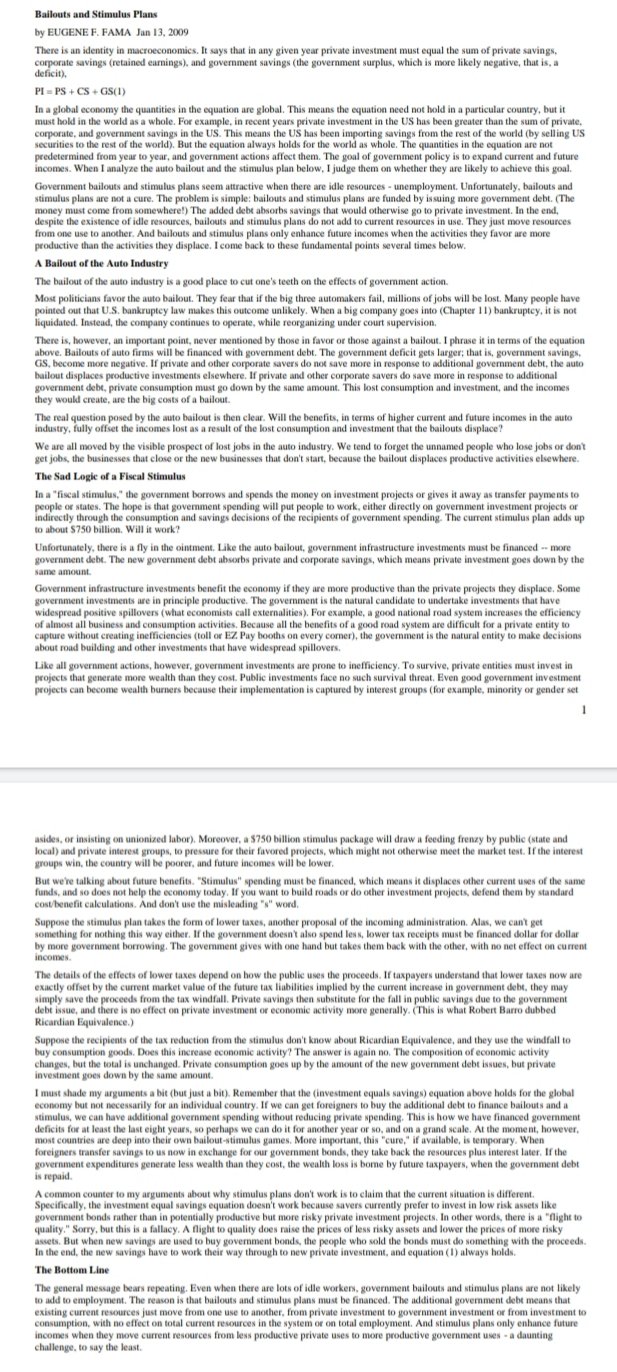
Fama in full on fiscal policy
27 Feb 2020 Leave a comment
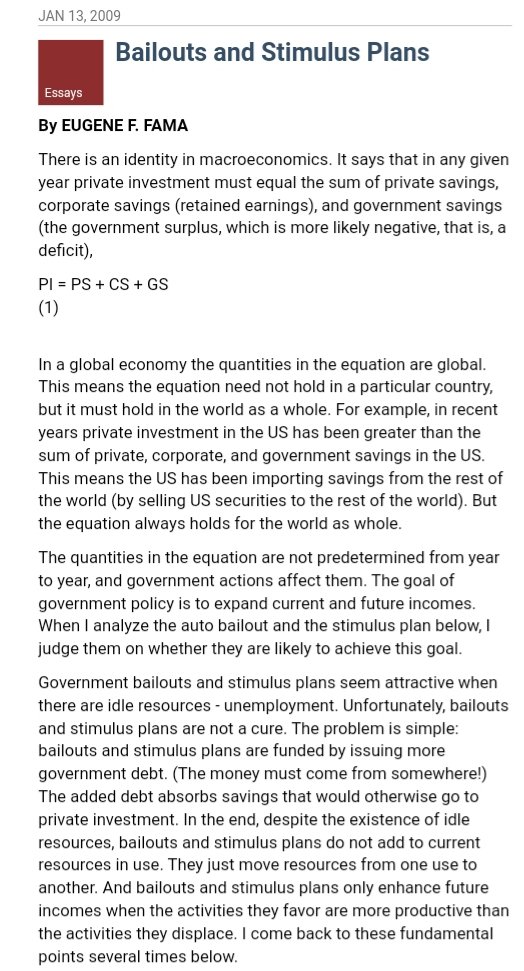
Fama on a fiscal stimulus
25 Feb 2020 1 Comment
in applied price theory, budget deficits, business cycles, economic growth, financial economics, fiscal policy, global financial crisis (GFC), great recession, labour economics, labour supply, macroeconomics, monetary economics, politics - USA, Public Choice, public economics Tags: fiscal policy
Nobel Symposium Randall Kroszner Lessons from the global financial crisis, and crises past
19 Feb 2020 Leave a comment
in budget deficits, business cycles, economic growth, economic history, economics of information, economics of regulation, Euro crisis, financial economics, global financial crisis (GFC), great depression, great recession, law and economics, macroeconomics, monetary economics, property rights, Public Choice, public economics Tags: sovereign defaults
Edward Prescott, Monetary Policy with 100% Reserve Banking: An Exploration
12 Feb 2020 Leave a comment
in applied price theory, applied welfare economics, budget deficits, business cycles, econometerics, economic history, Edward Prescott, global financial crisis (GFC), great depression, great recession, industrial organisation, macroeconomics, Milton Friedman, monetarism, monetary economics, property rights, Public Choice, Robert E. Lucas Tags: real business cycles
Nobel Symposium Emi Nakamura Monetary policy: Conventional and unconventional
12 Feb 2020 Leave a comment
in budget deficits, business cycles, econometerics, economic growth, economic history, Euro crisis, fiscal policy, global financial crisis (GFC), great depression, great recession, macroeconomics, monetarism, monetary economics Tags: New Keynesian macroeconomics
Nobel Symposium Kenneth Rogoff Indebtedness of governments, firms, and households
09 Feb 2020 Leave a comment
in budget deficits, business cycles, economic growth, economic history, economics of information, financial economics, global financial crisis (GFC), great recession, macroeconomics, monetary economics, Public Choice, public economics Tags: sovereign debt crises, sovereign defaults
Is slow growth the new normal?
04 Feb 2020 Leave a comment
in budget deficits, business cycles, economic growth, economic history, Euro crisis, global financial crisis (GFC), great recession, job search and matching, labour economics, labour supply, macroeconomics, monetary economics, Public Choice Tags: Eurosclerosis
 Utopia, you are standing in it!
Recent Comments