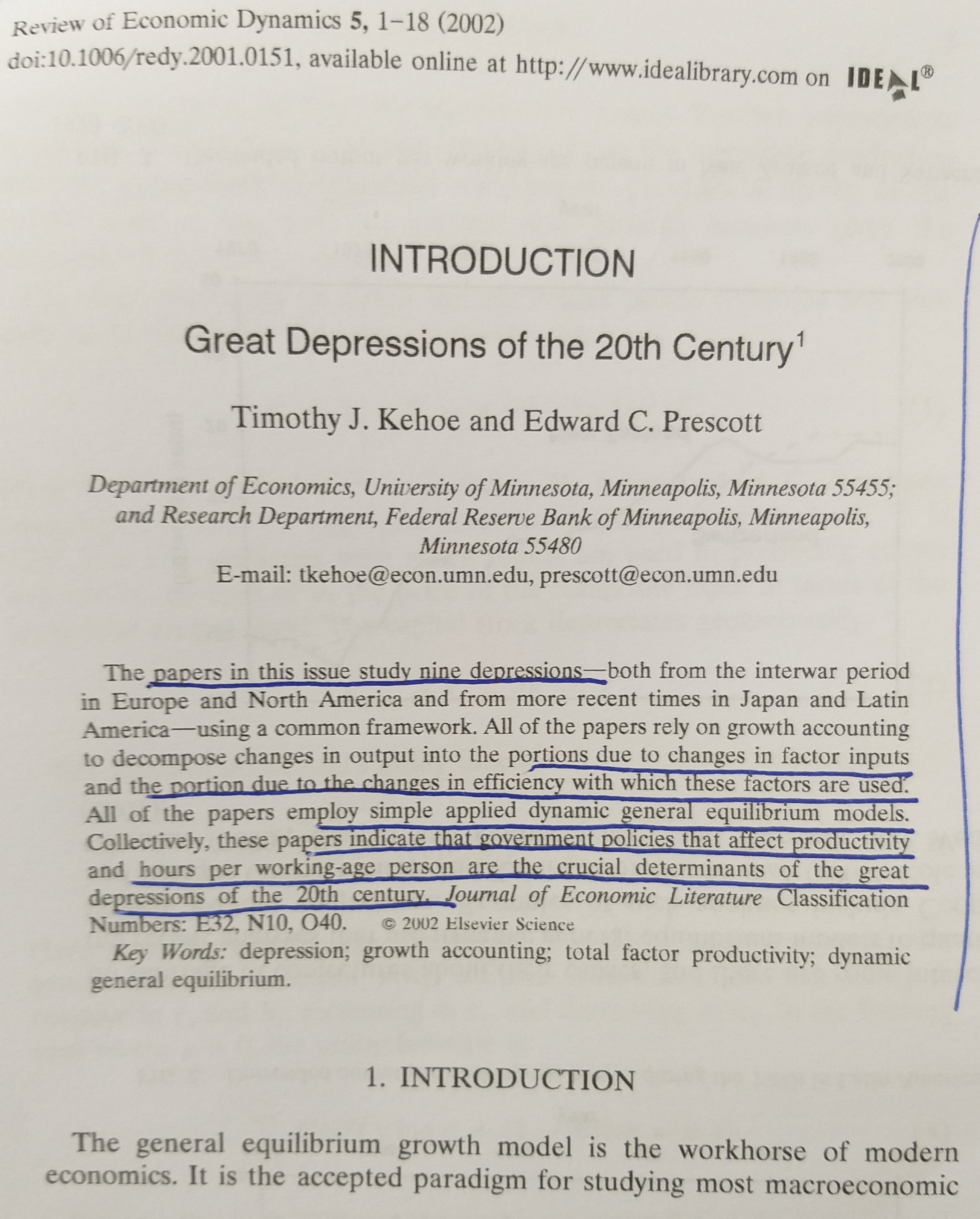
Contra Ben Bernanke It’s A Wonderful Life bank run due to absent-minded Uncle Billy’s embezzlement @NZTreasury @reservebankNZ
14 Mar 2020 Leave a comment
in economic history, economics of crime, industrial organisation, law and economics, macroeconomics, monetary economics, movies, survivor principle Tags: bank runs

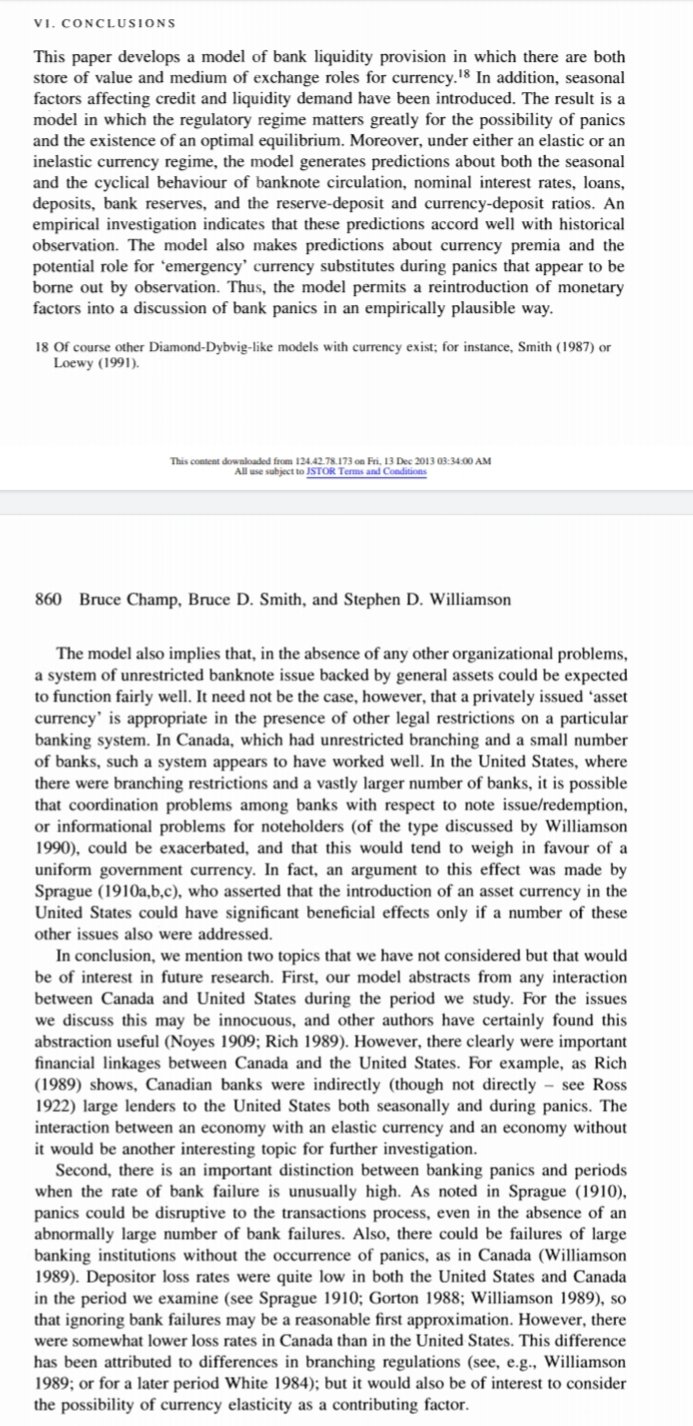
Finn Kydland on mortgages and monetary policy
13 Mar 2020 Leave a comment
in business cycles, macroeconomics, monetary economics Tags: monetary policy, real business cycle theory
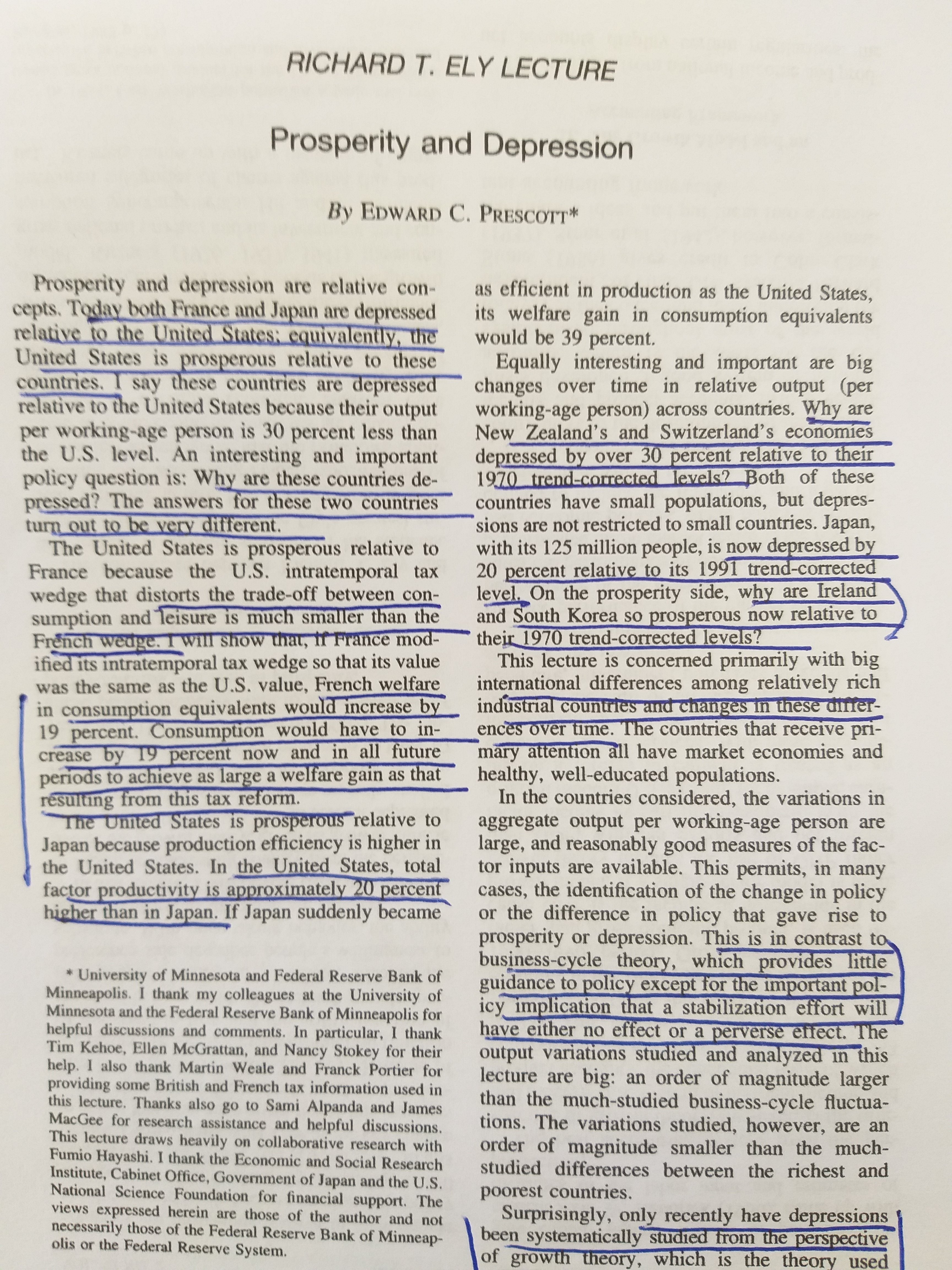
2014 Edward Prescott
13 Mar 2020 Leave a comment
in budget deficits, business cycles, economic growth, economic history, economics of education, Edward Prescott, fiscal policy, global financial crisis (GFC), great depression, great recession, human capital, labour supply, law and economics, macroeconomics, monetarism, monetary economics, property rights Tags: real business cycle theory
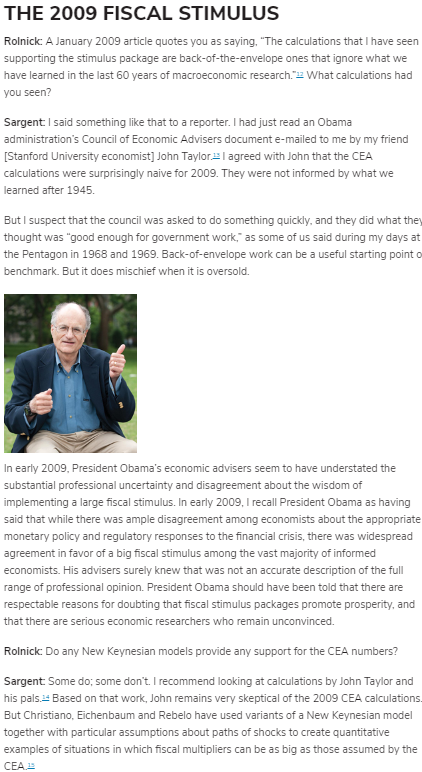
Thomas Sargent on the 2009 fiscal stimulus
12 Mar 2020 Leave a comment
in budget deficits, business cycles, econometerics, global financial crisis (GFC), great depression, great recession, history of economic thought, macroeconomics, monetary economics
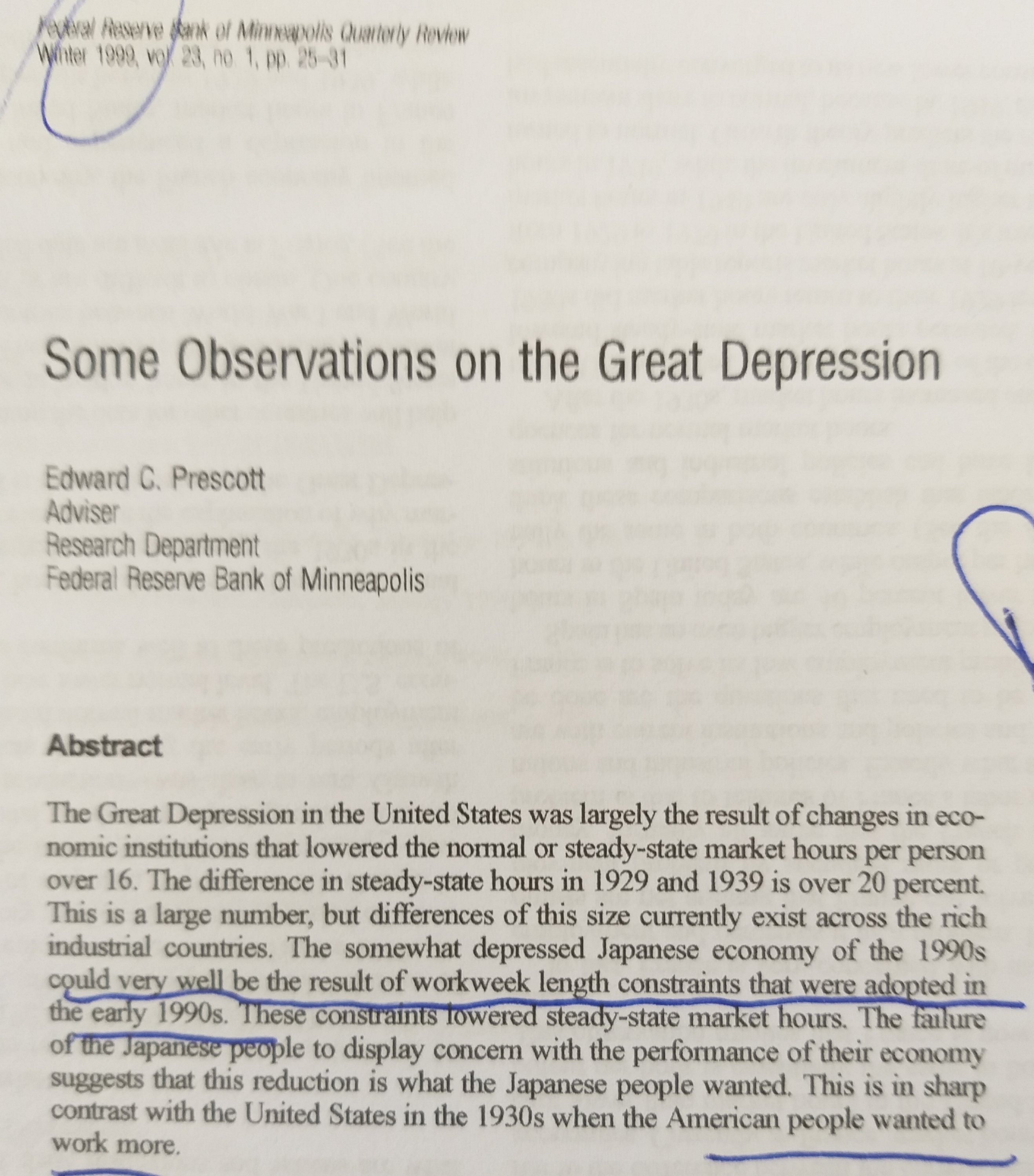
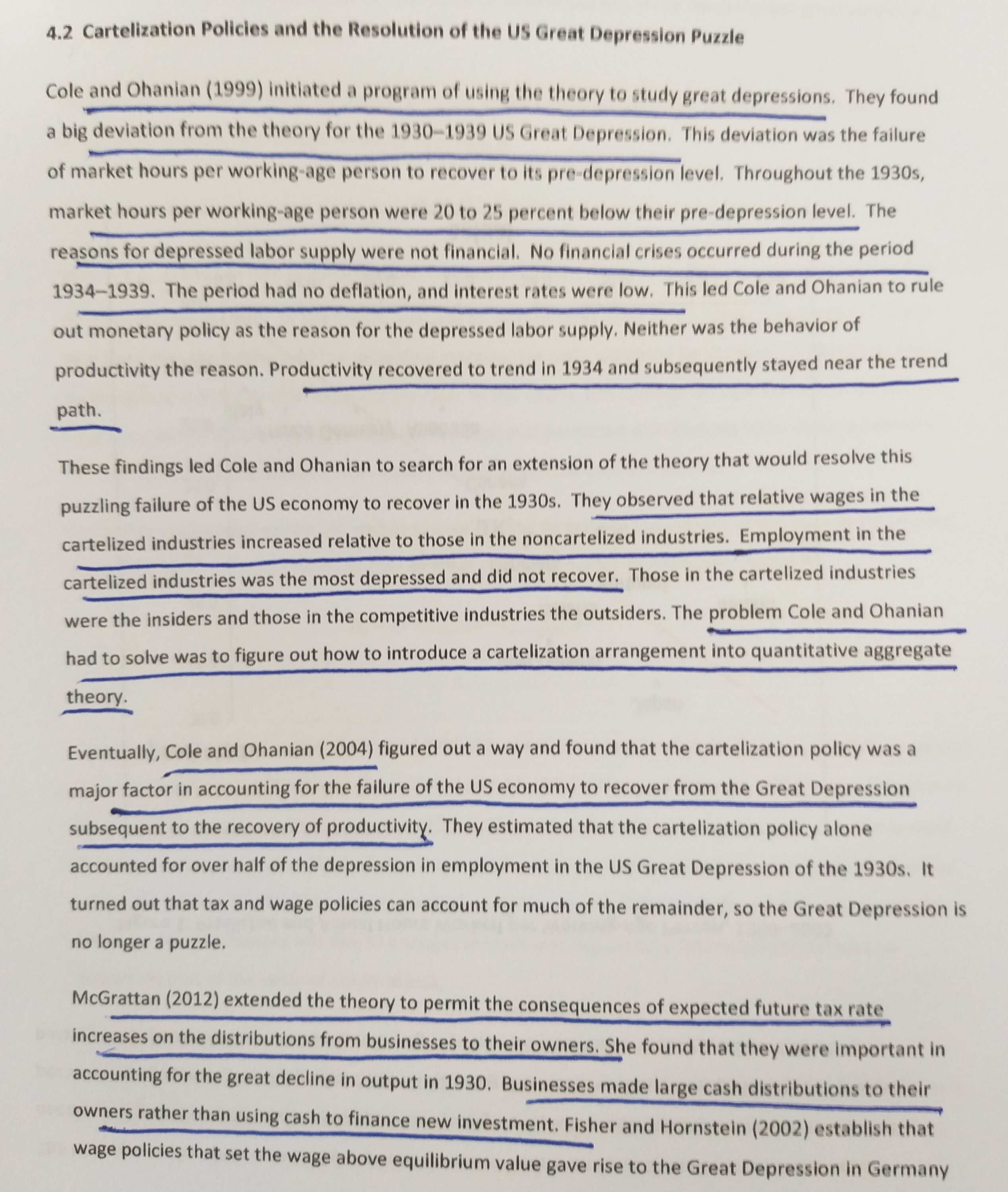
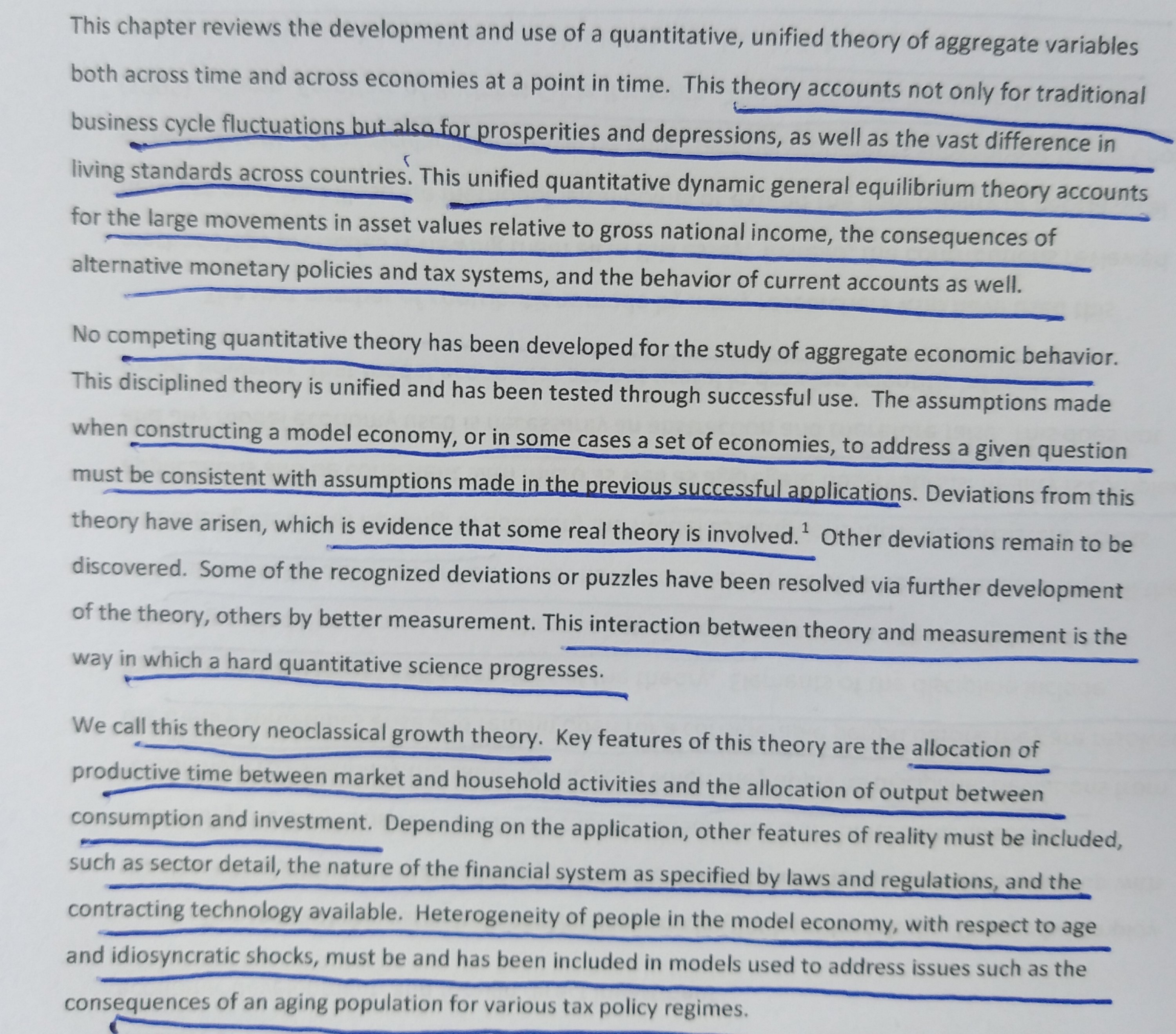
Does real business cycle theory ignore depressions?
10 Mar 2020 Leave a comment
in budget deficits, business cycles, econometerics, economic growth, economic history, Edward Prescott, Euro crisis, fiscal policy, global financial crisis (GFC), great depression, great recession, history of economic thought, labour economics, labour supply, macroeconomics, monetarism, monetary economics, public economics, Robert E. Lucas Tags: real business cycle theory

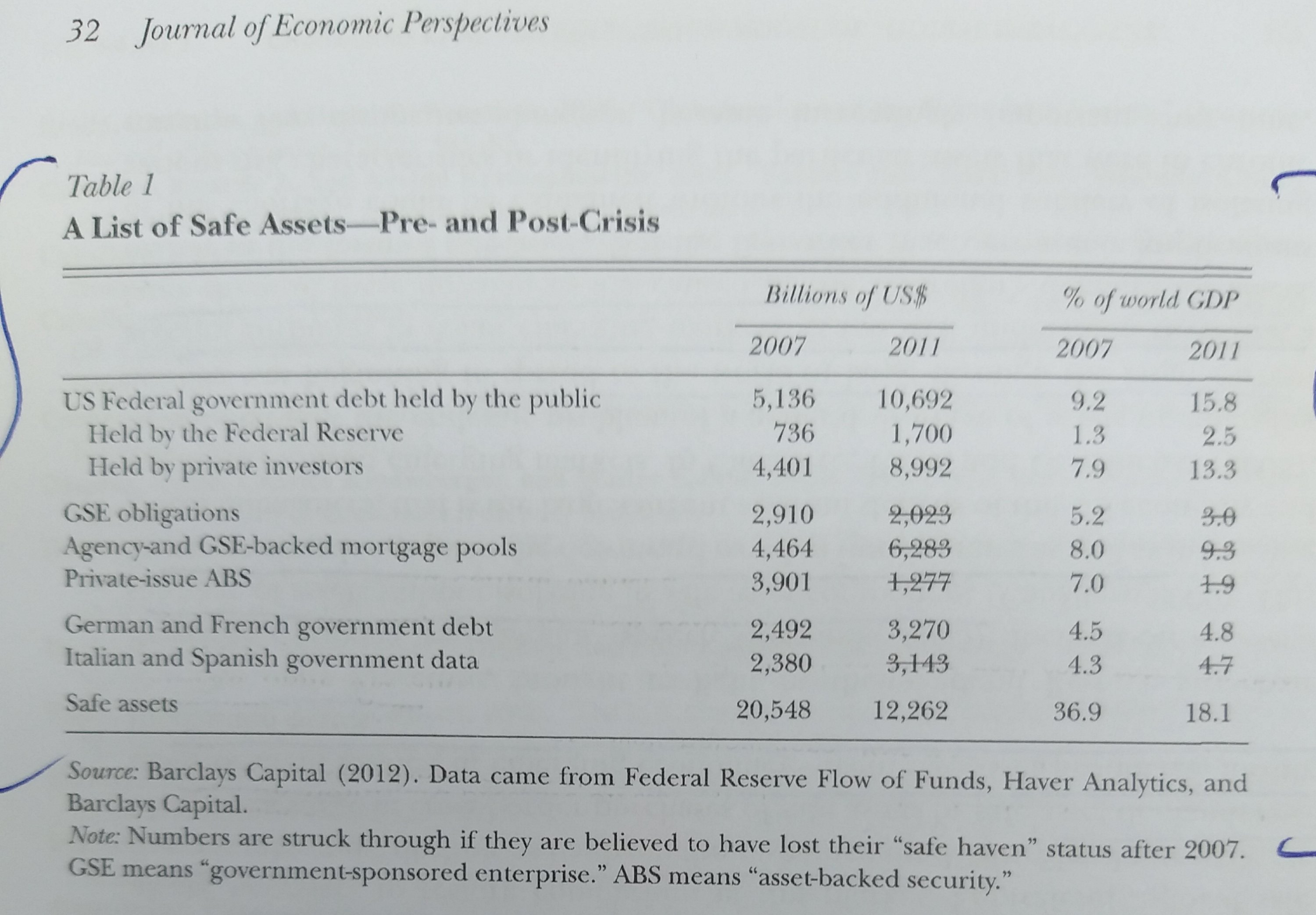
The great contraction in safe collateral
09 Mar 2020 Leave a comment
in business cycles, economic history, economics of information, Euro crisis, financial economics, fiscal policy, global financial crisis (GFC), great recession, law and economics, macroeconomics, monetary economics, property rights, Public Choice, public economics Tags: adverse selection, asymmetric information, efficient markets hypothesis, moral hazard
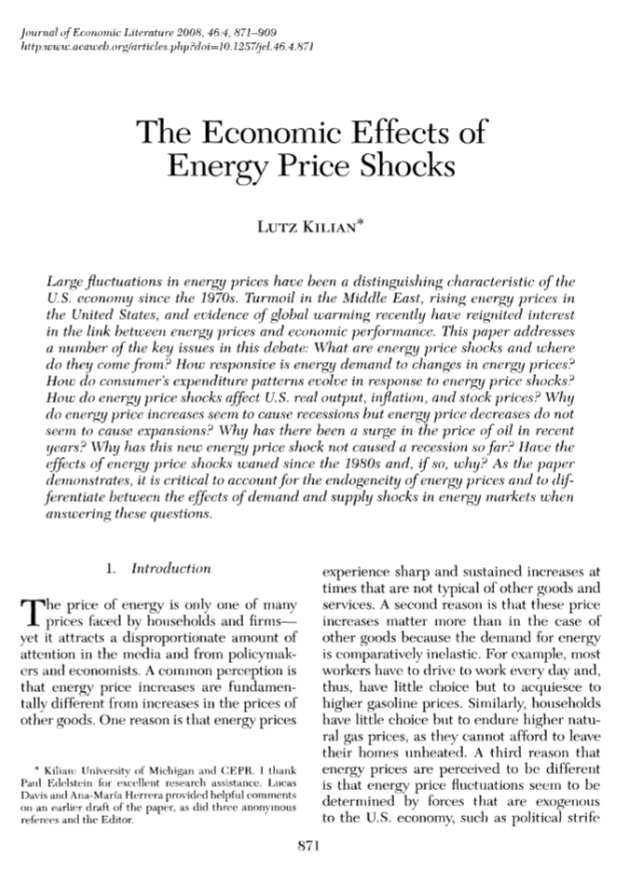

Prescott on real business cycle theory ignoring depressions
08 Mar 2020 Leave a comment
in budget deficits, business cycles, economic growth, economic history, Edward Prescott, Euro crisis, fiscal policy, global financial crisis (GFC), great depression, great recession, history of economic thought, labour supply, macroeconomics, monetary economics Tags: real business cycle theory


Recent Comments