How the Labor Market Adjusts to Technological Shocks (Lessons from Hoover Boot Camp) | Ch 3
26 Oct 2021 Leave a comment
in applied price theory, economic growth, economic history, economics of education, economics of regulation, entrepreneurship, health and safety, history of economic thought, human capital, industrial organisation, labour economics, labour supply, market efficiency, minimum wage, occupational choice, occupational regulation, personnel economics, poverty and inequality, survivor principle, unemployment
Daron Acemoglu on How Inequality Weakens Nations
26 Oct 2021 Leave a comment
in applied price theory, constitutional political economy, development economics, economic growth, economic history, economics of bureaucracy, economics of education, economics of regulation, entrepreneurship, financial economics, growth disasters, growth miracles, history of economic thought, human capital, income redistribution, industrial organisation, labour economics, labour supply, law and economics, macroeconomics, poverty and inequality, property rights, Public Choice, rentseeking, survivor principle
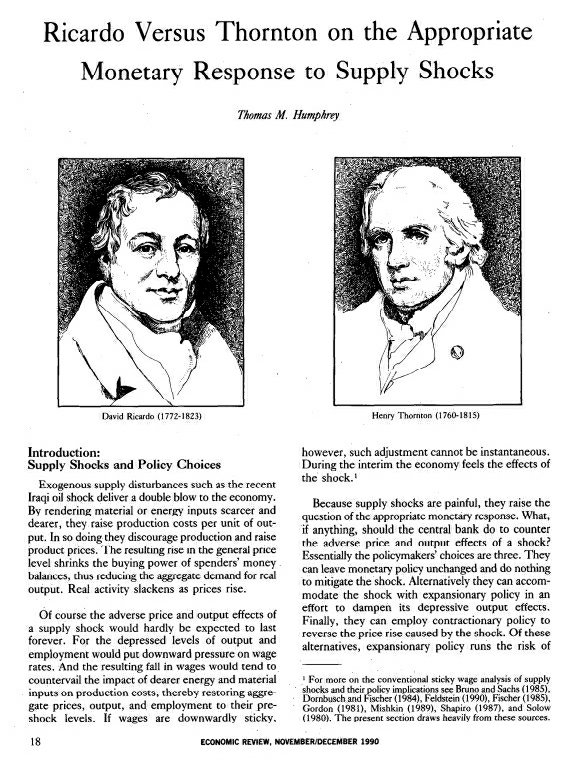
Prescott on booms and busts
25 Oct 2021 Leave a comment
in budget deficits, business cycles, economic growth, history of economic thought, macroeconomics, monetarism, monetary economics
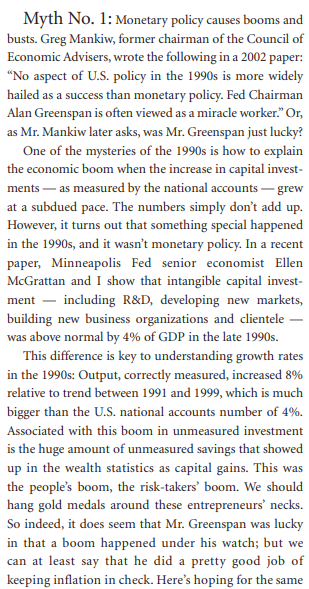
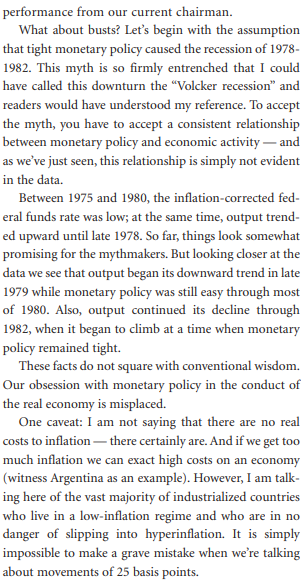
From Five Macroeconomic Myths, By Edward Prescott, The Wall Street Journal, December 11, 2006 https://www.minneapolisfed.org/~/media/files/research/prescott/wsj/wsj_12-11-06_five_macroeconomic_myths.pdf?la=en via https://www.minneapolisfed.org/research/prescott/wsj
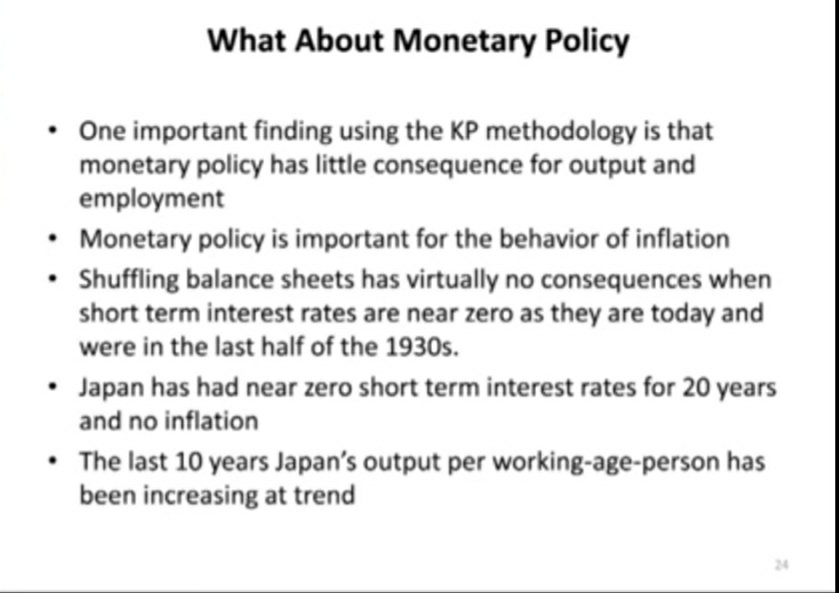
When will #COVID19 job support cross into the zombie quagmire?
25 Oct 2021 Leave a comment
in budget deficits, business cycles, economic history, history of economic thought, income redistribution, industrial organisation, labour economics, macroeconomics, monetary economics, survivor principle, unemployment Tags: economics of pandemics, Japan, unintended consequences

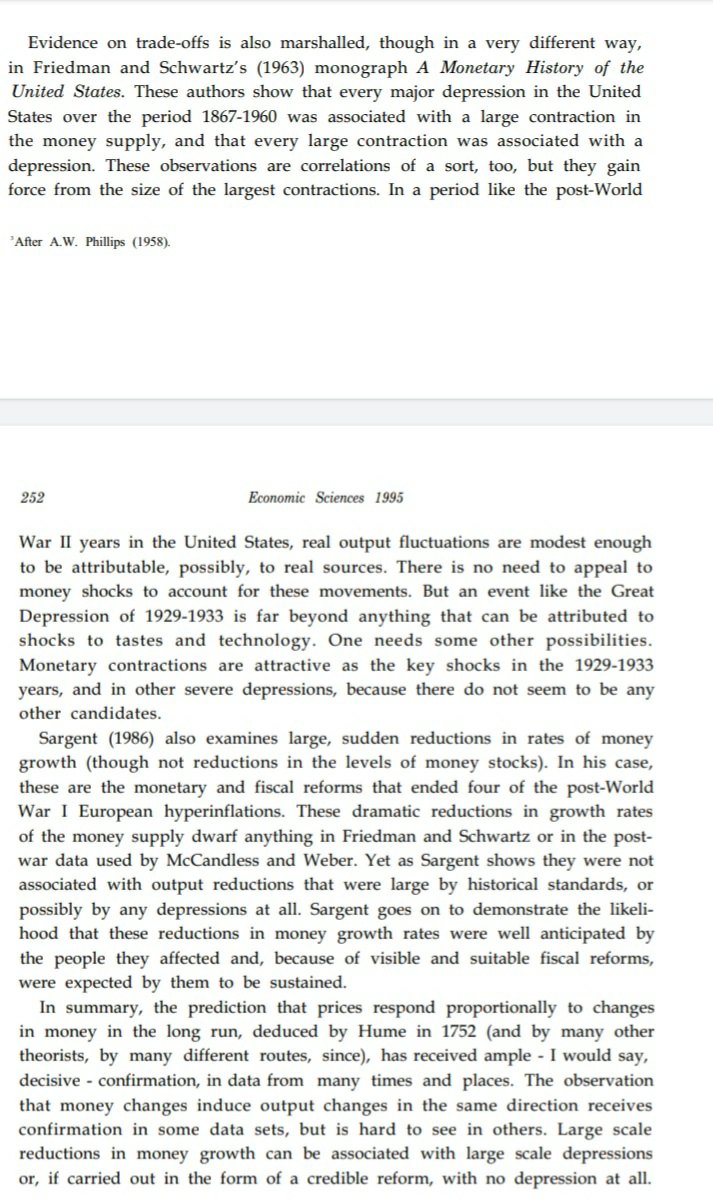
Ricardo Versus Thornton on the Appropriate Monetary Response to Supply Shocks
23 Oct 2021 Leave a comment
in business cycles, economic growth, history of economic thought, macroeconomics, monetary economics Tags: monetary policy, real business cycles
The Macroeconomic Consequences of Infrastructure Investment
22 Oct 2021 Leave a comment
in applied price theory, budget deficits, business cycles, econometerics, economic growth, fiscal policy, labour economics, labour supply, macroeconomics, monetary economics, unemployment Tags: multiplier
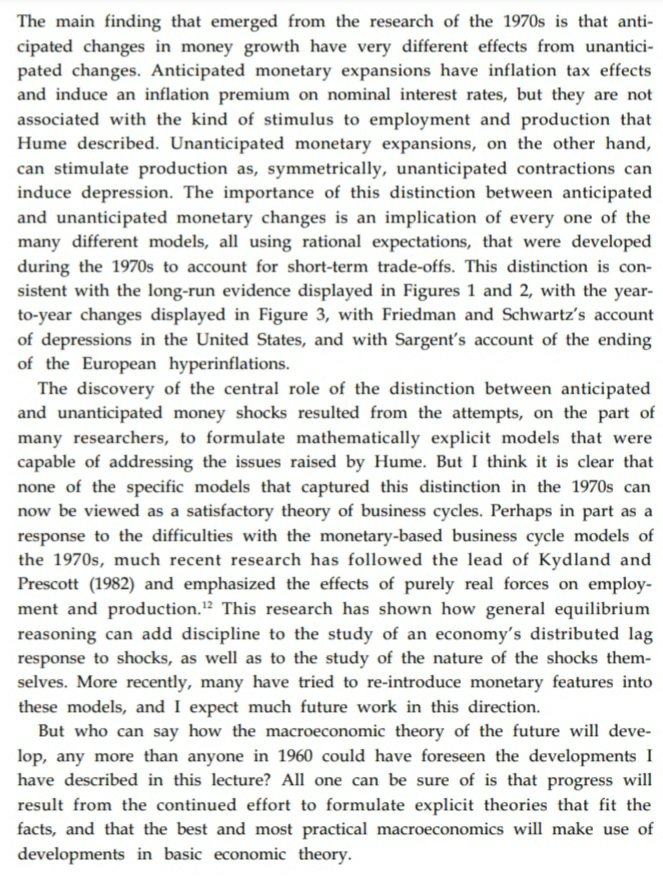
Lecture 1: Empirical overview of macro development
22 Oct 2021 Leave a comment
in applied price theory, applied welfare economics, comparative institutional analysis, development economics, econometerics, economic growth, economic history, Edward Prescott, growth disasters, growth miracles, history of economic thought, industrial organisation, labour economics, labour supply, law and economics, macroeconomics, property rights, Robert E. Lucas
After Dodd Frank: John H. Cochrane
20 Oct 2021 Leave a comment
in applied welfare economics, Austrian economics, business cycles, comparative institutional analysis, economic history, economics of information, economics of regulation, financial economics, global financial crisis (GFC), great depression, great recession, history of economic thought, industrial organisation, law and economics, macroeconomics, monetary economics, property rights
Hayek Lecture 2011: Robert Barro on ‘Fiscal-Stimulus Packages’
18 Oct 2021 Leave a comment
in applied price theory, Austrian economics, budget deficits, business cycles, econometerics, economic growth, economic history, economics of bureaucracy, Euro crisis, F.A. Hayek, fiscal policy, global financial crisis (GFC), great depression, great recession, history of economic thought, inflation targeting, job search and matching, labour economics, labour supply, macroeconomics, monetarism, monetary economics, Public Choice, unemployment
 Utopia, you are standing in it!
Recent Comments