Macros With Mythili – With Nobel Prize Winning Economist Finn Kydland
08 Jun 2019 Leave a comment
in budget deficits, business cycles, comparative institutional analysis, economic growth, history of economic thought, macroeconomics, monetary economics, Public Choice Tags: game theory, time inconsistency
Why I’m No Longer a Vegan (I Lied to You and I’m Sorry)
08 Jun 2019 Leave a comment
in economics of media and culture, health economics Tags: vegans
Milton Friedman – Why Economists Disagree
08 Jun 2019 Leave a comment
in applied price theory, applied welfare economics, budget deficits, business cycles, comparative institutional analysis, economic growth, economics of regulation, fiscal policy, international economics, macroeconomics, Milton Friedman, monetary economics
Squeezing blood from a stone: eighteenth century debtors’ prisons worked
07 Jun 2019 Leave a comment

by Alex Wakelam (University of Cambridge)
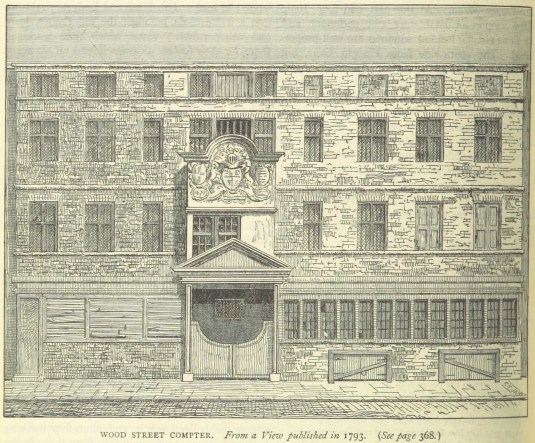 Wood Street Compter, 1793. Image extracted from page 384 of volume 1 of Old and New London, Illustrated, by Walter Thornbury. Available at Wikimedia Commons.
While it is often assumed that debtors’ prisons were illogical and ineffective, my research demonstrates that they were extremely economically effective for creditors though they could ruin the lives of debtors.
The debtors’ prison is a frequent historical bogeyman, a Dickensian symptom of the illogical cruelty of the past that disappeared with enlightened capitalism. As imprisoning someone who could not afford to pay their debts, keeping them away from work and family, seems futile it is assumed creditors were doing so to satisfy petty revenge.
But they were a feature of most of English history from 1283, and though their power was curbed in 1869, there were still debtors imprisoned in the 1920s. The reason they persisted, as my…
View original post 519 more words
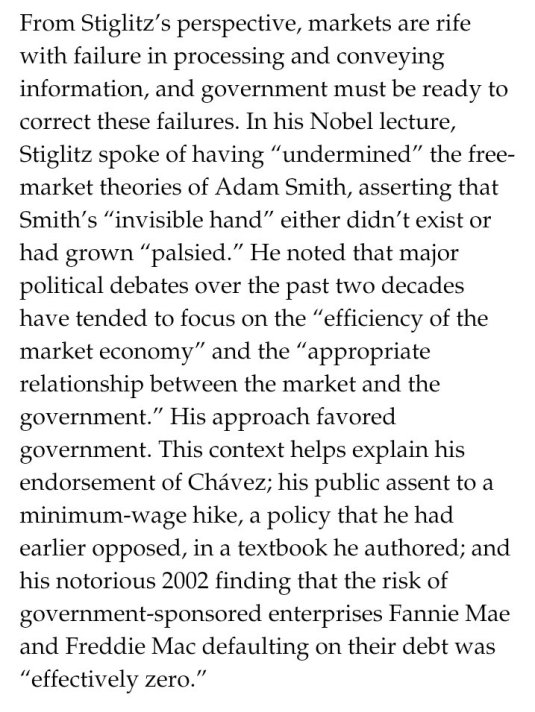
Joe Stiglitz was a consultant to Freddie and Fanny in 2002 on the chances of their mortgage underwriting portfolio going south
07 Jun 2019 Leave a comment
in applied price theory, business cycles, financial economics, global financial crisis (GFC), great recession, law and economics, macroeconomics, monetary economics, politics - USA Tags: moral hazard
D-Day: Every Half Hour
07 Jun 2019 Leave a comment
in defence economics, war and peace Tags: D-Day, World War II
#OTD Winston Churchill announcing Germany’s unconditional surrender
07 Jun 2019 Leave a comment
in defence economics, war and peace Tags: World War II
Why Nations Fail: The Origins of Power, Prosperity and Poverty — Daron Acemoglu
07 Jun 2019 Leave a comment
in defence economics, development economics, economic history, economics of crime, economics of regulation, entrepreneurship, history of economic thought, international economics, law and economics, Public Choice Tags: economics of autocracy, economics of colonialism, The Great Enrichment
Milton Friedman 1991
07 Jun 2019 Leave a comment
in applied price theory, comparative institutional analysis, development economics, economic history, economics of education, economics of regulation, environmental economics, industrial organisation, labour economics, law and economics, macroeconomics
Kicked in the Crotch vs. Childbirth: The Great Debate
06 Jun 2019 Leave a comment
in economics of media and culture
How the D-Day landings shaped the world | The Economist
06 Jun 2019 Leave a comment
in defence economics, war and peace Tags: D-Day, World War II
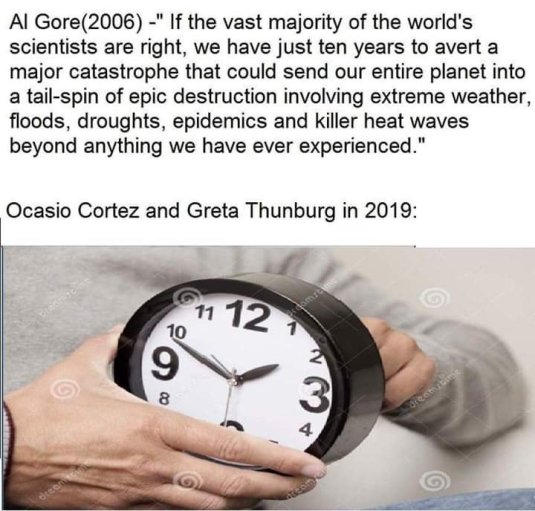
We’re All Gonna Die: Climate Change Apocalypse by 2050
06 Jun 2019 Leave a comment

Worst-case scenarios mislead far more than they enlighten.
RONALD BAILEY | 6.5.2019 Reason
Man-made climate change (now dubbed “climate crisis” by The Guardian‘s editors) poses potentially serious risks for humanity in this century. But acknowledging the hazard is not enough for a growing claque of meteorological apocalypse porn peddlers who insist that if their prescriptions for solving the problem are not followed then civilization will momentarily come to an end.
Recent hawkers of fast approaching climate doom include David Wallace-Wells in his book The Uninhabitable Earth: Life After Warming, Cumbria University professor Jem Bendell’s“Deep Adaptation” paper, and environmental activist Bill McKibben’sFalter: Has the Human Game Begun to Play Itself Out? (my review is forthcoming).
Now comes a policy paper, Existential climate-related security risk: A scenario approach, from an Australian climate action advocacy group the Breakthrough National Centre for Climate Restoration. The headline over at
View original post 79 more words


Recent Comments