
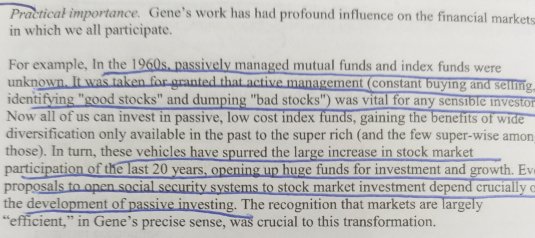
Christopher Hitchens on Chomsky’s intellectually lazy, boring & mediocre response to Afghanistan
17 May 2019 Leave a comment
in defence economics, economics of crime, International law, law and economics, war and peace Tags: war against terror
George III – The Truth of Britain’s Own Mad King
17 May 2019 Leave a comment

One of the United Kingdom’s longest-reigning monarchs, George III ruled as king for nearly 60 years, initially as both King of Great Britain and King of Ireland and later as King of the United Kingdom of Great Britain and Ireland after the unification of the new nations in 1801. His long reign was marked by some of the British Army’s greatest triumphs, culminating in the the defeat of Napoleon at the Battle of Waterloo in 1815. However, many also remember him as the king that lost America. Towards the end of his life, George III suffered bouts of severe mental illness that would ultimately become a permanent condition. While many readers are more likely to associate the term ‘the mad king’ with Game of Thrones, George III was known by the same moniker by both contemporaries and later researchers alike. While his mental health undoubtedly deteriorated severely towards the end…
View original post 1,185 more words
Curious How Marijuana Can Effect the Weather Here in Sunny SoCal?
16 May 2019 Leave a comment
in economics of crime, law and economics Tags: marijuana decrimilization
Pretty much so
16 May 2019 Leave a comment
in economics of religion Tags: free speech, political correctness, regressive left
BBC film exposes falsehoods in two previous reports
16 May 2019 Leave a comment

Two months ago, on March 18th, BBC Radio 4’s ‘Today’ programme aired an item which included an interview presented by host Nick Robinson as follows:
Robinson: “The United Nations has said that over a year of weekly protests at the border with Gaza [sic] 193 Palestinians have been killed and more than 26 thousand injured. Among them is Dr Tarek Loubani, a Canadian Palestinian associate professor at the University of Western Ontario.”
Loubani: “I’d like to say that I was doing something heroic when I got shot but I wasn’t. I was standing. It was quiet, there was nothing else happening on the field. I was just loitering, talking to some of my colleagues. I was marked clearly in greens and had been on the field for a few hours so it was obvious to the soldiers, who were very close to us, exactly what we were doing. And I…
View original post 611 more words
“NO MORE CHAMPAGNE: Churchill and his money” An Evening with David Lough
16 May 2019 Leave a comment
in economic history Tags: Winston Churchill
Firing Line – Thomas Sowell w/ William F. Buckley Jr. (1981)
16 May 2019 Leave a comment
in applied price theory, development economics, discrimination, economic history, economics of crime, economics of education, economics of information, economics of regulation, entrepreneurship, gender, human capital, industrial organisation, labour economics, labour supply, law and economics, minimum wage, occupational choice, poverty and inequality, Public Choice, Thomas Sowell, unemployment
No Considerations: Doing Business in India Without Bribes (amazing story)
16 May 2019 Leave a comment
in applied price theory, development economics, economics of bureaucracy, economics of crime, economics of regulation, entrepreneurship, environmental economics, growth disasters, growth miracles, health economics, industrial organisation, international economics, law and economics, property rights, Public Choice, public economics, urban economics Tags: bribery and corruption, India
Women Working: What’s the Pill Got to Do With It?
16 May 2019 Leave a comment
in discrimination, economic history, economics of education, economics of love and marriage, gender, human capital, labour economics, labour supply, law and economics, occupational choice, Richard Posner Tags: dating markets, marriage and divorce
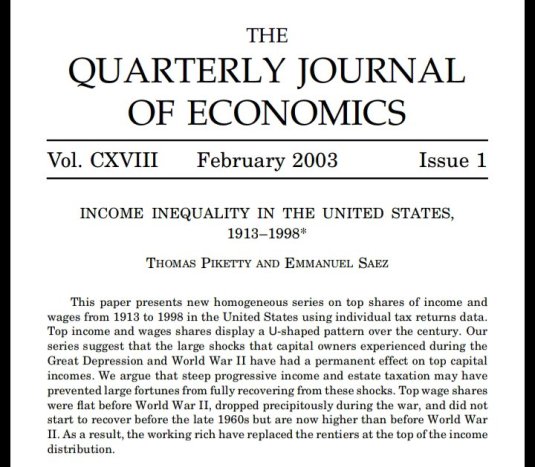
Today’s rich are a working rich says an unimpeachable source
16 May 2019 Leave a comment
in applied price theory, applied welfare economics, economic history, economics of education, entrepreneurship, human capital, income redistribution, industrial organisation, labour supply, occupational choice, politics - USA, poverty and inequality, Public Choice, public economics, survivor principle Tags: top 1%
George Stigler Can regulatory agencies protect the consumer? (1971)
16 May 2019 Leave a comment
in applied price theory, comparative institutional analysis, economic history, economics of bureaucracy, economics of information, economics of regulation, environmental economics, George Stigler, history of economic thought, income redistribution, industrial organisation, law and economics, property rights, Public Choice, rentseeking, survivor principle


Recent Comments