Many antitrust economists are wary of the efficacy of predatory pricing, the strategy of pricing below costs to drive a competitor out of a market. The usual counter-argument is that, for it to work, the inevitable losses this will entail must be recouped after the rival has exited. Recoupment requires higher prices … that can…
A Hiccup in a Price War
A Hiccup in a Price War
08 May 2026 Leave a comment
in applied price theory, entrepreneurship, industrial organisation, transport economics
The supply-side story behind falling meth prices in New Zealand
08 May 2026 Leave a comment
in applied price theory, economics of crime, health economics, law and economics
Chris Wilkins, Marta Rychert, and Robin van der Sanden (all Massey University) wrote an article in The Conversation last month about the price of methamphetamine:Methamphetamine has become dramatically cheaper over the past seven years, even as authorities report record seizures, according to the latest New Zealand Drug Trends Survey.The annual online survey of over 8,800…
The supply-side story behind falling meth prices in New Zealand
Do Market Reforms Cause Growth?
08 May 2026 Leave a comment
in applied price theory, development economics, econometerics, economic growth, economic history, history of economic thought, labour economics, macroeconomics, unemployment
Do market-oriented reforms cause economic growth? This paper revisits this question using a cross-country panel of reform episodes identified from various changes in well-known economic freedom and structural reform indices. We exploit the timing of reforms using distributed-lag and event-study frameworks that trace the dynamic response of per-capita GDP. We find little evidence of immediate…
Do Market Reforms Cause Growth?
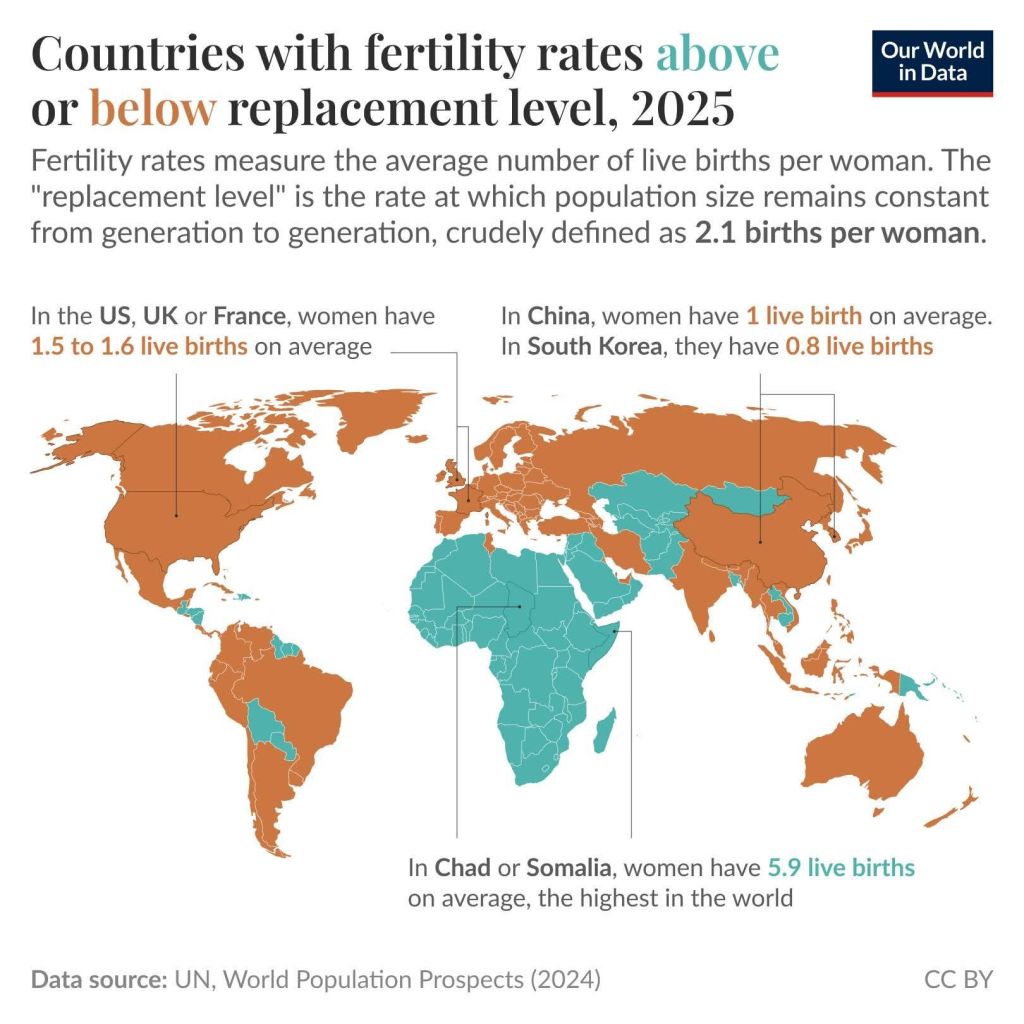
The population bust
07 May 2026 Leave a comment
in economics of love and marriage, gender, labour economics, labour supply, law and economics, population economics Tags: ageing society, population bust
IPCC Admits Apocalyptic Climate Scenarios Are “Implausible” – Meaning Most Media Scare Stories Over Last 15 Years Are Officially Junk
06 May 2026 Leave a comment
in economics of climate change, economics of natural disasters, economics of regulation, energy economics, environmental economics, environmentalism, global warming Tags: climate alarmism
Purely anecdotal, but the BBC seems to have moderated its wilder climate stories of late with the “Climate” topic on its News site relegated to the second tier of subjects. The post IPCC Admits Apocalyptic Climate Scenarios Are “Implausible” – Meaning Most Media Scare Stories Over Last 15 Years Are Officially Junk appeared first on…
IPCC Admits Apocalyptic Climate Scenarios Are “Implausible” – Meaning Most Media Scare Stories Over Last 15 Years Are Officially Junk
Mauthausen Liberated
06 May 2026 Leave a comment
in defence economics, economics of crime, law and economics, war and peace Tags: Nazi Germany, The Holocaust, World War II

On 5 May 1945, Mauthausen Concentration Camp was liberated by the US Army. Just a simple poem to commemorate that day. In Mauthausen’s shadow, where darkness did dwell,In the heart of despair, where horrors did swell,There came a day of courage, a day of light,When the chains of oppression were shattered in flight. From the […]
Mauthausen Liberated
The Tragic Hysteria of Abortion
06 May 2026 Leave a comment
in discrimination, economics of crime, gender, health economics, law and economics Tags: abortion law reform
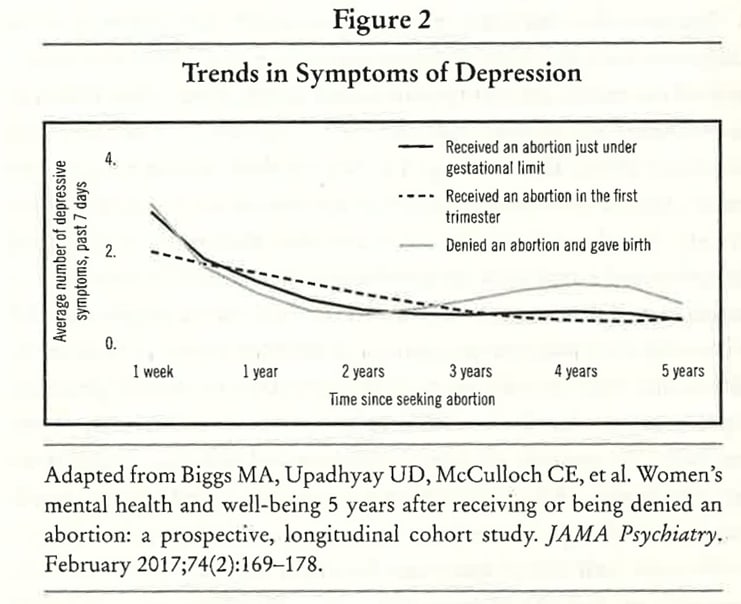
The radical pro-life position — “Abortion is as immoral as murdering a baby” — is easily refuted with a simple thought experiment. Namely: If you could either save one human baby from a fire, or a dozen human embryos, what are you morally obliged to do? 2,263 more words
The Tragic Hysteria of Abortion
Forthcoming – Cuban Infant Mortality and Longevity: Health Care or Repression?
05 May 2026 Leave a comment
in economic history, economics of regulation, health economics, Marxist economics, transport economics Tags: Cuba, life expectancies
I have received news that a short article submitted to Health Policy & Planning has been accepted for publication. In the article, I argue that the statistics regarding Cuba’s health care are distorted by the incentives generated by the target system under which physicians must operate (at the threat of penalties). To meet their targets, they re-categorize […]
Forthcoming – Cuban Infant Mortality and Longevity: Health Care or Repression?
“Get Rid of the Department of Climate Change”: Aussie One Nation’s Condition for a Future Coalition Government Deal
05 May 2026 Leave a comment
in economics of climate change, energy economics, environmental economics, environmentalism, global warming, politics - Australia
One Nation, which is riding high in national polls, has laid out a hard condition for supporting any future right wing Aussie coalition government. The post “Get Rid of the Department of Climate Change”: Aussie One Nation’s Condition for a Future Coalition Government Deal appeared first on Watts Up With That?.
“Get Rid of the Department of Climate Change”: Aussie One Nation’s Condition for a Future Coalition Government Deal
China Shock 2.0 vs. China Shock 1.0
04 May 2026 Leave a comment
in applied price theory, development economics, econometerics, economic history, growth miracles, history of economic thought, industrial organisation, international economics, survivor principle Tags: China, free trade
TweetThis post by Oxford economist J. Zachary Mazlish is very good; I encourage you to read it. (HT David Levey) Nevertheless, there are two points that I think to be worth making in response to Mazlish’s post. I will here make one of these points. I’ll make the other of these points in a follow-up…
China Shock 2.0 vs. China Shock 1.0
Care to Wager Again? An Appraisal of Paul Ehrlich’s Counterbet Offer to Julian Simon
04 May 2026 Leave a comment
in energy economics, environmental economics, environmentalism
Alongside Joanna Szurmak and Pierre Desrochers, I have a new paper available. This time its at Social Science Quarterly and its a very long article. So long that the journal asked us to split it into two parts (part 1 and part 2). The paper deals with the aftermath of the bet between Julian Simon […]
Care to Wager Again? An Appraisal of Paul Ehrlich’s Counterbet Offer to Julian Simon
Quotation of the Day…
03 May 2026 Leave a comment
in Adam Smith, applied price theory, history of economic thought
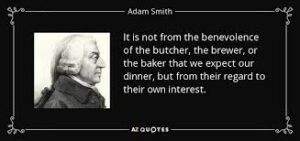
Tweet… is from page 47 of philosopher Christopher Freiman’s excellent contribution, titled “Utilitarianism,” to the 2016 collection edited by Aaron Ross Powell and Grant Babcock, Arguments for Liberty [original emphasis]: The great virtue of the market, from a utilitarian perspective, is that it leads us to promote the happiness of others without demanding that we…
Quotation of the Day…
The United States vs. Europe, Part V
03 May 2026 Leave a comment
in applied price theory, economic growth, economic history, macroeconomics Tags: European Union

The world’s big economic policy battle is not capitalism vs. socialism. Other than a few primitive backwater nations like Cuba and North Korea, genuine socialism has largely been vanquished. Instead, the battle in most countries largely revolves around the size of the welfare state. At the risk of over-simplifying, here are the three choices. Should […]
The United States vs. Europe, Part V
The UK elections – how bad will Labour do
03 May 2026 Leave a comment
in politics, Public Choice Tags: British politics
On 7 May, there will be elections in Scotland, Wales and much of England. Up will be: The latest poll projections have Labour losing around 1,700 of their 2,200 councillors with the gains being Reform +1,450, Greens +900, Lib Dems +330. Losing 80% of your seats is terrible. In the Welsh Senedd, Labour have 30…
The UK elections – how bad will Labour do
Confusing BBC portrayal of Hizballah and the Israel-Lebanon ceasefire
02 May 2026 Leave a comment
in defence economics, laws of war, war and peace Tags: Israel, Lebanon, media bias, Middle-East politics, war against terror

Visitors to the BBC News website during the five days between April 13th and April 17th could have been forgiven for being rather confused… The post Confusing BBC portrayal of Hizballah and the Israel-Lebanon ceasefire appeared first on CAMERA UK.
Confusing BBC portrayal of Hizballah and the Israel-Lebanon ceasefire
 Utopia, you are standing in it!
Recent Comments