Why the V1 Flying Bomb couldn’t turn the tide of WW2
13 Mar 2022 Leave a comment
in defence economics, war and peace Tags: World War II

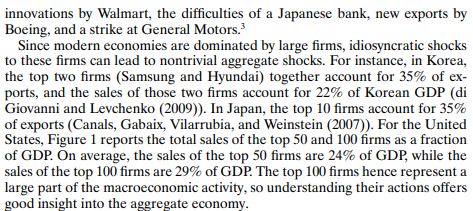
No exclusion crisis in Scotland
12 Mar 2022 Leave a comment
in constitutional political economy, economic history, economics of religion
The Economics of War, Part II: Trade Restrictions Make a Nation Weaker
12 Mar 2022 Leave a comment

Way back in 2010, I explained that Paul Krugman was wrong to think that wars were good for the economy.
 Indeed, he was more wrong than usual. The additional spending for the military isn’t “stimulus,” so his usual Keynesian argument was misguided.
Moreover, he didn’t seem to understand that wars also destroy existing wealth.
Today we are going to look at how war can teach us another economic lesson.
The United States and other major nations have responded to Russia’s assault on Ukraine by imposing trade restrictions with Russia.
If protectionists are correct, these steps (effectively imposing an extreme Russian version of Biden’s “buy America” policy) should strengthen Putin.
Yet that’s obviously not the purpose of the sanctions.
Instead, officials from western nations understand that these trade barriers will weaken Russia’s economy.
By the way, this isn’t the only example of nations using trade restrictions to hurt their enemies.
View original post 176 more words
No End Date For Coal & Nuclear: Gas Crunch Drives Germany’s Grand Renewables Backflip
12 Mar 2022 Leave a comment

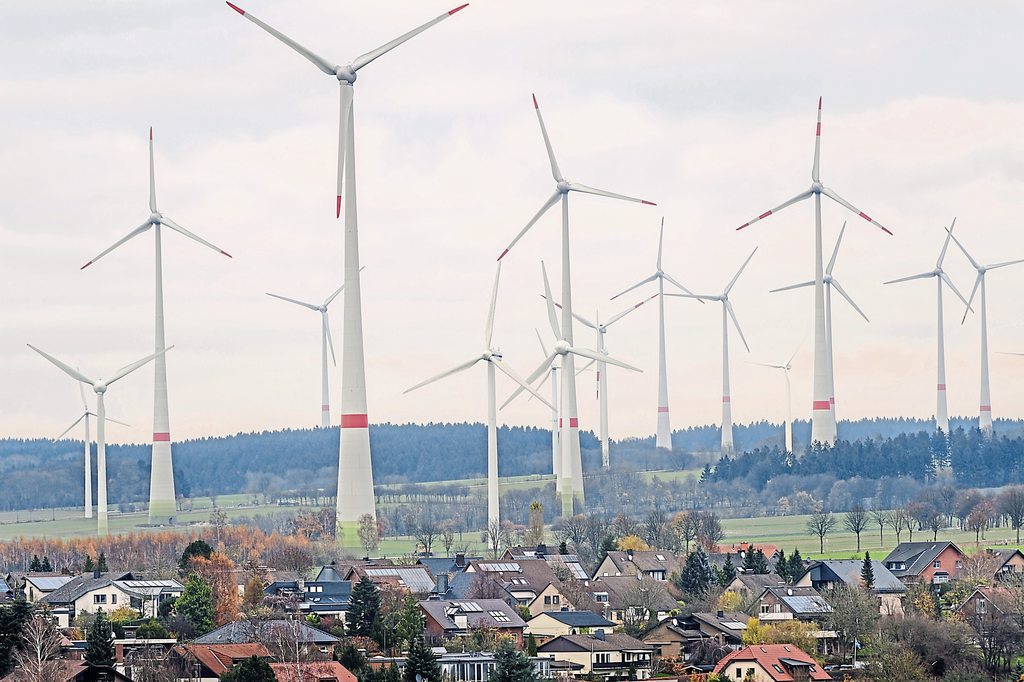
A month or so back, Germany’s green-infested government was talking up the end of coal and nuclear power plants; the last phase in its ‘inevitable’ transition to an all wind and sun-powered future, as the wind and sun cult would have it.
Well. That was then, this is now.
With the squeeze on Russian gas and oil supplies, Germany (among others) has been forced to meet reality, head-on.
All of a sudden, even its rabid the anti-fossil fuel Greens have backflipped on plans to kill off Germany’s nuclear and coal-fired plants. Necessity being, in this case, the mother of ideological reinvention.
Tsvetana Paraskova tells the tale of how reality is driving Germany’s grand renewables reversal.
Germany Goes For Full Energy Policy Overhaul Amid Ukraine Crisis
Oil Price
Tsvetana Paraskova
28 February 2022
The Russian invasion of Ukraine upended the energy policy of Germany. In just a few days since Putin…
View original post 655 more words
Still No Global Warming, Cool February Land and Sea
12 Mar 2022 Leave a comment

The post below updates the UAH record of air temperatures over land and ocean. But as an overview consider how recent rapid cooling has now completely overcome the warming from the last 3 El Ninos (1998, 2010 and 2016). The UAH record shows that the effects of the last one were gone as of April 2021, again in November, 2021 and now in January and February 2022. (UAH baseline is now 1991-2020).
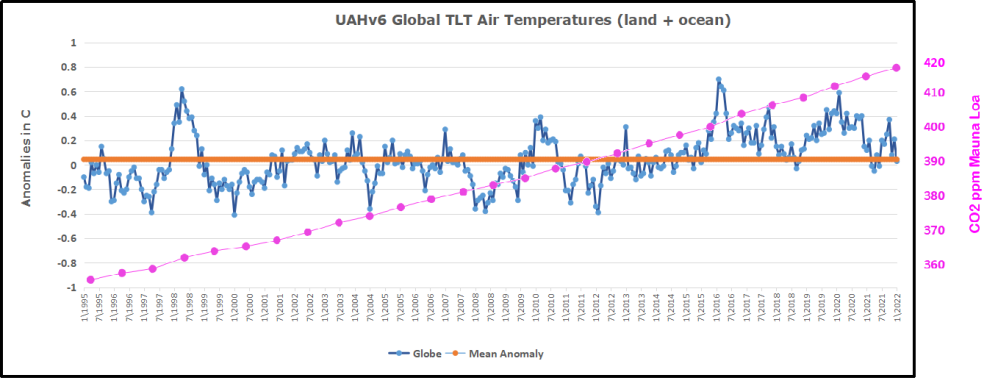
For reference I added an overlay of CO2 annual concentrations as measured at Mauna Loa. While temperatures fluctuated up and down ending flat, CO2 went up steadily by ~55 ppm, a 15% increase.
Furthermore, going back to previous warmings prior to the satellite record shows that the entire rise of 0.8C since 1947 is due to oceanic, not human activity.
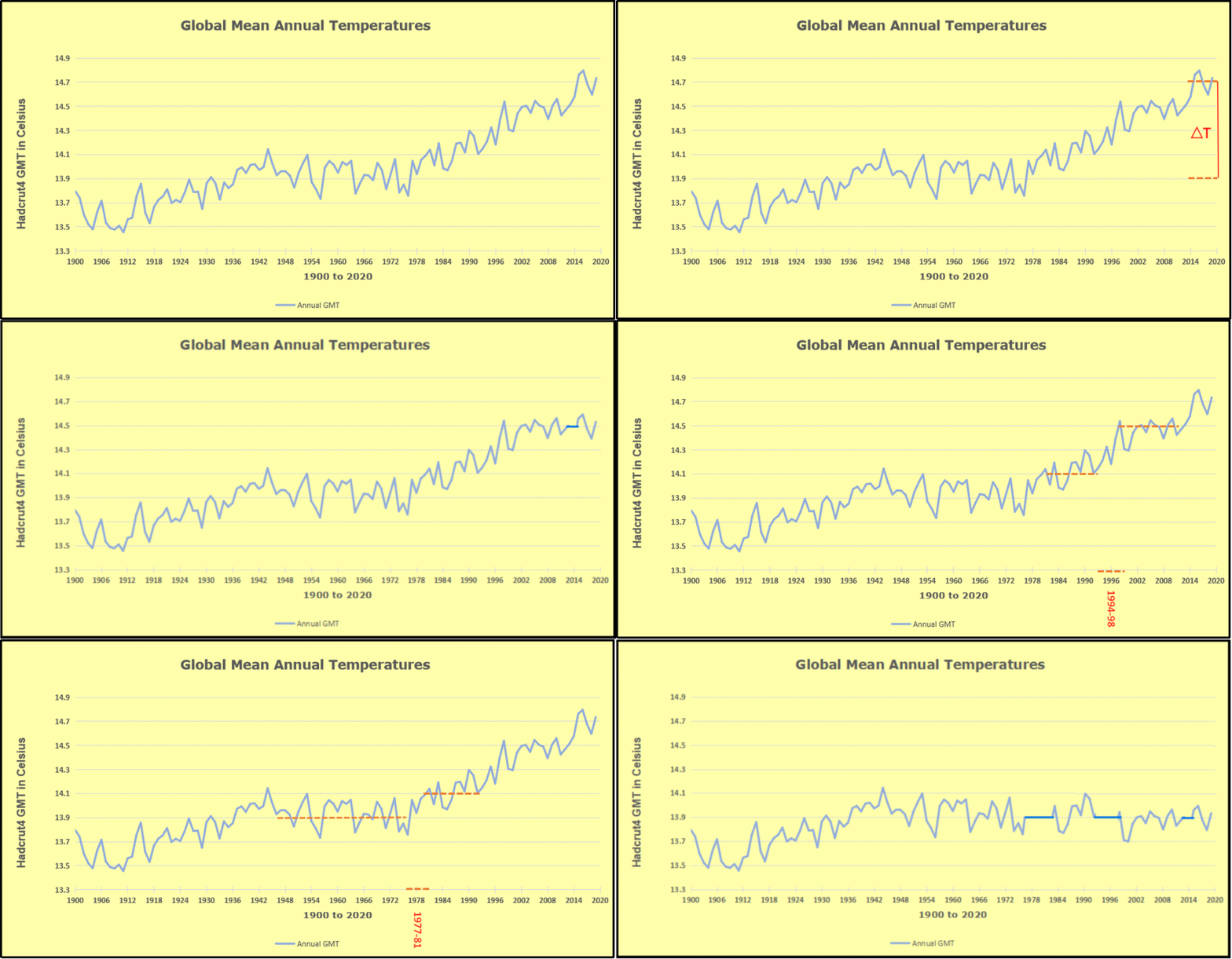
The animation is an update of a previous analysis from Dr. Murry Salby. These graphs use Hadcrut4 and…
View original post 1,147 more words
Accession of Queen Anne of England, Scotland and Ireland. Part IV.
12 Mar 2022 Leave a comment

William of Orange invaded England on November 5, 1688 in an action known as the Glorious Revolution, which ultimately deposed King James II-VII of England, Scotland and Ireland. Forbidden by James to pay Mary a projected visit in the spring of 1687, Anne corresponded with her and was aware of the plans to invade.
On the advice of the Churchills, Anne refused to side with James after William landed and instead wrote to William on November 18, declaring her approval of his action. Churchill abandoned the unpopular King James on the 24th. Prince George followed suit that night, and in the evening of the following day James issued orders to place Sarah Churchill under house arrest at St James’s Palace.
Anne and Sarah fled from Whitehall by a back staircase, putting themselves under the care of Bishop Compton. They spent one night in his house, and subsequently arrived at Nottingham…
View original post 753 more words
March 11, 1708: Queen Anne becomes last British monarch to veto legislation.
12 Mar 2022 Leave a comment
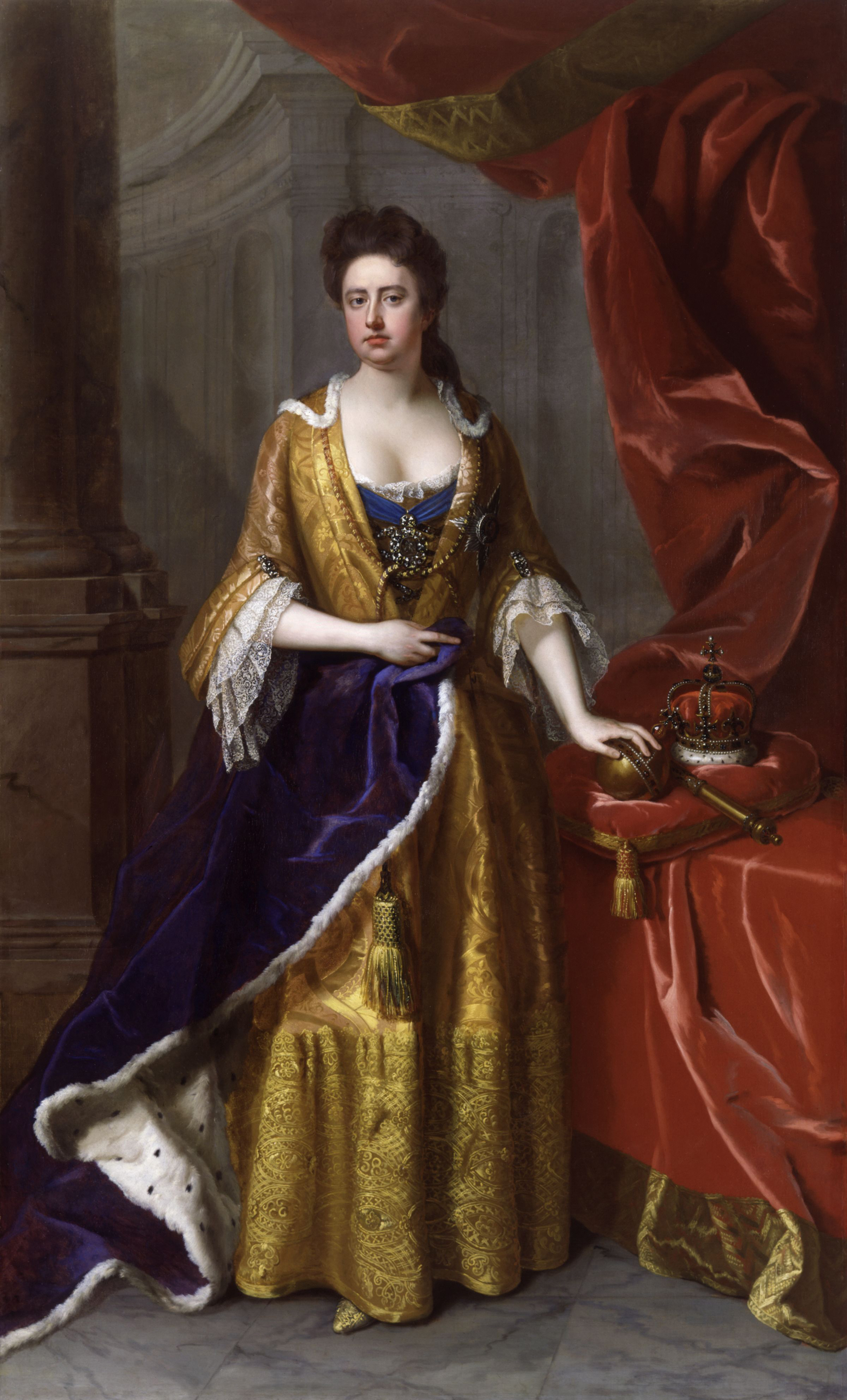
The Scottish Militia Bill 1708 (known formerly as the Scotch Militia Bill) was a bill that was passed by the House of Commons and House of Lords of the Parliament of Great Britain in early 1708.
However, on March 11, 1708, Queen Anne of Great Britain and Ireland, withheld Royal Assent on the advice of her ministers for fear that the proposed militia would be disloyal. This was due to the sudden appearance of a Franco-Jacobite invasion fleet en route to Scotland which gave ministers second thoughts, at the last minute, about allowing it to reach the statute books. It was the last occasion on which the Royal Veto was used.
 Content
The bill’s long title was “An Act for settling the Militia of that Part of Great Britain called Scotland”. Its object was to arm the Scottish militia, which had not been recreated at the Restoration. This happened…
View original post 186 more words
Hitch and skeptics
12 Mar 2022 Leave a comment
in economics of education Tags: conjecture and refutation, philosophy of science
The Battle of Neuve-Chapelle I THE GREAT War Week 33
12 Mar 2022 Leave a comment
in defence economics, laws of war, war and peace Tags: World War I
The Mysterious Disease That Wiped Out the Aztecs
12 Mar 2022 Leave a comment
in development economics, economic history, health economics Tags: Age of exploration
Russia, The US, and Crude Data
11 Mar 2022 Leave a comment

Overall, I’ve been disappointed with the reporting on the US embargo against Russian oil. The AP reported that the US imports 8% of Russia’s crude oil exports. But then they and other outlets list a litany of other figures without any context for relative magnitudes. Let’s shine some more light on the crude oil data.*
First, the 8% figure is correct – or, at least it was correct as of December of 2021. The below figure charts the last 7 years of total Russian crude oil exports, US imports of Russian crude oil, and the proportion that US imports compose. That 8% figure is by no means representative of recent history. The average US proportion in 2015-2018 was 7.8%. But the US share as since risen in level and volatility. Since 2019, the US imports compose an average of 11.9% of all Russian crude oil exports.
As an exogenous shock…
View original post 757 more words
Crash (2004) Review
11 Mar 2022 Leave a comment

Crash (2004) Director: Paul Haggis

Crash is a bleak, depressing, sappy socio-political “message” movie. At the time of its release it was widely praised, even winning Best Picture at the Oscars in 2005. While I can appreciate a film with an anti-bigotry message, Crash just gets more ridiculous and overtly sentimental with time. It does not rank among the greatest of the Best Picture winners in my view.
Crash is a panorama-film. It tells the story a variety of parallel lives, people living empty, broken lives in Los Angeles, people filled with prejudice and hatred and, above all, distance from one another. So they come violently crashing into one another in a string of car accidents, robberies, and gun violence. The plot concerns a struggling Iranian family who runs a shop with a broken door, so they call a Latino locksmith who has already been accused of being…
View original post 196 more words
Accession of Queen Anne of England, Scotland and Ireland. Part III.
11 Mar 2022 Leave a comment
When Charles II died in 1685, Anne’s father became King James II of England and Ireland and also King James VII of Scotland. To the consternation of the English people, James began to give Catholics military and administrative offices, in contravention of the Test Acts that were designed to prevent such appointments.
Anne shared the general concern, and continued to attend Anglican services. As her sister Mary lived in the Netherlands, Anne and her family were the only members of the royal family attending Protestant religious services in England. When her father tried to get Anne to baptise her youngest daughter into the Catholic faith, Anne burst into tears. “The Church of Rome is wicked and dangerous”, she wrote to her sister, “their ceremonies—most of them—plain downright idolatry.” Anne became estranged from her father and stepmother, as James moved to weaken the Church of England’s power.
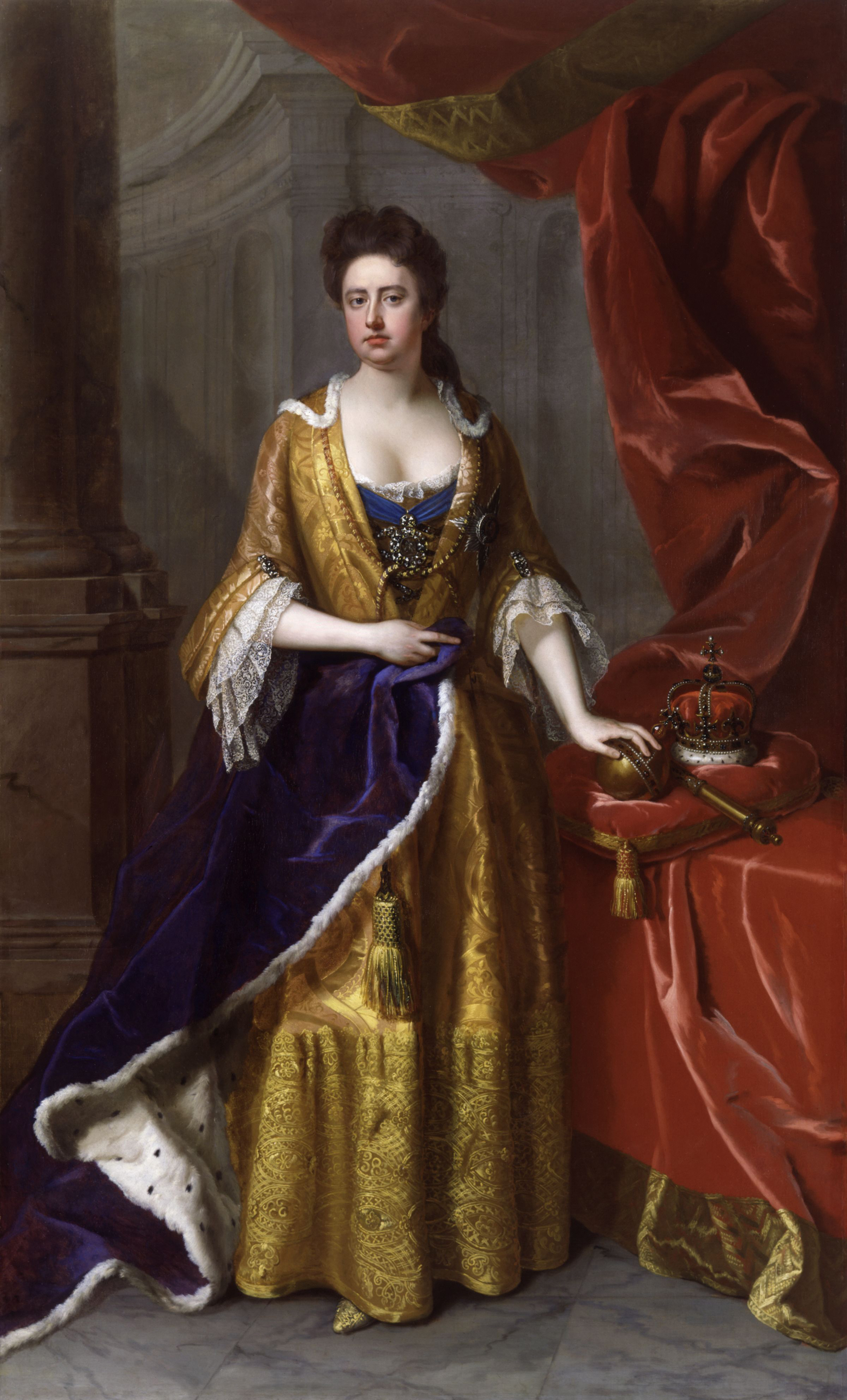 In early 1687, within…
View original post 343 more words


Recent Comments