Law & economics traces its intellectual roots to the University of Chicago. That lineage still shapes how the field is understood. Chicago price theory—especially Gary Becker’s (1976) systematic application of maximization, equilibrium, and stable preferences across social life, and George Stigler’s (1992, p. 459) suggestion that “every durable social institution or practice is efficient, or…
I put something like this up years ago, but it’s a good way to see, with just a few clicks, what happened to Iran after the “Revolution”. Let’s taken women’s dress, a touchstone of misogyny and theocratic oppression. Before the Islamic Revolution of 1979, it was a pretty free country in that respect, and everyone…
One of the key insights of good tax policy is that people respond to incentives. If tax rates are punitive, people will do what they can to protect themselves from predatory government. Especially if they have any ability to control the timing, level, and composition of their income. Star athletes are definitely in this group. They avoid […]
The Telegraph has written a guide for vapers travelling to parts of the world that are even more hostile to e-cigarettes. I am quoted in it. Christopher Snowdon, head of lifestyle economics at the Institute of Economic Affairs and editor of the Nanny State Index, which ranks countries by how much they interfere with people’s lifestyle…
Some observations and comments on Trump and Israel’s war on Iran: 1. Tehran is not looking for a ceasefire and has rejected outreach from Trump. The reason is that they believe they committed a mistake by agreeing to the ceasefire in June – it only enabled the US and Israel to restock and remobilize to…
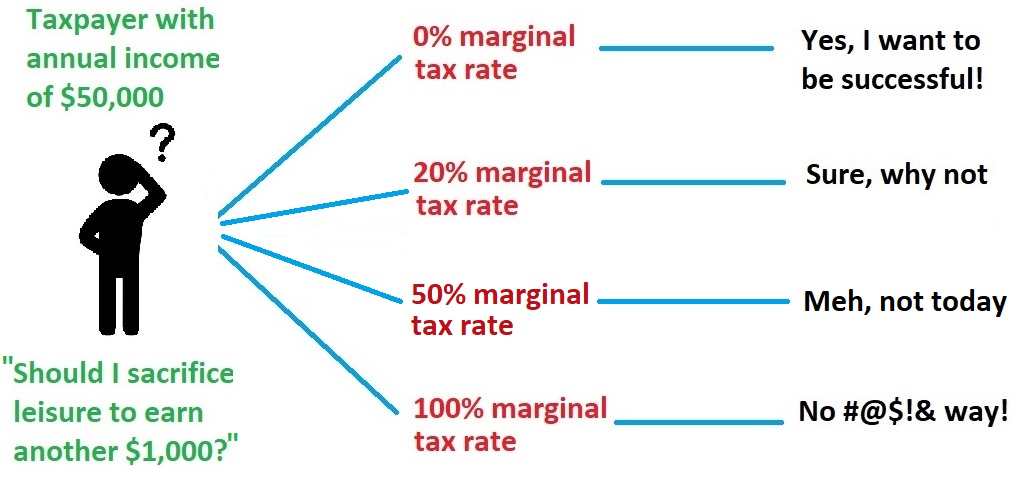
Class-warfare tax policy is always a bad idea. Economists generally don’t like class-warfare policies because it is foolish to impose high marginal tax rates on productive behaviors such as investment and entrepreneurship. Politicians should not like class-warfare policies because of the negative impact on jobs and wages for ordinary people as well as the potential negative […]
We study the macroeconomic effects of tariff policy using U.S. historical data from 1840–2024. We construct a narrative series of plausibly exogenous tariff changes – based on major legislative actions, multilateral negotiations, and temporary surcharges – and use it as an instrument to identify a structural tariff shock. Tariff increases are contractionary: imports fall sharply,…
The brilliant Colin Brazier returns for our second short film on the cult of Net Zero and how it protects ‘green’ policies from being questioned by stifling debate and cracking down on free speech.
This week’s Jesus and Mo strip, called “bells,” came with a comment: “Does she think they were born yesterday?” Wikipedia tells us that another word for “conceptual conservatism” is “belief perseverance,” and characterizes it this way: Belief perseverance (also known as conceptual conservatism) is maintenance of a belief despite new information that firmly contradicts it.[2] Since rationality involves conceptual…
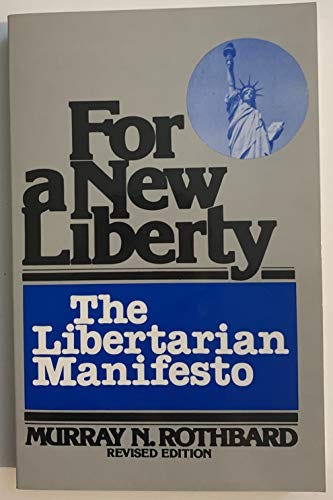
Update: I’m doing a Substack Live today on You Have No Right to Your Culture with the Boyd Institute’s Peter Banks. 4 PM ET.SummaryThis is the shortest chapter of the book, just six pages long. Rothbard makes a laundry list of what he calls “the major problem areas of our society” and argues that government…
When thinking about what makes an economy flourish, many of us tend to focus on the success stories of innovation and growth. After all, success stories involve an element of risk, which means a chance of failure. When it’s more expensive to fail, then avoiding the risk of failure–by avoiding innovative but risky business choices–starts…
The Post reports: The Government has lifted a looming cap on rocket launches over New Zealand waters, in a move pitched as clearing the way for the country’s fast-growing space and advanced aviation industries. Space Minister Judith Collins and Environment Minister Penny Simmonds on Thursday confirmed the permitted number of launches that can drop rocket debris…
Why Evolution is True is a blog written by Jerry Coyne, centered on evolution and biology but also dealing with diverse topics like politics, culture, and cats.
In Hume’s spirit, I will attempt to serve as an ambassador from my world of economics, and help in “finding topics of conversation fit for the entertainment of rational creatures.”






Recent Comments