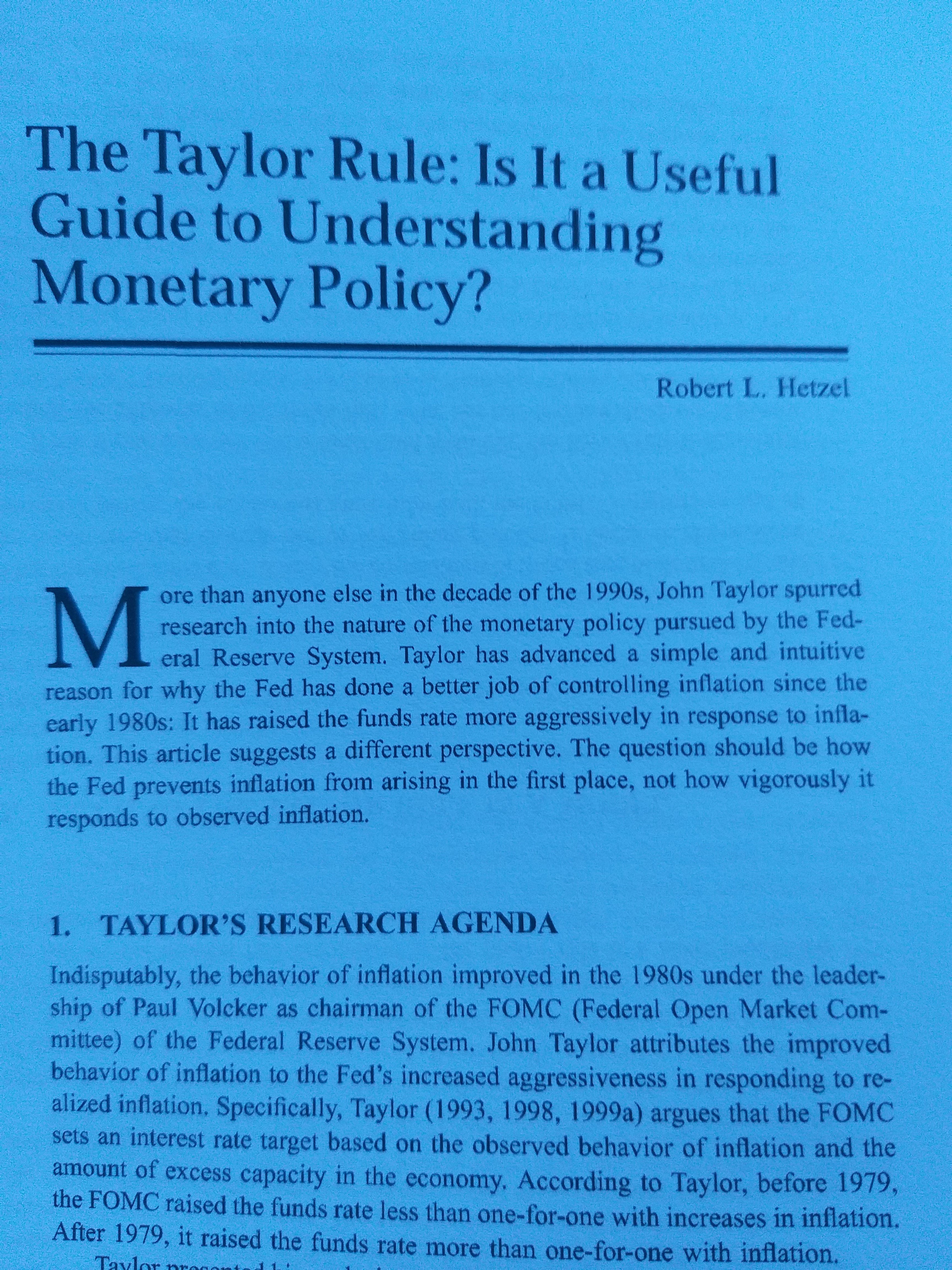
The chicken and the egg
07 Nov 2021 Leave a comment
in business cycles, econometerics, economic history, financial economics, history of economic thought, macroeconomics, monetarism, monetary economics Tags: inflation, monetary policy
From Frontiers of Business Cycle Research 1995
07 Nov 2021 Leave a comment
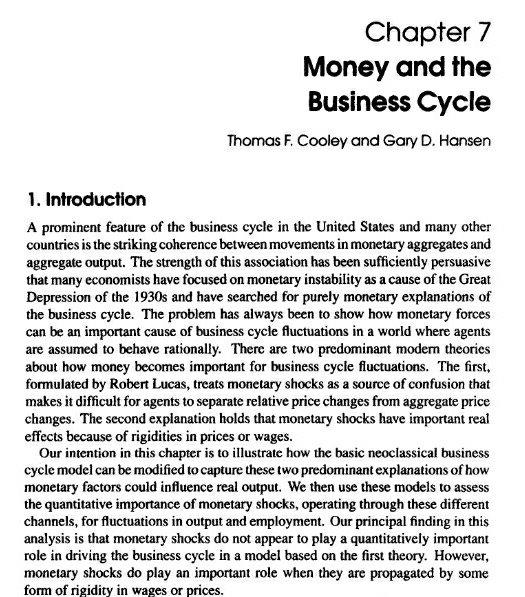
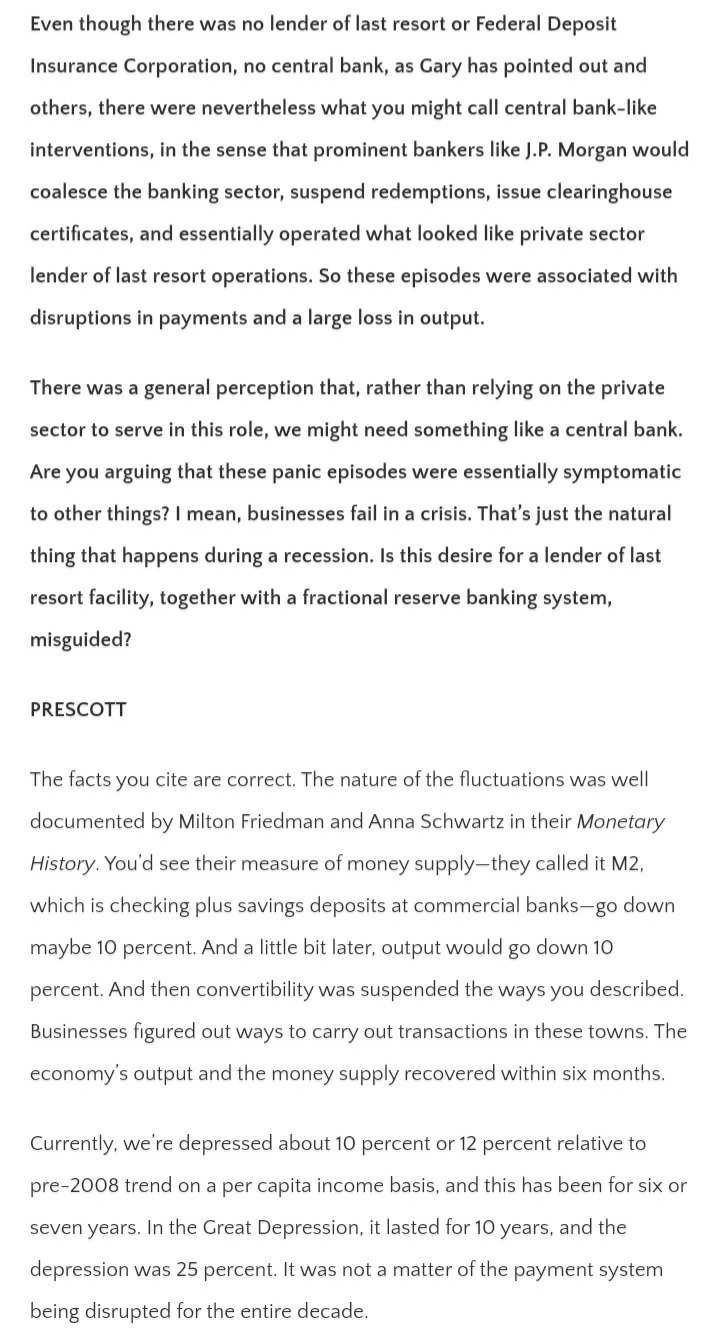
in business cycles, econometerics, economic growth, economic history, Edward Prescott, labour economics, labour supply, macroeconomics, monetary economics, Robert E. Lucas Tags: monetary policy, real business cycles
Terry Anderson on Native American Economics 12/19/2016
07 Nov 2021 Leave a comment
in comparative institutional analysis, constitutional political economy, defence economics, development economics, economic history, economics of regulation, energy economics, experimental economics, growth disasters, history of economic thought, human capital, industrial organisation, labour economics, labour supply, law and economics, occupational choice, poverty and inequality, property rights, survivor principle, welfare reform
Valerie Ramey on Stimulus and Multipliers 10/24/2011
07 Nov 2021 Leave a comment
in budget deficits, business cycles, econometerics, economic growth, economic history, fiscal policy, global financial crisis (GFC), great depression, great recession, history of economic thought, macroeconomics, public economics
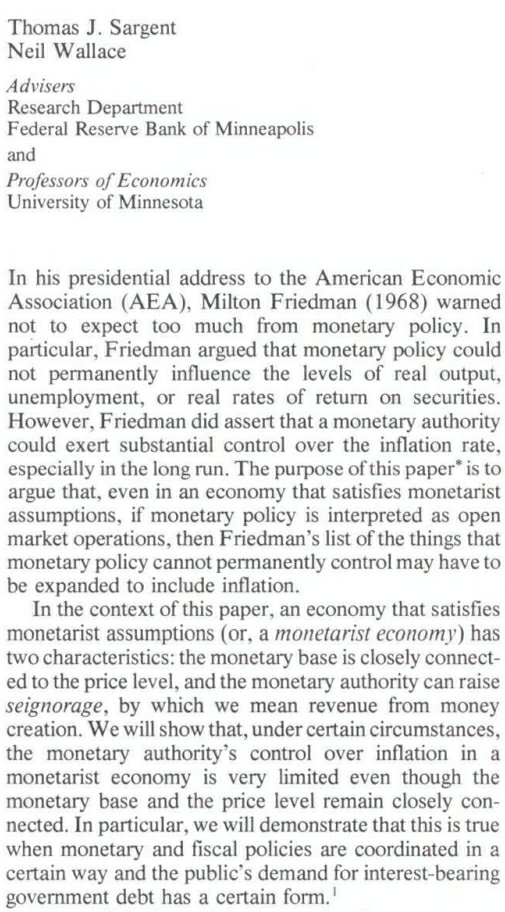
Determining the Value of Money: Next Steps for the Fiscal Theory of the Price Level
07 Nov 2021 Leave a comment
in applied price theory, budget deficits, business cycles, economic growth, economic history, Euro crisis, financial economics, fiscal policy, global financial crisis (GFC), great recession, history of economic thought, macroeconomics, Milton Friedman, monetarism, monetary economics, Robert E. Lucas Tags: inflation, monetary policy
Stalin at War – Stephen Kotkin
07 Nov 2021 Leave a comment
in defence economics, economic history, war and peace Tags: World War II
The importance of not having dumb policy regimes
06 Nov 2021 Leave a comment
in applied price theory, comparative institutional analysis, constitutional political economy, development economics, economic history, economics of bureaucracy, economics of regulation, entrepreneurship, growth disasters, growth miracles, history of economic thought, income redistribution, industrial organisation, international economic law, international economics, labour economics, Public Choice, rentseeking, survivor principle Tags: The Great Enrichment
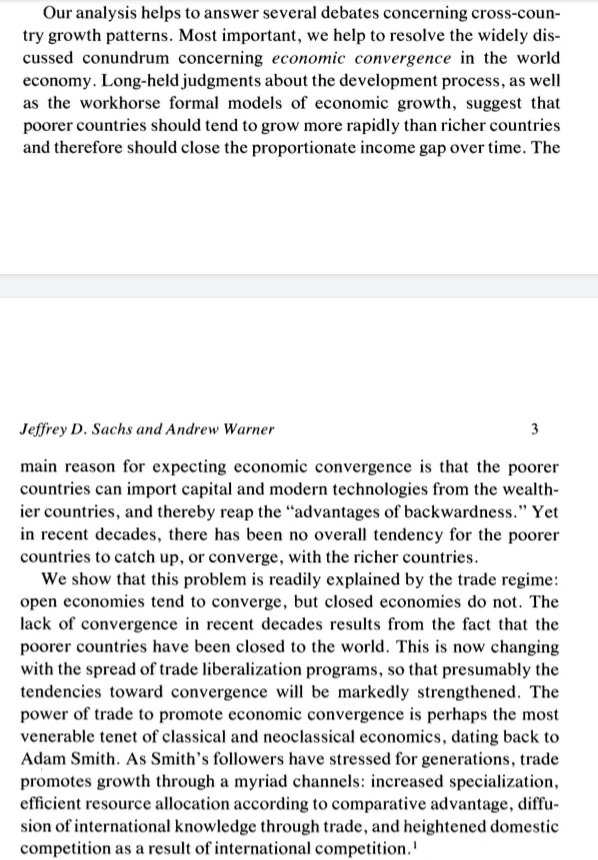
Israel 1983: A bout of unpleasant monetarist arithmetic
06 Nov 2021 Leave a comment
in budget deficits, economic history, financial economics, fiscal policy, history of economic thought, macroeconomics, monetarism, monetary economics Tags: hyperinflation, inflation

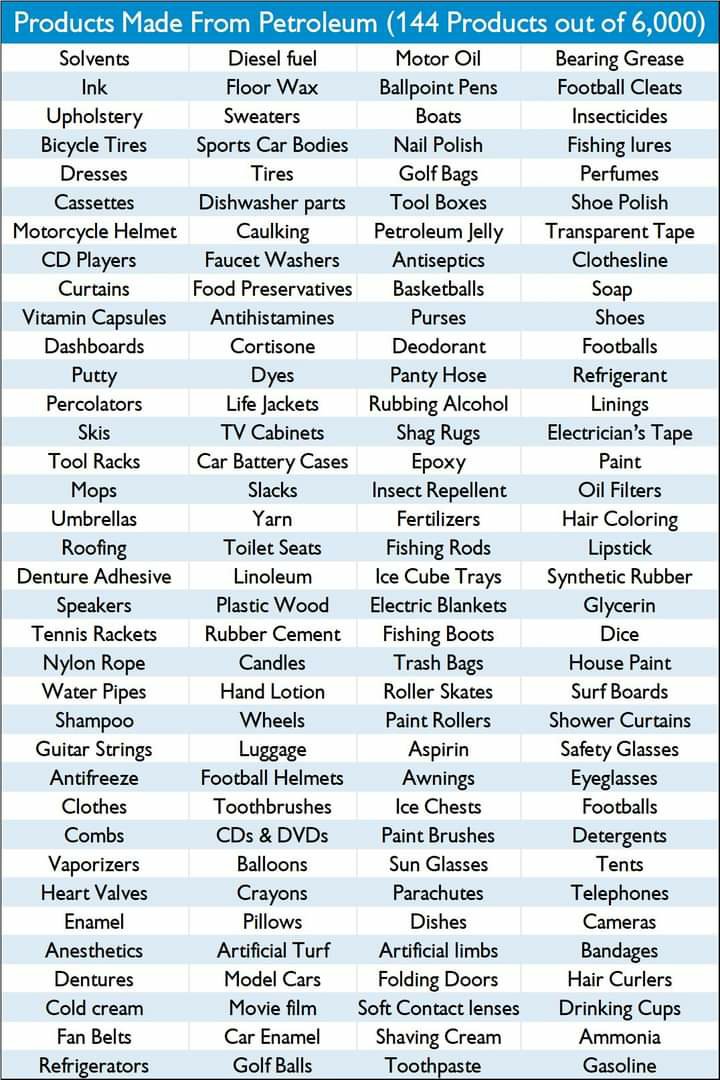
#endoil?!
06 Nov 2021 Leave a comment
in energy economics, environmental economics, global warming Tags: climate alarmism, The fatal conceit, unintended consequences
06 Nov 2021 Leave a comment
in economics of religion Tags: Blasphemy, free speech, Freedom of religion

November 5 1941-We attack.
06 Nov 2021 Leave a comment

Pearl Harbor was attacked on December 7th 1941. We have all seen the images of that fateful day. However the order for the attack was given more then a month before.
On November 5th, 1941, the 7th Imperial Conference was convened, and two types of request proposals (Draft A and Draft B) were decided upon.
From 10:30 to 15:15, on Wednesday November 5, 1941, t The 7th Imperial Conference is held. Two different Japanese proposals were decided on for submission to the US. These two plans were referred to as Draft A and Draft B. Japan planned to first propose Draft A in negotiations and if not accepted, propose Draft B, which included additional concessions.
Preliminary planning for an attack on Pearl Harbor to protect the move into the “Southern Resource Area” (the Japanese term for the Dutch East Indies and Southeast Asia generally) had begun very early in 1941…
View original post 343 more words
House and land prices
06 Nov 2021 Leave a comment

The local Wellington magazine, Capital, which seems to be a curious mix of the serious and the lifestyle, earlier in the year asked if I would write a piece on house prices. That article outlined the story I’ve run here repeatedly, that durable and very large reductions in house and land prices are quite possible – we see everyday examples in perfectly pleasant urban areas in the United States – but are only likely to happen if there is genuine aggressive competition among owners of land beyond existing urban areas. It is that sort of competition, from land whose best other use is probably for something agricultural in nature, that would durably lower land (and house) prices in existing urban areas.
That article ran in April. In late September the editor got in touch and asked if I was interested in doing another piece. Since there had been numerous…
View original post 2,090 more words


Recent Comments