
Alfred Marshall on state ownership
17 Apr 2020 Leave a comment
in Alfred Marshall, applied price theory, comparative institutional analysis, economics of bureaucracy, history of economic thought, industrial organisation, law and economics, managerial economics, market efficiency, organisational economics, personnel economics, privatisation, property rights, Public Choice, public economics, survivor principle Tags: offsetting behaviour, state ownership, The fatal conceit, unintended consequences
Steve Davis: How has #COVID19 affected businesses?
16 Apr 2020 Leave a comment
in business cycles, econometerics, economic growth, economics of natural disasters, health economics, labour economics, labour supply, macroeconomics, managerial economics, organisational economics, personnel economics Tags: economics of pandemics
More from Murphy and Topel on why efficiency wages theory falls down
27 Mar 2020 Leave a comment
in applied price theory, economics of information, labour economics, personnel economics
How The Ford Model T Took Over The World
26 Mar 2020 Leave a comment
in economic history, entrepreneurship, industrial organisation, managerial economics, organisational economics, personnel economics, survivor principle Tags: mass production
Why Murphy and Topel do not think much of efficiency wages theory
26 Mar 2020 Leave a comment
in applied price theory, economics of information, labour economics, personnel economics

What is new and true in efficiency wage theory?
24 Mar 2020 Leave a comment
in applied price theory, history of economic thought, labour economics, labour supply, occupational choice, personnel economics
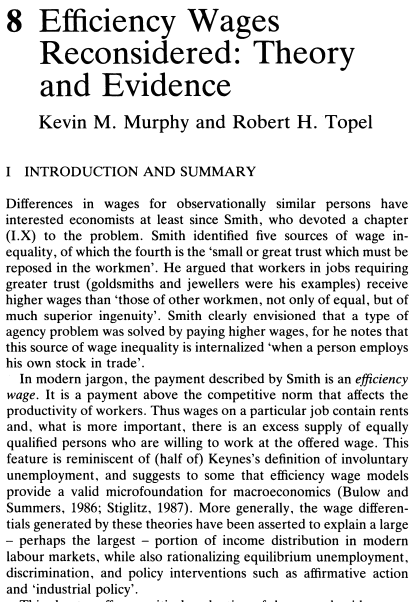
From Y. Weiss et al. (eds.), Advances in the Theory and Measurement of Unemployment
.@Bryan_Caplan’s best presentation of the case against education
18 Mar 2020 Leave a comment
in applied price theory, applied welfare economics, comparative institutional analysis, economics of education, economics of information, history of economic thought, human capital, income redistribution, industrial organisation, labour economics, labour supply, managerial economics, occupational choice, organisational economics, personnel economics, Public Choice, public economics, rentseeking, survivor principle Tags: adverse selection, asymmetric information, College premium, graduate premium, screening, self-selection, signaling

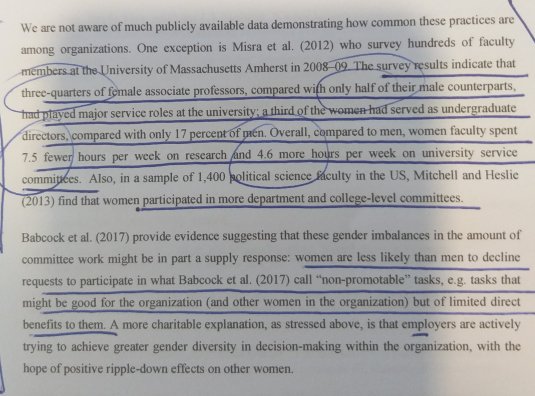
Bertrand on gender diversity programs intensifying the glass ceiling
14 Mar 2020 Leave a comment
in discrimination, economics of education, gender, human capital, labour economics, labour supply, managerial economics, occupational choice, organisational economics, personnel economics Tags: affirmative action, gender wage gap, glass ceiling, offsetting behaviour, sex discrimination, The fatal conceit, unintended consequences
The Bill That Killed Freelance
11 Mar 2020 Leave a comment
in economics of bureaucracy, economics of religion, income redistribution, labour economics, labour supply, law and economics, managerial economics, market efficiency, Marxist economics, occupational choice, occupational regulation, organisational economics, personnel economics, poverty and inequality, property rights, Public Choice, rentseeking, unemployment Tags: employment law
Steve Kaplan Discusses CEO Pay
08 Mar 2020 Leave a comment
in economics of bureaucracy, economics of crime, economics of education, economics of information, entrepreneurship, financial economics, human capital, income redistribution, industrial organisation, labour economics, labour supply, law and economics, managerial economics, market efficiency, occupational choice, organisational economics, personnel economics, politics - USA, poverty and inequality, property rights, Public Choice, rentseeking, survivor principle Tags: CEO pay, efficient markets hypothesis
Inequality in America: Taxes and the Ultra-Rich | Emmanuel Saez | Steven Kaplan | Luigi Zingales
08 Mar 2020 Leave a comment
in applied price theory, economics of education, entrepreneurship, financial economics, human capital, income redistribution, industrial organisation, labour economics, labour supply, managerial economics, occupational choice, organisational economics, personnel economics, politics - USA, poverty and inequality, Public Choice, public economics, rentseeking Tags: capital gains tax, envy, taxation and entrepreneurship, taxation and investment, top 1%
Are CEOs overpaid?
05 Mar 2020 Leave a comment
in economics of information, financial economics, human capital, labour economics, labour supply, law and economics, managerial economics, occupational choice, organisational economics, personnel economics, property rights, theory of the firm Tags: CEO pay, efficient markets hypothesis

Richard Epstein, “The Coming Meltdown in Labor Relations”
02 Mar 2020 Leave a comment
in discrimination, economics of bureaucracy, economics of education, economics of regulation, gender, health and safety, human capital, income redistribution, industrial organisation, labour economics, labour supply, law and economics, managerial economics, occupational choice, occupational regulation, organisational economics, personnel economics, politics - USA, poverty and inequality, property rights, Public Choice, public economics, rentseeking, Richard Epstein, survivor principle, unions Tags: affirmative, employment law, racial discrimination, sex discrimination, union power, union wage premium


Recent Comments