Coronavirus: Do socialists understand socialism?
29 Mar 2020 Leave a comment
in applied price theory, applied welfare economics, Austrian economics, comparative institutional analysis, constitutional political economy, development economics, economic history, economics of bureaucracy, economics of information, economics of regulation, entrepreneurship, growth disasters, growth miracles, income redistribution, industrial organisation, law and economics, liberalism, libertarianism, Marxist economics, Public Choice, public economics, rentseeking, survivor principle Tags: economics of pandemics


How was the war on poverty going?
20 Mar 2020 Leave a comment
in economic history, income redistribution, labour economics, politics - USA, poverty and inequality
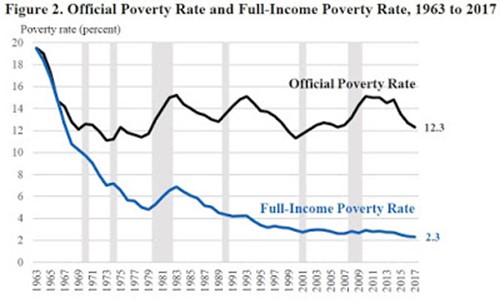
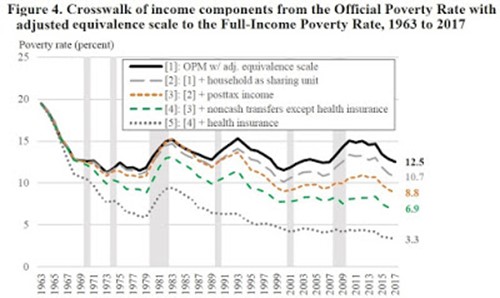
the Full-income Poverty Measure estimates the share of people in poverty using a post-tax, (comprehensive or full) post-transfer definition of income. Similar to the Official Poverty Measure, it includes market income (wages and salaries, self-employment and business income, farm income, retirement income from pensions, dividends, interest, rent and alimony) and cash transfers (Aid to Families with Dependent Children/Temporary Assistance for Needy Families, Social Security and workers’ compensation). It then adds the market value of health and non-health in-kind transfers (food stamps/SNAP, subsidized school lunches, rental housing assistance, and Medicare and Medicaid) as well as the market value of employer-provided health insurance. It subtracts Federal income and payroll taxes but adds tax credits including the Earned Income Tax Credit, Child Tax Credit, and Additional Child Tax Credit (the refundable portion of the CTC) based on estimated tax liabilities using NBER Taxsim 9.3 (Feenberg and Coutts 1993). We impute several of these income sources in the early years of our analysis because they were not collected in the CPS-ASEC.
From https://www.iza.org/publications/dp/12855/evaluating-the-success-of-president-johnsons-war-on-poverty-revisiting-the-historical-record-using-a-full-income-poverty-measure via http://conversableeconomist.blogspot.com/2020/03/us-poverty-over-time-how-to-compare.html
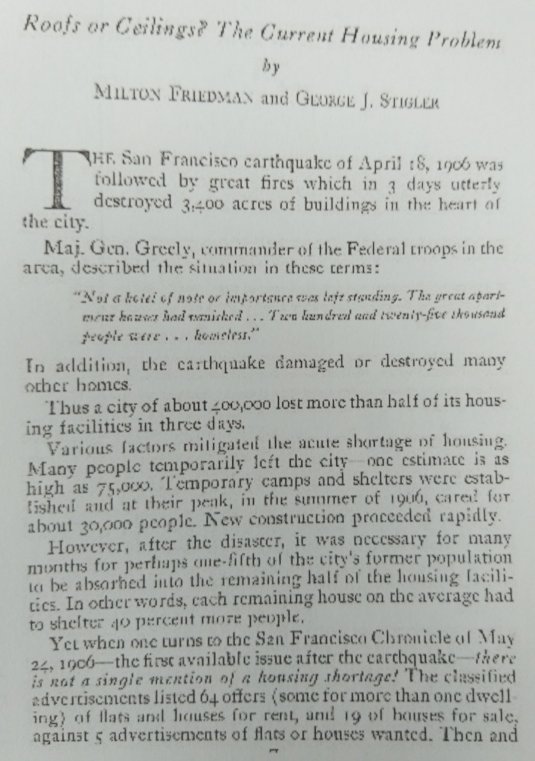
.@Bryan_Caplan’s best presentation of the case against education
18 Mar 2020 Leave a comment
in applied price theory, applied welfare economics, comparative institutional analysis, economics of education, economics of information, history of economic thought, human capital, income redistribution, industrial organisation, labour economics, labour supply, managerial economics, occupational choice, organisational economics, personnel economics, Public Choice, public economics, rentseeking, survivor principle Tags: adverse selection, asymmetric information, College premium, graduate premium, screening, self-selection, signaling
What is a regulatory taking?
16 Mar 2020 Leave a comment
in comparative institutional analysis, constitutional political economy, economics of bureaucracy, economics of regulation, income redistribution, law and economics, politics - USA, property rights, Public Choice, public economics, rentseeking Tags: constitutional law, regulatory taking
@BernieSanders @AOC
13 Mar 2020 Leave a comment
in income redistribution, politics - USA, Public Choice, public economics Tags: 2020 presidential election, taxation and entrepreneurship, taxation and investment, taxation and labour supply, top 1%
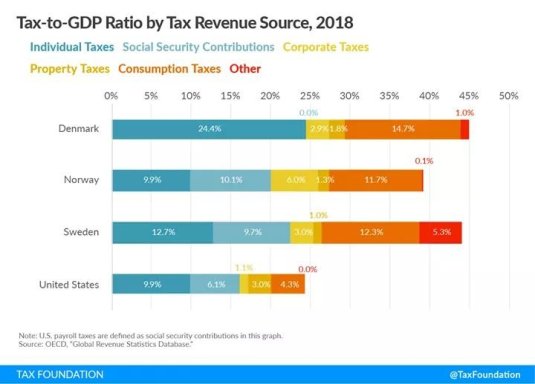
Addressing the Housing Crisis with Lee E. Ohanian
12 Mar 2020 Leave a comment
in comparative institutional analysis, economic history, economics of regulation, environmental economics, income redistribution, law and economics, politics - USA, property rights, Public Choice, rentseeking, transport economics, urban economics Tags: housing affordability, land supply, zoning
Dumbest #COVID19 idea yet
12 Mar 2020 Leave a comment
in economics of bureaucracy, entrepreneurship, health economics, income redistribution, industrial organisation, law and economics, managerial economics, Marxist economics, organisational economics, politics - Australia, politics - New Zealand, politics - USA, property rights, Public Choice, public economics, rentseeking, survivor principle, theory of the firm Tags: creative destruction, economics of pandemics, endogenous growth theory, patents and copyright

The Bill That Killed Freelance
11 Mar 2020 Leave a comment
in economics of bureaucracy, economics of religion, income redistribution, labour economics, labour supply, law and economics, managerial economics, market efficiency, Marxist economics, occupational choice, occupational regulation, organisational economics, personnel economics, poverty and inequality, property rights, Public Choice, rentseeking, unemployment Tags: employment law
Richard Epstein, “A History of Public Utility Regulation in the Supreme Court”
09 Mar 2020 Leave a comment
in economics of bureaucracy, economics of regulation, energy economics, entrepreneurship, environmental economics, financial economics, income redistribution, industrial organisation, law and economics, property rights, Public Choice, rentseeking, Richard Epstein, survivor principle Tags: competition law, network economics, price controls
Steve Kaplan Discusses CEO Pay
08 Mar 2020 Leave a comment
in economics of bureaucracy, economics of crime, economics of education, economics of information, entrepreneurship, financial economics, human capital, income redistribution, industrial organisation, labour economics, labour supply, law and economics, managerial economics, market efficiency, occupational choice, organisational economics, personnel economics, politics - USA, poverty and inequality, property rights, Public Choice, rentseeking, survivor principle Tags: CEO pay, efficient markets hypothesis
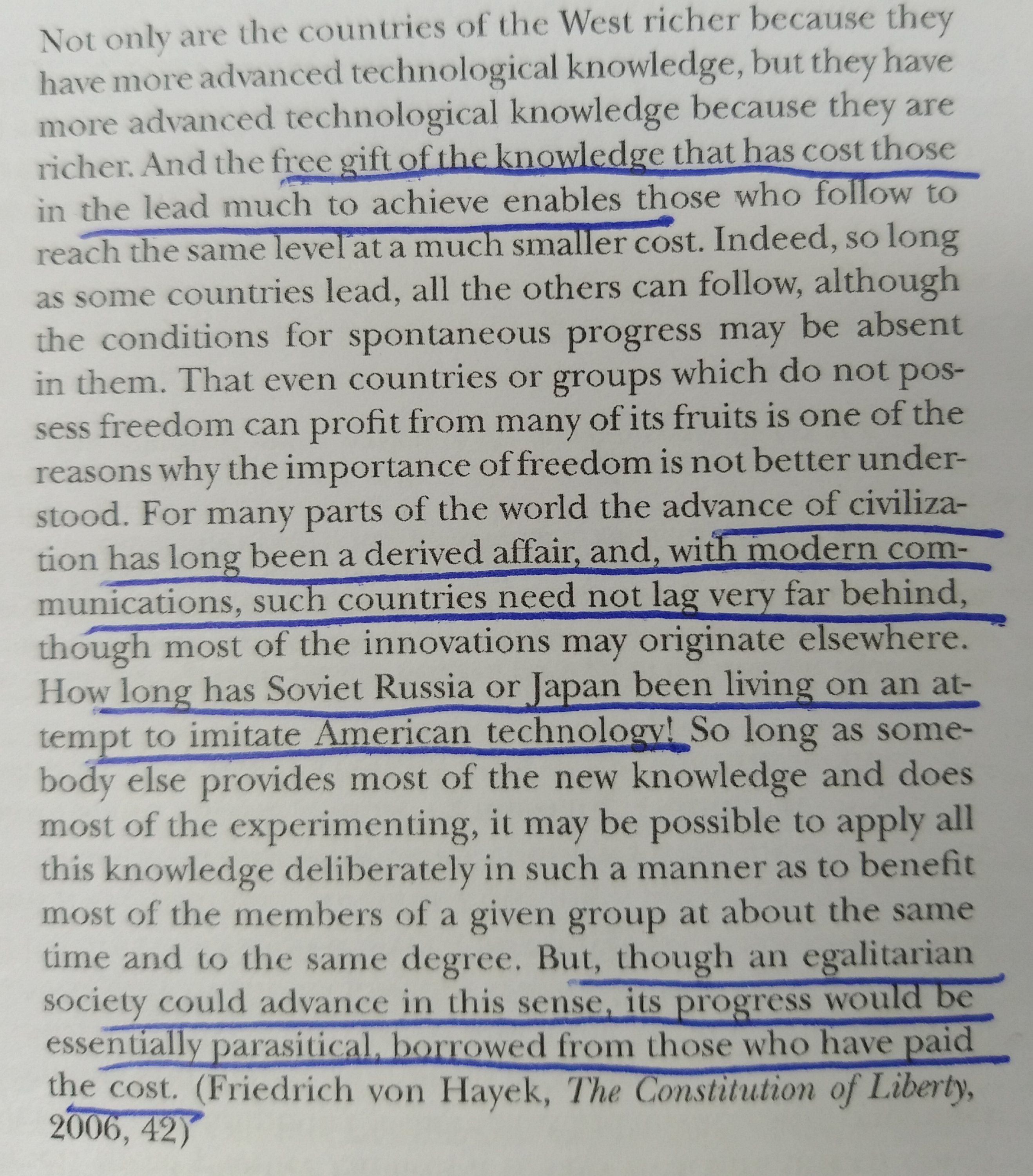
Scandinavian welfare states free-ride
08 Mar 2020 Leave a comment
in applied price theory, Austrian economics, comparative institutional analysis, constitutional political economy, economic growth, economics of education, economics of information, economics of regulation, entrepreneurship, F.A. Hayek, history of economic thought, human capital, income redistribution, industrial organisation, international economics, law and economics, macroeconomics, poverty and inequality, property rights, Public Choice, public economics Tags: creative destruction, taxation and entrepreneurship, taxation and investment, taxation and labour supply
 Utopia, you are standing in it!
Recent Comments