Deirdre McCloskey: What Is Classical Liberalism? | Robinson’s Podcast #145
17 Jan 2024 Leave a comment
in applied price theory, applied welfare economics, comparative institutional analysis, economic history, economics of climate change, energy economics, environmental economics, global warming, history of economic thought, law and economics, liberalism, libertarianism, Marxist economics, political change, Public Choice, public economics
The Right and Wrong Way to Reduce Poverty, Part II
16 Jan 2024 Leave a comment
in applied price theory, economic history, human capital, income redistribution, labour economics, labour supply, occupational choice, politics - USA, poverty and inequality, Public Choice, public economics, welfare reform Tags: child poverty, family poverty
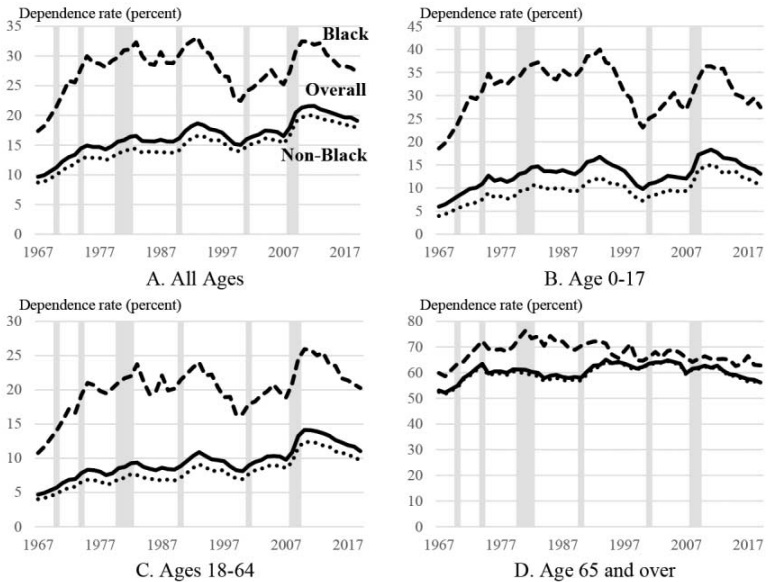
In Part I of this series, I explained that the War on Poverty, launched by Lyndon Johnson and expanded by other profligate presidents, has been bad news for both taxpayers and poor people. More specifically, I shared some academic research showing how it led to a big increase in dependency on government. Let’s expand on […]
The Right and Wrong Way to Reduce Poverty, Part II
Professional Sports and the Lack of Local Economic Payoffs
15 Jan 2024 Leave a comment
in applied price theory, applied welfare economics, econometerics, Public Choice, public economics, rentseeking, sports economics, urban economics
I’m a sports fan, which in this case may represent a conflict of interest, because it means I’m conflicted about public subsidies going to sports stadiums. The economic evidence on this point is pretty clear: such subsidies can transfer how people spend their entertainment dollars from one area of a city to another, but the net…
Professional Sports and the Lack of Local Economic Payoffs
Not All Tax Cuts Are Created Equal
12 Jan 2024 Leave a comment
in applied price theory, Austrian economics, public economics Tags: taxation and investment
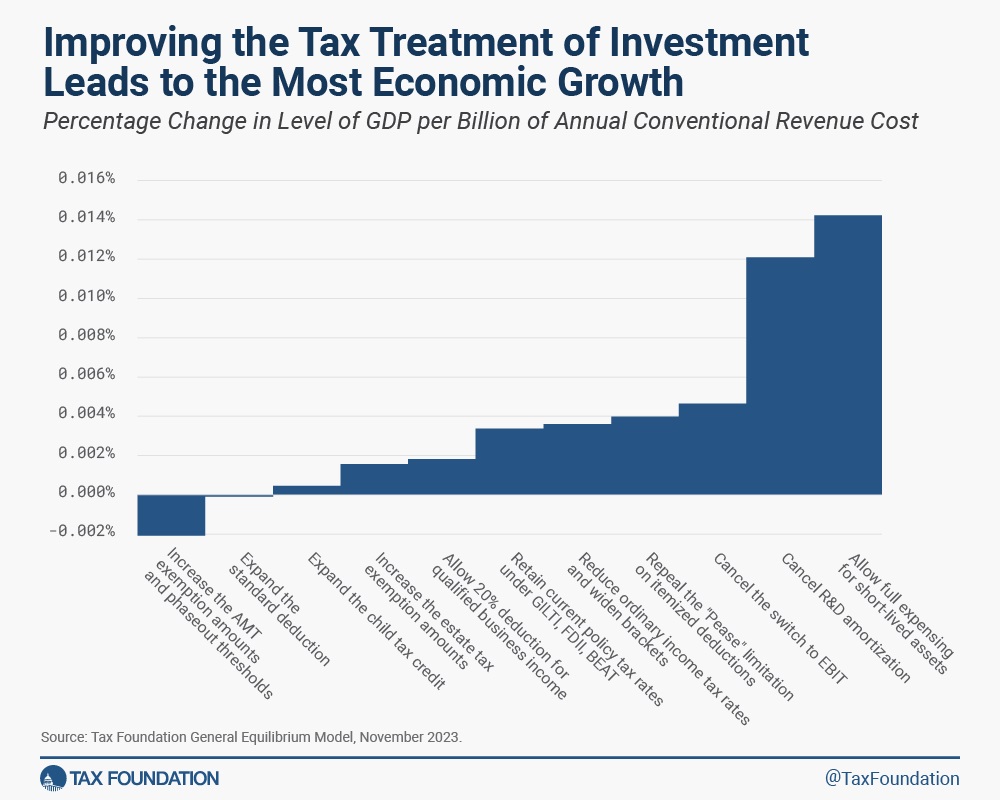
There are three reasons to be a knee-jerk supporter of tax cuts (or to be a knee-jerk opponent of tax increases). The morality-driven libertarian argument that people should be able to keep the income they earn. The starve-the-beast argument that less revenue at some point may translate into less spending. The economic argument that lower […]
Not All Tax Cuts Are Created Equal
Zwolinski on the UBI
11 Jan 2024 Leave a comment
in applied price theory, history of economic thought, income redistribution, labour economics, labour supply, Public Choice, public economics, welfare reform Tags: negative income tax, universal basic income

Philosopher Matt Zwolinski, co-author of Universal Basic Income: What Everyone Needs to Know, was a core member of the old Bleeding Heart Libertarians blog, which shut down in 2020. Now’s he’s singledly-handed revived the BHL brand on his new Bleeding Heart Libertarian substack. Matt recently published a critique of my response to Chris Freiman on…
Zwolinski on the UBI
JOHN RAINE: Ministerial Spring Cleaning and the Parable of the Rowing Eight
05 Jan 2024 Leave a comment
in applied price theory, economics of bureaucracy, politics - New Zealand, Public Choice, public economics
Matthew Hooton’s recommendation that Nicola Willis cut the cost of the Public Service by 25% (NZ Herald 22nd December) reminded me of a story. Years ago, the engineering community was getting fired up about new Japanese business and manufacturing efficiency methods, and “kaizen” (continuous improvement) and “just in time” were being bandied about. At the…
JOHN RAINE: Ministerial Spring Cleaning and the Parable of the Rowing Eight
190308 [Webinar] Consistent Economic Policy and Economic Development
29 Dec 2023 Leave a comment
in applied price theory, budget deficits, business cycles, defence economics, economic growth, economic history, economics of information, Euro crisis, fiscal policy, fisheries economics, global financial crisis (GFC), great recession, growth disasters, growth miracles, history of economic thought, human capital, inflation targeting, labour economics, labour supply, macroeconomics, monetary economics, Public Choice, public economics, unemployment
Corporate Taxation, Ireland, and Jealousy
24 Dec 2023 Leave a comment
in applied price theory, economic growth, economic history, macroeconomics, public economics Tags: Ireland, taxation and entrepreneurship, taxation and investment
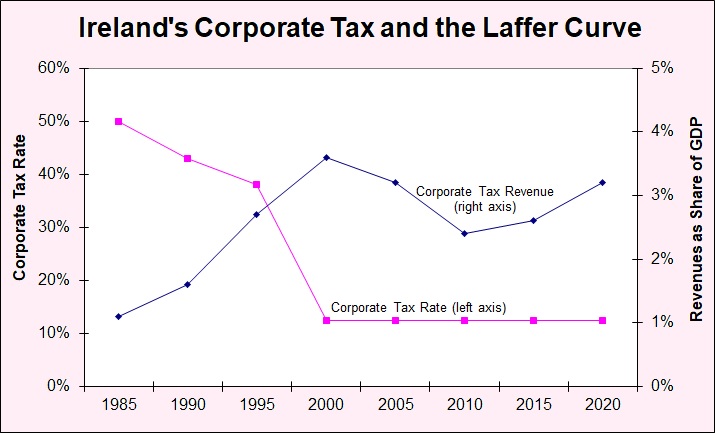
Two months ago, I wrote about a remarkable example of the Laffer Curve, involving Ireland’s low 12.5 percent corporate tax rate. According to the New York Times, Ireland was collecting so much corporate tax revenue that the government was having a hard time figuring out what to do with all the money (as you might […]
Corporate Taxation, Ireland, and Jealousy
Argentina Milei reform impressions
23 Dec 2023 Leave a comment
in applied price theory, budget deficits, business cycles, comparative institutional analysis, constitutional political economy, development economics, economic growth, economics of bureaucracy, economics of regulation, fiscal policy, growth disasters, history of economic thought, income redistribution, international economics, labour economics, law and economics, liberalism, libertarianism, macroeconomics, Marxist economics, monetary economics, property rights, Public Choice, public economics, rentseeking, unemployment Tags: Argentina
I didn’t have much time in Argentina, but I can pass along a few impressions about how Milei is doing, noting I hold these with “weak belief”: 1. He is pretty popular with the general population. He is also popular in B.A. in particular. People are fed up with what they have been experiencing. It […]
Argentina Milei reform impressions
FMI Public Speaker Series – Finn Kydland
23 Dec 2023 Leave a comment
in applied price theory, budget deficits, business cycles, comparative institutional analysis, development economics, economic growth, economic history, economics of bureaucracy, fiscal policy, global financial crisis (GFC), great depression, great recession, growth disasters, growth miracles, history of economic thought, human capital, income redistribution, labour economics, labour supply, macroeconomics, Public Choice, public economics, rentseeking
Finn E. Kydland Nobel Lecture at CERGE-EI
22 Dec 2023 Leave a comment
in applied price theory, budget deficits, business cycles, comparative institutional analysis, development economics, economic growth, economic history, economics of regulation, fiscal policy, global financial crisis (GFC), great depression, great recession, growth disasters, growth miracles, history of economic thought, human capital, income redistribution, labour economics, labour supply, macroeconomics, monetary economics, Public Choice, public economics
The Piketty-Saez-Zucman response to Auten and Splinter
17 Dec 2023 Leave a comment
in applied price theory, econometerics, economic history, entrepreneurship, financial economics, income redistribution, labour economics, politics - USA, poverty and inequality, Public Choice, public economics Tags: top 1%
A number of you have asked me what I think of their response. The first thing I noticed is that Auten and Splinter make several major criticisms of PSZ, and yet PSZ respond to only one of them. On the others they are mysteriously silent. The second thing I noticed is that PSZ have been […]
The Piketty-Saez-Zucman response to Auten and Splinter
An Upside-Down Economic History of Argentina
13 Dec 2023 Leave a comment
in budget deficits, business cycles, development economics, economic growth, economic history, economics of bureaucracy, fiscal policy, growth disasters, growth miracles, history of economic thought, income redistribution, labour economics, macroeconomics, Public Choice, public economics, rentseeking, Ronald Coase Tags: Argentina
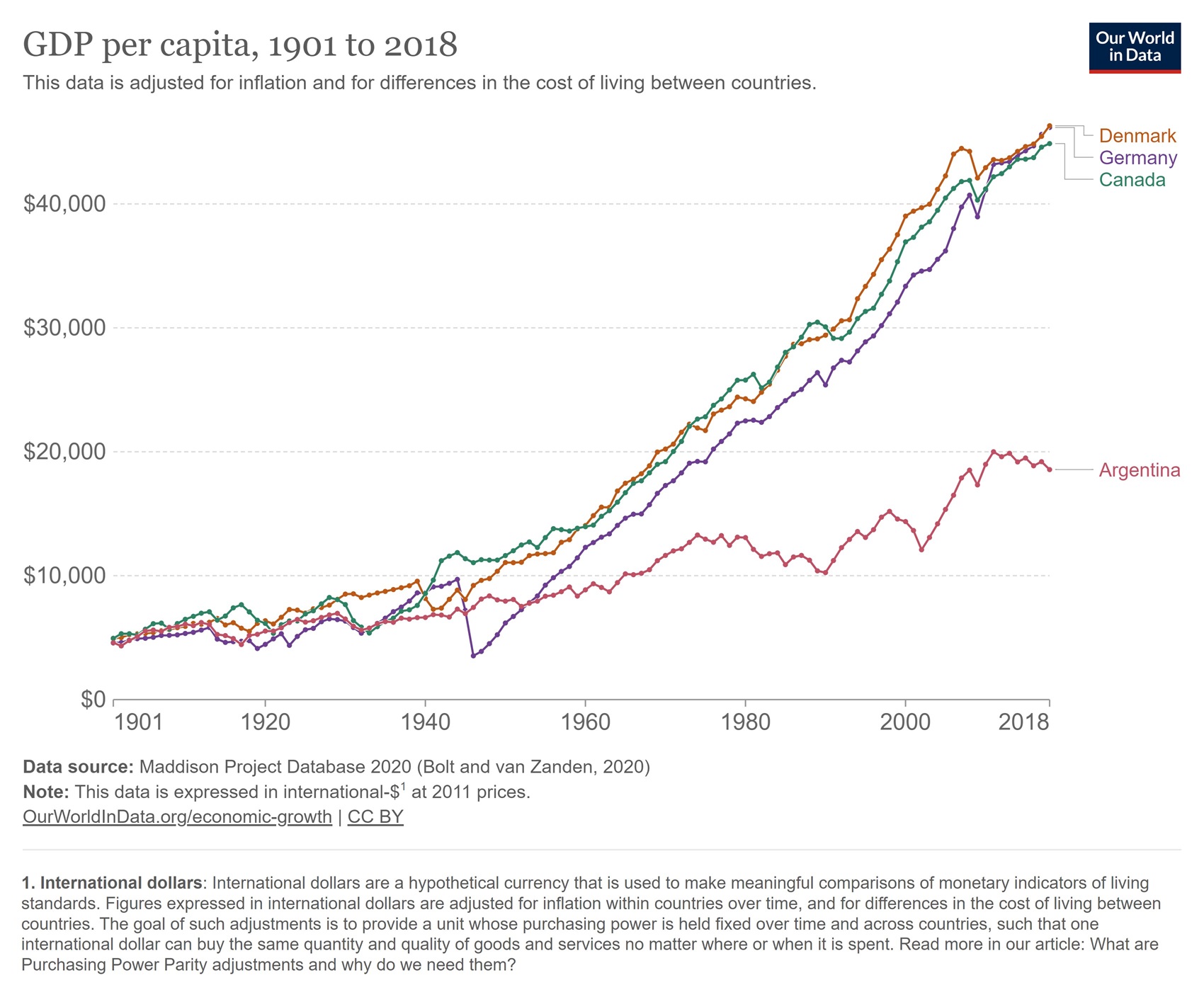
Argentina has a very interesting, but also rather tragic, economic history. During first half of the 20th century, it was one of the world’s richest nations. But thanks to dirigiste economic policies (known locally as Peronism) starting after World War II, Argentina has suffered a dramatic decline in relative living standards. However, something shocking has […]
An Upside-Down Economic History of Argentina
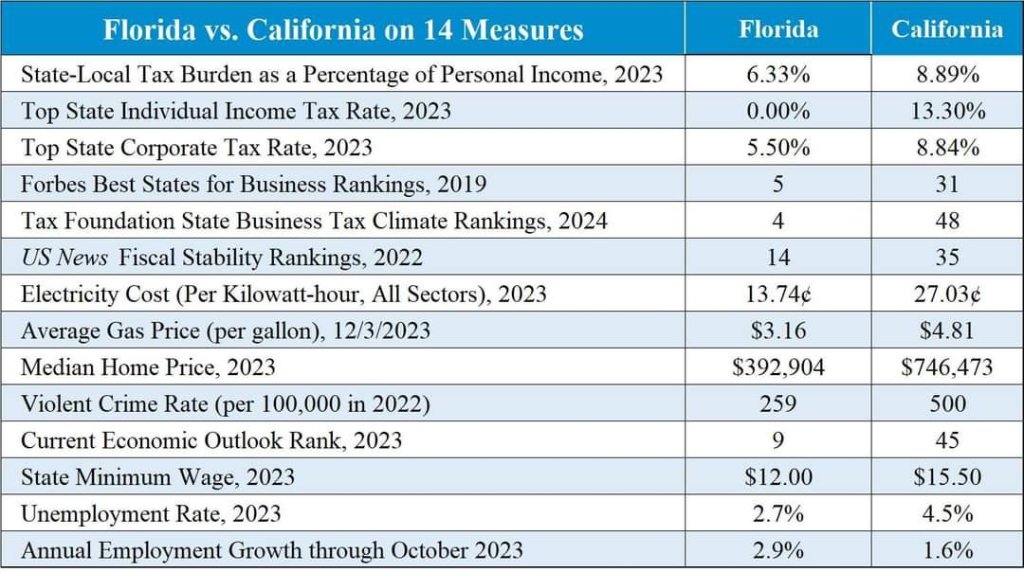
California dreaming no more
11 Dec 2023 Leave a comment
in applied price theory, comparative institutional analysis, economic growth, entrepreneurship, income redistribution, industrial organisation, labour economics, minimum wage, Public Choice, public economics Tags: California, Florida
How to Kill a Country
04 Dec 2023 Leave a comment
in development economics, growth miracles, labour economics, public economics, urban economics Tags: ageing society, economics of fertility, population bomb, South Korea
Much of Seoul is a sea of high-rises. And not just Seoul: Busan and other cities in South Korea have lots of high rises. More than half of all South Korean households live in high rises, and well over 60 percent live in some kind of multifamily housing. Seoul: High … Continue reading →
How to Kill a Country
 Utopia, you are standing in it!
Recent Comments