Density or Sprawl? How To Solve the Urban Housing Crisis
19 Mar 2020 Leave a comment
in economics of bureaucracy, economics of regulation, Public Choice, urban economics Tags: housing affordability, land supply
How cozy is your country?
18 Mar 2020 Leave a comment
in economics of media and culture, urban economics

Source: OECD Better Life Index at Data extracted on 17 Mar 2020 23:23 UTC (GMT) from OECD.Stat
Rents are unaffordable for one reason alone
15 Mar 2020 Leave a comment
in economics of regulation, politics - New Zealand, politics - USA, Public Choice, rentseeking, urban economics

Addressing the Housing Crisis with Lee E. Ohanian
12 Mar 2020 Leave a comment
in comparative institutional analysis, economic history, economics of regulation, environmental economics, income redistribution, law and economics, politics - USA, property rights, Public Choice, rentseeking, transport economics, urban economics Tags: housing affordability, land supply, zoning
Affordable housing – a growing concern for people and governments @OECD
09 Mar 2020 Leave a comment
in politics - Australia, politics - New Zealand, politics - USA, Public Choice, rentseeking, urban economics Tags: housing affordability, land supply
What drives housing prices up?
01 Mar 2020 Leave a comment
in economics of regulation, politics - USA, Public Choice, rentseeking, urban economics
Sowell (1983) on racial discrimination and the groups that get ahead
29 Feb 2020 Leave a comment
in applied price theory, discrimination, economic history, economics of bureaucracy, economics of crime, economics of education, economics of regulation, human capital, income redistribution, labour economics, labour supply, law and economics, occupational choice, politics - USA, poverty and inequality, property rights, Public Choice, public economics, rentseeking, Thomas Sowell, unemployment, urban economics, welfare reform Tags: political correctness, racial discrimination, regressive left, The fatal conceit

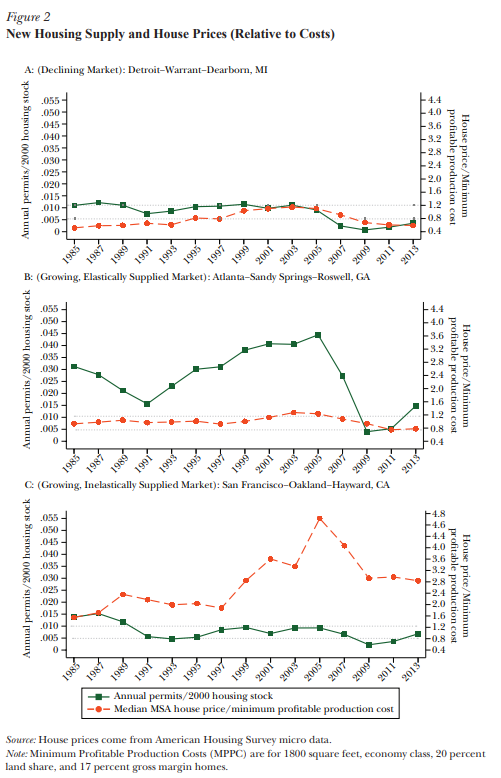
No housing bubbles if land supply is flexible
19 Feb 2020 Leave a comment
in applied price theory, business cycles, comparative institutional analysis, economics of regulation, global financial crisis (GFC), macroeconomics, politics - USA, Public Choice, rentseeking, urban economics
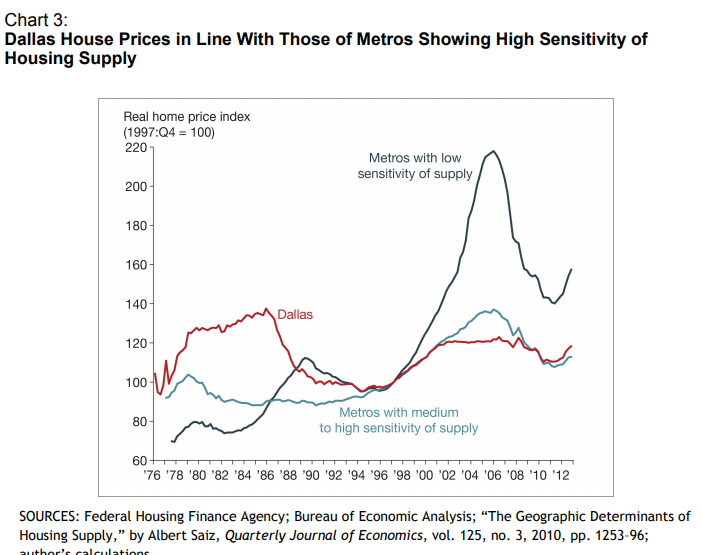
How an obsession with home ownership can ruin the economy | The Economist
07 Feb 2020 Leave a comment
in economic growth, economics of bureaucracy, economics of regulation, Edward Prescott, income redistribution, law and economics, macroeconomics, politics - USA, property rights, Public Choice, public economics, rentseeking, urban economics Tags: affordable housing, land supply, zoning
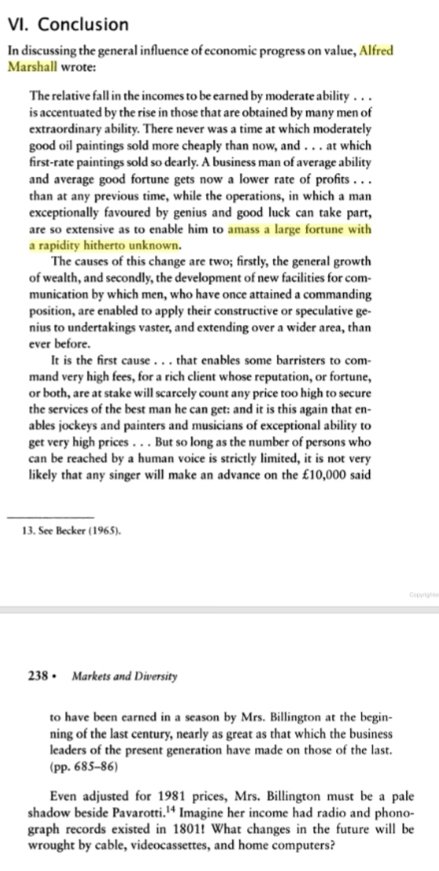
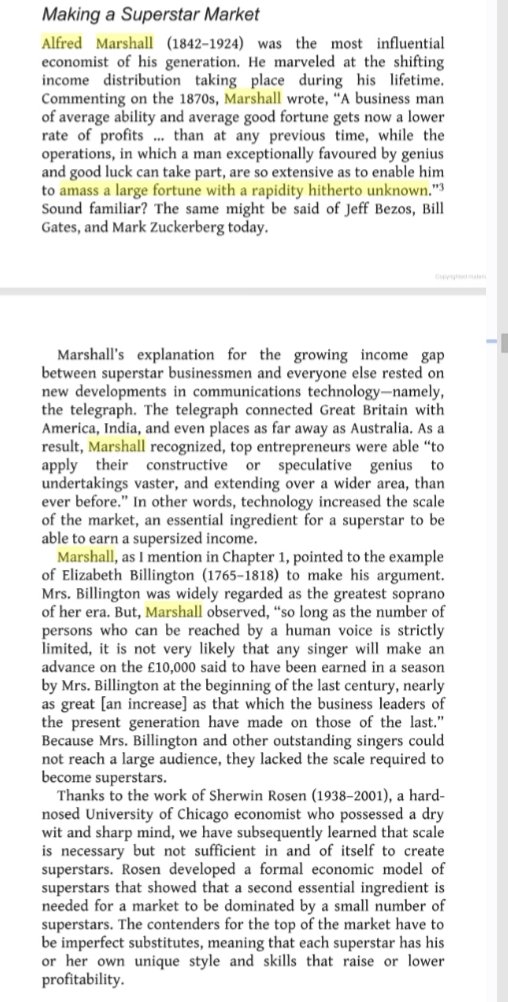
Alfred Marshall on superstar wages – Alan Krueger – Rockonomics
06 Feb 2020 Leave a comment
in Alfred Marshall, applied price theory, economic history, economics of education, economics of information, entrepreneurship, financial economics, history of economic thought, human capital, industrial organisation, international economics, labour economics, labour supply, managerial economics, occupational choice, organisational economics, personnel economics, poverty and inequality, survivor principle, transport economics, urban economics Tags: superstars
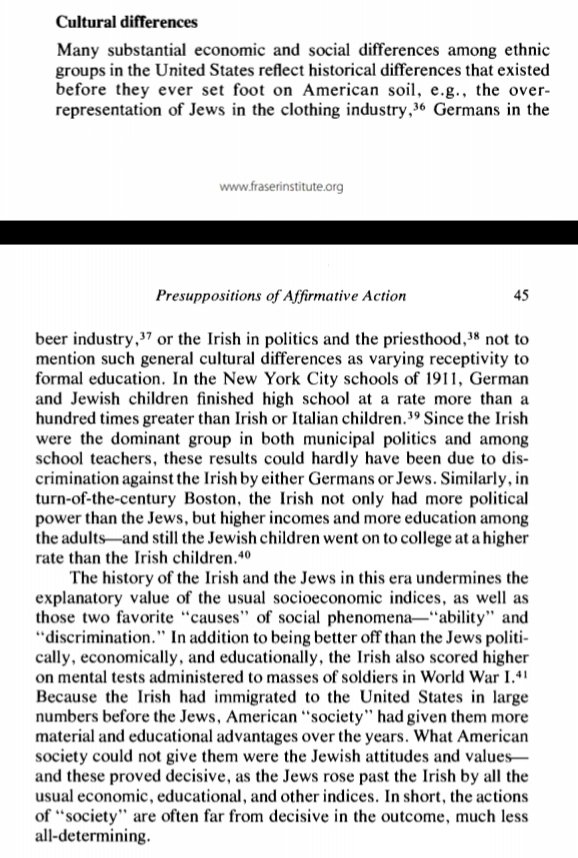
James Heckman on affirmative action
01 Feb 2020 Leave a comment
in applied price theory, applied welfare economics, comparative institutional analysis, constitutional political economy, discrimination, econometerics, economic history, economics of bureaucracy, economics of education, economics of information, economics of regulation, human capital, income redistribution, labour economics, labour supply, law and economics, occupational choice, occupational regulation, politics - USA, population economics, poverty and inequality, Public Choice, public economics, urban economics Tags: affirmative action, child poverty, family poverty, racial discrimination, The fatal conceit

Population Control Isn’t the Answer to Climate Change. Capitalism Is. #globalwarming #climateemergency @GreenpeaceAP @Greens @NZGreens
25 Jan 2020 Leave a comment
in applied welfare economics, development economics, economic history, economics of natural disasters, energy economics, environmental economics, global warming, history of economic thought, Marxist economics, politics - Australia, politics - New Zealand, politics - USA, population economics, Public Choice, public economics, rentseeking, technological progress, urban economics Tags: climate alarmists, pessimism bias, regressive left
Overpopulation is back in the news
24 Jan 2020 Leave a comment
in development economics, economic growth, economic history, economics of love and marriage, growth disasters, growth miracles, health economics, labour economics, labour supply, macroeconomics, population economics, Public Choice, urban economics Tags: ageing society, economics of fertility, population bomb


Recent Comments