Does @JulieAnneGenter know how much an electric car costs? @GreenpeaceNZ
17 Jun 2016 Leave a comment
in energy economics, environmental economics, environmentalism, politics - New Zealand Tags: electric cars, expressive voting, fuel poverty, New Zealand Greens, Norway, tokenism
The New Zealand Greens welcomed the possibility that Norway may ban the sale of petrol driven cars in 2025. From then on Norwegians may be only able to buy an electric car.

Source: NZ electric vehicle buyers guide.
If this Norwegian policy of banning petrol cars by 2025 was repeated in New Zealand, most New Zealanders could not afford a new car or indeed any car at all. The cheapest electric car is $55,000 new and often much more. They also still have serious, indeed crippling range anxiety as the adjacent screen snapshot shows from the New Zealand electric cars buyers guide.
Tesla destroys the competition when it comes to how far its cars go on one charge buff.ly/1LphuLg http://t.co/UhIAECZIFp—
Business Insider (@businessinsider) October 17, 2015
These type of policies from the Greens show how impractical they are and how contemptuous they are of ordinary families having a decent lifestyle, affordable cars and cheap energy. The Greens prefer ordinary people to have to scrimp and save for expensive cars that lose value quickly and do not go very far.

How green art thou? #buswaysforelectriccars not #BuswaysForBuses
06 May 2016 Leave a comment
in energy economics, environmental economics, environmentalism, politics - New Zealand, transport economics, urban economics Tags: busways, do gooders, electric cars, expressive politics, global warming, trade-offs, transport lobby
Finally have something nice to say about electric cars. They will put bus lanes to good use.
A trivial percentage of people take the bus to work In New Zealand. The government has a target of doubling electric car fleet every year (from 2000 in 2016 to 64,000 in 2021).
This decision yesterday to allow them to use busways allows us to relish in seeing environmentalists feud over which technologies are green enough to have access to priority lanes on the road such as those allocated to buses.
Which is more important? Saving the planet or saving the buses; most of them are diesel? Busways are empty at the weekends and many other times.
#EarthDay Why do environmentalists get away with such wildly inaccurate doomsday prophecies?
24 Apr 2016 Leave a comment
in environmental economics, environmentalism, global warming Tags: climate alarmism, doomsday prophets
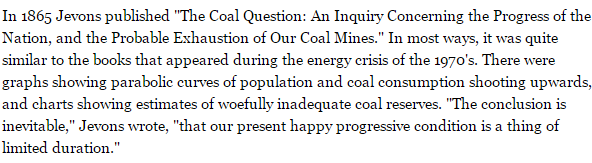
Source: Betting on the Planet – NYTimes.com.
#EarthDay explained
23 Apr 2016 Leave a comment
in environmental economics, environmentalism Tags: Earth Day
DILBERT on EARTH DAY: "You can't save the Earth unless you're willing to make other people sacrifice." http://t.co/TvZjFqXXla—
Mark J. Perry (@Mark_J_Perry) April 22, 2015
Why environmentalists are adverse to real solutions #earthday
22 Apr 2016 Leave a comment
in applied price theory, applied welfare economics, comparative institutional analysis, constitutional political economy, economics of media and culture, economics of regulation, energy economics, entrepreneurship, environmental economics, environmentalism, global warming, politics - USA Tags: anti-market bias, Earth Day, expressive voting, rational ignorance, rational rationality

Source: Quotation of the day for Earth Day on the ‘science of economics versus the religion of environmentalism’ … – AEI | Carpe Diem Blog » AEIdeas from Steven E. Landsburg’s book “The Armchair Economist: Economics and Everyday Life,” in his chapter titled “Why I Am Not an Environmentalist: The Science of Economics versus the Religion of Ecology“.
Earth Day flashback
21 Apr 2016 Leave a comment
in environmental economics, environmentalism, labour economics, labour supply, population economics Tags: doomsday prophecies, Earth Day, Paul Ehrlich

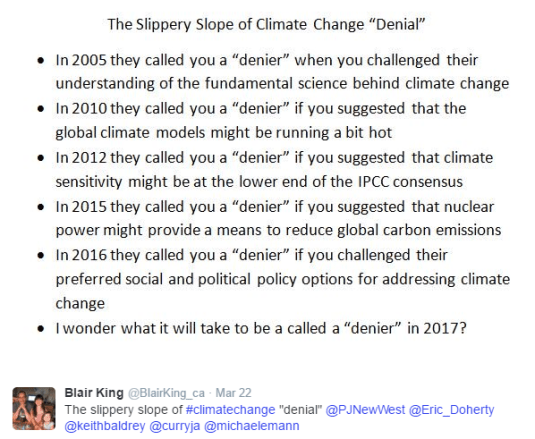
John Bagnell Bury on Francis Bacon and the idea of progress
24 Mar 2016 Leave a comment
in environmental economics, environmentalism, liberalism Tags: Age of Enlightenment, Francis Bacon, growth of knowledge, philosophy of science
Did Earth Hour save any power? @GreenpeaceNZ
21 Mar 2016 Leave a comment
in energy economics, environmental economics, environmentalism, global warming Tags: Earth Hour, expressive politics, expressive voting, Greenpeace, Human Achievement Hour, New Zealand Greens, pessimism bias, rational irrationality
Regression time! Using Saturdays only, control for temp and time, earth hour had zero effect. @bcshaffer #ableg https://t.co/krTy8DFvrE—
Trevor Tombe (@trevortombe) March 20, 2016
Why @NZGreens @GreenpeaceNZ are enemies of workers & poor
15 Feb 2016 Leave a comment
in applied welfare economics, economic growth, energy economics, environmental economics, environmentalism, labour economics, macroeconomics, politics - New Zealand Tags: expressive voting, Greenpeace, Leftover Left, New Zealand Greens, rational irrationality, Twitter left
Why @GreenpeaceNZ @NZGreens are not @nzlabour’s comrades
13 Feb 2016 Leave a comment
in environmental economics, environmentalism, Marxist economics, politics - New Zealand
Some birds are more equal than others? @GreenpeaceNZ @GarethMP
28 Jan 2016 Leave a comment
in energy economics, environmental economics, environmentalism
A Bihar village really did refuse to eat solar panels – it demanded ‘real’ electricity
15 Dec 2015 Leave a comment
in development economics, energy economics, environmentalism, global warming
World #journalism: The Australian accused for bad-taste cartoon on #Indians #theaustralian #australia https://t.co/rQ4UkJDKYP—
Matteo Fagotto (@MatteoFagotto) December 14, 2015
 Utopia, you are standing in it!
Recent Comments