Left vs. Right -> How Do You Judge America?
10 Nov 2016 Leave a comment
in liberalism, politics - USA Tags: 2016 presidential election, Leftover Left
Scott Adams: Why Hillary Clinton is awful at marketing #electionnight
09 Nov 2016 Leave a comment
in politics - USA Tags: 2016 presidential election
Dilbert Creator Scott Adams on Donald Trump’s “Linguistic Kill Shots” #electionnight
09 Nov 2016 Leave a comment
in politics - USA Tags: 2016 presidential election
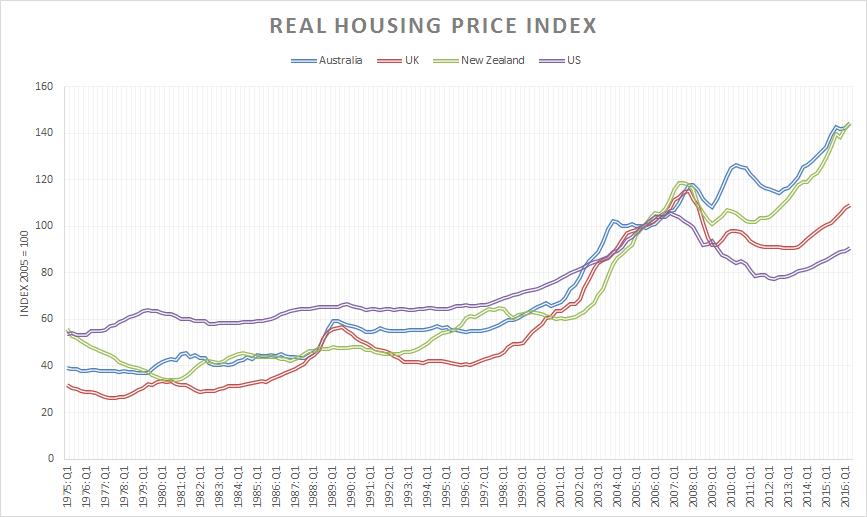
US, Australian and NZ real house prices, March 1975 to June 2016
08 Nov 2016 Leave a comment
in economic history, politics - Australia, politics - New Zealand, politics - USA, urban economics Tags: Australia, housing affordability
Ronald Reagan’s Impromptu Remarks at the Republican National Convention in Kansas City, Missouri — 8/19/76
29 Oct 2016 Leave a comment
in politics - USA Tags: Ronald Reagan
The mass kidnappings of principled antiwar activists now in its 9th year
28 Oct 2016 Leave a comment
in defence economics, laws of war, politics - USA, war and peace Tags: anti-war movement, Left-wing hypocrisy, Leftover Left
Trade-offs in an high-gun arms race equilibrium
28 Oct 2016 Leave a comment
in economics of crime, economics of regulation, law and economics, politics - USA Tags: game theory, gun control
The man who save the world, this day 1962
27 Oct 2016 Leave a comment
in politics - USA, war and peace Tags: Cuban missile crisis
Joe Exotic for President! 2016
18 Oct 2016 Leave a comment
in politics - USA Tags: 2016 presidential election
Third Parties: Last Week Tonight with John Oliver (HBO)
18 Oct 2016 Leave a comment
in politics - USA Tags: 2016 presidential election
.@DrJillStein wants Assad win #SyrianCivilWar #usefulidiots #peaceoffensive
17 Oct 2016 Leave a comment
in defence economics, politics - USA, war and peace Tags: 2016 presidential election, Leftover Left, Middle-East politics, Syrian Civil War

Source: Stein Opposes Obama’s Troops on the Ground in Syria – Jill2016 via The Strange Sympathy of the Far Left for Putin
Further evidence that @NZGreens are pretty sane compared to @DrJillStein
15 Oct 2016 Leave a comment
in defence economics, politics - USA
Killed by police by threat level, January – September 2016
13 Oct 2016 Leave a comment
in economics of crime, law and economics, politics - USA Tags: crime and punishment, law and order, police shootings


Recent Comments