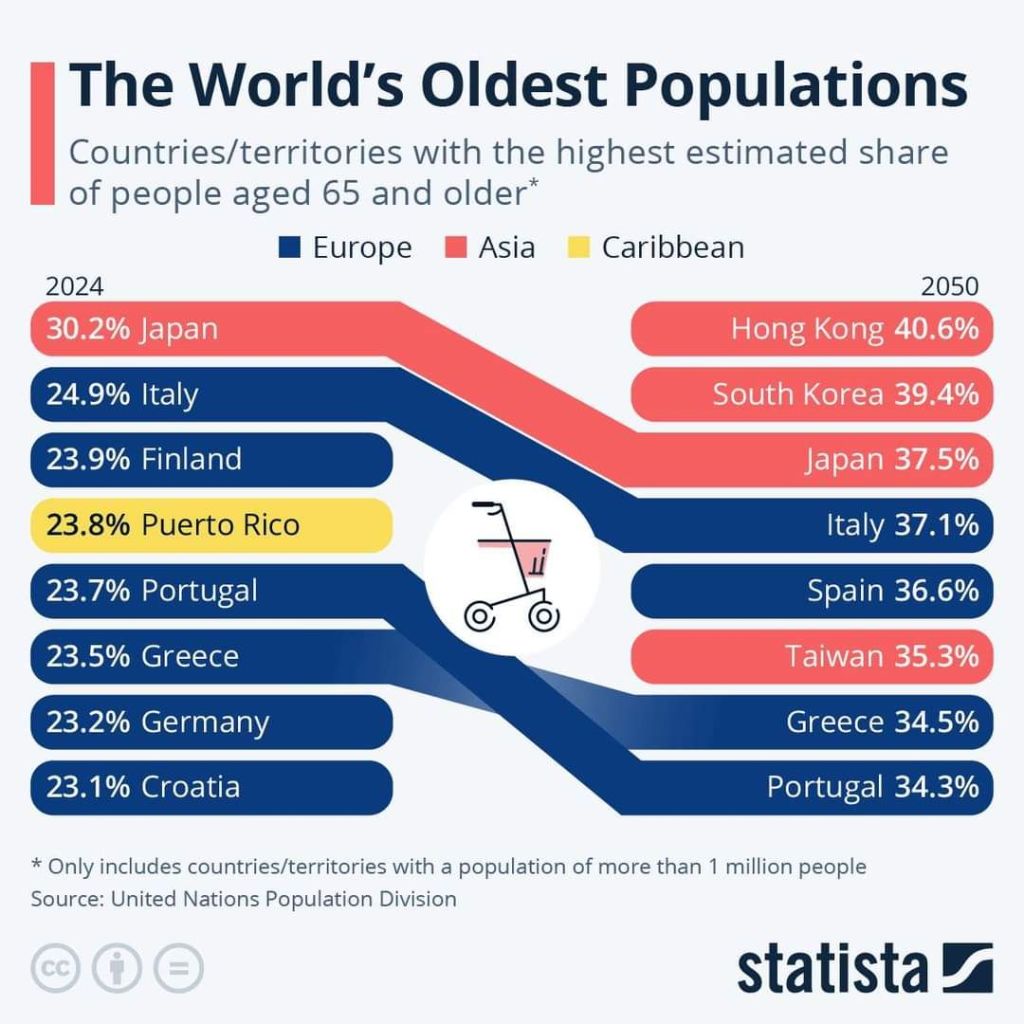
In total size, Japan’s economy is fourth-largest in the world, just behind Germany for third-largest. In per capita GDP, Japan is ahead of Spain and South Korea, although well behind Italy and France. With a life expectancy at birth of 84 years, ,Japan has one of the highest levels in the world. Clearly, Japan has…
The Puzzle of Japan’s Economy: When Productivity Gains Are Outside National Borders
The Puzzle of Japan’s Economy: When Productivity Gains Are Outside National Borders
26 Oct 2024 Leave a comment
in development economics, economic growth, economic history, growth miracles, labour economics, labour supply, macroeconomics, population economics Tags: economics of fertility, Japan
Roots of Climate Change Distortions
08 Aug 2024 Leave a comment
in comparative institutional analysis, economics of bureaucracy, economics of education, economics of information, economics of media and culture, energy economics, environmental economics, environmentalism, global warming, politics - New Zealand, politics - USA, population economics, Public Choice Tags: climate alarmism
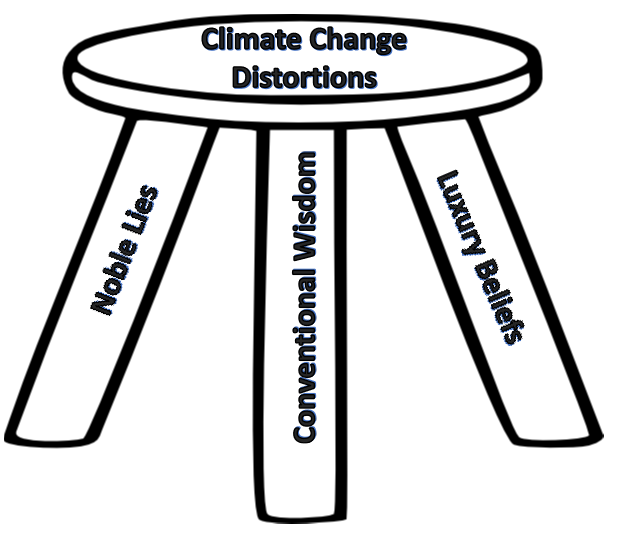
Roger Pielke Jr. explains at his blog Why Climate Misinformation Persists. Excerpts in italics with my bolds and added images. H/T John Ray Noble Lies, Conventional Wisdom, and Luxury Beliefs In 2001, I participated in a roundtable discussion hosted at the headquarters of the National Academy of Sciences (NAS) with a group of U.S. Senators, […]
Roots of Climate Change Distortions
The economics of the falling total fertility rate in New Zealand
31 Jul 2024 Leave a comment
in human capital, labour economics, labour supply, politics - New Zealand, population economics Tags: ageing society, economics of fertility

Earlier this week, I was interviewed by Paul Brennan on Reality Check Radio, on New Zealand’s declining birth rate. You can listen to the interview here. We didn’t have time to go through all of the questions I was given beforehand, so I thought I would add some points here, along with some links to…
The economics of the falling total fertility rate in New Zealand
Chinese Economic Policy, Part I: The Demographic Challenge
17 Jul 2024 Leave a comment
in development economics, economic history, growth disasters, growth miracles, labour economics, labour supply, population economics Tags: China, economics of fertility
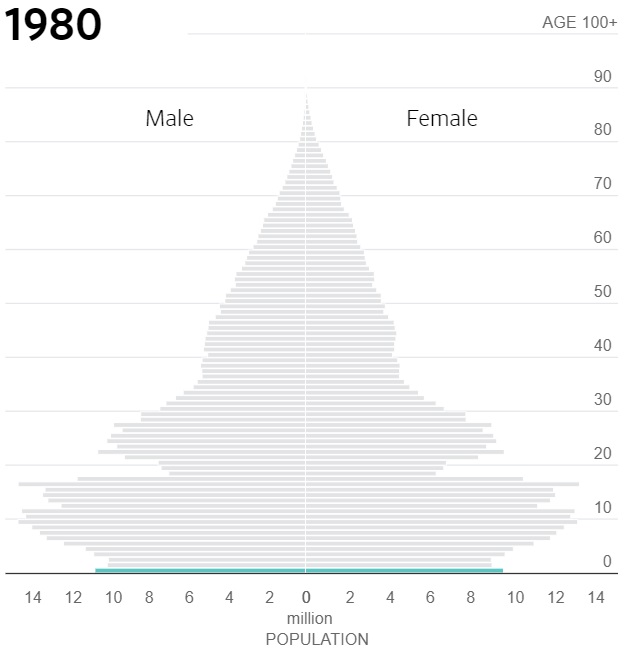
I’m in China this week, teaching about fiscal policy, convergence theory, and inequality at Northeastern University in Shenyang. So it’s a good opportunity to write about some pluses and minuses of Chinese economic policy. We’ll start this series by looking at demographics, which almost surely is the biggest long-run challenge for Chinese policymakers. How big […]
Chinese Economic Policy, Part I: The Demographic Challenge
22 Jun 2024 Leave a comment
in labour economics, labour supply, population economics Tags: ageing society, Japan
What Evolution Reveals About Human Behavior
11 Jun 2024 Leave a comment
in economics of education, economics of media and culture, health economics, population economics Tags: cognitive psychology, evolutionary biology, evolutionary psychology
The Great Post-Pandemic Population Shift
26 May 2024 Leave a comment
in labour economics, labour supply, law and economics, population economics, transport economics, urban economics Tags: land supply
A little more than half of America’s incorporated cities collectively lost 2.7 million residents between 2020 and 2023, according to estimates released by the Census Bureau earlier this week. New York City alone lost almost 500,000 residents, or 5.5 percent of its population, while the next 20 biggest losers together … Continue reading →
The Great Post-Pandemic Population Shift
OneNews blames immigration to NZ for emigration (of young Kiwis out of NZ). Maybe they’re leaving because our Media has depressed them?
20 May 2024 Leave a comment
in applied price theory, human capital, labour economics, labour supply, politics - New Zealand, population economics Tags: economics of immigration
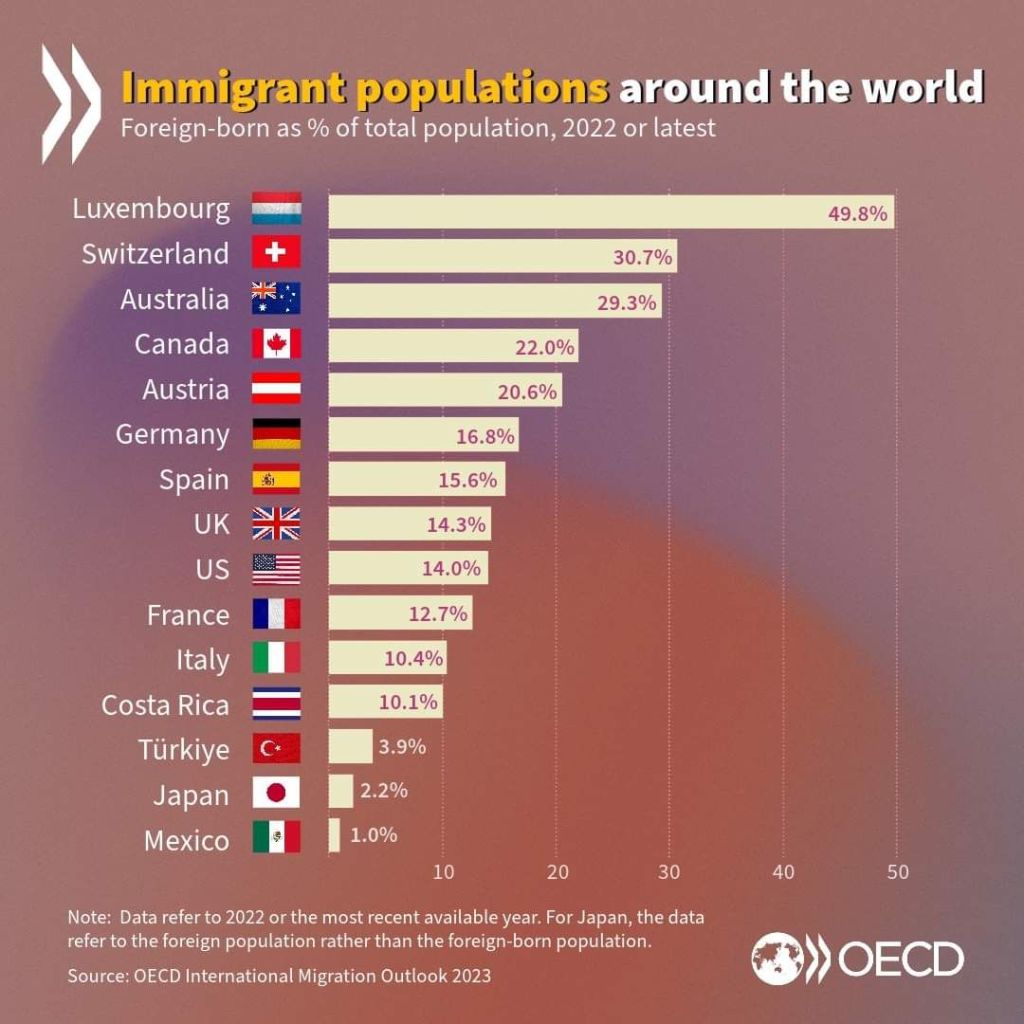
If a Blogger accused immigrants of nicking houses & jobs off young native NZ’ers, causing them to leave the country, then we’d likely be prosecuted under anti-freedom of speech legislation. But seems our State-owned broadcaster, OneNews, can get away with it. After all, like the Reserve Bank, TVNZ can do what it wants. Its above…
OneNews blames immigration to NZ for emigration (of young Kiwis out of NZ). Maybe they’re leaving because our Media has depressed them?
Australia must be welcoming of migrants more than most
01 Apr 2024 Leave a comment
in human capital, labour economics, labour supply, politics - Australia, population economics Tags: Australia, economics of immigration
Three Snapshots of Where US Population is Headed
29 Feb 2024 Leave a comment
in economic history, environmental economics, labour economics, labour supply, population economics Tags: ageing society, economics of fertility, economics of immigration, population bust

The Congressional Budget Office has published The Demographic Outlook: 2024 to 2054 (January 2024), which offers some recent history and projections of how the US population is evolving. Here are three snapshots: The Role of Immigration in Total US Population Growth The black line shows projected US population growth since 2004, with firm data up…
Three Snapshots of Where US Population is Headed
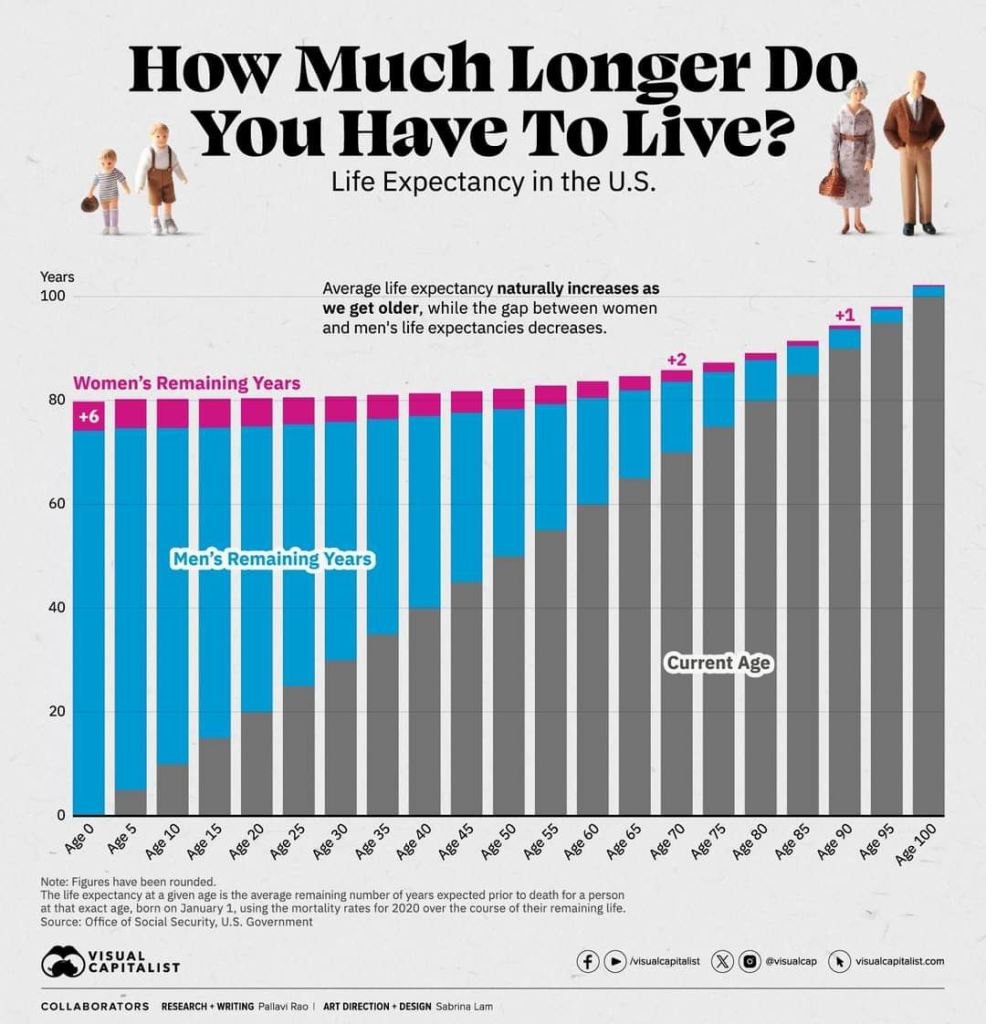
Lifespans of the rich and famous, from 800-1800 C.E.
27 Feb 2024 Leave a comment
in economic history, population economics Tags: life expectancies

Life expectancy is one of the key statistics in human wellbeing. However, we know surprisingly little about life expectancy prior to the systematic recording of births, deaths, and marriages, which began in England in 1538 with the establishment of parish registers. Many other countries started recording this data, but later in the 16th Century (or…
Lifespans of the rich and famous, from 800-1800 C.E.
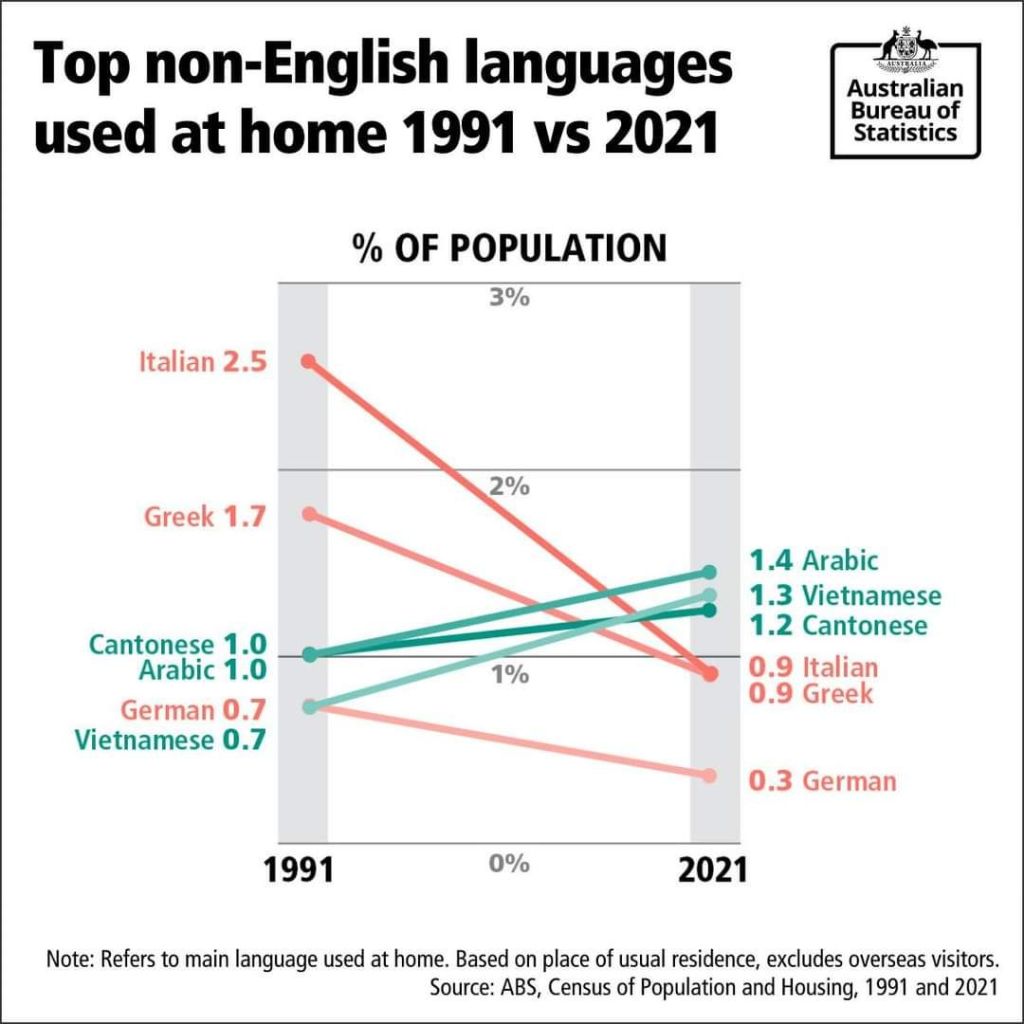
Changing times
21 Feb 2024 Leave a comment
in economic history, economics of education, human capital, labour economics, labour supply, population economics Tags: Australia, economics of languages

Correlations between spouses
11 Feb 2024 Leave a comment
in economics of love and marriage, economics of media and culture, human capital, labour economics, law and economics, population economics Tags: marriage and divorce
Correlations between spouses Extraversion: r= .005Neuroticism: .082Height: .227Weight: .154Education: .5Political party: .6 “Mates tend to be positively but weakly concordant on personality and physical traits, but concordance of political attitudes is extremely high” pic.twitter.com/BmdpySfakh — Rob Henderson (@robkhenderson) February 10, 2024
Correlations between spouses
 Utopia, you are standing in it!
Recent Comments