

Casey Mulligan on the devil in Medicare for All’s details
12 Oct 2019 Leave a comment
in health economics, politics - USA

Seems like a good bloke and in a rough neighbourhood too
12 Oct 2019 Leave a comment
in defence economics, development economics, environmental economics, global warming

The discounting of Cook’s claims to a famous first – but who drew the first map of NZ?
12 Oct 2019 Leave a comment

Moana Jackson, described as a “Te Tiriti specialist” in a recent Stuff report, dismissed Tuia 250 as a load of humbug.
To celebrate the dual heritage of navigation across the Pacific, he contended, “then it wouldn’t be Tuia 250, it would be Tuia 2000 or something.”
More egregious, to “commemorate” Captain James Cook’s arrival in this country seems “weird” to Jackson:
“When it comes to explorers, you usually make a big deal of whoever did something first.
“Neil Armstrong is acknowledged as the first astronaut to land on the Moon. There’s no real celebration of the 12th astronaut to land on the Moon. And Cook wasn’t even the 12th navigator to sail across the Pacific.
“So I’m not sure what the baseline was for commemorating him – except that he has become an important part of the misremembering of colonising history.”
View original post 738 more words


Why feed conspiracy theorists
11 Oct 2019 Leave a comment
in law and economics, Public Choice Tags: conspiracy theories, free speech

The Great Escape
11 Oct 2019 Leave a comment
in development economics, growth disasters, growth miracles, health economics
Ireland (part three): Ourselves Alone – Eamon de Valera and the Arrows of Adversity
11 Oct 2019 Leave a comment

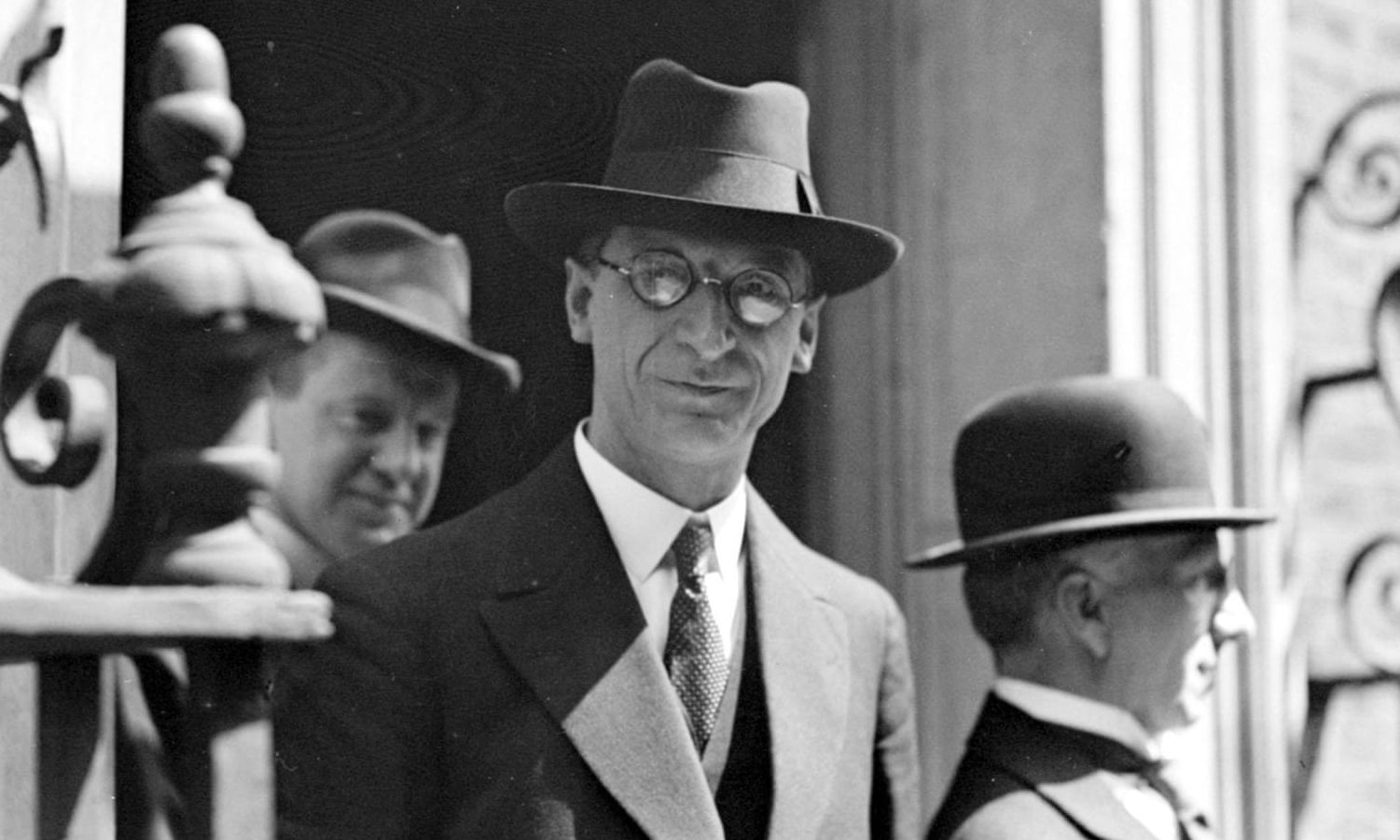 By 1923, the civil war was over. The anti-treaty forces had been crushed, and the new Free State was established. The civil war left its legacy, though, not least in subsequent politics: the two sides of the civil war gave birth to the two political parties that have dominated Irish politics ever since.
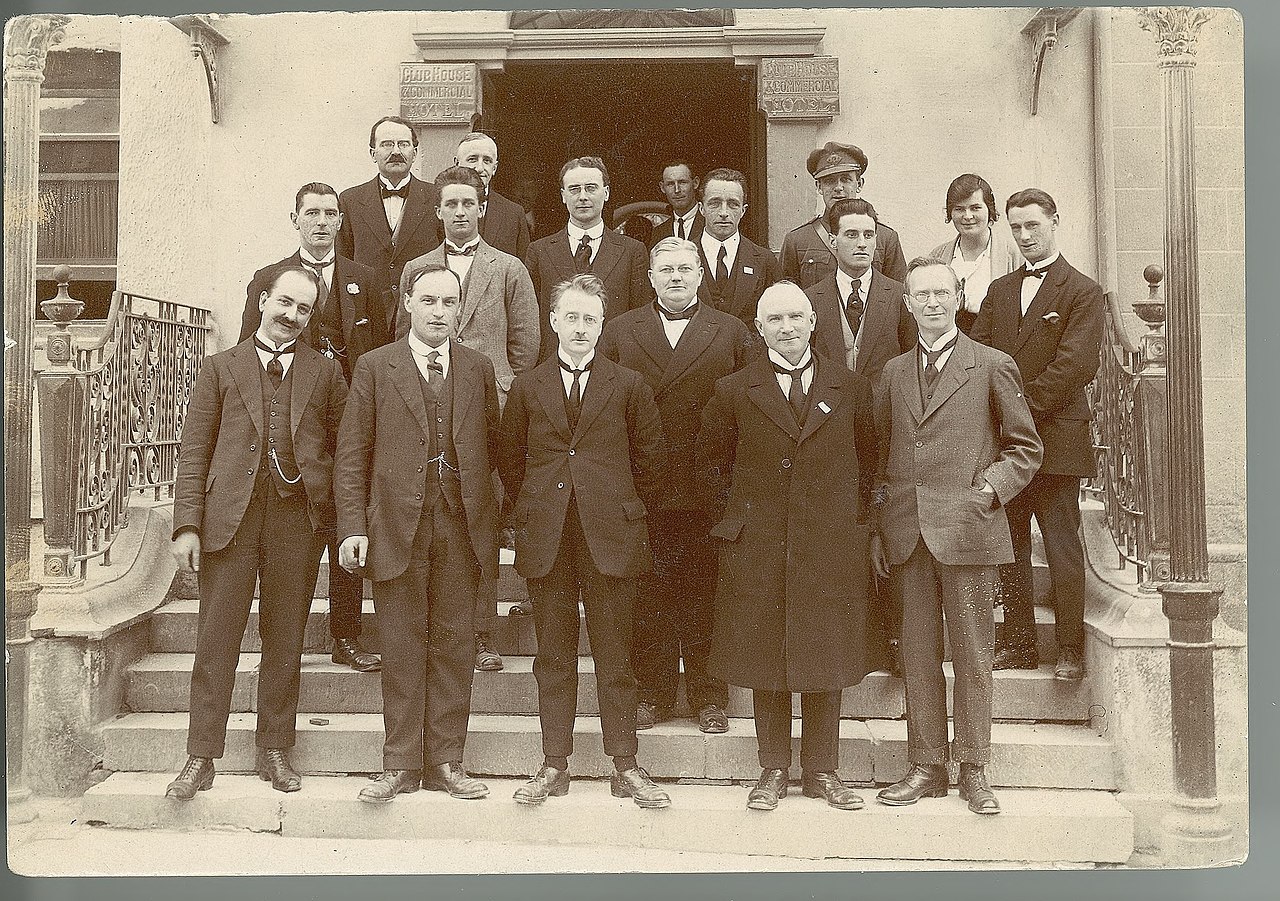
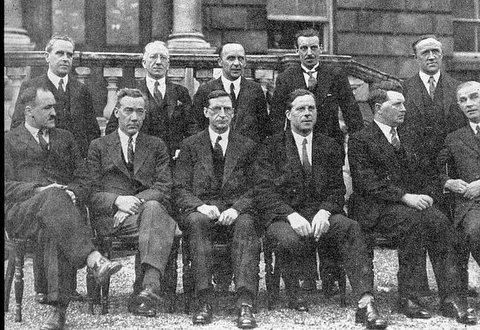
The pro-treaty side that now governed (above, in 1923) formed a party that, by 1932, had coalesced into Fine Gael. Meanwhile, Eamon de Valera created Fianna Fail (below). It went on to become its largest party in independent Ireland, as it would remain until 2011.
 If de Valera’s conduct in 1921-22 was at best deeply mistaken, and at worst malign, head discovered statesmanship quickly thereafter. Having lost his seat, he contemplated leaving politics. Instead, in 1926, he broke from and effectively broke Sinn Féin. Then, in 1927, he ate his old words about the oath: Fianna Fáil…
View original post 1,764 more words


Recent Comments