Animated timeline shows how Silicon Valley became a $2.8 trillion neighborhood
23 Aug 2018 Leave a comment
in industrial organisation, survivor principle Tags: creative destruction
The History, and Future, of Space Suits
23 Aug 2018 Leave a comment
in economics of media and culture Tags: space
Icebreakers arrive in 1920s Helsinki – health and safety be damned
22 Aug 2018 Leave a comment
in economic history, transport economics
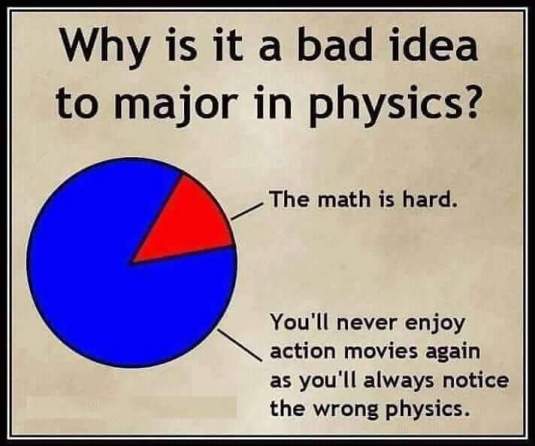
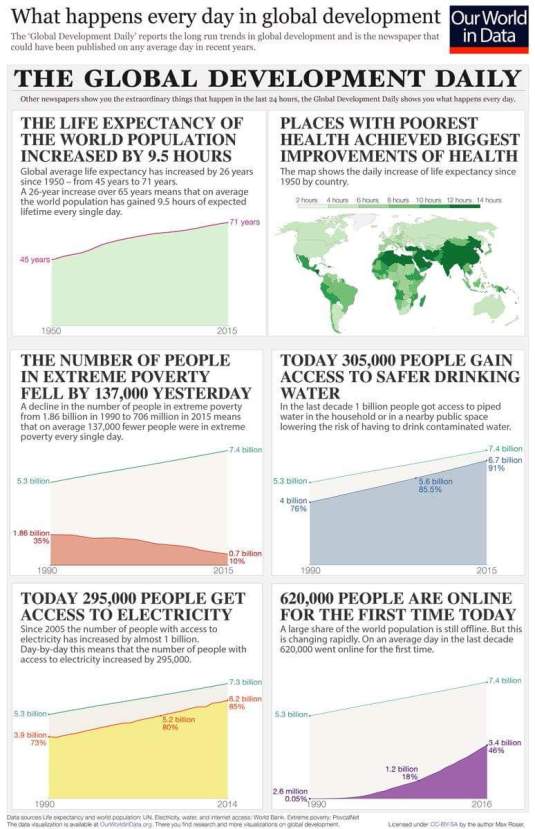
#OTD
22 Aug 2018 Leave a comment
in development economics, growth disasters, growth miracles Tags: The Great Escape, The Great Fact
The public choice theory of LBJ in a nutshell
22 Aug 2018 Leave a comment
in economics of bureaucracy, politics - USA, Public Choice Tags: LBJ

David D. Friedman | Market failure
22 Aug 2018 Leave a comment
in applied price theory, applied welfare economics, comparative institutional analysis, David Friedman, law and economics, property rights Tags: market failure
Why is #JesusisGay or #AllahisGay blasphemy? #hatespeech in the Age of Enlightenment?
22 Aug 2018 Leave a comment
in economics of religion Tags: Blasphemy, free speech, political correctness, regressive left

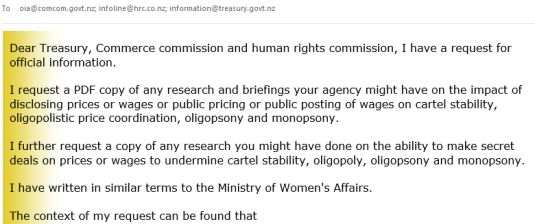
OIA: cartels, oligopoly, oligopsony & monopsony @women_nz @NZHumanRights @nztreasury @NZcomcom
22 Aug 2018 Leave a comment
in applied price theory, discrimination, gender, industrial organisation
Behind on my blasphemy
22 Aug 2018 Leave a comment
in economics of religion Tags: Blasphemy, free speech, political correctness, regressive left

The UK’s unpaid war debts to the United States, 1917-1980
22 Aug 2018 Leave a comment

by David James Gill (University of Nottingham)
 Trenches in World War I. From <www.express.co.uk>
We all think we know the consequences of the Great War – from the millions of dead to the rise of Nazism – but the story of the UK’s war debts to the United States remains largely untold.
In 1934, the British government defaulted on these loans, leaving unpaid debts exceeding $4 billion. The UK decided to cease repayment 18 months after France had defaulted on its war debts, making one full and two token repayments prior to Congressional approval of the Johnson Act, which prohibited further partial contributions.
Economists and political scientists typically attribute such hesitation to concerns about economic reprisals or the costs of future borrowing. Historians have instead stressed that delay reflected either a desire to protect transatlantic relations or a naive hope for outright cancellation.
Archival research reveals that the British cabinet’s…
View original post 315 more words
Matthias Doepke on Why He Studies Family Economics
22 Aug 2018 Leave a comment
in applied price theory, business cycles, economics of love and marriage, human capital, labour economics, labour supply, macroeconomics Tags: economics of families
Behind on my French socialist bashing
22 Aug 2018 Leave a comment
in applied price theory, business cycles, comparative institutional analysis, economic growth, economic history, economics of regulation, financial economics, fiscal policy, industrial organisation, macroeconomics, Public Choice, rentseeking Tags: economics of socialism, France, The fatal conceit


Recent Comments