Lynne Kiesling: The Smith Questionnaire 2020
25 Apr 2022 Leave a comment
in Adam Smith, applied price theory, history of economic thought
Transition to Bankruptcy: Europe’s Wind Turbine Makers Face Massive Financial Collapse
24 Apr 2022 Leave a comment

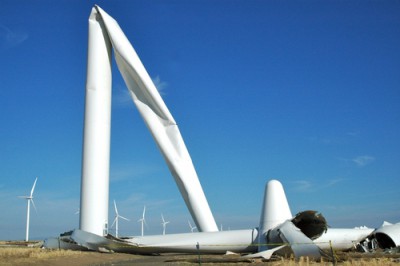
Europe’s wind turbine makers are in financial freefall; with subsidies slashed, demand for turbines has collapsed, input costs are soaring and their Chinese competitors are benefiting from their cheap and reliable supplies of coal-fired power. Oh, the irony!
The barely disguised panic in this article from ReCharge (one of Europe’s leading wind and solar propaganda outfits) suggests that Europe’s wind industry rent-seekers should be kept well away from sleeping pills and sharp objects, for the foreseeable future.
The nature of the wind industry’s implosion is spelt out in this quote from one of them: “the economics in the wind industry had been destroyed due to price pressures from competitive tenders coupled with a low visibility of wind capacity pipelines due to failed government policies.”
The “competitive tenders” are coming from China’s turbine makers, which enjoy power prices a fraction of those being suffered in Germany, thanks to an abundant supply…
View original post 832 more words
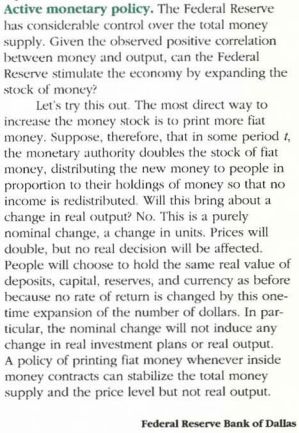
Scott Freeman: Green pieces of paper cannot substitute for the real capital that banking provides
24 Apr 2022 Leave a comment
in business cycles, economic growth, history of economic thought, macroeconomics, monetary economics
Speaking of BREXIT
24 Apr 2022 Leave a comment
in applied welfare economics, international economics
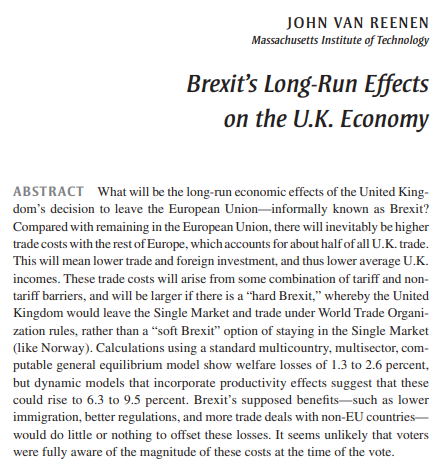
From https://www.brookings.edu/wp-content/uploads/2017/02/brexits-long-run-effects-john-van-reenen.pdf
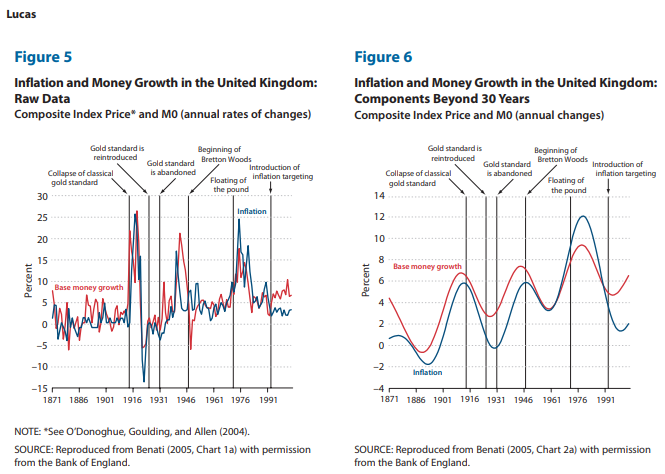
The long-run relation between base money and inflation rates
24 Apr 2022 Leave a comment
in economic history, macroeconomics, monetary economics, Robert E. Lucas
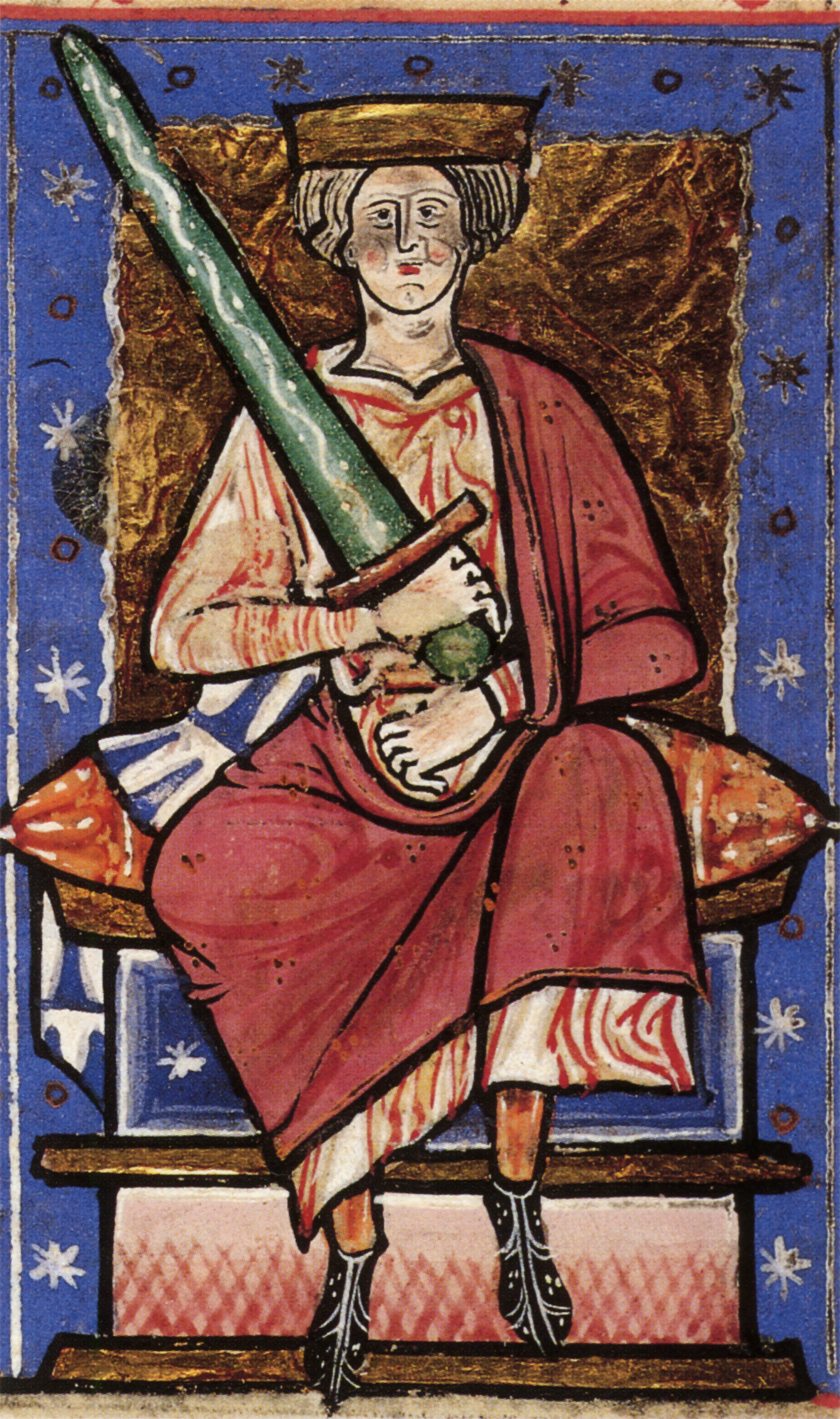
April 23, 1016: Death of Æthelred II, The Unready, King of the English
24 Apr 2022 Leave a comment

Æthelred II (c. 966 – April 23, 1016), known as the Unready, was King of the English from 978 to 1013 and again from 1014 until his death in 1016.
Æthelred was the son of King Edgar the Peaceful and Queen Ælfthryth, the daughter of Ealdorman Ordgar. Her mother was a member of the royal family of Wessex. The family’s power lay in the west of Wessex.
Ælfthryth was the first wife of an English king known to have been crowned and anointed as queen. She had two sons with Edgar, the ætheling Edmund (who died young) and King Æthelred the Unready. Ælfthryth was a powerful political figure and possibly orchestrated the murder of her stepson, King Edward the Martyr, in order to place her son Æthelred on the throne. She appeared as a stereotypical bad queen and evil stepmother in many medieval histories.
 Æthelred came to the throne at…
View original post 493 more words
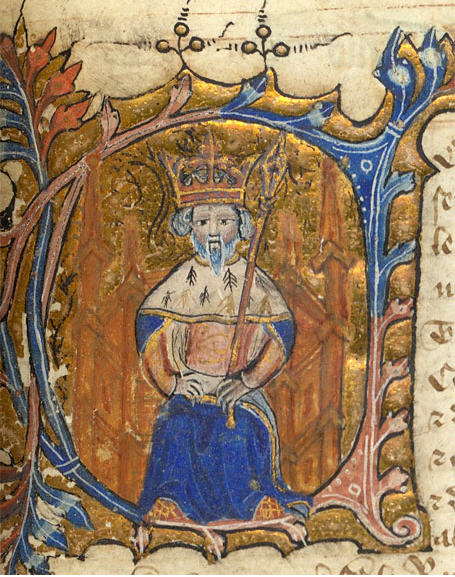
April 23, 1345: Founding of The Most Noble Order of the Garter
24 Apr 2022 Leave a comment
The Most Noble Order of the Garter is an order of chivalry founded by Edward III of England, Lord of Ireland in 1348. It is the most senior order of knighthood in the British honours system, outranked in precedence only by the Victoria Cross and the George Cross. The Order of the Garter is dedicated to the image and arms of Saint George, England’s patron saint.
 Appointments are at the sovereign’s sole discretion and are usually in recognition of a national contribution, for public service, or for personal service to the sovereign. Membership of the order is limited to the sovereign, the Prince of Wales, and no more than 24 living members, or Companions. The order also includes supernumerary knights and ladies (e.g., members of the British royal family and foreign monarchs).
The order’s emblem is a garter with the motto Honi soit qui mal y pense (Middle French for…
View original post 575 more words
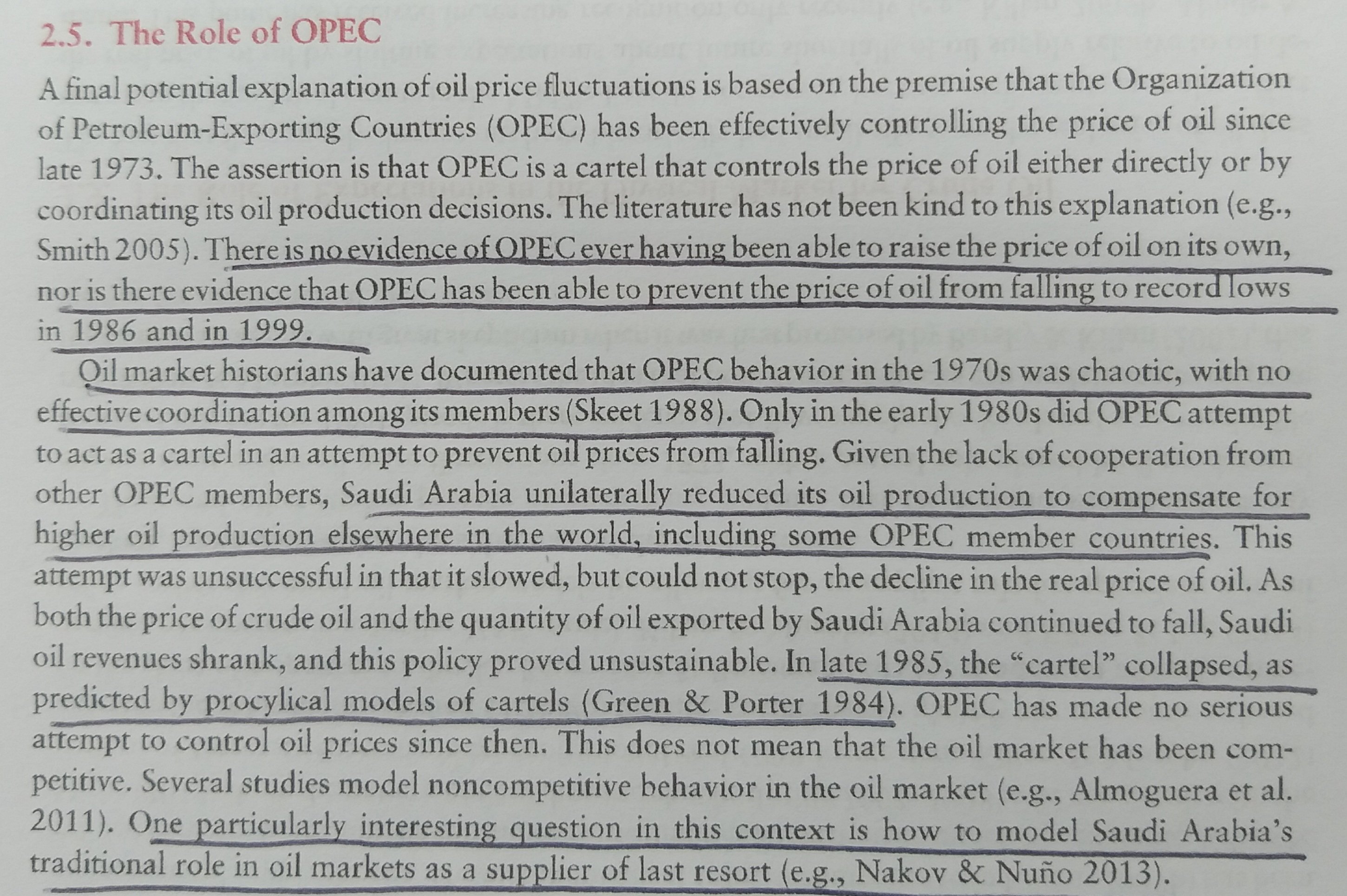
“Economic Policy and Growth of Nation” – by Prof. Finn Kydland
24 Apr 2022 Leave a comment
in applied price theory, budget deficits, business cycles, economic growth, economic history, Euro crisis, fiscal policy, global financial crisis (GFC), great recession, growth disasters, history of economic thought, labour economics, labour supply, macroeconomics, monetary economics, public economics, unemployment Tags: real business cycles


Recent Comments