
The tight Detroit automaker oligopoly had wildly unstable market shares and investment strategies
13 Oct 2021 Leave a comment
in applied price theory, Austrian economics, economic history, entrepreneurship, industrial organisation, law and economics, managerial economics, organisational economics, politics - USA, survivor principle, theory of the firm, transport economics Tags: antitrust economics, competition law, creative destruction
Essential Nozick: Income inequality and the role of choice
13 Oct 2021 Leave a comment
in applied price theory, applied welfare economics, comparative institutional analysis, economic history, economics of education, economics of information, economics of regulation, entrepreneurship, financial economics, history of economic thought, human capital, income redistribution, industrial organisation, labour economics, labour supply, occupational choice, occupational regulation, poverty and inequality, Rawls and Nozick, survivor principle
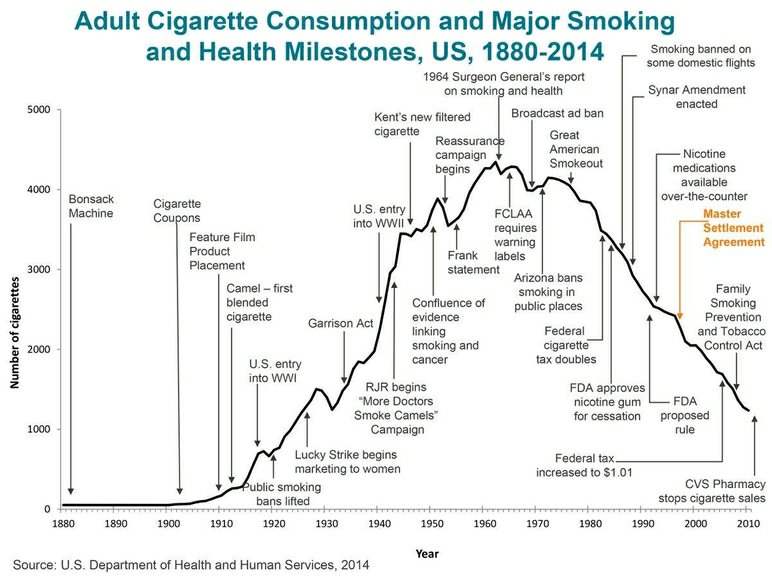
Didn’t know smoking was a 20th century vice
13 Oct 2021 Leave a comment
in economic history, health economics Tags: economics of smoking
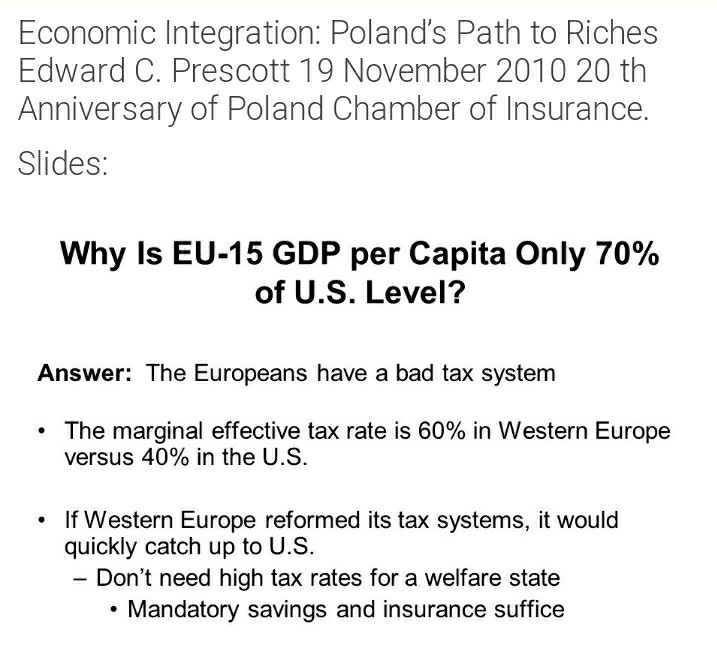
Prescott on Eurosclerosis
13 Oct 2021 Leave a comment
in applied price theory, applied welfare economics, economic growth, economic history, Edward Prescott, history of economic thought, labour economics, labour supply, macroeconomics Tags: taxation and entrepreneurship taxation and labour supply, taxation and investment, taxation and savings
New Zealand is more frightened than Britain
12 Oct 2021 Leave a comment

I came across a fascinating, sad article today about the “post-Covid” world of Britain’s population, The Most Frightened Nation.
It lists a number of the things done in that country over the last two years in The War Against Covid-19.
First up are some examples of the propaganda used by the Tory government:

The most heavy-handed of the government’s several advertising campaigns—which together have constituted the real “blitz”—was “Look them in the eyes . . . and tell them you’re doing all you can to stop the spread of Covid-19.”Postersshowed rheumy patients staring into the camera looking soulfully woeful while muzzled by oxygen masks. These images alternated with exhausted nurses in full PPE regalia.
No wonder other health care experts began getting worried about patients not turning up to hospitals, even when they had urgent problems.
The numbingly repeated “Stay Home/ Protect the NHS/ Save Lives”taglinechevroned…
View original post 897 more words
Rebellion Against Extinction: Civilisation Always & Everywhere About Reliable & Affordable Energy
12 Oct 2021 Leave a comment


Try living a day without a reliable power supply; then try living a life-time without it. If the doomsday cult that’s thrusting hopelessly unreliable and insanely expensive wind and solar down our throats had its way, then that’s what a future ‘civilisation’ will look like.
For those not willing to make an immediate sacrifice to get a handle on what’s coming, look no further than continental Africa and India and a range of other places where the poorest billion on our planet reside. People whose daily energy needs are met with whatever wood they can scrounge from their locality, twigs and dung.
It’s pretty easy for well-healed Westerners to pontificate about energy use, when it’s always available to them and price is not an issue.
These characters couldn’t care less about their fellow citizens; those at the bottom of the economic heap, for whom energy costs have become a crippling…
View original post 1,662 more words
Blade Runner
12 Oct 2021 Leave a comment

Blade Runner (1982) Director: Ridley Scott

★★★★★
Loosely based on Philip K. Dick’s 1968 novel Do Androids Dream of Sheep?, Blade Runner is an extraordinary neo-noir dystopian detective film that was under-appreciated in its day but is now hailed as a classic. Watching Blade Runner offers a unique kaleidoscope of carefully crafted scenes that nevertheless appear effortless and unplanned. Philip K. Dick did not live long enough to see the film released but the early scenes he witnessed impressed him. After releasing the monumental film Alien (1978), Ridley Scott started work on a cinematic adaptation of Frank Herbert’s Dune, but he soon moved on to Blade Runner. It was a film fraught with trouble from the outset. Ridley Scott battled with producers, studio budgets, script-writers, and lead actors especially Harrison Ford who did not appreciate how little direction he received and he despised his character’s moody…
View original post 708 more words
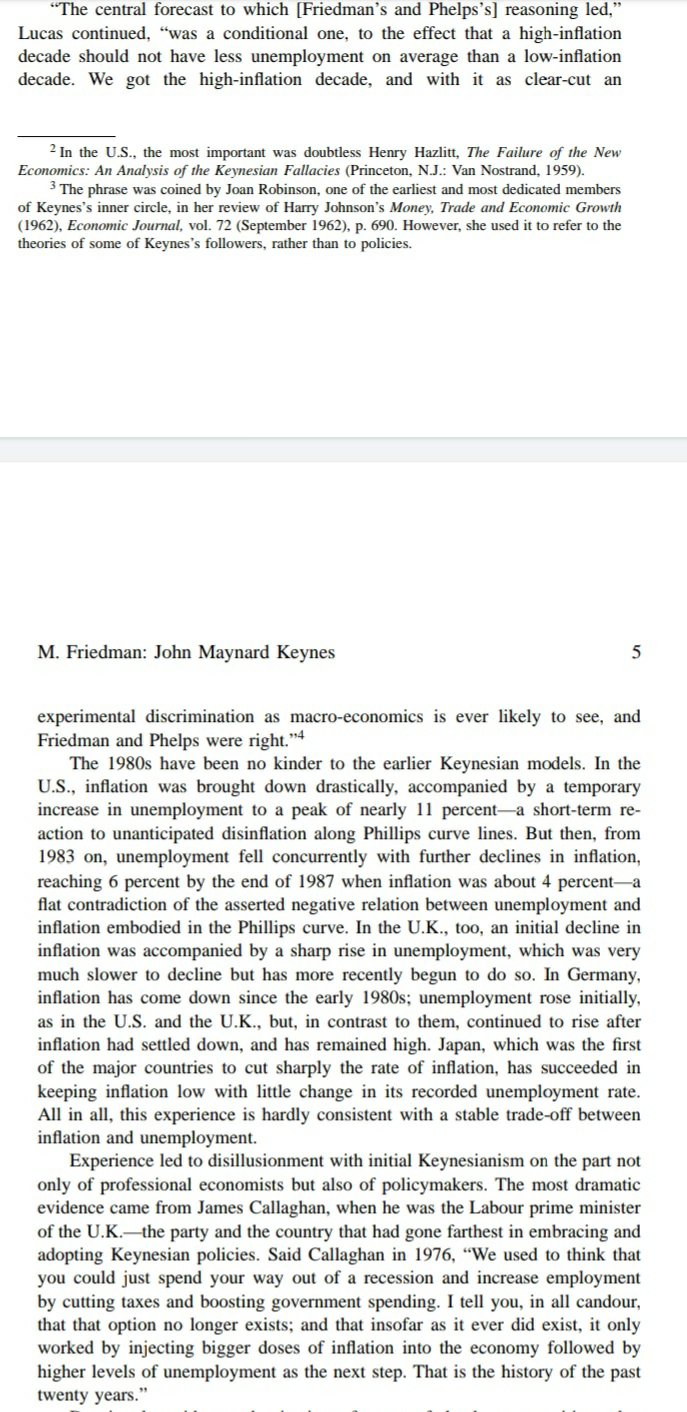
On Keynesian macroeconomic policy
12 Oct 2021 Leave a comment
in business cycles, economic history, fiscal policy, labour economics, macroeconomics, Milton Friedman, monetarism, monetary economics, Robert E. Lucas, unemployment Tags: Keynesian macroeconomics
Systemic Racism vs. Racial Inequities | Glenn Loury & John McWhorter
12 Oct 2021 Leave a comment
in comparative institutional analysis, discrimination, economics of education, economics of information, human capital, labour economics, labour supply, liberalism, Marxist economics, minimum wage, occupational choice, politics - USA, poverty and inequality Tags: political correctness, racial discrimination, regressive left
JOE JACKSON – ‘WILD WEST’ LIVE TV PERFORMANCE 23/06/87
12 Oct 2021 Leave a comment
in Music, television


Recent Comments