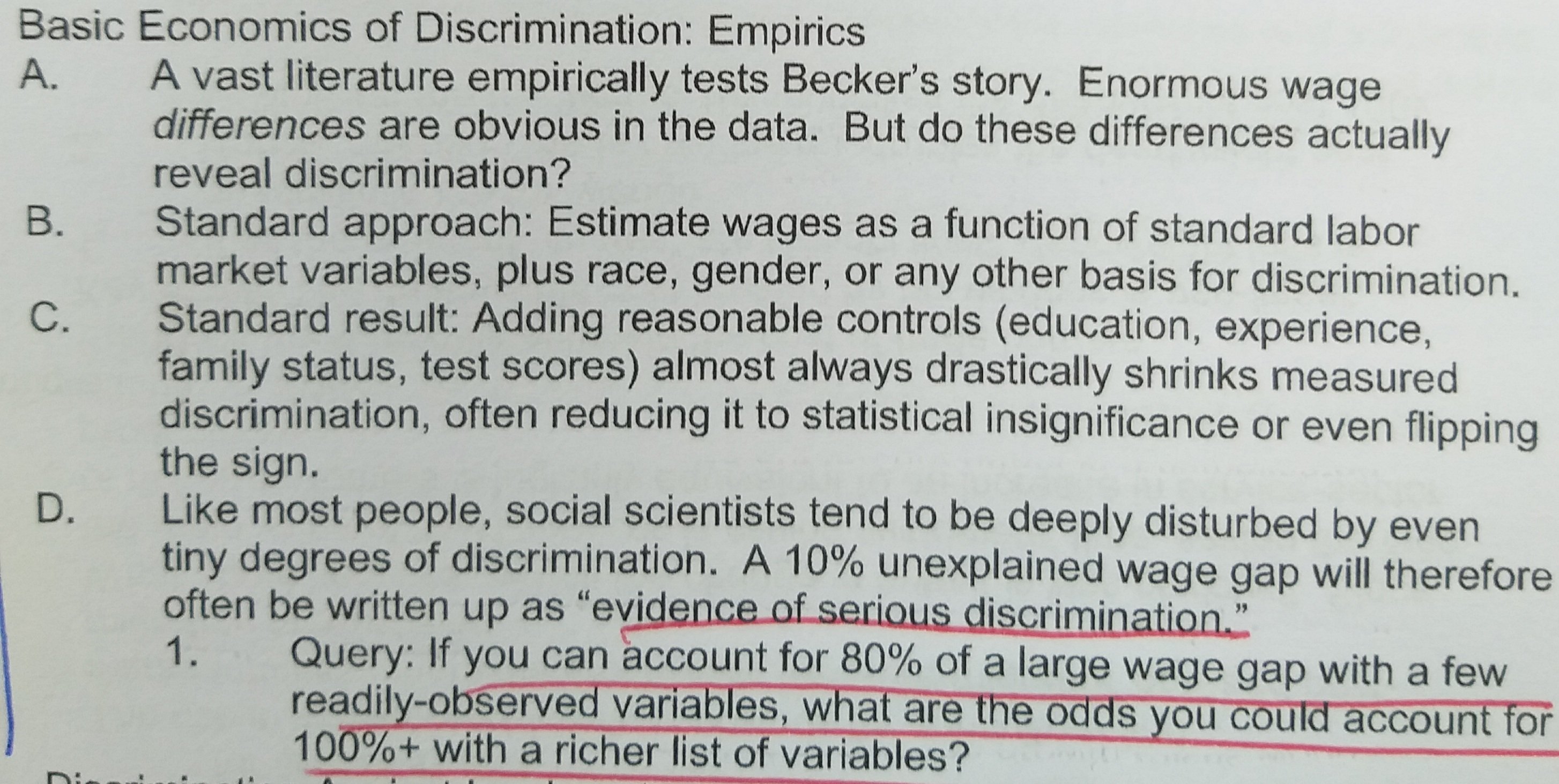
The Weirdly Big Problem of Being Declared Dead Accidentally
14 Oct 2021 Leave a comment
in economics of crime, economics of regulation, law and economics, property rights
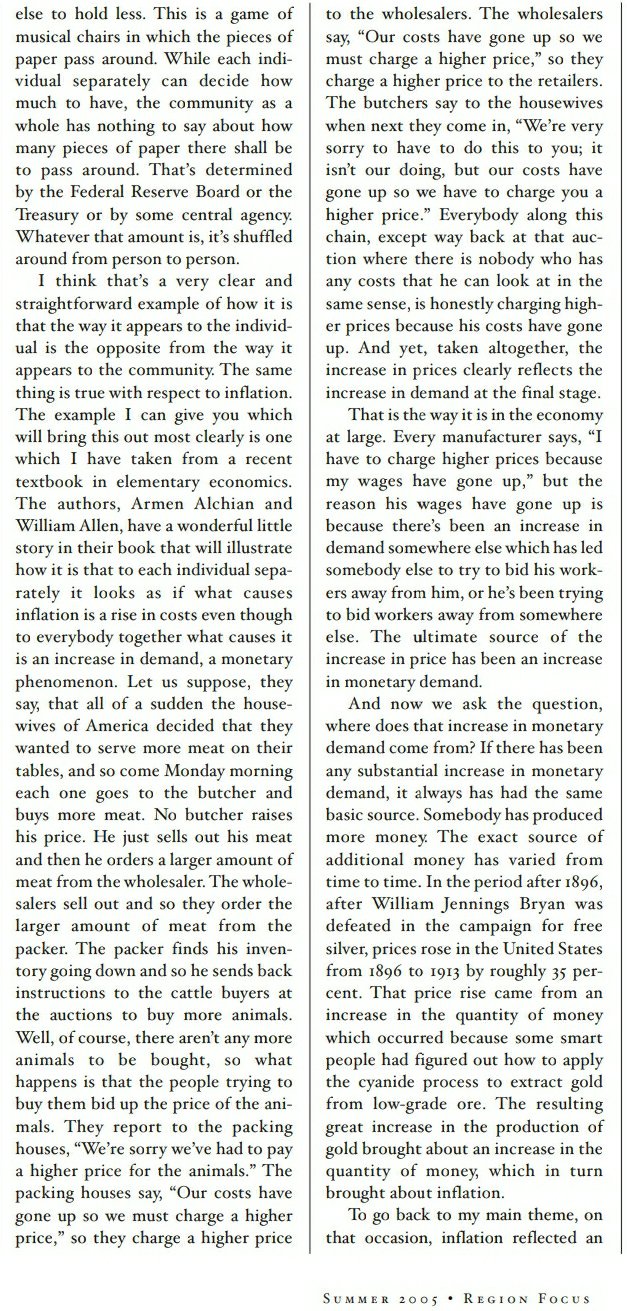
Anna Schwartz, November 19, 2001
14 Oct 2021 Leave a comment
in business cycles, econometerics, economic history, history of economic thought, macroeconomics, monetarism, monetary economics
Introduction to Differences-in-Differences
14 Oct 2021 Leave a comment
in econometerics, macroeconomics
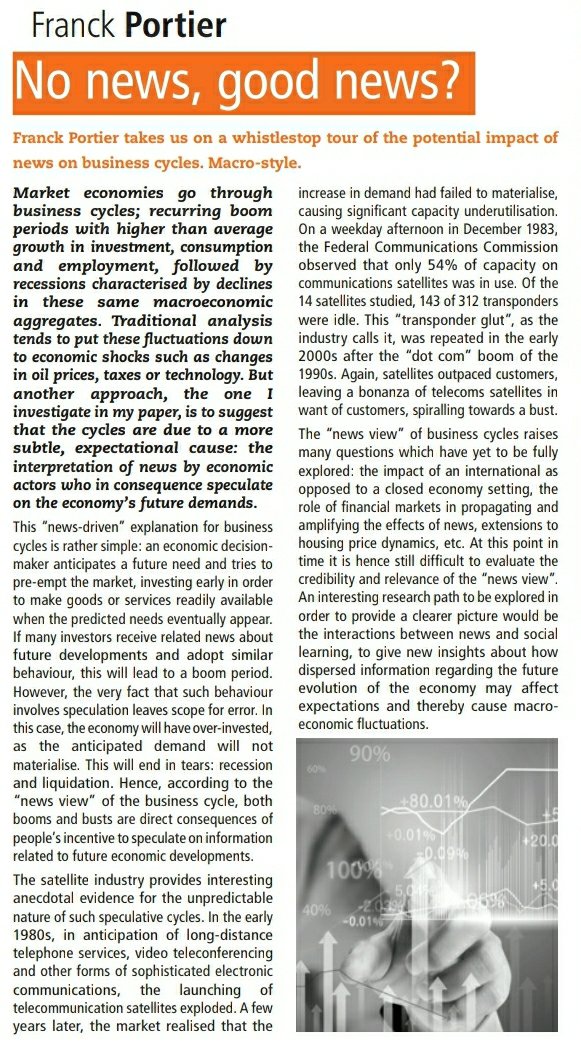
News-driven business cycle theory is promising
13 Oct 2021 Leave a comment
in applied price theory, business cycles, economic growth, economics of information, entrepreneurship, financial economics, history of economic thought, industrial organisation, labour economics, labour supply, macroeconomics, monetary economics, survivor principle, unemployment Tags: real business cycles
‘Restless, turbulent, and bold’: Radical MPs and the opening of the reformed Parliament in 1833
13 Oct 2021 Leave a comment

In this post which first appeared on the main History of Parliament blog, our research fellow Dr. Stephen Ball looks at the inaugural session of the reformed Parliament, a theme also explored in our previous blog on Harriet Grote.
When the reformed Parliament first met on Tuesday 29 January 1833 many people speculated about the way the reconfigured House of Commons would conduct its business. Fear that the Whig government would be unduly influenced by newly elected Reformers and Radicals, who might try to seize the initiative over legislation was widespread in conservative circles in the early weeks of the new parliament.
A contemporary analysis of non-Conservative MPs returned at the 1832 general election identified 145 Reformers, 40 Radicals, 33 Irish Repealers and two Liberals, who saw the Reform Act as a springboard for further constitutional change, and 194 Whigs, who could be counted on to support the 23…
View original post 1,230 more words
Permanent Legacy: Wind Industry Plans to Abandon Millions of 500 Tonne Concrete Wind Turbine Bases
13 Oct 2021 Leave a comment


Decommissioning wind turbines at the end of their economic lifespan (which is around 10 to 15 years, not the 25 years touted by the wind industry) is one of those phenomenally expensive exercises that the wind power outfit itself will never willingly pay for.
Already past their use-by date, thousands of these things around the world have just been left as rusting monuments to ‘green’ energy stupidity.
The standard corporate structures used by wind power outfits involve a parent company, usually structured as a holding company – NextTerror Ltd, say – with a subsidiary that takes on the name of the wind farm – Mount Misery Pty Ltd. The subsidiary is lumbered with all the current debts and other liabilities, which are loaded up in such a way as to exceed its assets (as long as the wind farm is operating, the parent sees that sufficient cash flushes through the…
View original post 2,660 more words
Emergency measures introduced in UK as energy bills soar – and NZ should brace for rising prices, too, thanks to exploration ban
13 Oct 2021 Leave a comment

Soaring energy bills are a problem for firms, households, and the government. This was a headline in The Economist last week – but it can’t happen here, can it?
After all, NZ has plenty of energy. Unlike Europe, 80% of its electricity is from renewable sources. And according to oil industry authorities, NZ is surrounded by a massive continental shelf — the fifth largest in the world, beneath which lie vast quantities of undiscovered natural gas and, probably, some light oil.
So surely NZ can face the future with confidence?
Well, no: let’s not forget Prime Minister Jacinda Ardern had her “non-nuclear” moment and placed a ban on new offshore exploration permits for oil and gas. Since then, as international oil explorers gave up their offshore exploration licences, supplies from existing producing wells have begun to diminish for several reasons.
Higher costs are starting to flow into household and business …
View original post 402 more words
Thomas Sargent on the credibility of Thatcher’s U-turn
13 Oct 2021 Leave a comment
in business cycles, economic history, fiscal policy, macroeconomics, Milton Friedman, monetarism, monetary economics
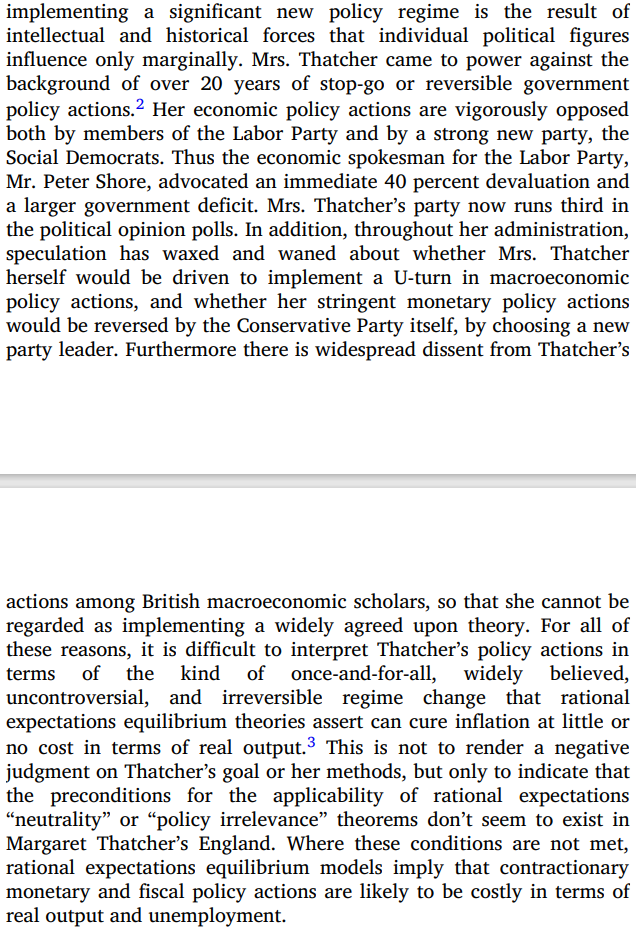
From Stopping Moderate Inflations
Legal Succession: Mary & Jane: Part I
13 Oct 2021 Leave a comment

Although Henry VIII caused the upheaval of many lives in trying to secure a male heir, he ended up leaving a sickly male child on the throne. King Edward VI was only 9 years old when he mounted the throne. Because of his age he ruled under a Regency Council. The Council was first led by his uncle Edward Seymour, 1st Duke of Somerset, (1547–1549), and then by John Dudley, 1st Earl of Warwick, from 1551 Duke of Northumberland.
Edward did not live long and died at the age of 15 from consumption (Tuberculosis). His death saw another struggle for the crown. A new element was introduced for the struggle for the crown that had not been an issue in other battles for the throne. The issue was religion. In trying to secure a male heir and a divorce from Catherine of Aragon, Henry VIII broke from the Roman…
View original post 226 more words
October 12, 1537: Birth of King Edward VI of England and Ireland
13 Oct 2021 Leave a comment
Edward VI (October 12, 1537 – July 6, 1553) was the King of England and Ireland from January 28, 1547 until his death in 1553. He was crowned on February 20, at the age of nine.
Edward was the son of Henry VIII and Jane Seymour by his third wife, Jane Seymour. Throughout the realm, the people greeted the birth of a male heir, “whom we hungered for so long”, with joy and relief. Te Deums were sung in churches, bonfires lit, and “their was shott at the Tower that night above two thousand gonnes”. Queen Jane, appearing to recover quickly from the birth, sent out personally signed letters announcing the birth of “a Prince, conceived in most lawful matrimony between my Lord the King’s Majesty and us”.
Edward was christened on October 15, with his half-sisters, the 21-year-old Lady Mary as godmother and the 4-year-old Lady Elizabeth carrying the…
View original post 1,033 more words


Recent Comments