05 Mar 2016
by Jim Rose
in economics of love and marriage, fiscal policy, gender, labour economics, labour supply, law and economics, politics - Australia, politics - New Zealand, politics - USA, public economics
Tags: Australia, British economy, Canada, Denmark, effective marginal tax rates, family tax benefits, family tax credits, France, Germany, in-work tax credits, Italy, poverty traps, rational irrationality, social insurance, Sweden, taxation and labour supply
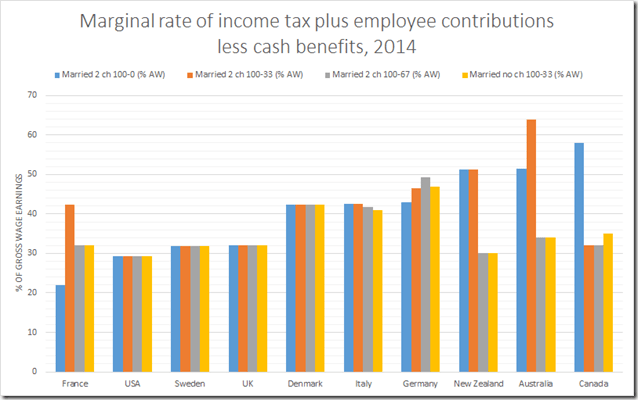
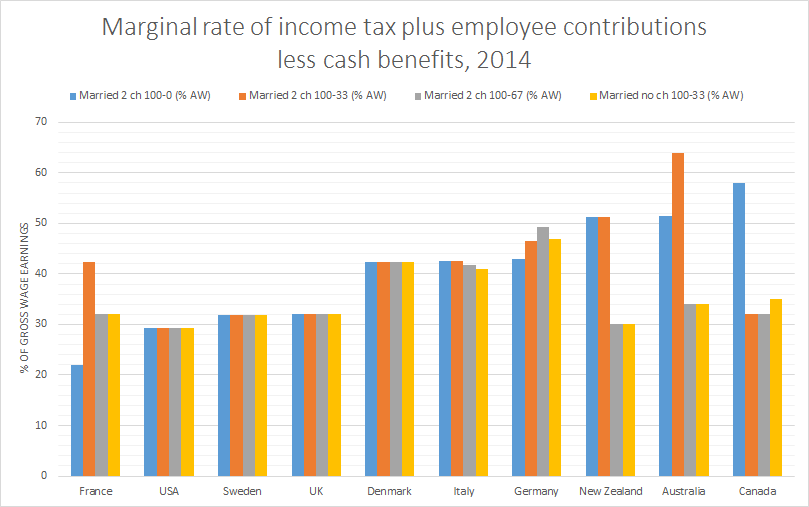
Some countries including New Zealand and Australia do not give ordinary families much of an incentive to earn more. Effective marginal tax rates on low income families is one of the few times that the Left discovers supply-side economics.
Source: Taxing Wages 2015 – OECD 2015.
05 Mar 2016
by Jim Rose
in fiscal policy, politics - Australia, politics - New Zealand, politics - USA, public economics
Tags: Australia, British economy, Canada, Denmark, family taxation, France, Germany, Italy, social insurance, Sweden, taxation and labour supply
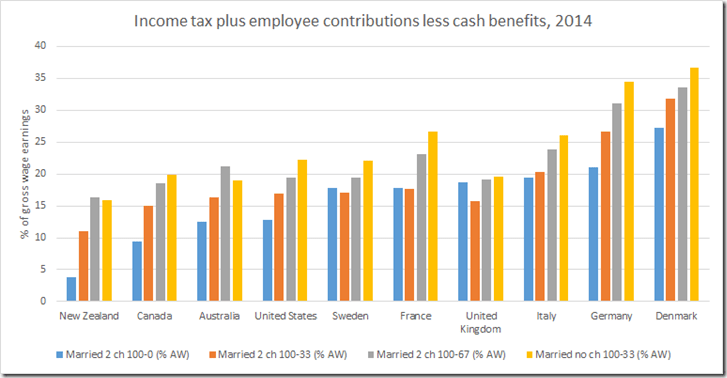
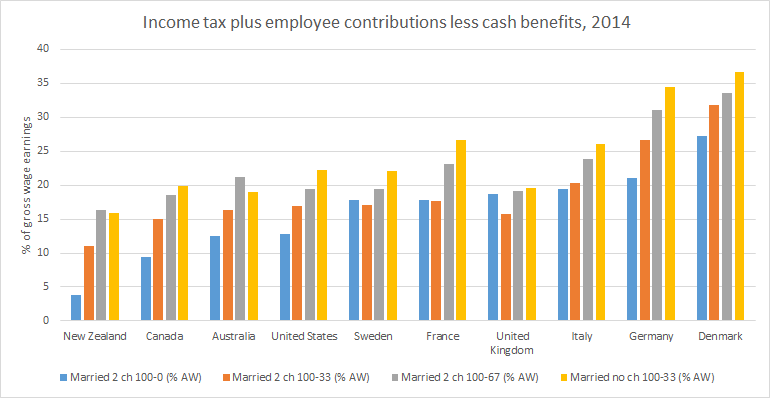
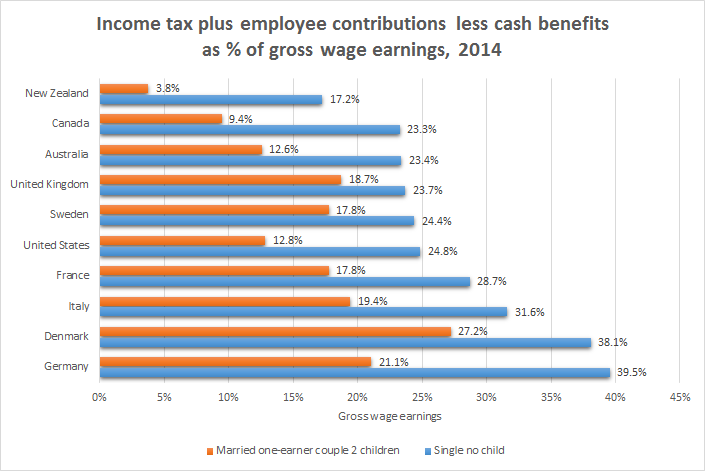
Those sensitive and caring northern European welfare states do tax families rather heavily even after accounting for family cash benefits.
Source: Taxing Wages 2015 – OECD 2015.
04 Mar 2016
by Jim Rose
in fiscal policy, politics - Australia, politics - New Zealand, politics - USA, public economics
Tags: Australia, British economy, Canada, Denmark, France, Germany, Italy, social insurance, Social Security, Sweden, taxation and labour supply
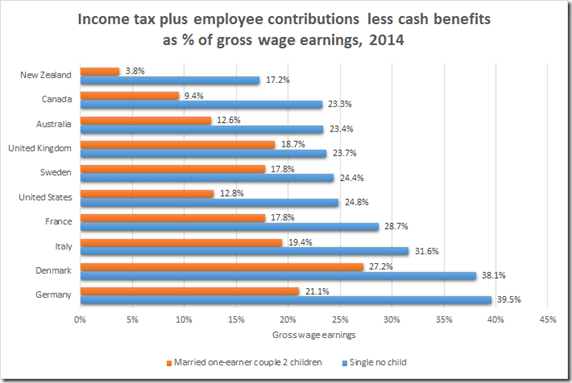
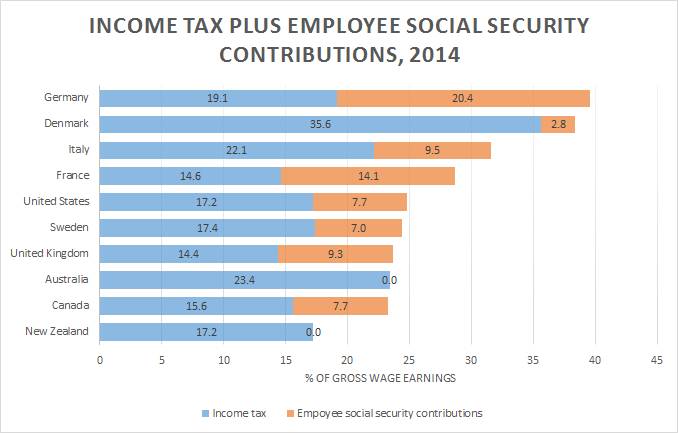
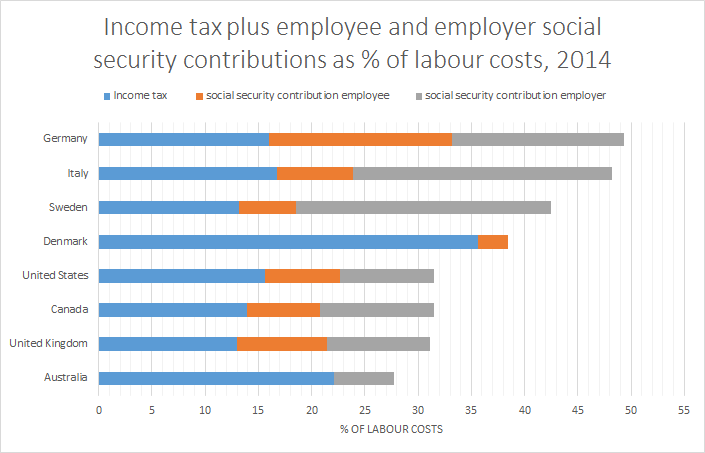
Those much admired northern European welfare states tax families and individuals much more than do the Anglo-Saxon welfare states.
Source: Taxing Wages 2015 – OECD 2015.
04 Mar 2016
by Jim Rose
in fiscal policy, politics - Australia, politics - New Zealand, politics - USA, public economics
Tags: Australia, British economy, Canada, Denmark, Germany, Italy, social insurance, Social Security, Sweden, taxation and labour supply
03 Mar 2016
by Jim Rose
in fiscal policy, public economics
Tags: Australia, British economy, Canada, Denmark, Germany, Italy, social insurance, Social Security, Sweden, taxation and labour supply
28 Feb 2016
by Jim Rose
in economic history, fiscal policy, macroeconomics, politics - USA, public economics
Tags: British economy, Canada, growth of government, Margaret Thatcher, size of government, Thatchernomics, Tony Blair
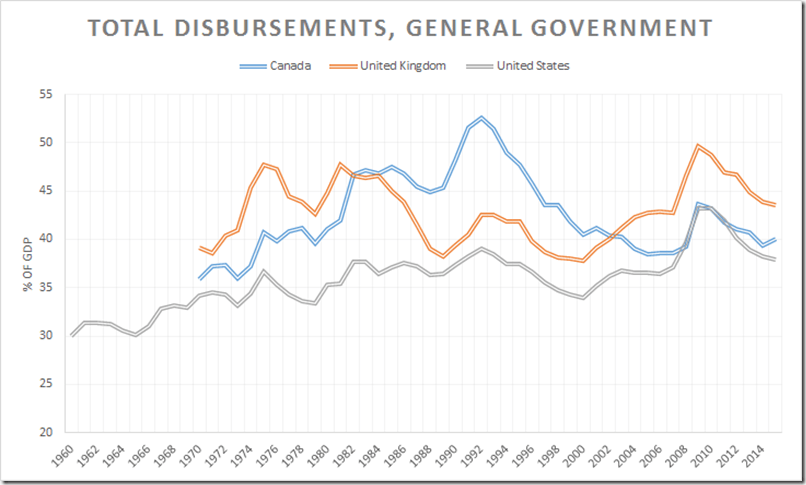
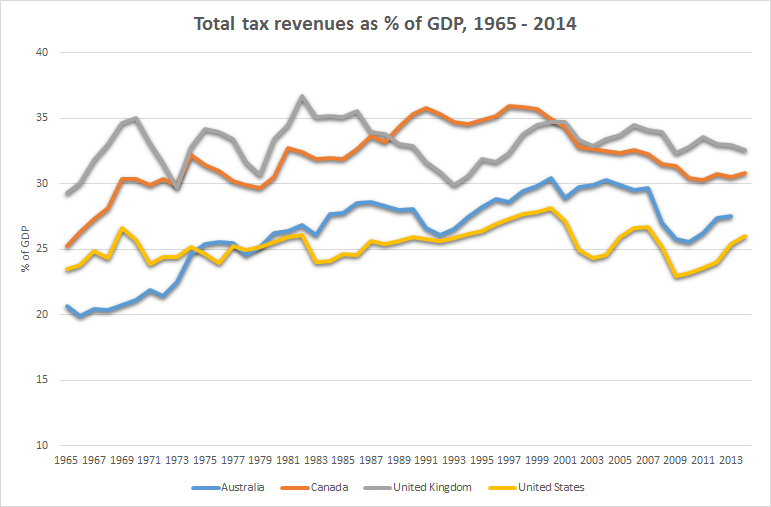
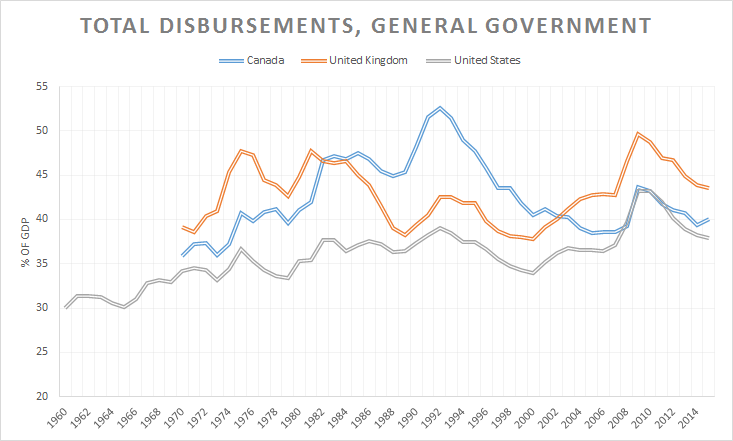
Both the British and Canadian economies experienced major winding backs in the size of government. Only the UK, under neoliberal pawn and closet Thatcherite Tony Blair, was that undone. He is now despised by many Labour Party members including its current leader for this record.
Data extracted on 23 Feb 2016 07:45 UTC (GMT) from OECD.Stat.
26 Feb 2016
by Jim Rose
in economic history, economics of regulation, entrepreneurship, industrial organisation, survivor principle
Tags: billionaires, British economy, entrepreneurial alertness, France, Germany, Italy, superstar wages, superstars
20 Feb 2016
by Jim Rose
in applied welfare economics, economics of regulation, fiscal policy, labour economics, politics - Australia, politics - New Zealand, politics - USA, welfare reform
Tags: British economy, Canada, Denmark, Finland, France, Germany, Italy, Japan, Norway, social insurance, Sweden, welfare state
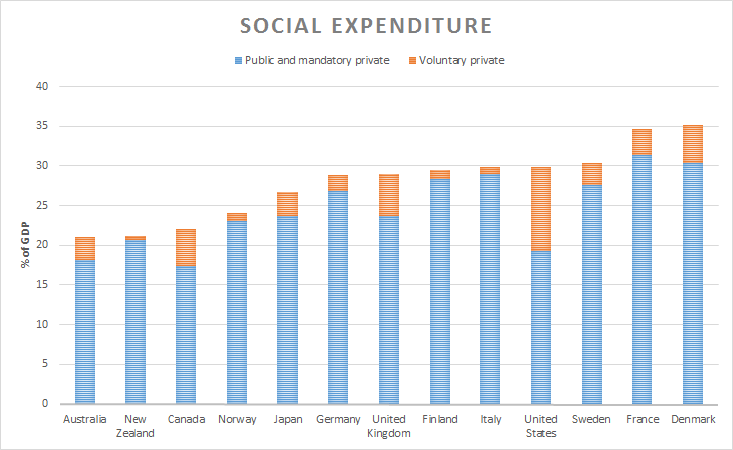
Mandatory and voluntary private social expenditure makes a big difference to the degree of social insurance in some countries but not others. The calculation of these numbers in purchasing power parity would be much more interesting.
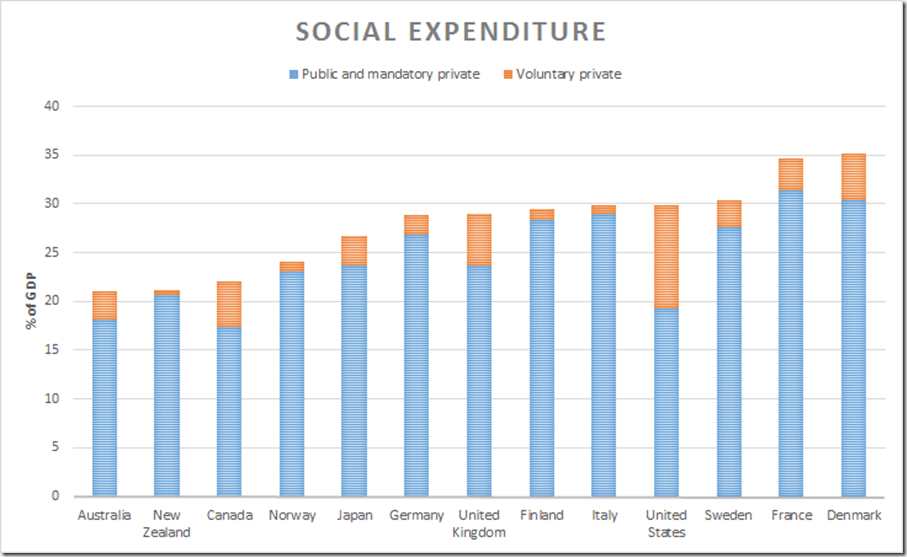
Source: OECD Income Distribution database.
20 Feb 2016
by Jim Rose
in fiscal policy, income redistribution, labour economics, politics - Australia, politics - New Zealand, politics - USA, Public Choice, welfare reform
Tags: British economy, Denmark, Finland, France, Germany, Italy, Japan, Norway, social insurance, Sweden, welfare state
Some welfare states are much more targeted. Australia has the most targeted welfare state in terms of public social benefits paid in cash to the bottom quintile (Q1) of income earners.
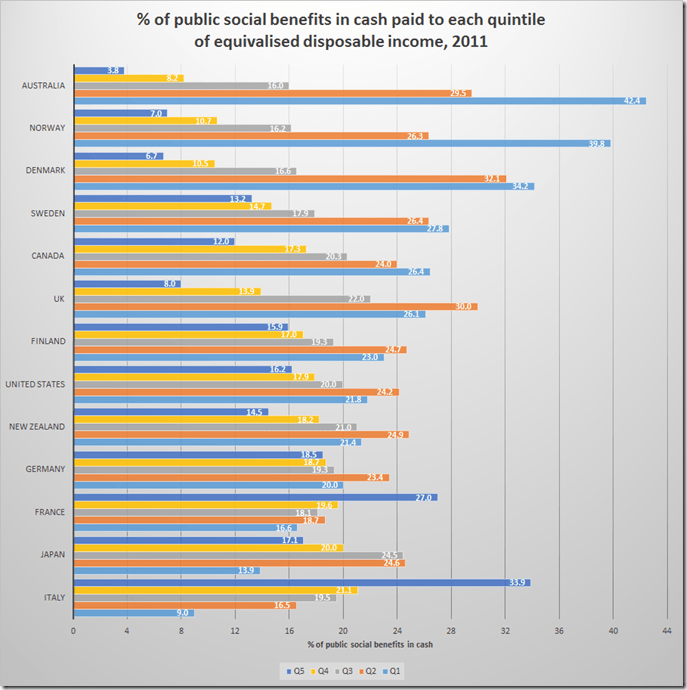
Source: OECD Income Distribution database.
16 Feb 2016
by Jim Rose
in applied welfare economics, economic history, economics of regulation, entrepreneurship, financial economics, human capital, industrial organisation, labour economics, poverty and inequality, survivor principle
Tags: billionaires, British economy, entrepreneurial alertness, superstars, top 1%

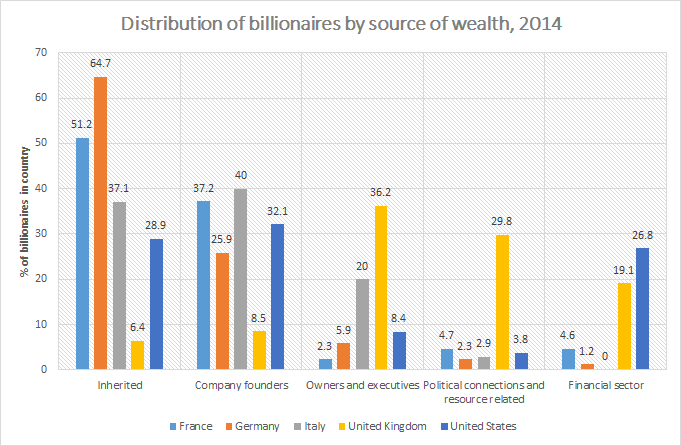
Inheriting wealth is not what it used to be in Britain. There are all these upstarts running businesses or working in the City.

Source: Caroline Freund and Sarah Oliver, The Origins of the Superrich: The Billionaire Characteristics Database (2016).
Previous Older Entries Next Newer Entries


 Utopia, you are standing in it!
Recent Comments