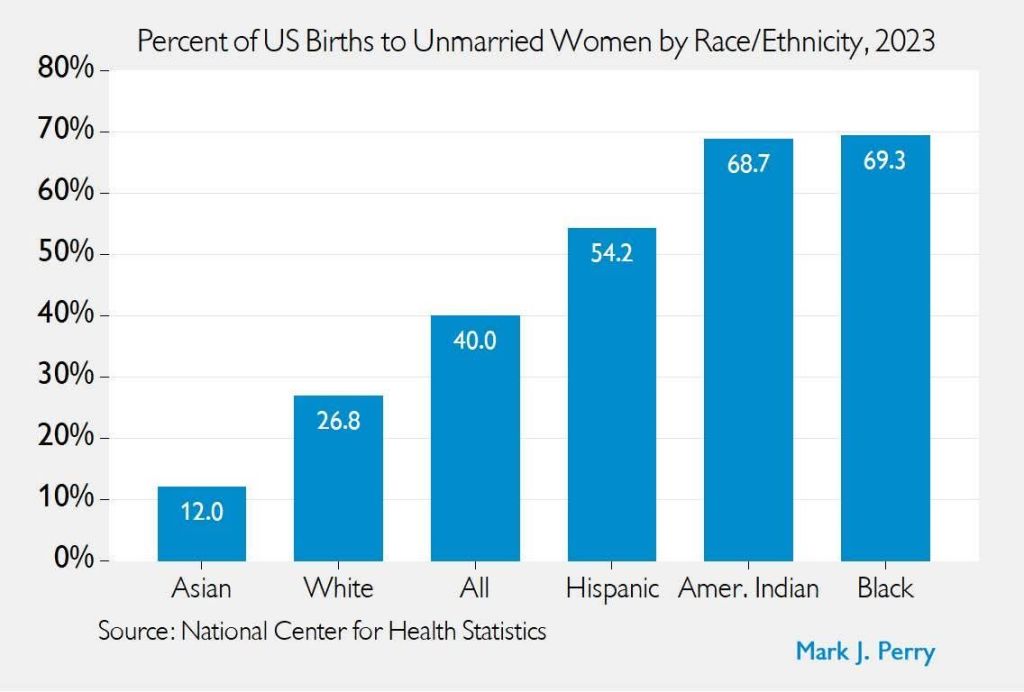
These are large differences
03 Nov 2025 Leave a comment
in economics of love and marriage Tags: dating markets, economics of fertility, marriage and divorce
Population bust
09 Sep 2025 Leave a comment
in labour economics, labour supply, population economics Tags: ageing society, economics of fertility, population bust
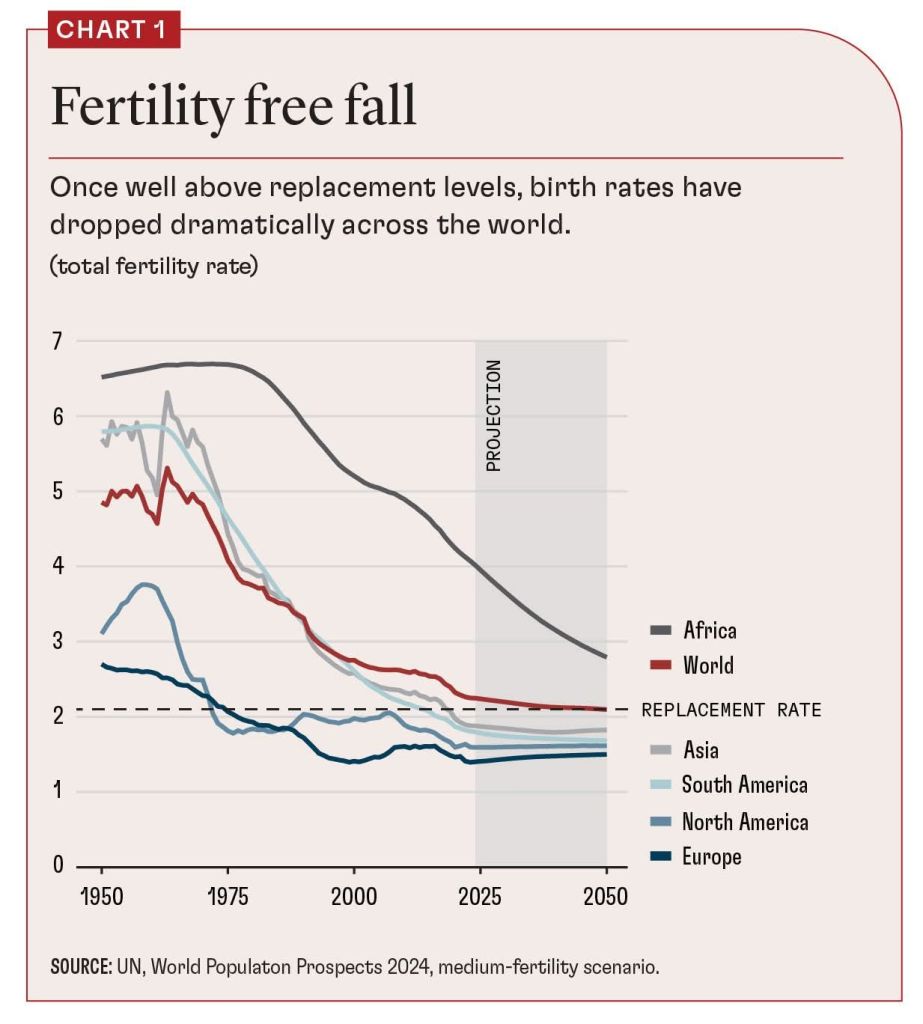
Fertility
29 Aug 2025 Leave a comment
in population economics Tags: baby bust, economics of fertility
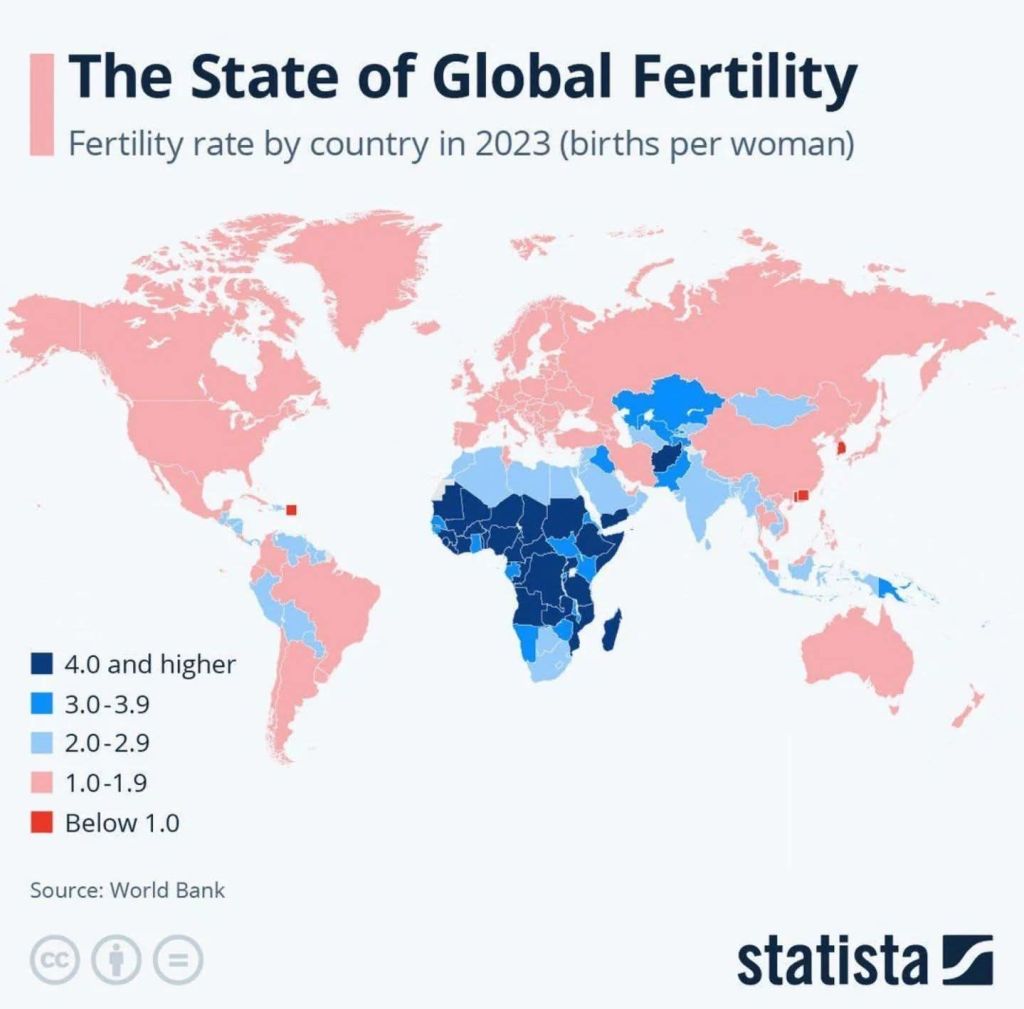
The population bust
15 Jul 2025 Leave a comment
in development economics, economic history, labour economics, labour supply, population economics Tags: ageing society, economics of fertility, population bust
There’s little evidence that subsidies and protections have substantially raised the number of children women have over their lifetime
13 Apr 2025 Leave a comment
in economics of love and marriage, labour economics, labour supply, law and economics, population economics Tags: economics of fertility
See They Want More Babies: Now They Have Friends in the White House by Lydia DePillis of The NY Times. Excerpts: “In designing policy requests for federal legislators, however, pronatalists run into a problem: There’s little evidence that subsidies and protections have substantially raised the number of children women have over their lifetime. It’s not for…
There’s little evidence that subsidies and protections have substantially raised the number of children women have over their lifetime
The Anatomy of Marital Happiness
22 Mar 2025 Leave a comment
in applied price theory, econometerics, economic history, economics of love and marriage, industrial organisation, labour economics, population economics Tags: dating markets, economics of fertility, marriage and divorce, marriage premium
How can I not link to a new Sam Peltzman piece on such a topic? Here goes: Since 1972, the General Social Survey has periodically asked whether people are happy with Yes, Maybe or No type answers. Here I use a net “happiness” measure, which is percentage Yes less percentage No with Maybe treated as […]
The Anatomy of Marital Happiness
Gender gaps in education and declining marriage rates
06 Feb 2025 Leave a comment
in applied price theory, econometerics, economics of love and marriage, economics of marriage, human capital, labour economics, law and economics, poverty and inequality Tags: assortative mating, economics of fertility
Over the past half-century, the share of men enrolled in college has steadily declined relative to women. Today, 1.6 million more women than men attend four-year colleges in the U.S. This trend has not lowered marriage rates for college women, a substantial share of whom have historically married economically stable men without college degrees. Both […]
Gender gaps in education and declining marriage rates
The Child Penalty: An International View
03 Feb 2025 Leave a comment
in applied price theory, discrimination, econometerics, economics of education, gender, human capital, labour economics, labour supply, occupational choice Tags: economics of fertility, gender wage gap, marriage and divorce

It’s well-known that when a couple has a child, the average woman experiences a “child penalty” in labor market outcomes, while outcomes for the man are largely unchanged. For a discussion of this pattern using US data, here’s an article by Jane Waldfogel from back in 1998 in the Journal of Economic Perspectives. As that…
The Child Penalty: An International View
Babies and the Macroeconomy
02 Feb 2025 Leave a comment
in applied price theory, development economics, economic history, economics of love and marriage, economics of marriage, human capital, labour economics, labour supply Tags: ageing society, economics of fertility, marriage and divorce
By Claudia Goldin. From NPR’s Planet Money.”Countries around the world have seen a jaw-dropping decline in fertility rates. In this paper, Claudia Goldin, the 2023 winner of the Nobel Prize in economic sciences, offers a new theory to help explain why (listen to The Indicator’s conversation with her back in 2021). Goldin starts by providing…
Babies and the Macroeconomy
What does society expect from fathers?
27 Dec 2024 Leave a comment
in economics of crime, economics of love and marriage, law and economics, politics - New Zealand Tags: economics of fertility
We live in a society utterly confused about parenthood and the role of fathers. The last Labour government made fathers increasingly irrelevant. In 2020 a law change repealing section 70a of the Social Security Act meant mothers applying for a sole parent benefit no longer had to name the father of their child for the…
What does society expect from fathers?
Desired Fertility versus the Mueller Effect
28 Nov 2024 Leave a comment
in applied price theory, economics of love and marriage, labour economics, labour supply, law and economics, population economics Tags: economics of fertility
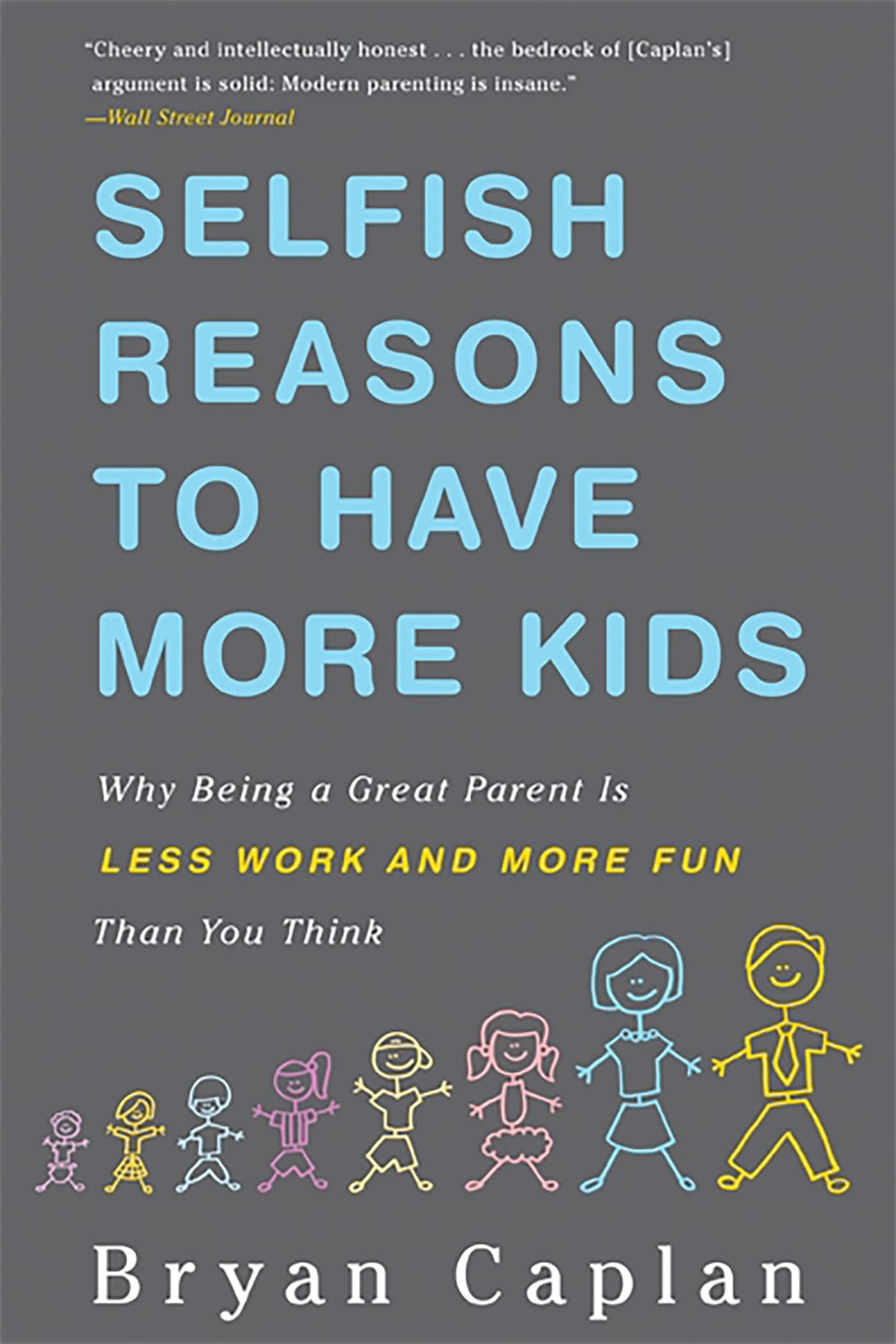
Six months ago, I’m not sure that I’d ever heard of demographer Lyman Stone. Now, people in my circles randomly drop his name on a weekly basis. His favorite topic, in case you haven’t heard, is global fertility decline. As a longtime natalist, I share his concerns. One of Stone’s top takeaways: Instead of talking…
Desired Fertility versus the Mueller Effect
The Puzzle of Japan’s Economy: When Productivity Gains Are Outside National Borders
26 Oct 2024 Leave a comment
in development economics, economic growth, economic history, growth miracles, labour economics, labour supply, macroeconomics, population economics Tags: economics of fertility, Japan
In total size, Japan’s economy is fourth-largest in the world, just behind Germany for third-largest. In per capita GDP, Japan is ahead of Spain and South Korea, although well behind Italy and France. With a life expectancy at birth of 84 years, ,Japan has one of the highest levels in the world. Clearly, Japan has…
The Puzzle of Japan’s Economy: When Productivity Gains Are Outside National Borders
Further evidence for the babysitting theory of education
08 Oct 2024 Leave a comment
in applied price theory, applied welfare economics, economics of education, economics of love and marriage, human capital, labour economics, labour supply, law and economics Tags: economics of fertility
Bryan Caplan will feel vindicated: This paper asks whether universal pre-kindergarten (UPK) raises parents’ earnings and how much these earnings effects matter for evaluating the economic returns to UPK programs. Using a randomized lottery design, we estimate the effects of enrolling in a full-day UPK program in New Haven, Connecticut on parents’ labor market outcomes […]
Further evidence for the babysitting theory of education
The economics of the falling total fertility rate in New Zealand
31 Jul 2024 Leave a comment
in human capital, labour economics, labour supply, politics - New Zealand, population economics Tags: ageing society, economics of fertility

Earlier this week, I was interviewed by Paul Brennan on Reality Check Radio, on New Zealand’s declining birth rate. You can listen to the interview here. We didn’t have time to go through all of the questions I was given beforehand, so I thought I would add some points here, along with some links to…
The economics of the falling total fertility rate in New Zealand
Chinese Economic Policy, Part I: The Demographic Challenge
17 Jul 2024 Leave a comment
in development economics, economic history, growth disasters, growth miracles, labour economics, labour supply, population economics Tags: China, economics of fertility
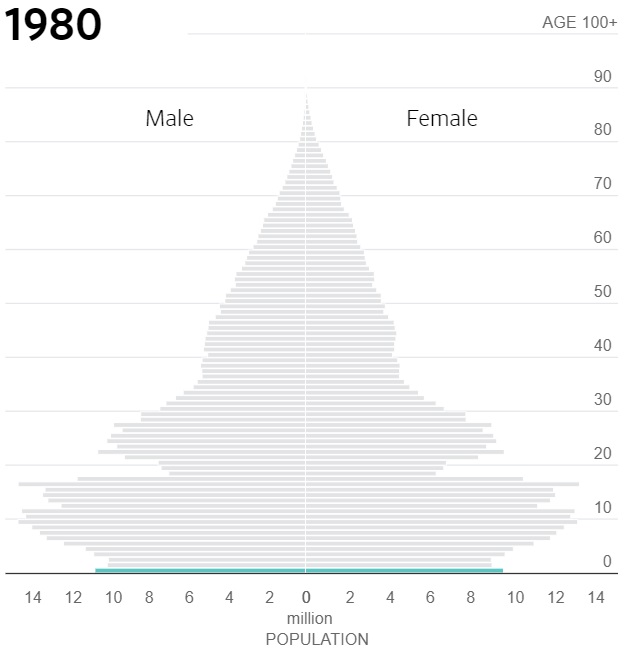
I’m in China this week, teaching about fiscal policy, convergence theory, and inequality at Northeastern University in Shenyang. So it’s a good opportunity to write about some pluses and minuses of Chinese economic policy. We’ll start this series by looking at demographics, which almost surely is the biggest long-run challenge for Chinese policymakers. How big […]
Chinese Economic Policy, Part I: The Demographic Challenge
 Utopia, you are standing in it!
Recent Comments