
#COVID19
27 Apr 2020 Leave a comment
in health economics, politics - New Zealand Tags: economics of pandemics, pessimism bias
Will Sweden’s coronavirus gamble pay off?
26 Apr 2020 Leave a comment
in health economics Tags: economics of pandemics, Sweden
#COVID19 #OTD
26 Apr 2020 Leave a comment
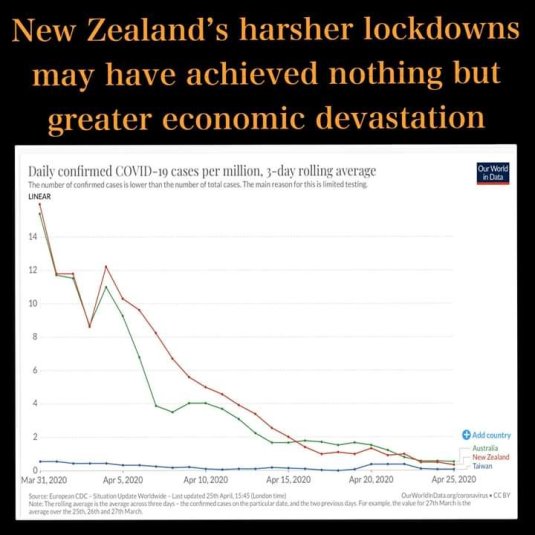
in applied welfare economics, economic growth, health economics, macroeconomics, politics - Australia, politics - New Zealand Tags: economics of pandemics, pessimism bias
Dr. Ioannidis on Why We Don’t Have Reliable Data Surrounding COVID-19
26 Apr 2020 Leave a comment
in econometerics, economics of bureaucracy, economics of information, health economics, politics - Australia, politics - New Zealand, politics - USA, Public Choice Tags: action bias, economics of pandemics, pessimism bias, The fatal conceit
How Coronavirus Affects People With Diabetes, Cancer, And Other Conditions
25 Apr 2020 Leave a comment
in health economics Tags: economics of pandemics
Did @jacindaardern misspeak about elimination and eradication are synonymous?
25 Apr 2020 Leave a comment
in health economics, politics - New Zealand Tags: economics of pandemics

How the Oil Bust Could Reshape Global Markets | @WSJ
24 Apr 2020 Leave a comment
in energy economics Tags: cartel theory, economics of pandemics, Oil prices
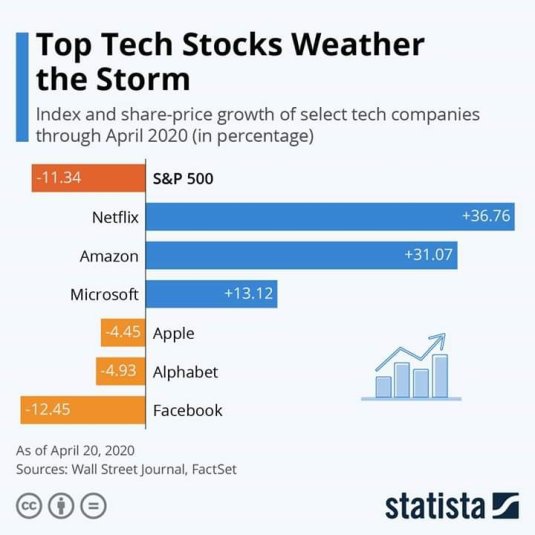
What did @Facebook do wrong?
22 Apr 2020 Leave a comment
in financial economics, health economics Tags: economics of pandemics
#COVID19
22 Apr 2020 Leave a comment
in health economics, politics - Australia, politics - New Zealand, politics - USA Tags: economics of pandemics
Why do governments assume a #COVID19 vaccine will be developed?
22 Apr 2020 Leave a comment
in health economics Tags: economics of pandemics

Johan Giesecke, one of the world’s most senior epidemiologists
20 Apr 2020 Leave a comment
in econometerics, health economics Tags: economics of pandemics, pessimism bias
- UK policy on lockdown and other European countries are not evidence-based
- The correct policy is to protect the old and the frail only
- This will eventually lead to herd immunity as a “by-product”
- The initial UK response, before the “180 degree U-turn”, was better
- The Imperial College paper was “not very good” and he has never seen an unpublished paper have so much policy impact
- The paper was very much too pessimistic
- Any such models are a dubious basis for public policy anyway
- The flattening of the curve is due to the most vulnerable dying first as much as the lockdown
- The results will eventually be similar for all countries
- Covid-19 is a “mild disease” and similar to the flu, and it was the novelty of the disease that scared people.
- The actual fatality rate of Covid-19 is the region of 0.1%
- At least 50% of the population of both the UK and Sweden will be shown to have already had the disease when mass antibody testing becomes available


Recent Comments