Correlations between spouses Extraversion: r= .005Neuroticism: .082Height: .227Weight: .154Education: .5Political party: .6 “Mates tend to be positively but weakly concordant on personality and physical traits, but concordance of political attitudes is extremely high” pic.twitter.com/BmdpySfakh — Rob Henderson (@robkhenderson) February 10, 2024
Correlations between spouses
Correlations between spouses
11 Feb 2024 Leave a comment
in economics of love and marriage, economics of media and culture, human capital, labour economics, law and economics, population economics Tags: marriage and divorce
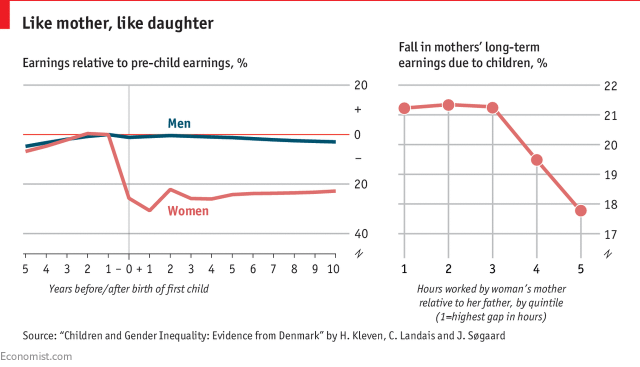
Family leave and the gender wage gap
16 Jan 2024 Leave a comment
in applied price theory, discrimination, econometerics, economic history, gender, human capital, labour economics, labour supply, occupational choice, poverty and inequality Tags: economics of fertility, family leave, gender wage gap, marriage and divorce, sex discrimination

The gender wage gap has been decreasing slowly and steadily over time. At least, that’s what I thought until I read this 2023 NBER Working Paper by Peter Blair (Harvard University) and Benjamin Posmanick (St. Bonaventure University). They present the following graph of the gender wage gap in the US (for White women, compared with White men,…
Family leave and the gender wage gap
Take me to the alter
06 Jan 2024 Leave a comment
in economic history, economics of love and marriage, labour economics, law and economics Tags: marriage and divorce
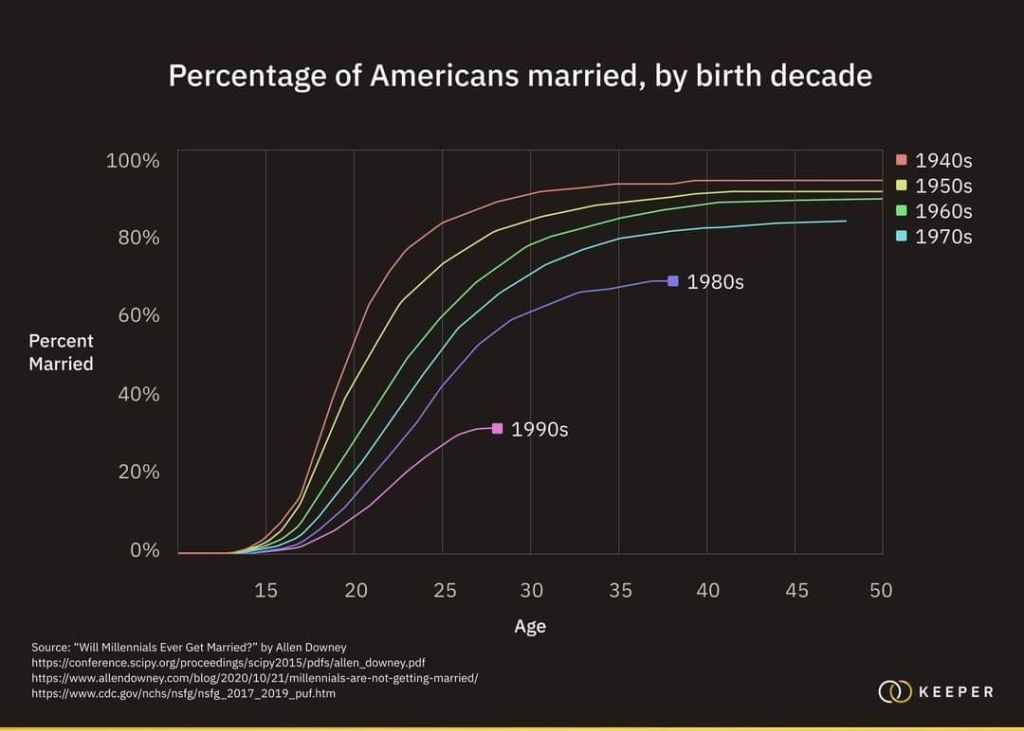
📸 Look at this post on Facebook
https://www.facebook.com/share/V6pZgEzairPa9HEn/?mibextid=RXn8sy
24 Dec 2023 Leave a comment
in economics of love and marriage, economics of media and culture, law and economics Tags: dating markets, marriage and divorce

📸 Look at this post on Facebook
https://www.facebook.com/share/XdrFXjC6135bNRUC/?mibextid=RXn8sy
On the 50th anniversary of the DPB
16 Nov 2023 Leave a comment
in economics of education, gender, labour economics, labour supply, occupational choice, poverty and inequality, welfare reform Tags: economics of fertility, marriage and divorce
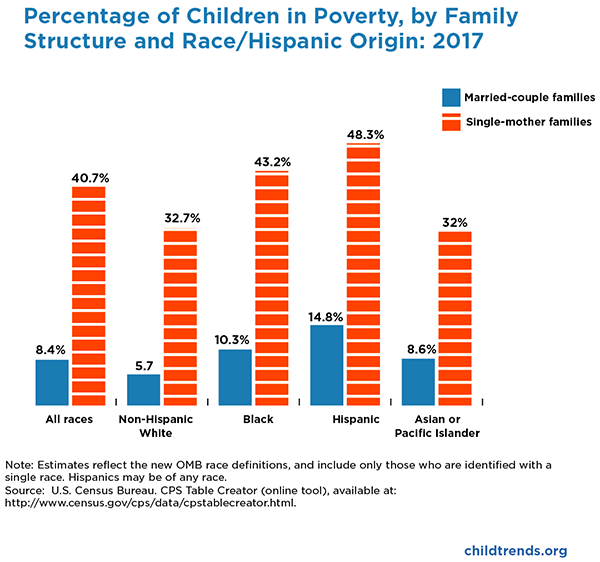
The Domestic Purposes Benefit has been variously described as a “disaster” (David McLoughlin 1995), an “economic lifeline” (Jane Kelsey 1995) and “an unfortunate experiment” (Muriel Newman 2009).Its effect on family formation can never be definitively ascertained. But the growth of the sole parent family dependent on welfare has correlated with more poverty, more child abuse…
On the 50th anniversary of the DPB
Dating Preferences Drive Human Evolution
29 Aug 2022 Leave a comment
in discrimination, economic history, economics of education, economics of love and marriage, gender, law and economics, occupational choice Tags: dating markets, evolutionary biology, evolutionary psychology, marriage and divorce
#COVID19 and marriages
24 Nov 2021 Leave a comment
in health economics Tags: economics of pandemics, marriage and divorce
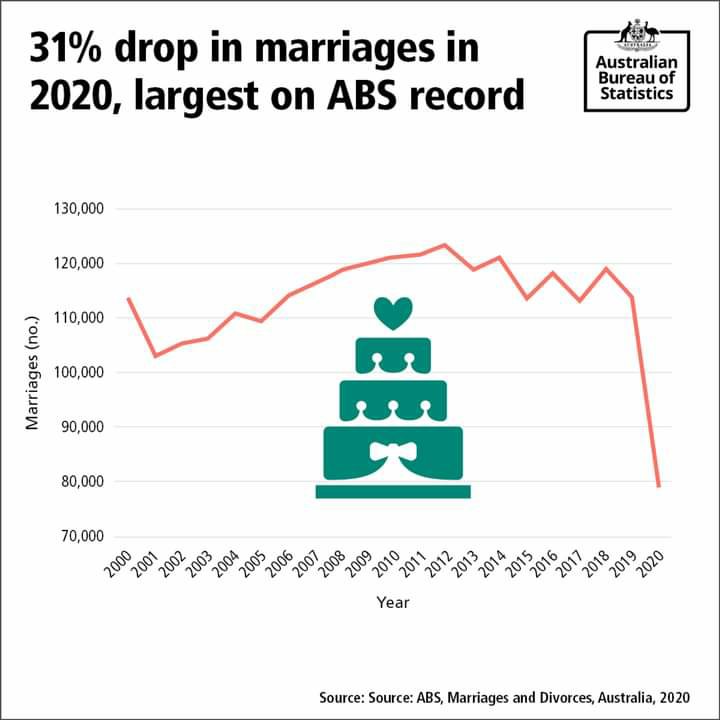
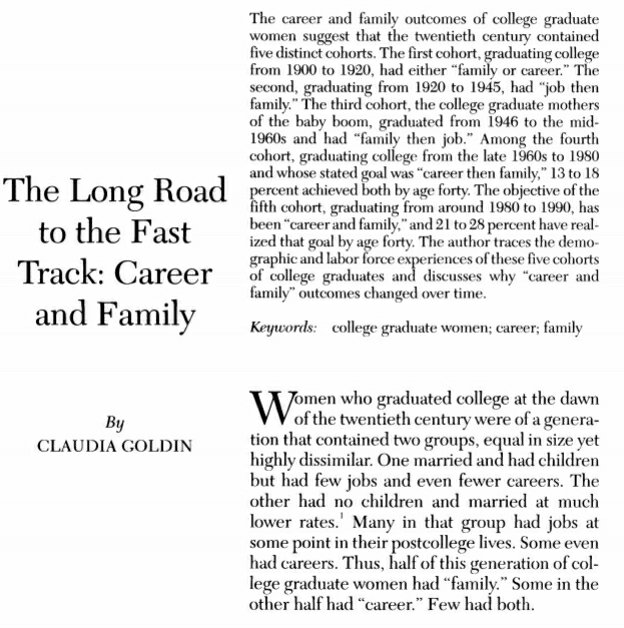
Gender roles changed too fast to be socially constructed by patriarchy
05 Feb 2021 Leave a comment
in discrimination, econometerics, economic history, economics of education, economics of love and marriage, gender, history of economic thought, human capital, labour economics, labour supply, law and economics, Marxist economics, occupational choice, poverty and inequality Tags: dating market, economics of fertility, gender wage gap, marriage and divorce, sex discrimination
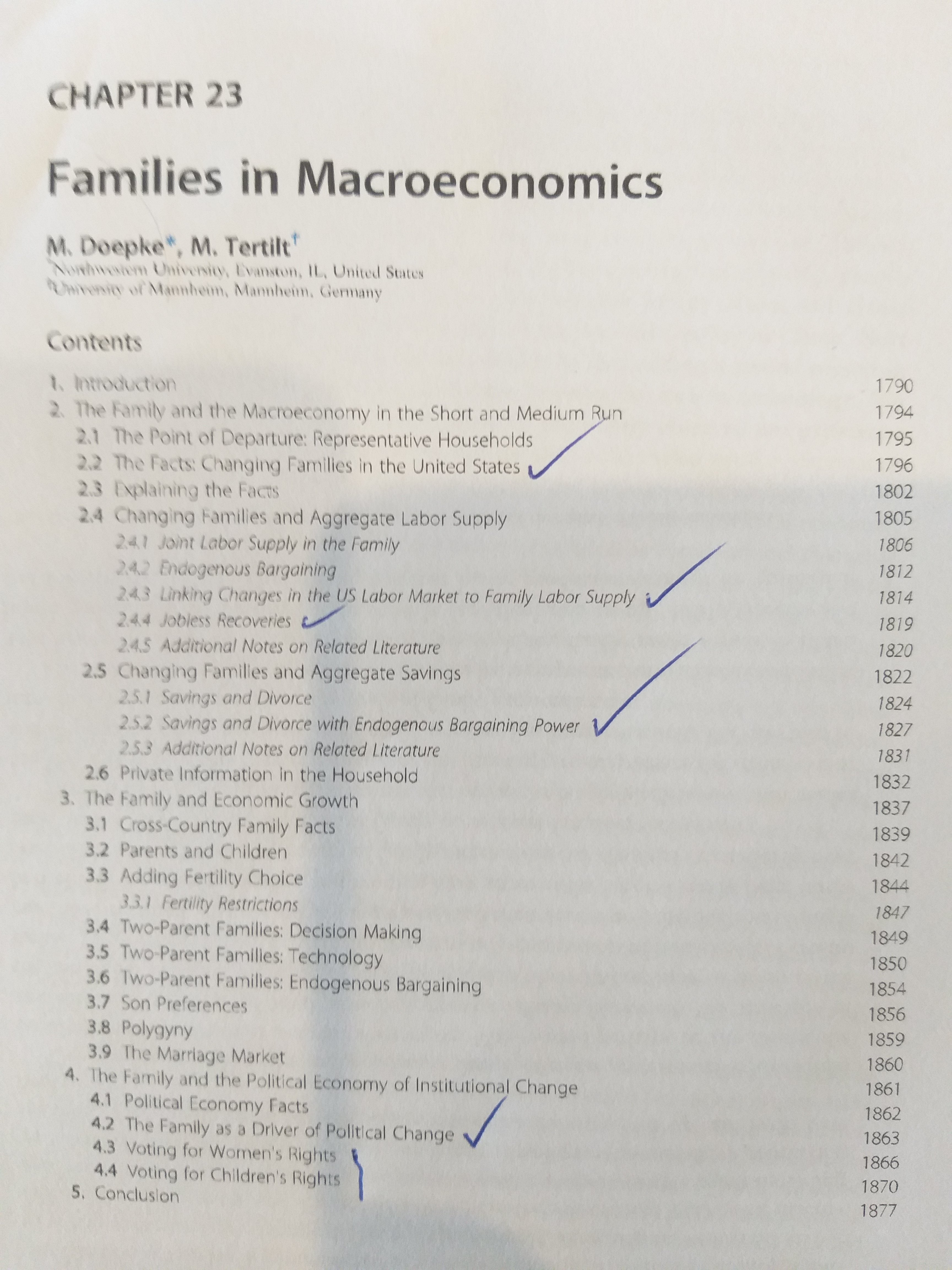
Still more on economists ignoring home production @waring_marilyn @women_nz
01 Nov 2020 Leave a comment
in applied welfare economics, discrimination, economic growth, economic history, economics of education, gender, history of economic thought, human capital, labour economics, labour supply, macroeconomics, occupational choice Tags: female labour supply, marriage and divorce
Having Children in Poverty: Kathryn Edin
29 Sep 2020 Leave a comment
in economics of crime, economics of love and marriage, gender, human capital, labour economics, labour supply, law and economics, occupational choice, poverty and inequality, unemployment, welfare reform Tags: child poverty, economic of fertility, family poverty, marriage and divorce



Recent Comments