FMI Public Speaker Series – Finn Kydland
23 Dec 2023 Leave a comment
in applied price theory, budget deficits, business cycles, comparative institutional analysis, development economics, economic growth, economic history, economics of bureaucracy, fiscal policy, global financial crisis (GFC), great depression, great recession, growth disasters, growth miracles, history of economic thought, human capital, income redistribution, labour economics, labour supply, macroeconomics, Public Choice, public economics, rentseeking
Finn E. Kydland Nobel Lecture at CERGE-EI
22 Dec 2023 Leave a comment
in applied price theory, budget deficits, business cycles, comparative institutional analysis, development economics, economic growth, economic history, economics of regulation, fiscal policy, global financial crisis (GFC), great depression, great recession, growth disasters, growth miracles, history of economic thought, human capital, income redistribution, labour economics, labour supply, macroeconomics, monetary economics, Public Choice, public economics
From Now To 2100 Emission Reduction Policy Costs Greatly Exceed Any Net Benefit from Averted Warming
20 Dec 2023 Leave a comment
in applied price theory, applied welfare economics, development economics, econometerics, economic history, energy economics, environmental economics, global warming, growth disasters, growth miracles Tags: climate alarmism
The benefits of not meeting Paris Accord emissions-reduction targets outweigh the costs associated even with worst-case-scenario global warming throughout the 21st century.
From Now To 2100 Emission Reduction Policy Costs Greatly Exceed Any Net Benefit from Averted Warming
Fritz Machlup (1902-1983)
19 Dec 2023 Leave a comment
in applied price theory, Austrian economics, history of economic thought, international economics
TweetAmong the many bits of unearned good fortune that have come my way in life was to have been a student in two of Fritz Machlup‘s classes at NYU. (In Spring 1981 I was a student in the last graduate course he taught on one of his specialities, International Trade. That course was phenomenally good.…
Fritz Machlup (1902-1983)
Claudia Goldin: “What’s ‘Greedy Work’ and Why Is It a Problem?” | People…
18 Dec 2023 Leave a comment
in applied price theory, discrimination, economic history, gender, history of economic thought, human capital, labour economics, labour supply, minimum wage, occupational choice Tags: gender wage gap, sex discrimination
The Piketty-Saez-Zucman response to Auten and Splinter
17 Dec 2023 Leave a comment
in applied price theory, econometerics, economic history, entrepreneurship, financial economics, income redistribution, labour economics, politics - USA, poverty and inequality, Public Choice, public economics Tags: top 1%
A number of you have asked me what I think of their response. The first thing I noticed is that Auten and Splinter make several major criticisms of PSZ, and yet PSZ respond to only one of them. On the others they are mysteriously silent. The second thing I noticed is that PSZ have been […]
The Piketty-Saez-Zucman response to Auten and Splinter
Is Discrimination Still Causing The Gender Pay Gap With Claudia Goldin
13 Dec 2023 Leave a comment
in applied price theory, discrimination, econometerics, economic history, gender, human capital, labour economics, labour supply, minimum wage, occupational choice Tags: gender wage gap, sex discrimination
Goldin Nobel
13 Dec 2023 Leave a comment
in applied price theory, discrimination, econometerics, economic history, economics of education, gender, human capital, labour economics, labour supply, occupational choice Tags: gender wage gap, sex discrimination
Can Argentina Be Rescued, Part III
12 Dec 2023 Leave a comment
in applied price theory, budget deficits, comparative institutional analysis, development economics, economic growth, economic history, economics of regulation, fiscal policy, growth disasters, income redistribution, international economics, labour economics, liberalism, libertarianism, macroeconomics, Marxist economics, Milton Friedman, monetary economics, Murray Rothbard, Public Choice Tags: Argentina
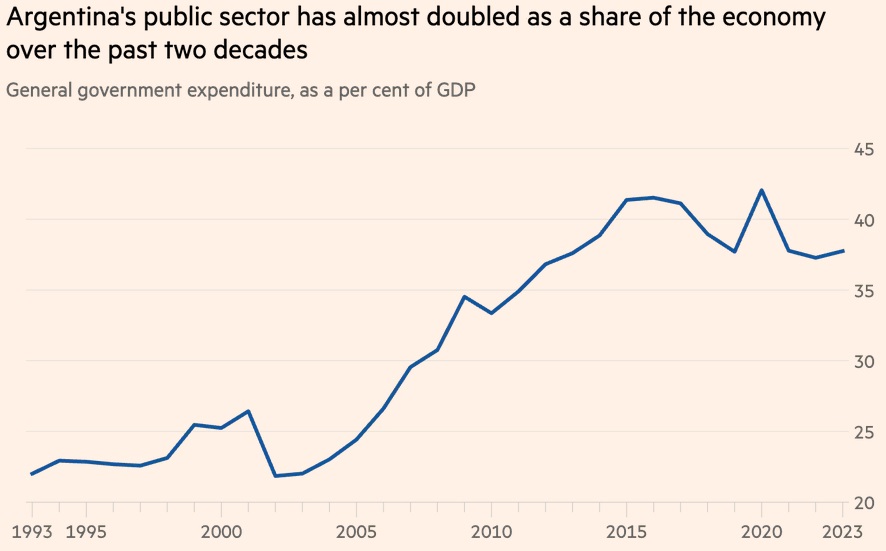
My trip to Argentina last year motivated me to write Part I of this series, which focused on whether things might get better in that tragic country for the simple reason that they couldn’t possibly get any worse. In Part II of this series, I analyzed whether a libertarian candidate’s surprisingly strong performance in Argentina’s […]
Can Argentina Be Rescued, Part III
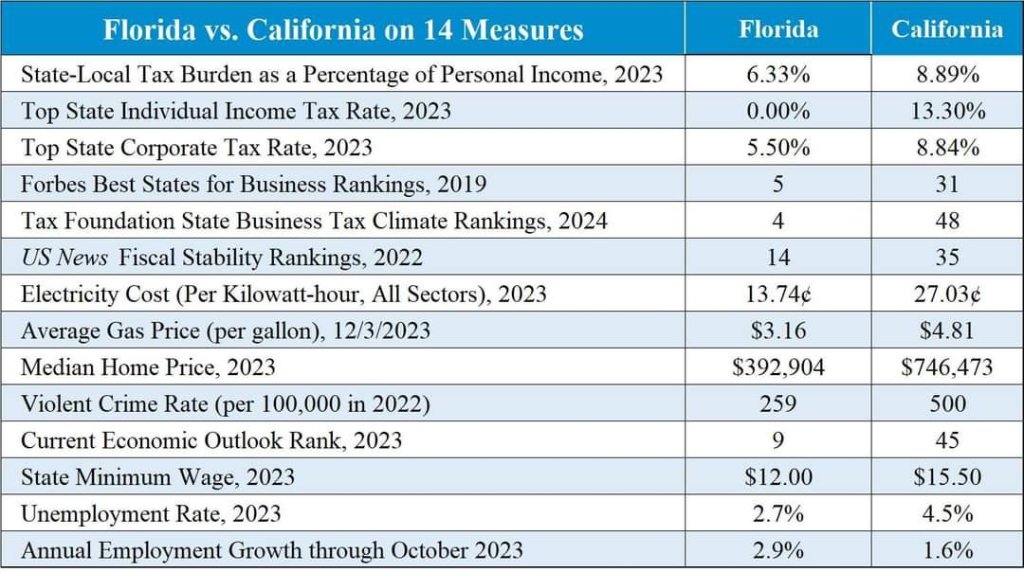
California dreaming no more
11 Dec 2023 Leave a comment
in applied price theory, comparative institutional analysis, economic growth, entrepreneurship, income redistribution, industrial organisation, labour economics, minimum wage, Public Choice, public economics Tags: California, Florida
A Pro-Globalization Banquet
05 Dec 2023 Leave a comment
in applied price theory, development economics, economic history, growth disasters, growth miracles, history of economic thought, income redistribution, international economics, liberalism, Marxist economics, Public Choice, rentseeking Tags: Age of Enlightenment, The Great Enrichment, The Great Escape
If you want to drink deeply of unabashedly pro-globalization essays, the Cato Institute has a “Defending Globalization” project underway. The well-written essays are mostly short or mid-length, and clearly aimed at the general public–including undergraduate students. I can’t hope to summarize the essays here, and indeed, more essays are on their way (and you can…
A Pro-Globalization Banquet
Dr Michael John Schmidt: Poisoned pill – Te Whatu Ora
02 Dec 2023 Leave a comment

In September 2008 during the year of the last financial collapse, Peter Cappelli authored an article titled The Trouble with HR in the Harvard Business Review. In it, he argued that HR departments had lost their relevance and credibility in many organisations, asserting the need for them to reinvent themselves. Cappelli claimed that HR departments…
Dr Michael John Schmidt: Poisoned pill – Te Whatu Ora
November 17, 1516: Birth of Queen Mary I of England and Ireland. Part VI.
01 Dec 2023 Leave a comment
Religious policy In the month following her accession, Mary issued a proclamation that she would not compel any of her subjects to follow her religion, but by the end of September 1553, leading Protestant churchmen—including Thomas Cranmer, John Bradford, John Rogers, John Hooper, and Hugh Latimer—were imprisoned. Mary’s first Parliament, which assembled in early October, […]
November 17, 1516: Birth of Queen Mary I of England and Ireland. Part VI.
Perhaps intergenerational mobility has not declined in the United States after all
30 Nov 2023 Leave a comment
From the latest American Economic Review: A large body of evidence finds that relative mobility in the US has declined over the past 150 years. However, long-run mobility estimates are usually based on White samples and therefore do not account for the limited opportunities available for nonwhite families. Moreover, historical data measure the father’s status […]
Perhaps intergenerational mobility has not declined in the United States after all


Recent Comments