David Friedman: What is Anarcho-Capitalism? | Robinson’s Podcast #160
12 Jan 2024 Leave a comment
in applied price theory, applied welfare economics, comparative institutional analysis, constitutional political economy, David Friedman, development economics, economics of climate change, economics of crime, energy economics, environmental economics, global warming, law and economics, liberalism, libertarianism, Marxist economics, property rights, Public Choice, Rawls and Nozick
Not All Tax Cuts Are Created Equal
12 Jan 2024 Leave a comment
in applied price theory, Austrian economics, public economics Tags: taxation and investment
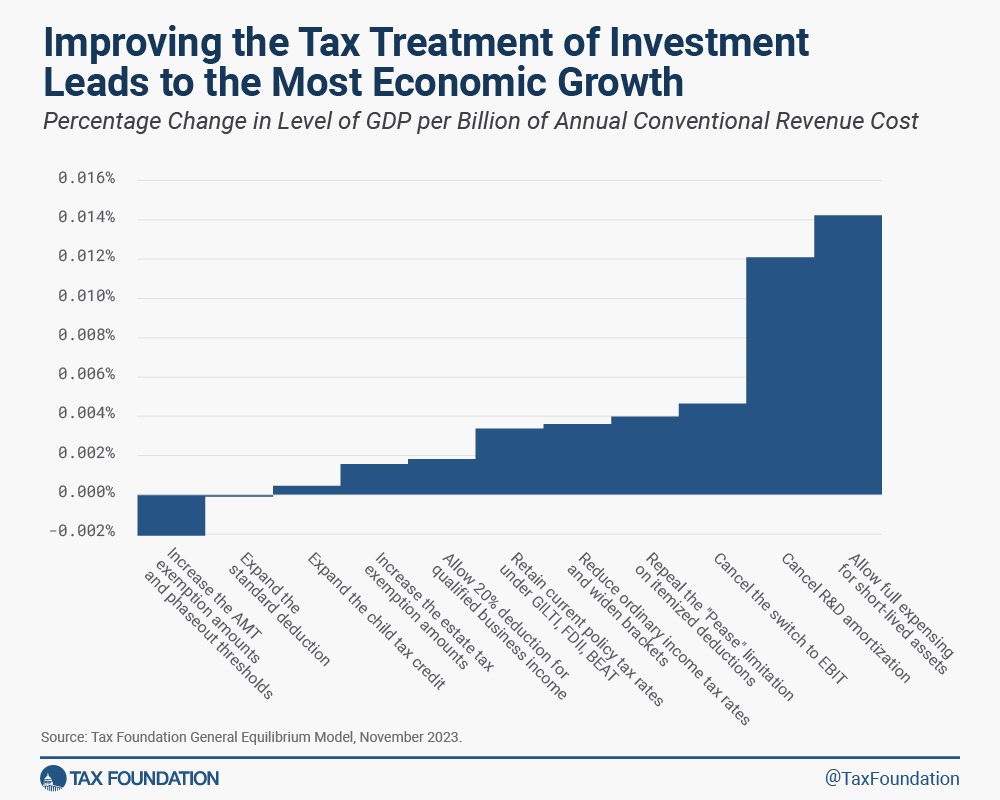
There are three reasons to be a knee-jerk supporter of tax cuts (or to be a knee-jerk opponent of tax increases). The morality-driven libertarian argument that people should be able to keep the income they earn. The starve-the-beast argument that less revenue at some point may translate into less spending. The economic argument that lower […]
Not All Tax Cuts Are Created Equal
Economists Love Fables And Parables (Or, The Essence Of Economic Analysis)
12 Jan 2024 Leave a comment
in applied price theory, history of economic thought
Nobel Prize winning economist Paul Krugman wrote the following in Slate magazine back in the 1990s:“Economic theory is not a collection of dictums laid down by pompous authority figures. Mainly, it is a menagerie of thought experiments–parables, if you like–that are intended to capture the logic of economic processes in a simplified way. In the…
Economists Love Fables And Parables (Or, The Essence Of Economic Analysis)
The BBC apologizes for making false and defamatory claims about the IDF executing Palestinian civilians
12 Jan 2024 Leave a comment

I believe I mentioned this faux pas by the BBC earlier today, but here are the hard, cold facts. On Christmas Eve, BBC radio repeated, six times, a completely false report that Israeli troops had executed 137 Palestinian civilians and buried them in unmarked graves. This of course came from a notice by the ever-reliable…
The BBC apologizes for making false and defamatory claims about the IDF executing Palestinian civilians
Zwolinski on the UBI
11 Jan 2024 Leave a comment
in applied price theory, history of economic thought, income redistribution, labour economics, labour supply, Public Choice, public economics, welfare reform Tags: negative income tax, universal basic income

Philosopher Matt Zwolinski, co-author of Universal Basic Income: What Everyone Needs to Know, was a core member of the old Bleeding Heart Libertarians blog, which shut down in 2020. Now’s he’s singledly-handed revived the BHL brand on his new Bleeding Heart Libertarian substack. Matt recently published a critique of my response to Chris Freiman on…
Zwolinski on the UBI
40 years on
08 Jan 2024 Leave a comment
in applied price theory, applied welfare economics, comparative institutional analysis, economic growth, economic history, fiscal policy, inflation targeting, international economics, labour economics, macroeconomics, monetary economics, politics - New Zealand
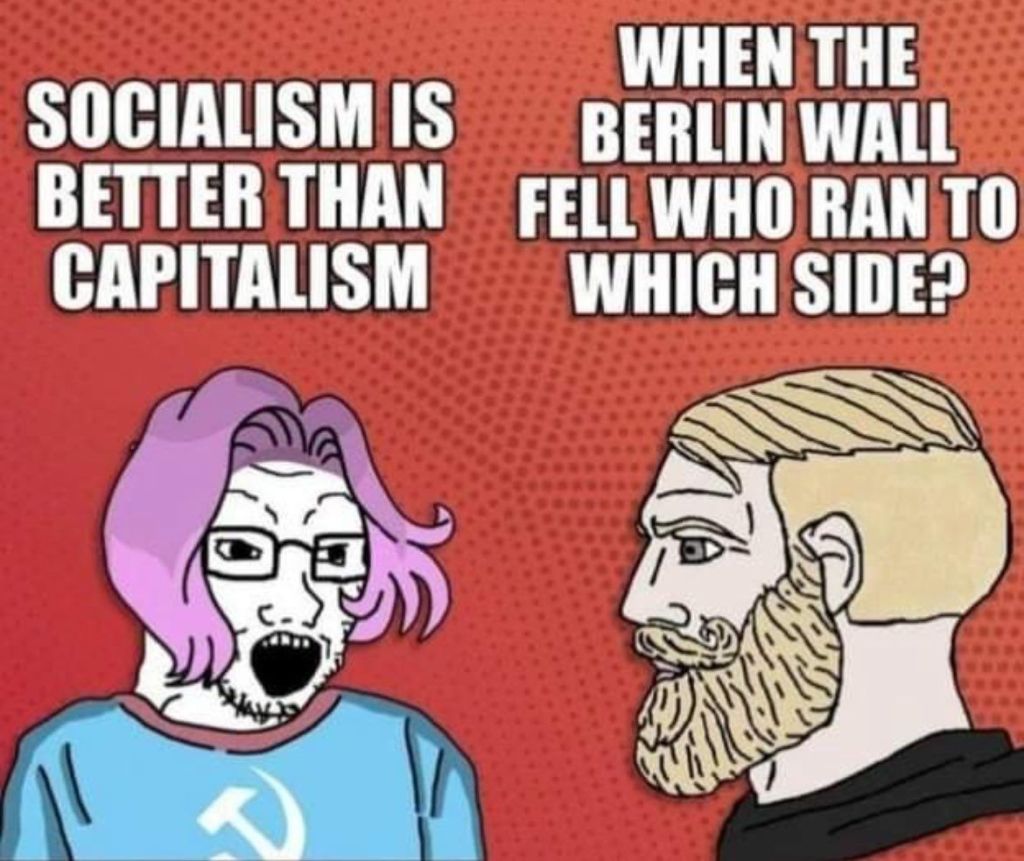
The authorities officially referred to the Berlin Wall as the Anti-Fascist Protection Rampart
06 Jan 2024 Leave a comment
in applied price theory, Austrian economics, comparative institutional analysis, constitutional political economy, development economics, economic history, growth disasters, growth miracles, history of economic thought, liberalism, Marxist economics Tags: fall of the Berlin wall, The Great Enrichment
JOHN RAINE: Ministerial Spring Cleaning and the Parable of the Rowing Eight
05 Jan 2024 Leave a comment
in applied price theory, economics of bureaucracy, politics - New Zealand, Public Choice, public economics
Matthew Hooton’s recommendation that Nicola Willis cut the cost of the Public Service by 25% (NZ Herald 22nd December) reminded me of a story. Years ago, the engineering community was getting fired up about new Japanese business and manufacturing efficiency methods, and “kaizen” (continuous improvement) and “just in time” were being bandied about. At the…
JOHN RAINE: Ministerial Spring Cleaning and the Parable of the Rowing Eight
The Bottom Billion: Why the Poorest Countries are Failing and What Can Be Done About It by Paul Collier (2007)
05 Jan 2024 Leave a comment
in applied price theory, defence economics, development economics, economic history, growth disasters, history of economic thought, war and peace Tags: Africa
Catching up is about radically raising growth in the countries now at the bottom…This book sets out an [aid] agenda for the G8 that would be effective. (The Bottom Billion, pages 12 and 13) Sir Paul Collier, Commander of the British Empire (CBE) and Fellow of the British Academy (FBA) is a British development economist […]
The Bottom Billion: Why the Poorest Countries are Failing and What Can Be Done About It by Paul Collier (2007)
Why Britain’s economy is failing
04 Jan 2024 Leave a comment
in applied price theory, applied welfare economics, economics of regulation, energy economics, environmental economics, global warming Tags: British politics, land supply, zoning
In the past five years, the number of applications to connect to the electricity grid — many of them for solar energy generation and storage — has increased tenfold, with waits of up to 15 years. The underinvestment is restricting the flow of cheap energy from Scottish wind farms to population centers in England and adding to […]
Why Britain’s economy is failing
Quotation of the Day…
01 Jan 2024 Leave a comment
in applied price theory, Austrian economics, behavioural economics, economic history, history of economic thought, human capital, industrial organisation, labour economics, labour supply, occupational choice Tags: capitalism and freedom, evolutionary psychology, The Great Enrichment
Tweet… is from my emeritus Nobel-laureate colleague Vernon Smith‘s splendid speech “Human Betterment Through Globalization,” delivered in September 2005 at the Irvington-on-Hudson then-headquarters of the Foundation for Economic Education: The challenge is that we all function simultaneously in two overlapping worlds of exchange. First, we live in a world of personal, social exchange based on…
Quotation of the Day…
Solow on Market Advantages and Market Failures
31 Dec 2023 Leave a comment
in applied price theory, business cycles, economic growth, economic history, economics of regulation, entrepreneurship, history of economic thought, labour economics, macroeconomics, Milton Friedman, monetarism, monetary economics, unemployment
Robert Solow (1924-2023) died last week. As a starting point for understanding his life and his work on growth theory, the Nobel prize website, since he won the award in 1987, includes an overall description, a biographical essay, and his Nobel lecture. I can also strongly recommend an interview that Steven Levitt carried out with…
Solow on Market Advantages and Market Failures
190308 [Webinar] Consistent Economic Policy and Economic Development
29 Dec 2023 Leave a comment
in applied price theory, budget deficits, business cycles, defence economics, economic growth, economic history, economics of information, Euro crisis, fiscal policy, fisheries economics, global financial crisis (GFC), great recession, growth disasters, growth miracles, history of economic thought, human capital, inflation targeting, labour economics, labour supply, macroeconomics, monetary economics, Public Choice, public economics, unemployment
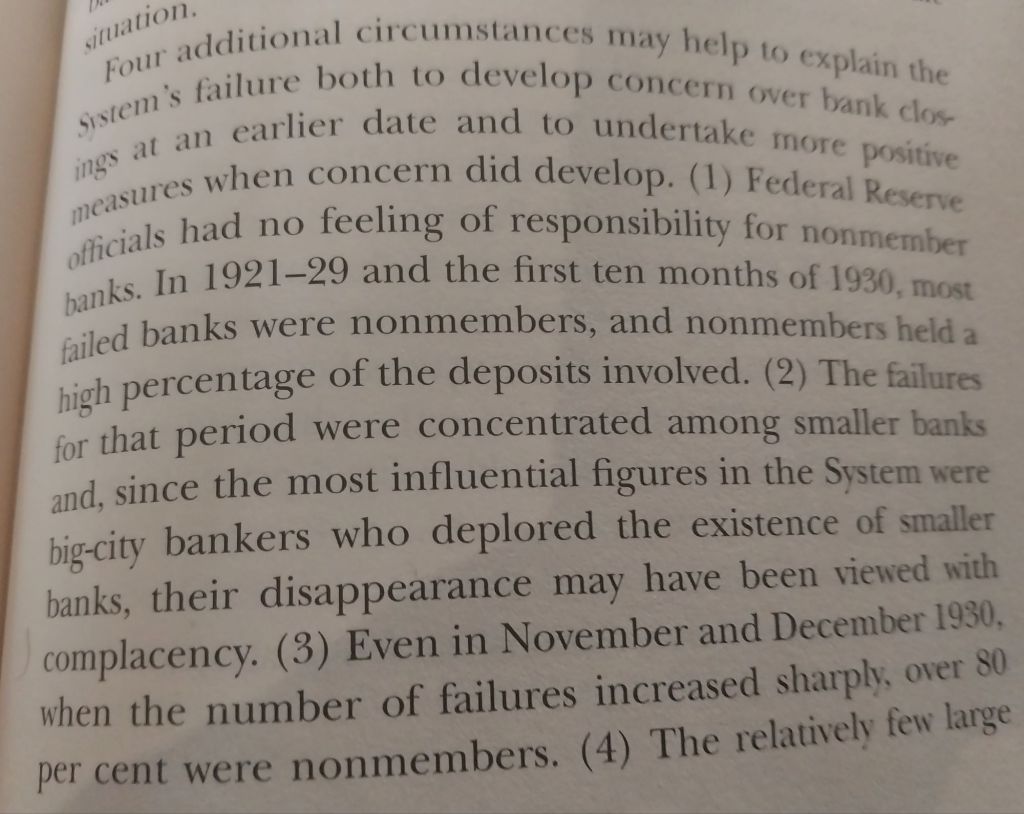
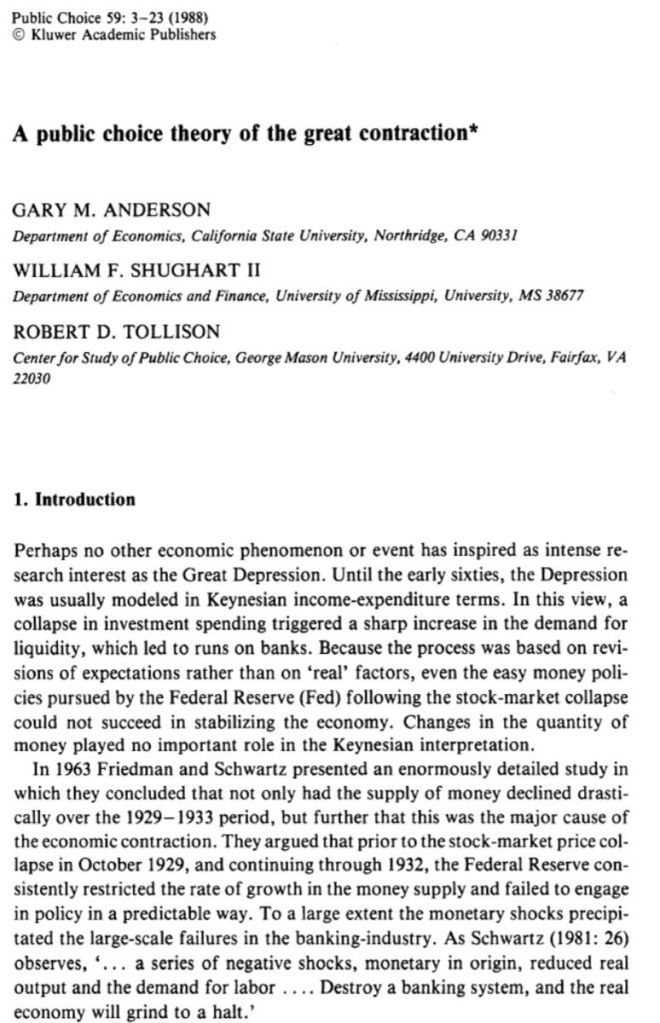
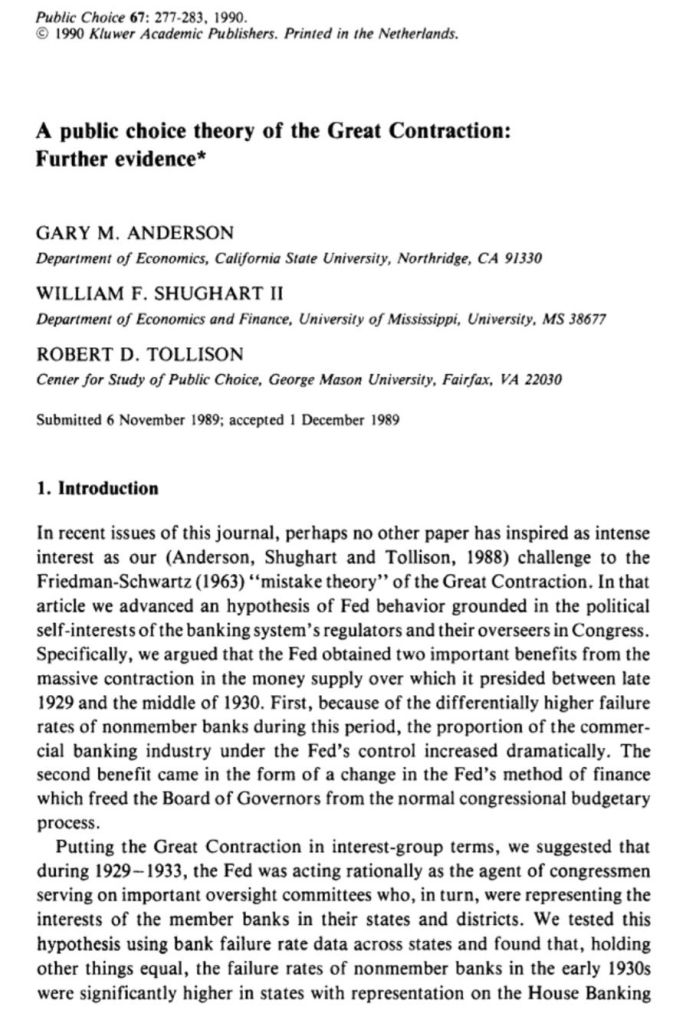
Friedman and Schwartz agreed with Anderson, Tollison and Shughart on the public choice origins of the Great Contraction!
28 Dec 2023 Leave a comment
in applied price theory, business cycles, economic history, economics of bureaucracy, great depression, history of economic thought, macroeconomics, Milton Friedman, monetarism, monetary economics, Public Choice, rentseeking Tags: monetary policy


Recent Comments