Targeting big existing businesses may be tempting to politicians, but ensuring market openness will do more good Eric Crampton writes – It’s fair to say that economists like competition. It’s also fair to say that when politicians start talking about competition, economists ought to get a little bit nervous.
When politicians campaign on competition, be very worried
When politicians campaign on competition, be very worried
31 Jan 2025 Leave a comment
in applied price theory, applied welfare economics, Armen Alchian, Austrian economics, comparative institutional analysis, economics of information, economics of regulation, entrepreneurship, experimental economics, history of economic thought, law and economics, politics - New Zealand, property rights Tags: competition law
Reviewing Covid experiences and policies
30 Jan 2025 Leave a comment
in applied price theory, applied welfare economics, economic history, economics of bureaucracy, economics of regulation, fiscal policy, health and safety, health economics, labour economics, labour supply, law and economics, macroeconomics, politics - Australia, politics - New Zealand, property rights, Public Choice Tags: economics of pandemics

I’ve spent the last week writing a fairly substantial review of a recent book (“Australia’s Pandemic Exceptionalism: How we crushed the curve but lost the race”) by a couple of Australian academic economists on Australia’s pandemic policies and experiences. For all its limitations, there isn’t anything similar in New Zealand. What we do have is […]
Reviewing Covid experiences and policies
Margaret Thatcher, Michael Curley, and the 19th Theorem of Government
16 Jan 2025 Leave a comment
in applied price theory, applied welfare economics, Austrian economics, comparative institutional analysis, constitutional political economy, economic growth, economic history, economics of regulation, energy economics, environmental economics, financial economics, fiscal policy, human capital, income redistribution, international economics, labour economics, labour supply, law and economics, liberalism, libertarianism, macroeconomics, Marxist economics, politics - USA, poverty and inequality, property rights, Public Choice, public economics, regulation, rentseeking
In this 12-second video, Margaret Thatcher is talking about the Labour Party in the United Kingdom, but her warning has universal application. And when I say her warning has universal application, I’m not joking. Politicians generally can’t resist the temptation to buy votes. And I fear that this can and will happen at all levels […]
Margaret Thatcher, Michael Curley, and the 19th Theorem of Government
One early report on congestion pricing in NYC
16 Jan 2025 1 Comment
in applied price theory, applied welfare economics, comparative institutional analysis, market efficiency, politics - USA, public economics, transport economics, urban economics Tags: road pricing
That is my latest Bloomberg column, here is one bit: The core version of the plan stipulates a $9 toll for drivers entering Manhattan below and including 60th Street. Implementation is by E-Z Pass, and the tolls can vary in complex ways. But if you don’t cross the line, you don’t pay. So residents below 60th Street are exempt, […]
One early report on congestion pricing in NYC
Climatists Make Their Case by Omitting Facts
15 Jan 2025 1 Comment
in applied price theory, applied welfare economics, economic history, economics of climate change, economics of regulation, energy economics, environmental economics, environmentalism, global warming, politics - USA Tags: climate activists, climate alarmism

One of the world’s top economists has written an expert court report that forcefully supports a group of children and young adults who have sued the federal government for failing to act on climate change. (Source: Inside Climate News here) Excerpts in italics with my bolds. Stiglitz, a Columbia University economics professor and former World […]
Climatists Make Their Case by Omitting Facts
On the Great F.A. Hayek
30 Dec 2024 Leave a comment
in applied price theory, applied welfare economics, economic history, F.A. Hayek, history of economic thought
TweetJonathan Fortier and his colleagues at Libertarianism.org produced this truly splendid 21-minute-long video to commemorate the 50th anniversary of Hayek’s receipt of the Nobel Prize in economics. The post On the Great F.A. Hayek appeared first on Cafe Hayek.
On the Great F.A. Hayek
New Study: Achieving A ‘Net Zero’ Emissions Policy Would Have A ‘Negligible’ 0.28°C Climate Effect
14 Dec 2024 1 Comment
in applied price theory, applied welfare economics, development economics, economics of climate change, energy economics, environmental economics, environmentalism, global warming, growth miracles, politics - Australia, politics - New Zealand, politics - USA

Cost-benefit analyses affirm it would be better to abandon Net Zero policy initiatives and instead “do nothing” about greenhouse gas emissions. New research finds CO2’s largest possible climate impact is “negligible.” The cumulative expected temperature change in doubling CO2 from 400 to 800 ppm is only 0.81°C at most, and this is “certainly not cause…
New Study: Achieving A ‘Net Zero’ Emissions Policy Would Have A ‘Negligible’ 0.28°C Climate Effect
Biden-Harris policies and their consequences were no surprise to those paying attention
30 Oct 2024 Leave a comment
in applied price theory, applied welfare economics, budget deficits, business cycles, econometerics, economic growth, economic history, economics of bureaucracy, economics of regulation, energy economics, entrepreneurship, environmental economics, financial economics, fiscal policy, global warming, health economics, income redistribution, industrial organisation, law and economics, macroeconomics, monetary economics, politics - USA, property rights, Public Choice, public economics, rentseeking Tags: 2024 presidential election, drug lags, taxation and entrepreneurship, taxation and investment
Milton Friedman used to advise researchers to focus on large policy changes rather than attempting to separate a small change’s signal from the noise. In this sense, the “ambitious” policy agenda of the Biden-Harris administration was expected to be a gift to the research community. Accepting this gift, since 2020 I have been making forecasts…
Biden-Harris policies and their consequences were no surprise to those paying attention
WSJ Video on Trump-Biden-Trump Tariffs
22 Oct 2024 Leave a comment
in applied price theory, applied welfare economics, economic history, industrial organisation, international economics, politics - USA, survivor principle Tags: 2024 presidential election, tarrifs
TweetI can pick a few nits with this eight-minute-long video from the Wall Street Journal on tariffs – for example, for all of their many problems, tariffs do not (contrary to what’s reported in the video) cause any net, economy-wide loss of jobs. Nevertheless, this video is quite good, not least because it features the…
WSJ Video on Trump-Biden-Trump Tariffs
A concern not a catastrophe
12 Oct 2024 Leave a comment
in applied price theory, applied welfare economics, economics of climate change, energy economics, environmental economics, environmentalism, global warming
Bjørn Lomborg brings some much needed reason to counter the emotion in the climate change debate, saying it’s a concern not a catastrophe : Apropos of this, Lomborg writes of climate fictions: Whatever happened to polar bears? They used to be all climate campaigners could talk about, but now they’re essentially absent from headlines. Over […]
A concern not a catastrophe
The Economic Way of Thinking in a Pandemic
12 Oct 2024 Leave a comment
in applied price theory, applied welfare economics, comparative institutional analysis, economics of regulation, health economics Tags: economics of pandemics
During the pandemic, economists often found themselves at odds with politicians, physicians, epidemiologists and others. Some politicians, for example, were worried that the pharma companies might engage in profiteering while economists worried that the pharma companies were not nearly profitable enough. Physicians focused on maximizing the health of patients while economists focused on maximizing the […]
The Economic Way of Thinking in a Pandemic
Further evidence for the babysitting theory of education
08 Oct 2024 Leave a comment
in applied price theory, applied welfare economics, economics of education, economics of love and marriage, human capital, labour economics, labour supply, law and economics Tags: economics of fertility
Bryan Caplan will feel vindicated: This paper asks whether universal pre-kindergarten (UPK) raises parents’ earnings and how much these earnings effects matter for evaluating the economic returns to UPK programs. Using a randomized lottery design, we estimate the effects of enrolling in a full-day UPK program in New Haven, Connecticut on parents’ labor market outcomes […]
Further evidence for the babysitting theory of education
Monkeypox and Medsafe
15 Sep 2024 Leave a comment
in applied price theory, applied welfare economics, comparative institutional analysis, economics of bureaucracy, economics of information, economics of regulation, health economics, politics - New Zealand, Public Choice Tags: drug lags, economics of pandemics
In a sane world, medicines and vaccines already approved by trustworthy overseas regulators would automatically be able to be used in New Zealand as well.New Zealand is not sane. But neither is anywhere else really on that standard. Other places are just faster than NZ in getting things approved, with more practicable pathways for expedited…
Monkeypox and Medsafe
Why the @NZGreens are beside the point
31 Aug 2024 Leave a comment
in applied welfare economics, Austrian economics, comparative institutional analysis, constitutional political economy, development economics, economic growth, economic history, entrepreneurship, growth miracles, history of economic thought, human capital, income redistribution, industrial organisation, labour economics, labour supply, law and economics, liberalism, macroeconomics, Marxist economics, politics - New Zealand, poverty and inequality, property rights, Public Choice, rentseeking, technological progress Tags: child poverty, family poverty, The Great Enrichment
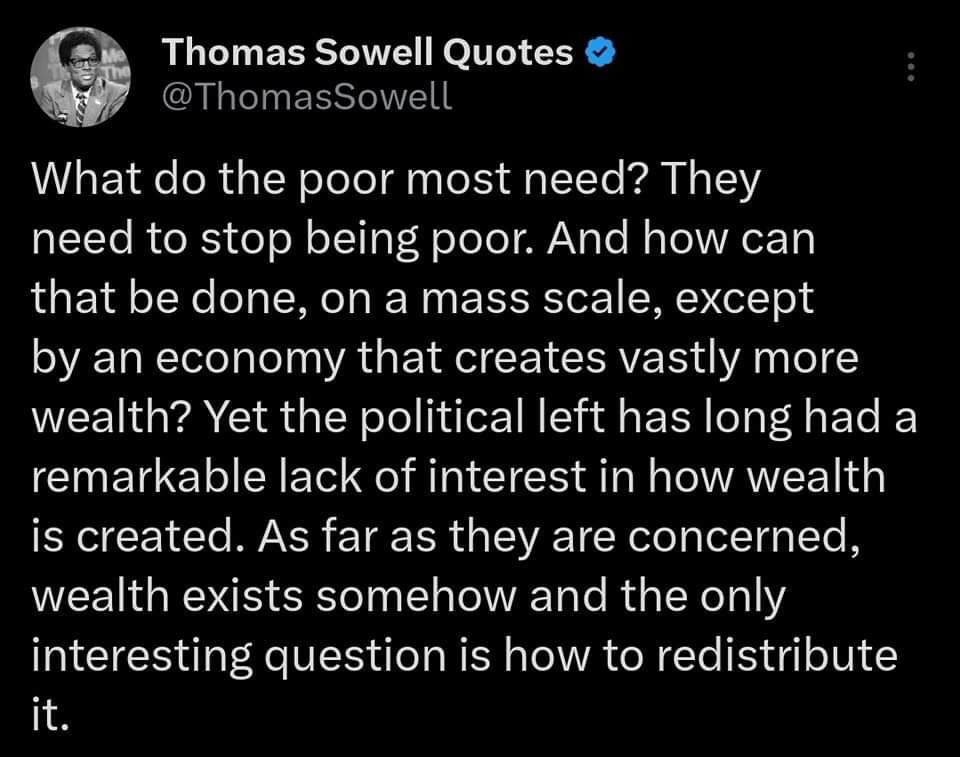
European Policies = European Stagnation
31 Aug 2024 Leave a comment
in applied price theory, applied welfare economics, Austrian economics, comparative institutional analysis, constitutional political economy, economic growth, economic history, economics of bureaucracy, entrepreneurship, human capital, income redistribution, labour economics, labour supply, liberalism, macroeconomics, Marxist economics, politics - USA, poverty and inequality, Public Choice, public economics, rentseeking, welfare reform Tags: Europe, social insurance
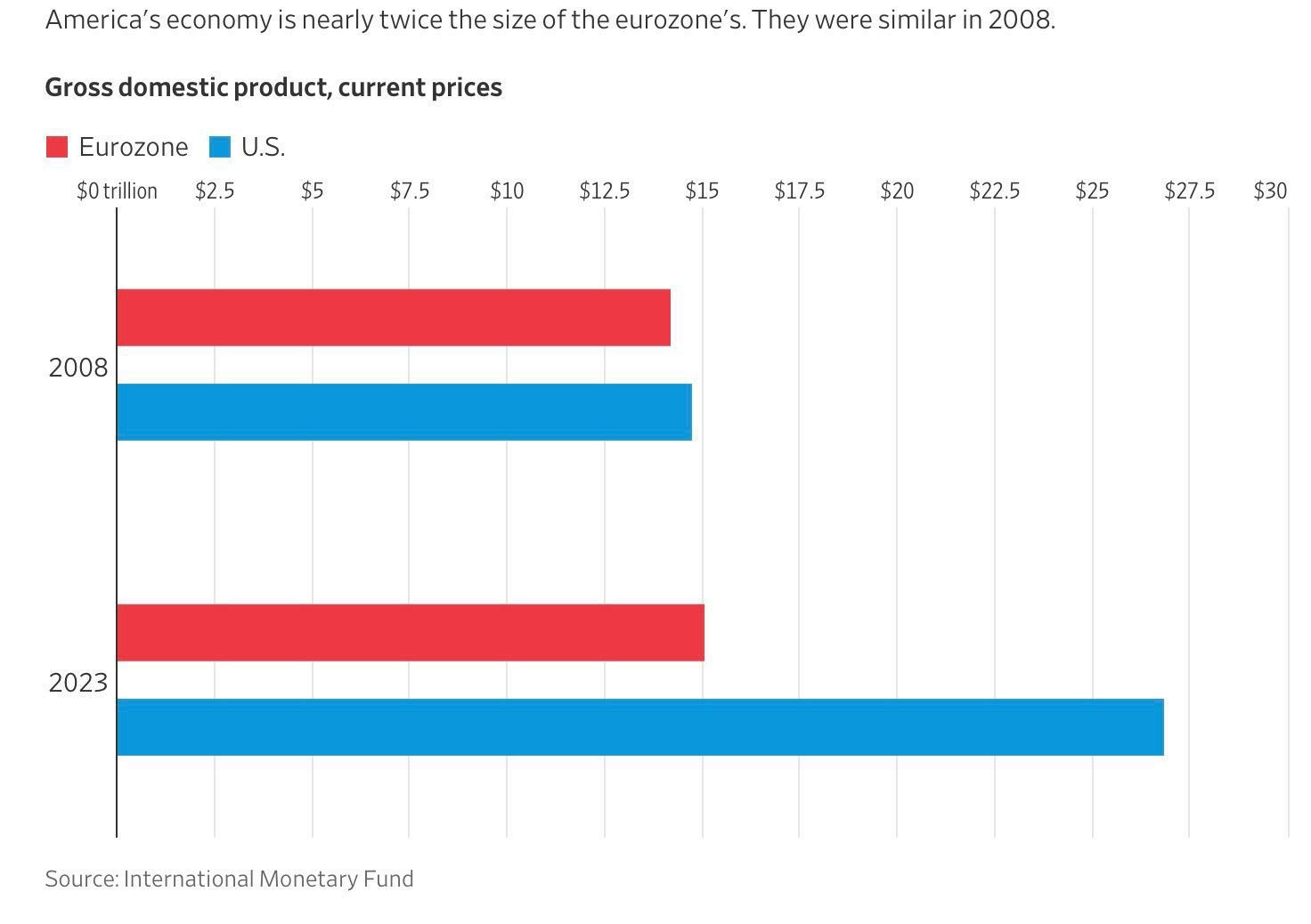
I’ve written many times about how Americans are much richer than Europeans. And I’ve also written many times that the U.S. economy has been growing faster (which shouldn’t happen according to convergence theory). There’s a simple reason for America’s superior performance. The U.S. is burdened by a medium-sized welfare state and a bad tax system […]
European Policies = European Stagnation


Recent Comments