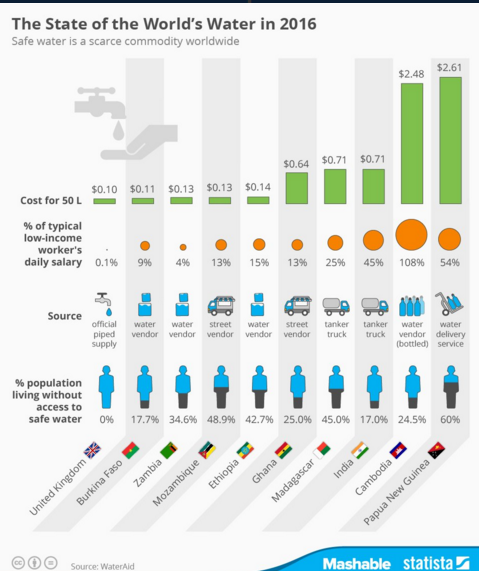
Extreme poverty in Uganda, Swaziland and Botswana @jasonhickel @Carolyn_nth
17 May 2016 Leave a comment
in development economics, economic history, growth disasters, growth miracles, health economics Tags: antimarket bias, Botswana, economics of AIDS, life expectancies, reactionary left, Swaziland, The Great Escape, Uganda
Since 1985, extreme poverty has halved in Botswana and dropped by a 3rd in Swaziland and Uganda.

Source: World Poverty – Our World In Data.
Life expectancies are increasing again in Swaziland and Botswana after the HIV epidemic has come under more control.

Source: Life Expectancy by Age in selected Country from 1990 to 2013 | Health Intelligence

Source: Life Expectancy by Age in selected Country from 1990 to 2013 | Health Intelligence
Closer to achieving #foodsecurity in #WestAfrica w/ 60% decline in under-nourished since 90s bit.ly/1M1Fzvt https://t.co/ezPM05lbEo—
(@OECD) October 28, 2015
The battle against Polio in Africa http://t.co/LYB2nGZlAB—
Amazing Maps™ (@amazingmap) June 30, 2015
"Freedom is making gradual progress in Africa…the trends are in the right direction" @bill_easterly #hayek15 https://t.co/Ua1GON7ha2—
IEA (@iealondon) December 02, 2015
The Rise and Fall of the Chinese Economy
16 May 2016 Leave a comment
in constitutional political economy, development economics, economics of media and culture, growth disasters, growth miracles Tags: China, The Great Escape
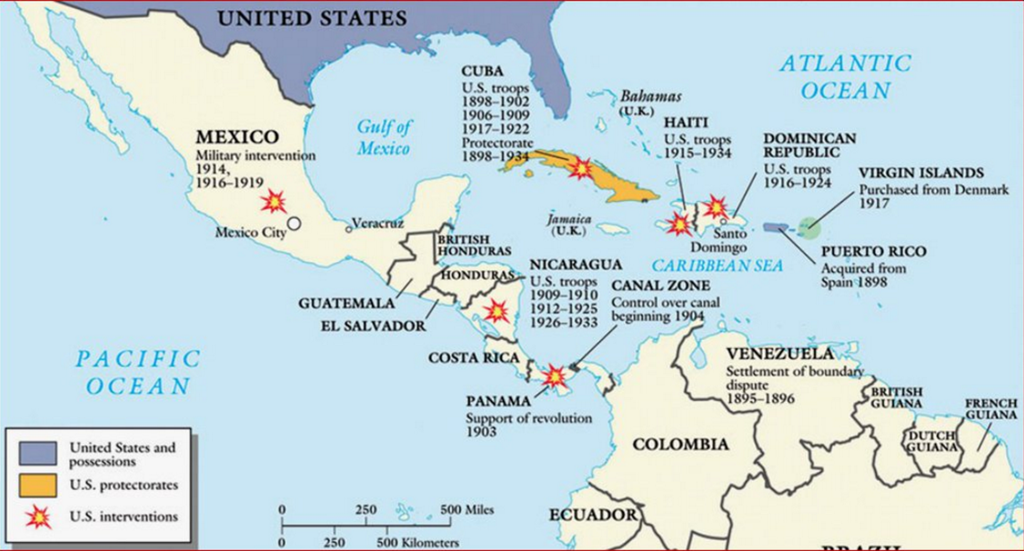
Basic Facts of Growth and Development
12 May 2016 Leave a comment
in applied welfare economics, development economics, economic history, economics of media and culture, growth disasters, growth miracles Tags: The Great Enrichment, The Great Escape, The Great Fact
Corruption and Public Sector Wages
11 May 2016 Leave a comment
in development economics, economics, economics of bureaucracy, economics of crime, growth disasters, growth miracles, law and economics, Public Choice, rentseeking Tags: bribery and corruption
I hope no one in @OxfamGB’s #taxhaven clip were fresh from a #TPPANoWay march?
11 May 2016 Leave a comment
in applied price theory, development economics, economic history, growth disasters, growth miracles, income redistribution, international economic law, international economics, Public Choice, rentseeking Tags: antiforeign bias, Left-wing hypocrisy, neocolonialism, Oxfam, rational irrationality, reactionary left, tax havens, TPP
I hope none in this clip protesting against tax havens as short changing everybody else were fresh from protesting how international economic agreements such as the TPPA infringe on the sovereignty of countries.
If you standing up for national sovereignty that includes standing up for the right of other countries doing things that you do not like within their own country.
If countries have the right to set taxes and tariffs as high as they like, they have just the same right to set them as low as they like.
All that plucky rhetoric of TPPA no way and how international economic agreements violate the sovereignty of countries and developing countries in particular is forgotten in a flash by Oxfam.
Oxfam manages the blinding hypocrisy of opposing the Transpacific Partnership on national sovereignty grounds and at the same time call for international treaties to bully small countries about their tax policies, which overrides their economic sovereignty.
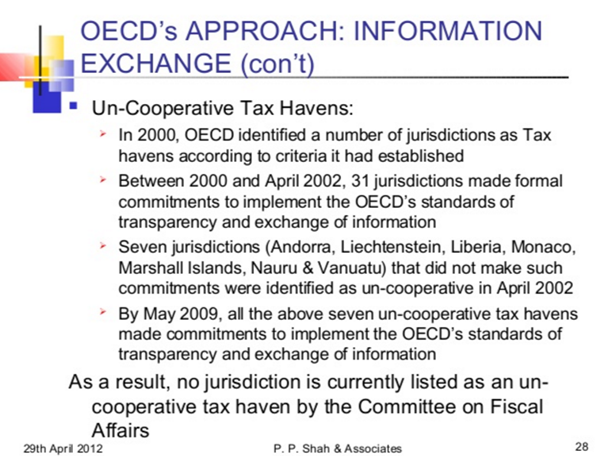
The sovereign rights of developing countries to find their own way does not extend to undermining the tax bases of the rich countries struggling to finance their welfare states.
The Pacific Islands, the once were heroes of the recent Paris climate talks, turn into pariahs once they start looking out for themselves and setting up offshore financial centres and tax havens.
Developing countries are free to impoverish themselves by embracing socialism, but if they decide to attract investment and jobs through low tax rates and offshore financial centres, a new form of colonialism is embraced by the reactionary left as embodied by Oxfam.
When my father was born, 7 in 10 people lived in absolute poverty.
Today, it's 1 in 10! https://t.co/1Caqku3AY1—
Tim Fernholz (@TimFernholz) October 21, 2015
The value of learning English
10 May 2016 Leave a comment
in development economics, economics of media and culture, human capital, labour economics Tags: economics of language
Trekonomics: The Final Frontier (w/ Manu Saadia)
09 May 2016 Leave a comment
in applied price theory, applied welfare economics, Austrian economics, comparative institutional analysis, constitutional political economy, development economics, economics of regulation, environmental economics, history of economic thought, industrial organisation, international economics, law and economics, property rights Tags: star trek
Pierre Desrochers explains why the ‘buy local’ food movement overstates environmental benefits
08 May 2016 Leave a comment
in applied price theory, applied welfare economics, development economics, economic history, economics of media and culture, environmental economics, growth disasters, growth miracles, health economics, industrial organisation, transport economics Tags: food miles
Louis CK Everything Is Amazing And Nobody Is Happy
07 May 2016 Leave a comment
in applied welfare economics, development economics, economic history, growth miracles Tags: The Great Fact
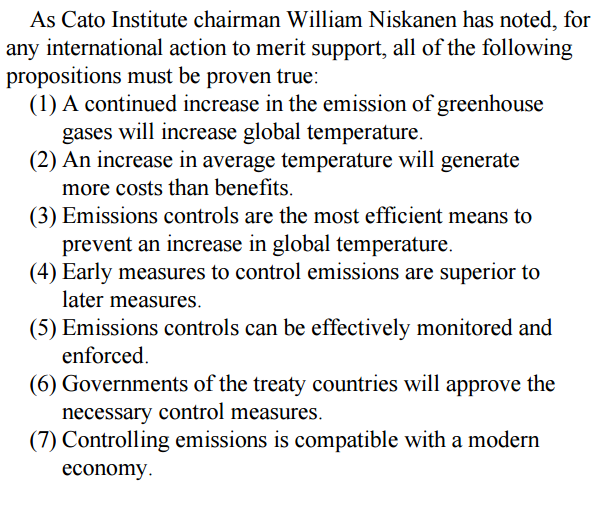
When is international action on global warming justified?
07 May 2016 Leave a comment
in applied price theory, development economics, energy economics, environmental economics, global warming Tags: carbon tax, carbon trading, climate alarmism, global warming
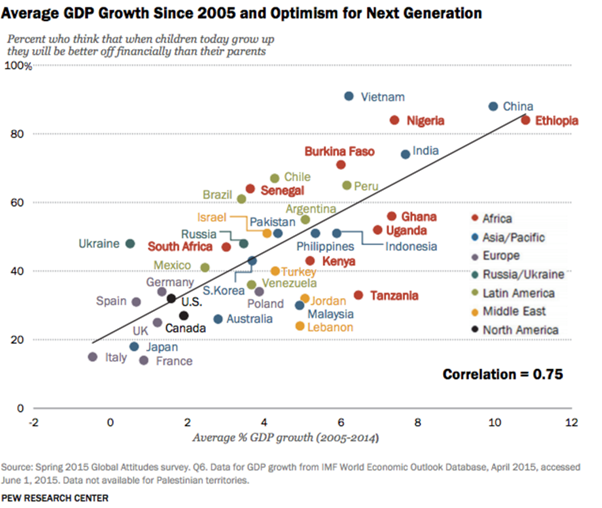
What are rich countries so grumpy?
07 May 2016 Leave a comment
in applied welfare economics, development economics, growth disasters, growth miracles Tags: compensating differentials, pessimism bias, The Great Enrichment, The Great Fact
Deirdre McCloskey and George Will discuss bourgeois inquality
05 May 2016 Leave a comment
in comparative institutional analysis, constitutional political economy, development economics, economic history Tags: Deirdre McCloskey


Recent Comments