The good old days are now
20 Feb 2016 Leave a comment
in economic history, labour economics, minimum wage, technological progress Tags: good old days, living wage, The Great Enrichment
Digital technologies spread faster than sanitation in low and middle income countries.
20 Feb 2016 Leave a comment
in development economics, economic history, health economics
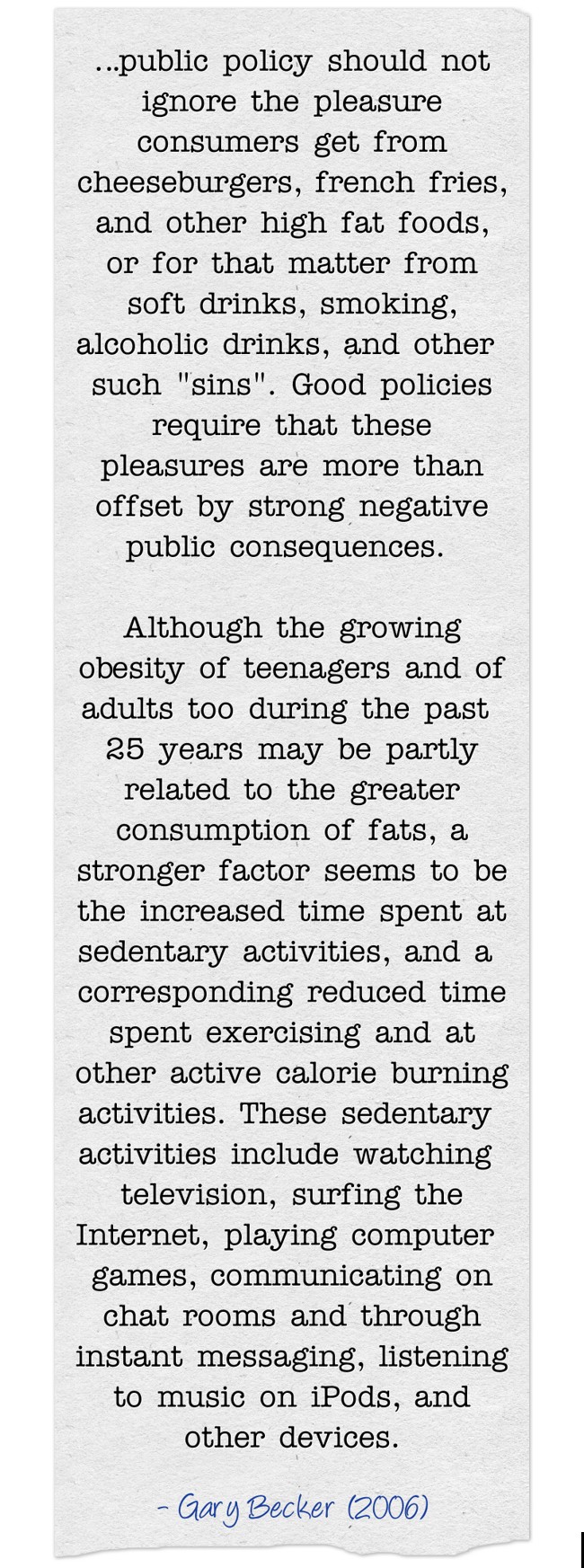
Gary Becker on the weak case for a fat tax
19 Feb 2016 Leave a comment
in applied welfare economics, economic history, Gary Becker, health economics, technological progress
British no longer eat spam or offal
18 Feb 2016 Leave a comment
in economic history Tags: British economy, food

Source: National Food Survey reveals how eating habits have changed since the 1970s | Daily Mail Online.
NZ state-owned enterprise dividends & cash injections since 2007 – updated
18 Feb 2016 Leave a comment
in economic history, industrial organisation, politics - New Zealand, public economics Tags: government ownership, KiwiRail, New Zealand Greens, New Zealand Labor Party, privatisation, rational irrationality, state owned enterprises
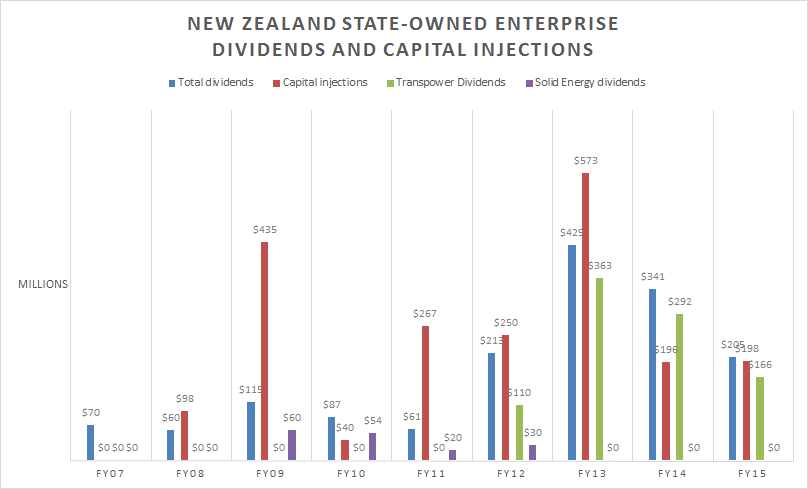
With a straight face, the Labour Party and the Greens claim that state-owned enterprises should not be sold because taxpayers give up the future dividend stream.
Source: New Zealand Treasury – data released under the Official Information Act.
Leaving to one side what the sale price is the net present value of, for as far back as I could obtain data from the Treasury, it is a rare year in which the taxpayers does not pour more money into state-owned enterprises than they get back in dividends.
Transpower is carrying the entire state-owned enterprise portfolio. Earlier on, Solid Energy – a now bankrupt coal mining company– was carrying the portfolio in terms of cash flow to the taxpayer.
How did Pinoy billionaires make their money?
18 Feb 2016 1 Comment
in applied welfare economics, economic history, entrepreneurship, financial economics, industrial organisation Tags: billionaires, entrepreneurial alertness, Philippines, superstars, top 1%
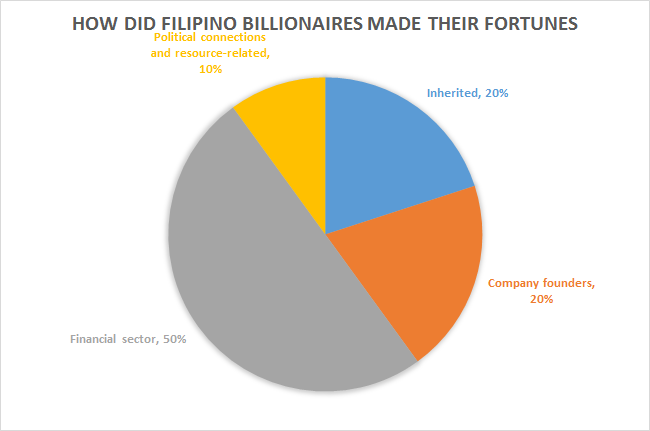
A surprisingly large number of Filipino billionaires are in the financial sector.
When the robots came to British agriculture
17 Feb 2016 1 Comment
in economic history, labour economics, technological progress
How did India’s billionaires make their fortunes
17 Feb 2016 Leave a comment
in applied welfare economics, development economics, economic history, economics of regulation, entrepreneurship, growth disasters, growth miracles, industrial organisation Tags: billionaires, entrepreneurial alertness, India, superstars, top 1%
A decent number of India’s billionaires founded a company.

The declining death rates from cancer
17 Feb 2016 Leave a comment
in economic history, health economics Tags: cancer, life expectancies, The Great Escape
Never under-estimate the political muscle of Greypower
17 Feb 2016 Leave a comment
in economic history, Public Choice
@PhilTwyford 22 years in UK to raise deposit – up from 3 years in the 90s for low income households!
17 Feb 2016 Leave a comment
in economic history, economics of regulation, urban economics
How did British billionaires make their money
16 Feb 2016 Leave a comment
in applied welfare economics, economic history, economics of regulation, entrepreneurship, financial economics, human capital, industrial organisation, labour economics, poverty and inequality, survivor principle Tags: billionaires, British economy, entrepreneurial alertness, superstars, top 1%

Inheriting wealth is not what it used to be in Britain. There are all these upstarts running businesses or working in the City.



Recent Comments