Determining the Value of Money: Next Steps for the Fiscal Theory of the Price Level
29 Mar 2020 Leave a comment
in budget deficits, business cycles, economic history, financial economics, fiscal policy, history of economic thought, macroeconomics, Milton Friedman, monetarism, monetary economics, Robert E. Lucas Tags: monetary policy
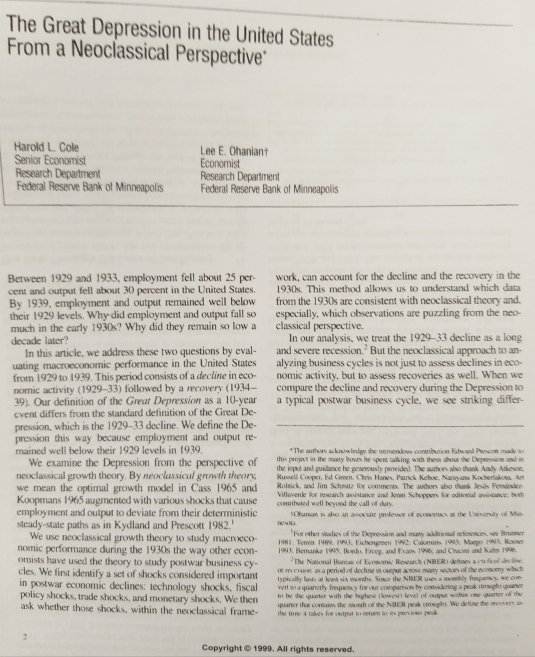
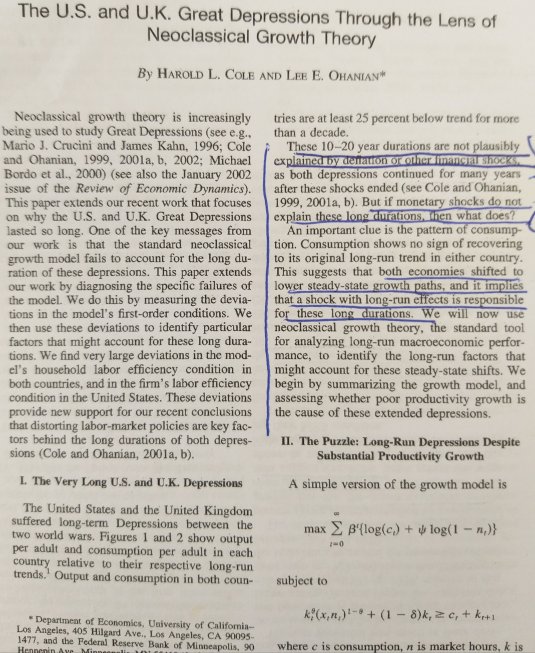
Lee Ohanian on dynamic general equilibrium models to study the Great Depression
26 Mar 2020 Leave a comment
in business cycles, econometerics, economic growth, economic history, financial economics, great depression, history of economic thought, macroeconomics, monetary economics

What is new and true in efficiency wage theory?
24 Mar 2020 Leave a comment
in applied price theory, history of economic thought, labour economics, labour supply, occupational choice, personnel economics
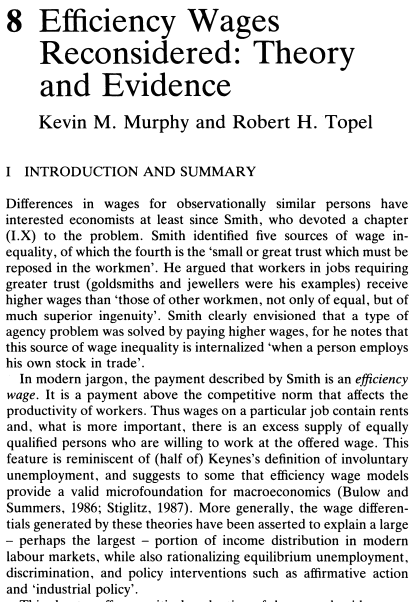
From Y. Weiss et al. (eds.), Advances in the Theory and Measurement of Unemployment
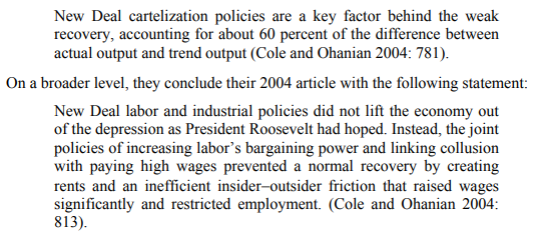

Ellen McGrattan in real business cycle models
21 Mar 2020 Leave a comment
in budget deficits, business cycles, economic growth, Edward Prescott, fiscal policy, history of economic thought, labour economics, labour supply, macroeconomics, monetary economics Tags: real business cycle theory

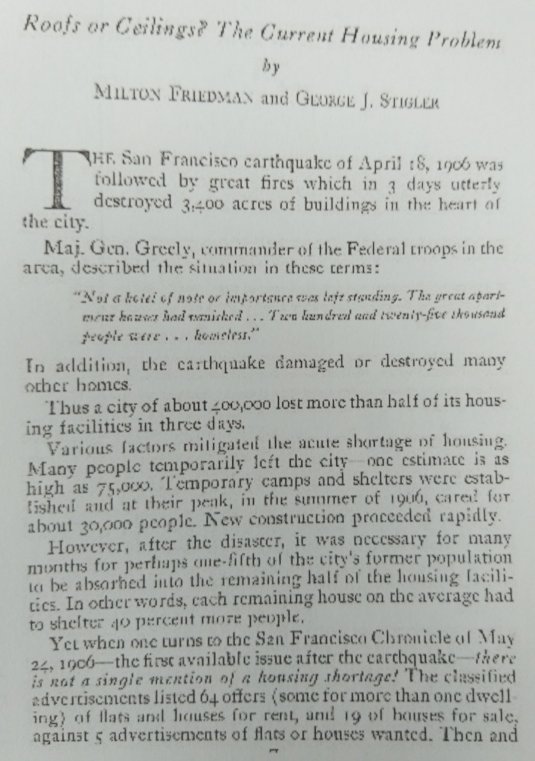
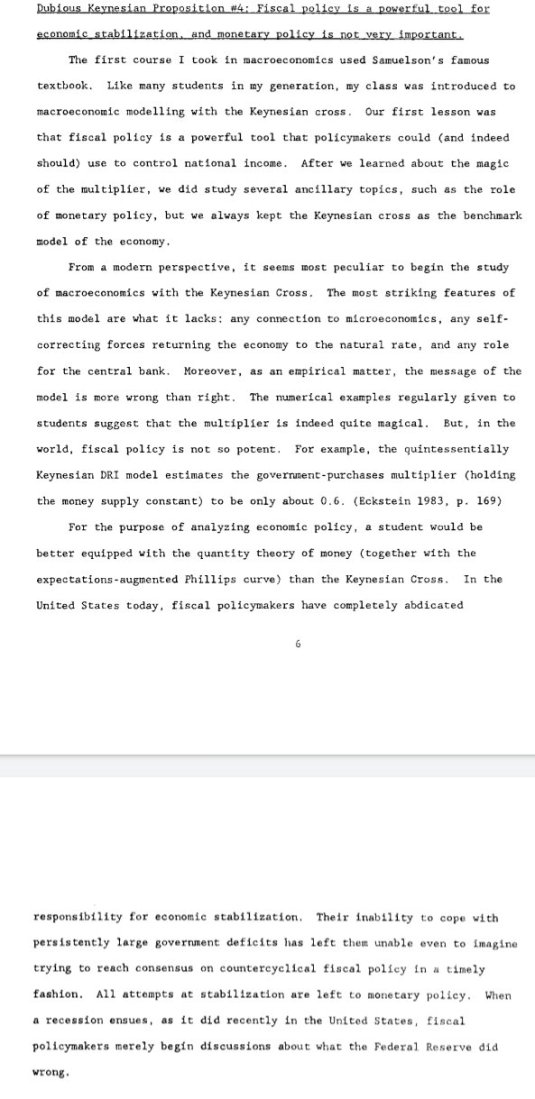
What is New Keynesian macroeconomics?
20 Mar 2020 Leave a comment
in budget deficits, business cycles, economic growth, fiscal policy, history of economic thought, macroeconomics, Milton Friedman, monetarism, monetary economics Tags: Keynesian macroeconomics, New Keynesian macroeconomics

James Buchanan on highly undemocratic Arrow’s Impossibility Theorem
19 Mar 2020 Leave a comment
in applied welfare economics, constitutional political economy, history of economic thought, James Buchanan, Public Choice
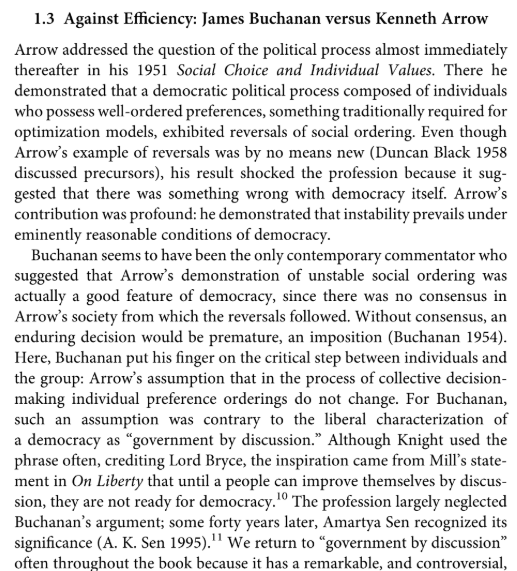
From https://books.google.co.nz/books?id=92xzxQEACAAJ&pg=PA3&source=gbs_toc_r&cad=3#v=onepage&q&f=false
.@Bryan_Caplan’s best presentation of the case against education
18 Mar 2020 Leave a comment
in applied price theory, applied welfare economics, comparative institutional analysis, economics of education, economics of information, history of economic thought, human capital, income redistribution, industrial organisation, labour economics, labour supply, managerial economics, occupational choice, organisational economics, personnel economics, Public Choice, public economics, rentseeking, survivor principle Tags: adverse selection, asymmetric information, College premium, graduate premium, screening, self-selection, signaling
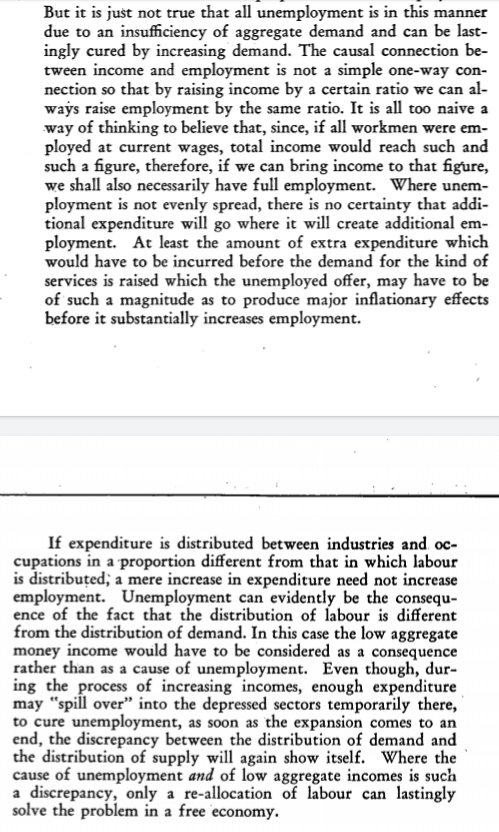
Hayek (1950) on why the current stimulus will fail
18 Mar 2020 Leave a comment
in Austrian economics, business cycles, economic history, economics of information, F.A. Hayek, fiscal policy, history of economic thought, labour economics, labour supply, macroeconomics, monetary economics, occupational choice, Public Choice, public economics Tags: fiscal policy, Keynesian macroeconomics
 Utopia, you are standing in it!
Recent Comments