
How to tell if you are a modern progressive – a two-part test by Scott Sumner
13 Apr 2016 Leave a comment
in international economics, labour economics, minimum wage, politics - New Zealand, politics - USA Tags: antiforeign bias, antimarket bias, expressive voting, Leftover Left, living wage, makework bias, rational irrationality
What undergrads and @stevenljoyce need to know about trade @GreenCatherine
12 Apr 2016 Leave a comment
in applied price theory, applied welfare economics, development economics, international economics, job search and matching, labour economics, labour supply, macroeconomics, politics - New Zealand Tags: antiforeign bias, free trade, makework bias, Paul Krugman, protectionism, tariffs, trade policy
Minister for everything Stephen Joyce wrote some nonsense in the paper today about how trade agreements and more exports will mean more jobs:
I would like to make the point that trade access is hugely important for a small country like New Zealand.
Without fair and equal trade access we can’t sell as much of our goods and we get less for them. And that means fewer jobs.
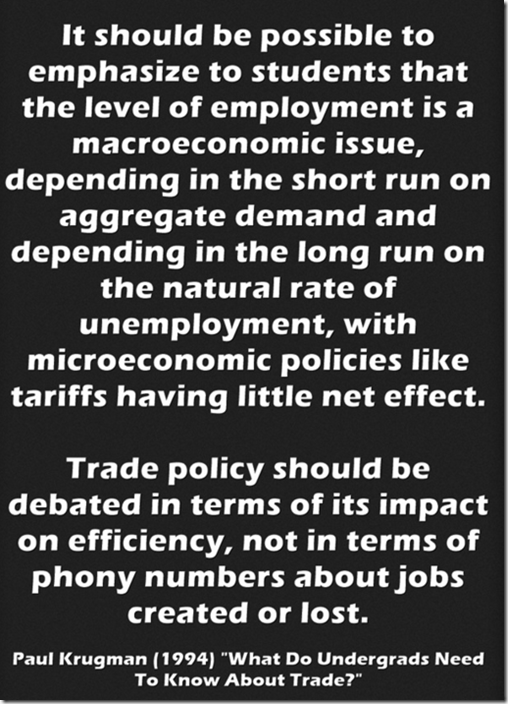
This make-work bias is as bad as those who oppose trade agreements on the grounds of an anti-foreign bias. Trade affects the composition of employment, not the number of jobs. Paul Krugman spent a good part of the 1990s trying to explain that to the general public and public intellectuals.
@johnvanreenen discusses the Economics of #Brexit
10 Apr 2016 Leave a comment
in economics, Euro crisis, international economics, macroeconomics Tags: Brexit, Common market, EU
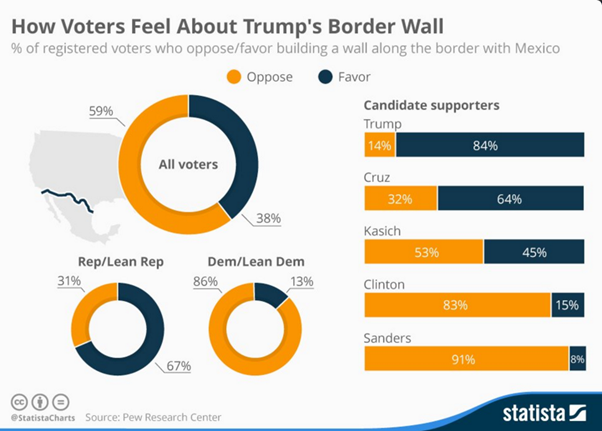
@BernieSanders just wants to build a different type of wall to @realdonaldtrump’s
09 Apr 2016 Leave a comment
in applied price theory, applied welfare economics, development economics, growth disasters, growth miracles, industrial organisation, international economics, labour economics, labour supply, politics - USA Tags: 2016 presidential election, antiforeign bias, economics of immigration, left-wing popularism, Mexico, NAFTA, right-wing popularism, The Great Escape, trade agreements

Top 10 Infamous Barrier Walls Throughout History
07 Apr 2016 Leave a comment
in defence economics, economics, international economic law, international economics, International law, law and economics Tags: economics of borders
@BernieSanders @realdonaldtrump want to reverse The Great Escape in developing countries
07 Apr 2016 Leave a comment
in applied welfare economics, development economics, economic history, growth disasters, growth miracles, industrial organisation, international economics, politics - USA, Public Choice, rentseeking, survivor principle Tags: absolute poverty, extreme poverty, tariffs, The Great Escape, trade agreements, trade liberalisation
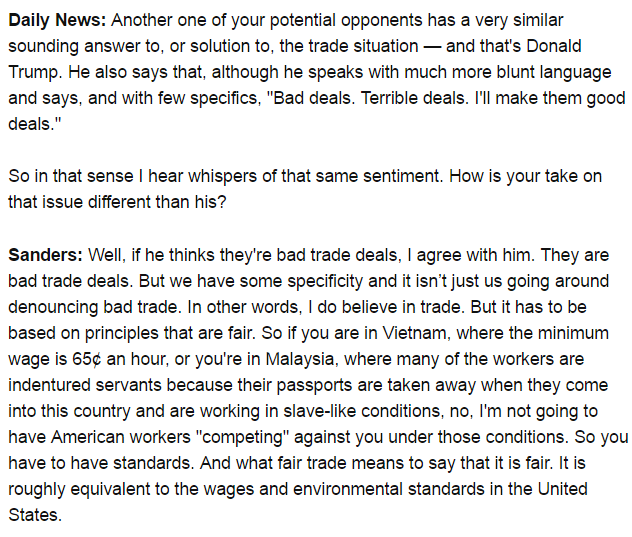
Source: TRANSCRIPT: Bernie Sanders meets with News Editorial Board – NY Daily News.
/cdn0.vox-cdn.com/uploads/chorus_asset/file/3854986/UN-report-poverty.0.png)
Source: If you’re poor in another country, this is the scariest thing Bernie Sanders has said – Vox.
/cdn0.vox-cdn.com/uploads/chorus_asset/file/6104377/Screen%20Shot%202016-02-25%20at%2011.48.27%20AM.png)
Source: If you’re poor in another country, this is the scariest thing Bernie Sanders has said – Vox.
.
@Greens @sarahinthesen8’s solution to boat people drowning
04 Apr 2016 1 Comment
in economics, Economics of international refugee law, international economics Tags: boat people, economics of migration, refugees
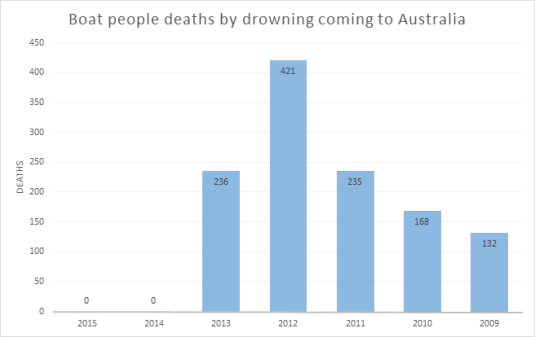
About 1200 people drowned under Labour’s boat people policies. That would have put the percentage at risk of death in the low single digits. Taking a boat to Europe is very dangerous in comparison.

 Source: Another way for refugees | Australian Greens.
Arriving by boat in Australia does not increase the size of the refugee quota. It just changes who gets to the head of the queue and how many died trying to get to the head of the queue.
 Source: Kiwiblog.
There is nothing compassionate about rewarding people for risking their lives. The chances of dying while attempting to come to Australia by boat are about 2%.
The recent experience in Europe confirms that just letting large numbers of refugees come to your country hardens the attitude of the majority of voters in that country to admitting refugees in general, much less more than their current quota.
Political bias, free trade and @berniesanders @realdonaldtrump
31 Mar 2016 Leave a comment
in applied price theory, applied welfare economics, economics of media and culture, industrial organisation, international economics, politics - USA, Public Choice, public economics, rentseeking Tags: 2016 presidential election, antiforeign bias, antimarket bias, makework bias, pessimism bias, rational irrationality
The 1st @Paul Krugman (1994) on “Competitiveness: A Dangerous Obsession”
24 Mar 2016 Leave a comment
in international economics, politics - USA Tags: anti-foreign buyers, anti-market buyers, Leftover Left, Paul Krugman, public intellectuals, rational ignorance, rational irrationality, renegade Left

Rothbard on Balance of Trade “Deficit”
23 Mar 2016 Leave a comment
in economics, international economics Tags: trade balance
The 1st @PaulKrugman on globalisation & development @harleyhs #TPPANoWay
22 Mar 2016 Leave a comment
in development economics, economic history, growth disasters, growth miracles, international economics Tags: anti-market bias, antiforeign bias, GATT, gender analysis, gender wage gap, makework bias, NAFTA, pessimism bias, preferential trading agreements, rational irrationality, TPPA, WTO
Source: Paul Krugman (1997) Enemies of the WTO.
This visiting American education professor who specialises in globalisation, claimed in the linked radio interview that real wages had fallen in the USA and Mexico. Even for the bottom 20% of the USA, their after-tax household incomes increased by 40% since 1979, with most of that after the signing of NAFTA.
Everything that is bad in crony capitalist Mexico is the fault of NAFTA if our visiting academic is to be believed despite trade tripling and investment increasing 600% because of NAFTA.
Women’s earnings growth has been perfectly fine over the last 40 years despite the horrors of NAFTA and the attack on unions and workers rights by a top 1% emboldened by NAFTA and globalisation, if our visiting academic is to be believed.
Gender analysis, gender analysis, where is his gender analysis of NAFTA? Few labour market statistics make sense without being broken down by sex because of the immense economic progress of women in the last 50 years. Can NAFTA claim credit for that?
Prof Patrick Minford on the EU and trade
22 Mar 2016 Leave a comment
in economics, international economics Tags: British economy, British politics, Common market, customs unions, EU
 Utopia, you are standing in it!
Recent Comments