Why Aren’t There Many Female Commercial Pilots?
24 Feb 2017 Leave a comment
in discrimination, gender, human capital, labour economics, occupational choice, transport economics Tags: gender wage gap
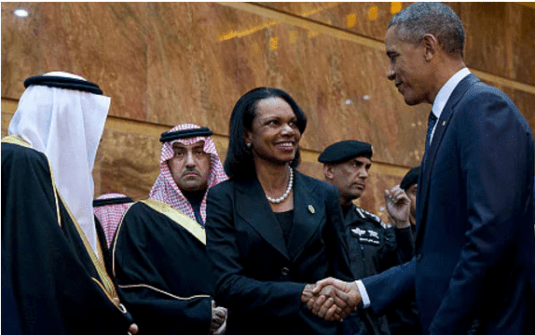
Note for Swedish feminists, Michelle Obama, Condoleezza Rice refused to wear a headscarf in Saudi Arabia
22 Feb 2017 Leave a comment
in discrimination, gender

Dead Wrong™ with Johan Norberg – Nordic Gender Equality
20 Feb 2017 Leave a comment
in applied price theory, discrimination, entrepreneurship, gender, industrial organisation, labour economics, labour supply, managerial economics, occupational choice, organisational economics, personnel economics Tags: gender wage gap
Infogr.am and data wrapper compared
19 Feb 2017 Leave a comment
in administration, gender, labour economics Tags: gender wage gap
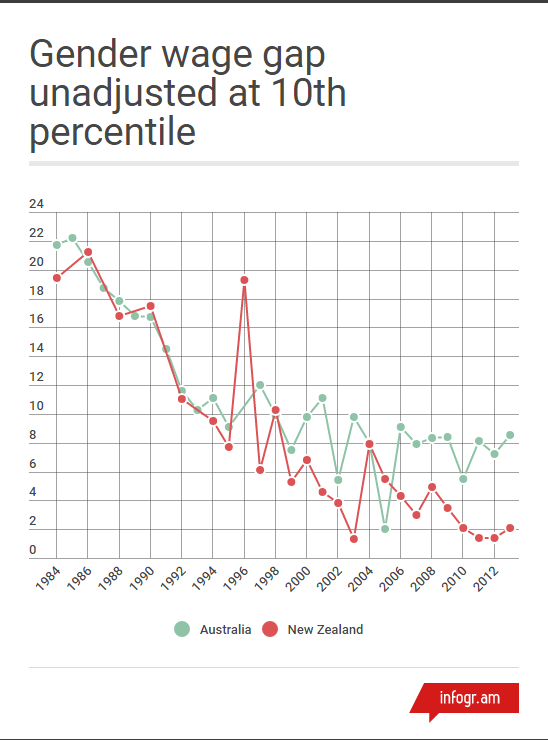
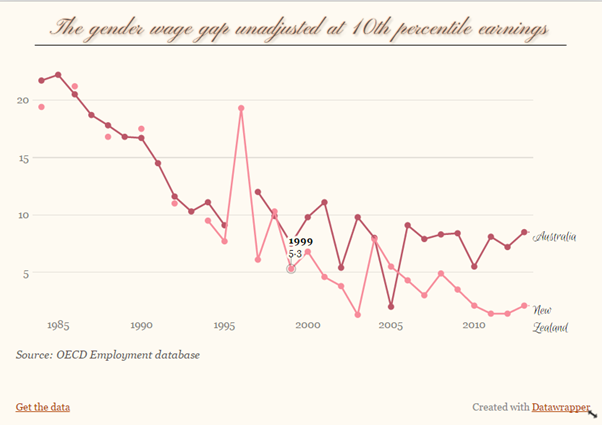
Occupational segregation a weak reed to hang #genderwagegap @FairnessNZ
17 Feb 2017 Leave a comment
in applied price theory, discrimination, economics, gender, health and safety, human capital, labour economics, labour supply, occupational choice, poverty and inequality Tags: gender wage gap, occupational segregation
NZ has a gender wage gap of 6% according to the OECD and 12% according to the Ministry of Women’s Affairs, with 30% of that explained by occupational segregation. That is 2 to 4 percentage points.

You have to explain occupational segregation. Men are represented more in occupations that are riskier. They are paid more for that. There are systematic differences in the occupational choices of married parents, single parents and single mothers regarding the risks of injury. Again, that feeds into wages.
Occupational segregation explains 2 to 4 percentage points of wages. Given that risk premiums – danger money – and trading lower wages for greater flexibility in a job can easily reduce wages or increase them by 2-4%, occupational segregation is simply a proxy for measurement error.
Still more of wage premiums has to be poured into this 2-4% of wages such as occupational segregation in unsocial work hours. Many more women than men work 9 to 5 during the week. Men would then have a wage premium for working nights and weekends. A hell a lot has to be explained away by just 2 to 4% wages.
What does undervalued work mean? Does it mean it is very profitable to employ women in certain occupations such as caring. That implies that high profits will lead new firms to enter these industries bidding up wages and equalising them with other competing jobs.
More on who is winning the battle of the sexes
09 Feb 2017 Leave a comment
in discrimination, economics of education, gender, human capital, labour economics Tags: behavioural genetics, educational psychology, gender gap, gender wage gap, reversing gender gap

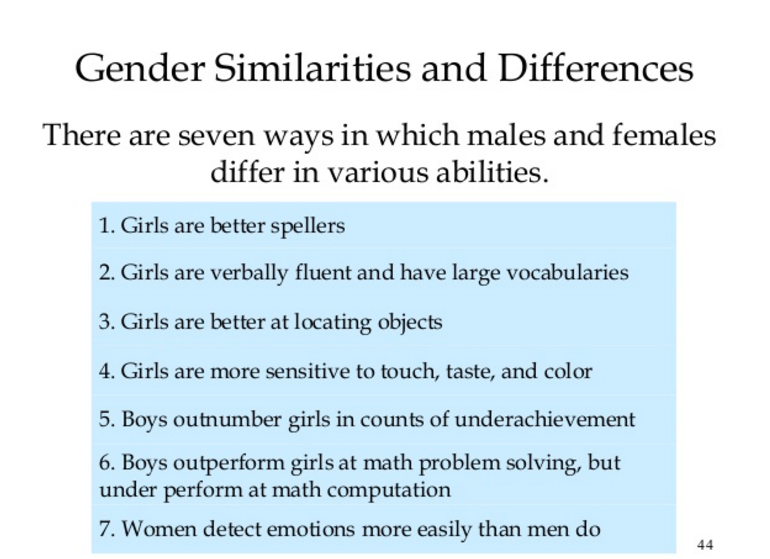
Speaking of the equality of the sexes
06 Feb 2017 Leave a comment
in discrimination, economics of education, gender, labour economics, labour supply, occupational choice Tags: behavioural genetics, compensating differentials, educational psychology, gender gap, reversing gender gap
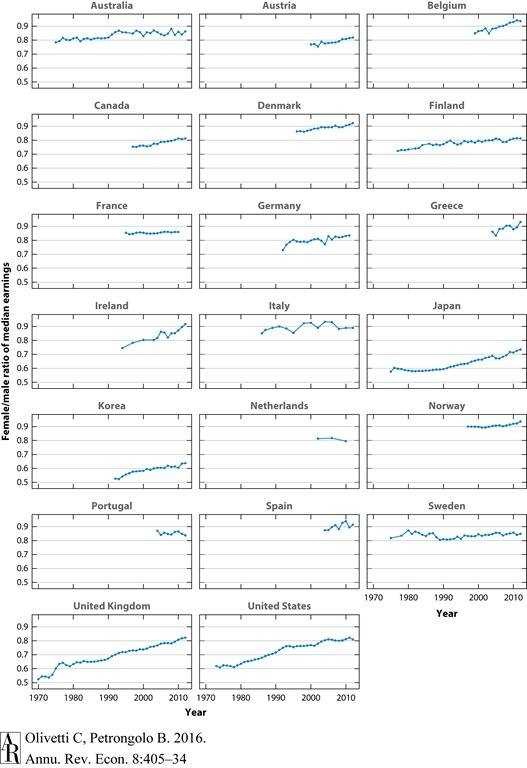
Why no progress on the gender wage gap in @SenSanders’ favourite countries
02 Feb 2017 Leave a comment
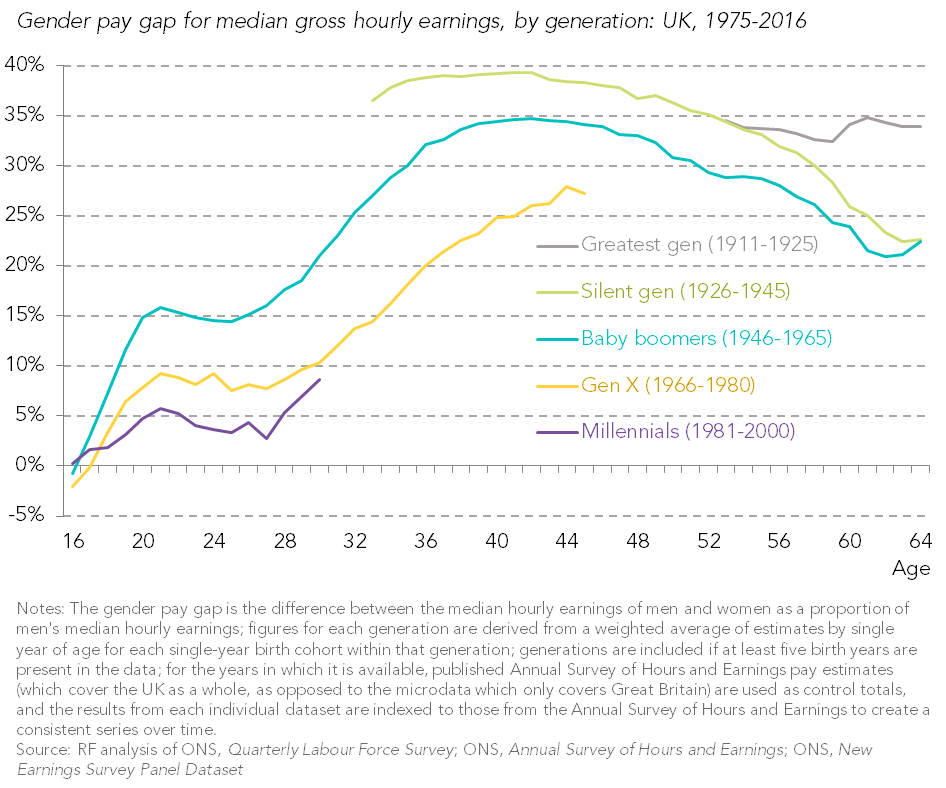
Gender pay gap by British generations
28 Jan 2017 Leave a comment
in discrimination, gender, labour economics Tags: gender wage gap
Is America an imperialist, white-supremacist, capitalist patriarchy? | FACTUAL FEMINIST
21 Jan 2017 2 Comments
in defence economics, development economics, discrimination, gender, labour economics Tags: feminism, foreign policy, gender wage gap, imperialism, racial discrimination, racism


Recent Comments