
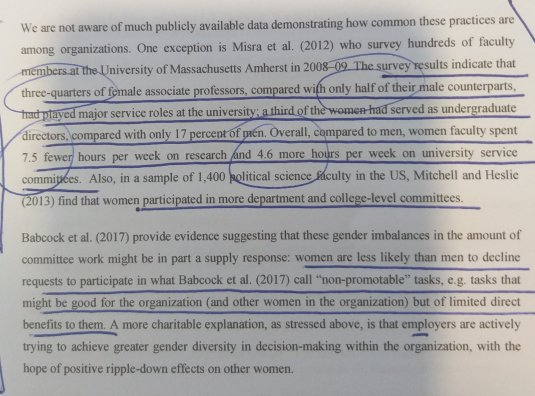
Bertrand on gender diversity programs intensifying the glass ceiling
14 Mar 2020 Leave a comment
in discrimination, economics of education, gender, human capital, labour economics, labour supply, managerial economics, occupational choice, organisational economics, personnel economics Tags: affirmative action, gender wage gap, glass ceiling, offsetting behaviour, sex discrimination, The fatal conceit, unintended consequences
Charles Murray — The Bell Curve Revisited in 2014
13 Mar 2020 Leave a comment
in discrimination, economics of education, human capital, labour economics, labour supply, occupational choice, poverty and inequality Tags: conjecture and refutation, IQ, philosophy of science, political correctness, regressive left
2014 Edward Prescott
13 Mar 2020 Leave a comment
in budget deficits, business cycles, economic growth, economic history, economics of education, Edward Prescott, fiscal policy, global financial crisis (GFC), great depression, great recession, human capital, labour supply, law and economics, macroeconomics, monetarism, monetary economics, property rights Tags: real business cycle theory
Bryan Caplan & Charles Murray on “Selfish Reasons to Have More Kids”
11 Mar 2020 Leave a comment
in economics of education, economics of love and marriage, health economics, human capital, labour economics, labour supply, law and economics, occupational choice, poverty and inequality Tags: economics of fertility
Paola Sapienza – Does culture affect economic outcomes?
10 Mar 2020 Leave a comment
in entrepreneurship, human capital, international economic law, international economics, International law, labour economics, labour supply, law and economics, property rights, Public Choice Tags: economics of immigration
Steve Kaplan Discusses CEO Pay
08 Mar 2020 Leave a comment
in economics of bureaucracy, economics of crime, economics of education, economics of information, entrepreneurship, financial economics, human capital, income redistribution, industrial organisation, labour economics, labour supply, law and economics, managerial economics, market efficiency, occupational choice, organisational economics, personnel economics, politics - USA, poverty and inequality, property rights, Public Choice, rentseeking, survivor principle Tags: CEO pay, efficient markets hypothesis
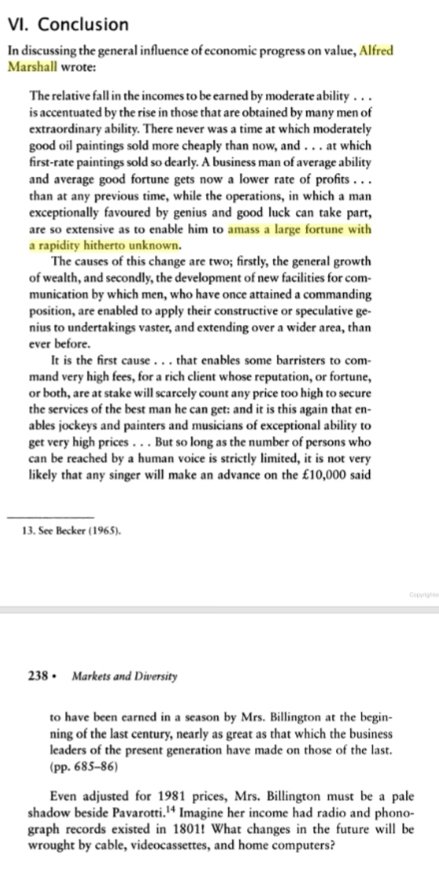
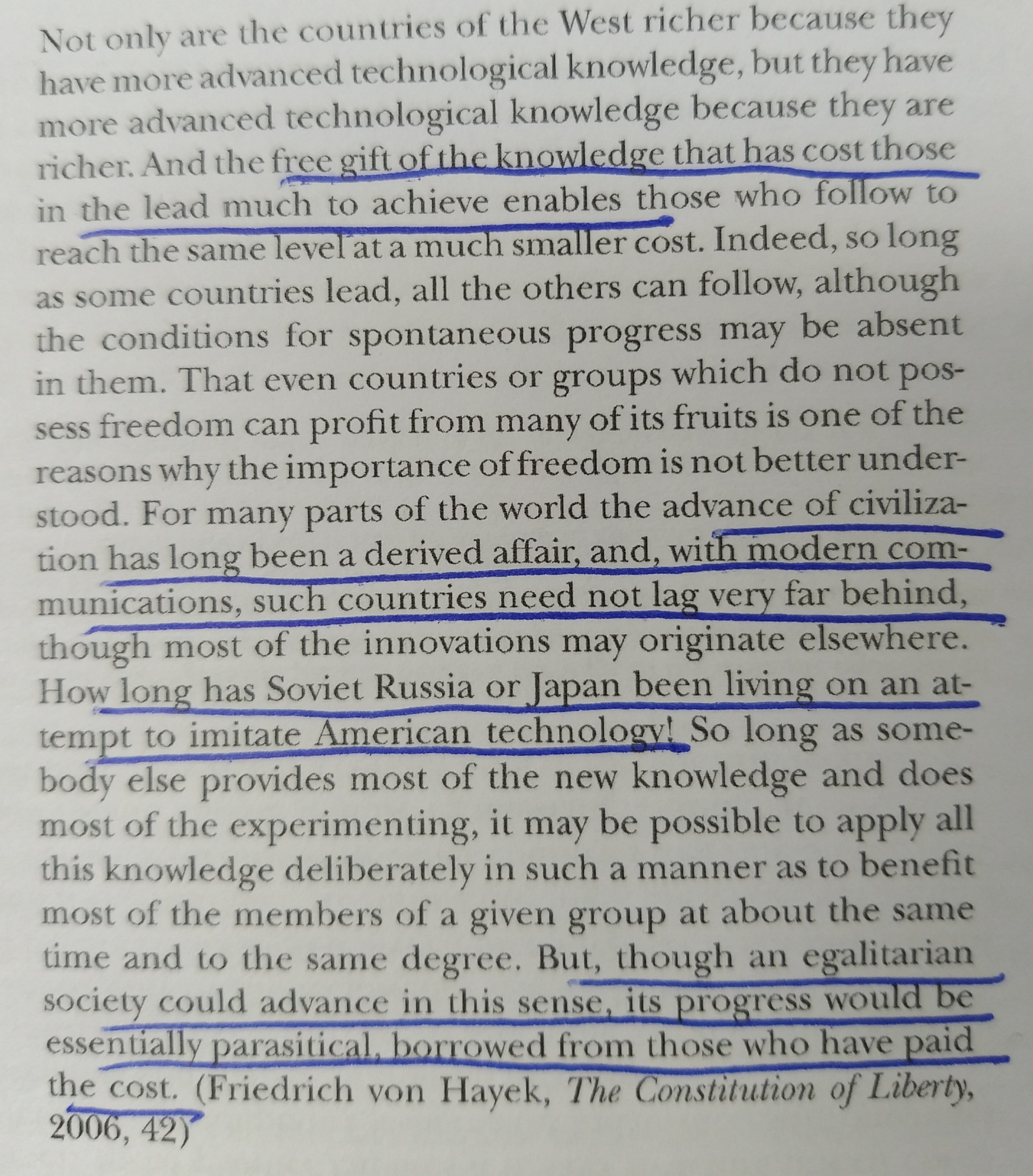
Scandinavian welfare states free-ride
08 Mar 2020 Leave a comment
in applied price theory, Austrian economics, comparative institutional analysis, constitutional political economy, economic growth, economics of education, economics of information, economics of regulation, entrepreneurship, F.A. Hayek, history of economic thought, human capital, income redistribution, industrial organisation, international economics, law and economics, macroeconomics, poverty and inequality, property rights, Public Choice, public economics Tags: creative destruction, taxation and entrepreneurship, taxation and investment, taxation and labour supply
Inequality in America: Taxes and the Ultra-Rich | Emmanuel Saez | Steven Kaplan | Luigi Zingales
08 Mar 2020 Leave a comment
in applied price theory, economics of education, entrepreneurship, financial economics, human capital, income redistribution, industrial organisation, labour economics, labour supply, managerial economics, occupational choice, organisational economics, personnel economics, politics - USA, poverty and inequality, Public Choice, public economics, rentseeking Tags: capital gains tax, envy, taxation and entrepreneurship, taxation and investment, top 1%
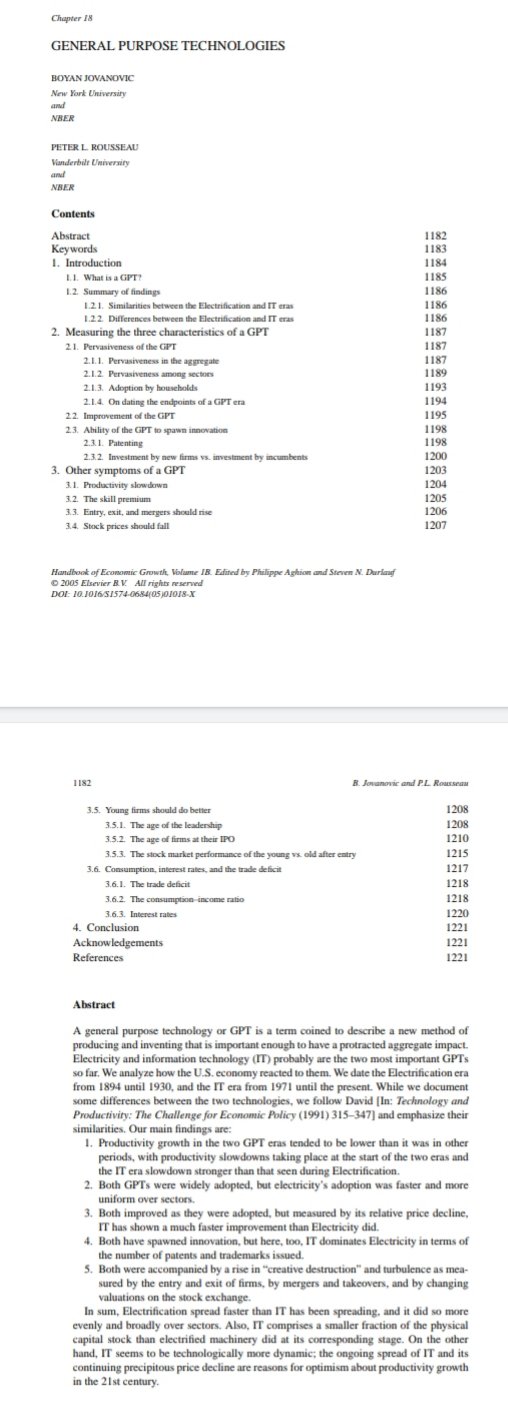
Only 2 general purpose technologies in the 20th century?
07 Mar 2020 Leave a comment
in applied price theory, economic growth, economic history, economics of education, energy economics, entrepreneurship, financial economics, history of economic thought, human capital, industrial organisation, labour economics, labour supply, macroeconomics, managerial economics, occupational choice, organisational economics, survivor principle Tags: creative destruction, general purpose technologies
The ‘Negativity Effect’ Leads to Bad Journalism, Big Government, and Busted Relationships
06 Mar 2020 Leave a comment
in discrimination, economics of bureaucracy, economics of crime, economics of education, energy economics, environmental economics, gender, health and safety, health economics, human capital, income redistribution, industrial organisation, labour economics, labour supply, law and economics, Marxist economics, poverty and inequality, property rights, Public Choice, public economics, rentseeking, unemployment, unions, welfare reform Tags: pessimism bias
Black Americans Failed by Good Intentions: An Interview with Jason Riley
05 Mar 2020 Leave a comment
in comparative institutional analysis, constitutional political economy, discrimination, economics of bureaucracy, economics of education, economics of regulation, human capital, income redistribution, labour economics, labour supply, law and economics, Marxist economics, occupational choice, occupational regulation, politics - USA, poverty and inequality, property rights, Public Choice, public economics, rentseeking, unemployment, unions, welfare reform Tags: affirmative action, political correctness, racial discrimination, regressive left


Recent Comments