Evolutionary Psychology and #MeToo | Robert Wright & Diana Fleischman
06 May 2020 Leave a comment
in discrimination, economics of crime, economics of education, gender, health and safety, human capital, labour economics, labour supply, law and economics, occupational choice, poverty and inequality Tags: evolutionary psychology
How many projects are shovel-ready with the border closed to a global construction engineers market?
04 May 2020 Leave a comment

From Shame to Game in One Hundred Years – Nezih Guner
04 May 2020 Leave a comment
in discrimination, economics of love and marriage, gender, labour economics, law and economics, property rights Tags: sex discrimination
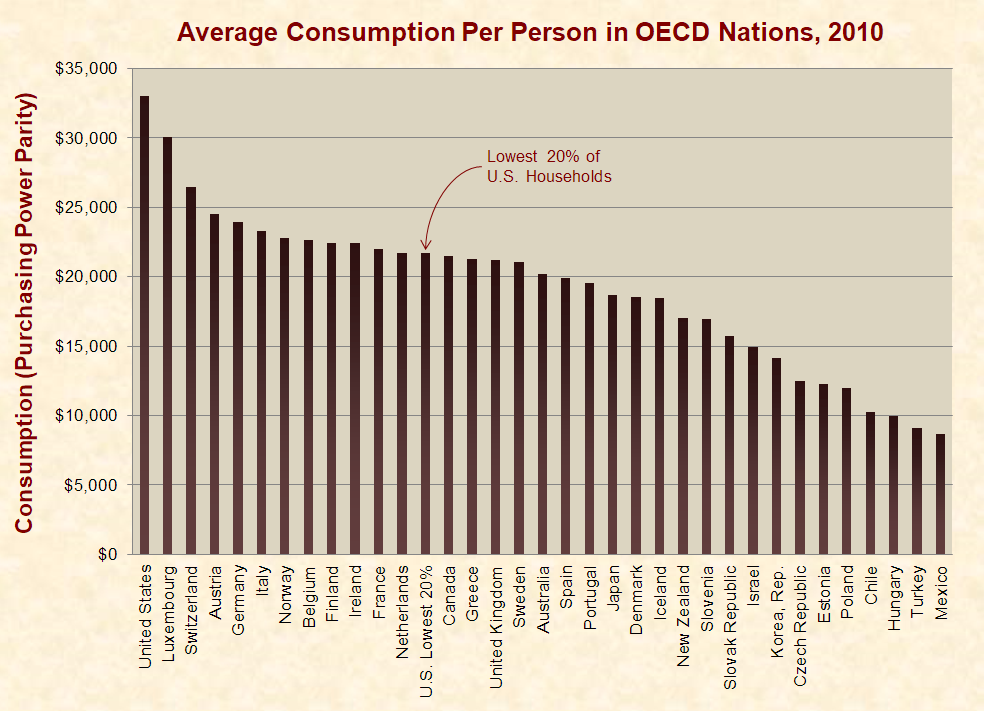
The Poorest 20% of Americans Are Richer on Average Than Most Nations of Europe
04 May 2020 Leave a comment
in labour economics, poverty and inequality Tags: child poverty, family poverty, pessimism bias, The Great Enrichment
Jordan Peterson Debunks Leftist Gender Ideology in 8 Minutes
04 May 2020 Leave a comment
in discrimination, economics of education, economics of love and marriage, gender, health and safety, human capital, labour economics, labour supply, Marxist economics, occupational choice, politics - Australia, politics - New Zealand, politics - USA Tags: evolutionary psychology, gender wage gap, moral psychology, personality psychology
Watch 60-Second Lecture: Women’s Liberation: An Economic Perspective
03 May 2020 Leave a comment
in discrimination, economic history, economics of love and marriage, gender, health and safety, human capital, labour economics, labour supply, law and economics, occupational choice Tags: gender wage gap
A Day in the Life of a Socialist Citizen | Michael Walzer (1968) Dissent Magazine
03 May 2020 Leave a comment
in comparative institutional analysis, constitutional political economy, economics of bureaucracy, industrial organisation, labour supply, law and economics, managerial economics, Marxist economics, occupational choice, organisational economics, poverty and inequality, property rights, Public Choice, theory of the firm Tags: offsetting behaviour, The fatal conceit, unintended consequences

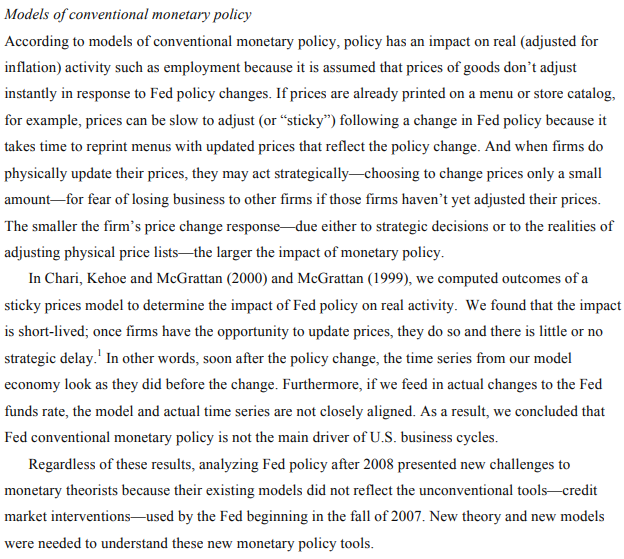
Ellen McGrattan on New Keynesian macroeconomic policy
02 May 2020 Leave a comment
in business cycles, great recession, job search and matching, labour economics, labour supply, macroeconomics, monetary economics
Myth of the Rational Voter
02 May 2020 Leave a comment
in applied price theory, economics of bureaucracy, economics of crime, economics of education, economics of information, economics of regulation, election campaigns, energy economics, environmental economics, history of economic thought, income redistribution, industrial organisation, international economics, labour economics, labour supply, law and economics, managerial economics, market efficiency, Marxist economics, minimum wage, organisational economics, personnel economics, politics - USA, population economics, property rights, Public Choice, public economics, rentseeking, resource economics, theory of the firm, transport economics, urban economics, welfare reform Tags: anti-foreign bias, anti-market bias, make-work bias, pessimism bias, rational ignorance, rational irrationality, regressive left
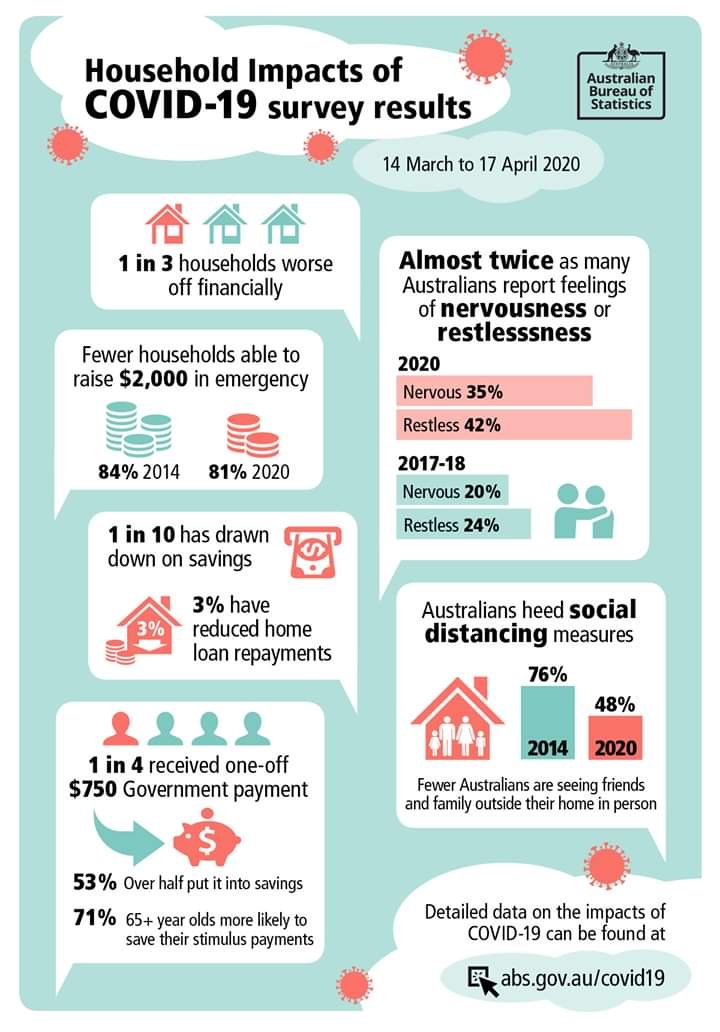
Majority saved $750 #COVID19 stimulus payment! Friedman’s permanent income hypothesis rules
01 May 2020 Leave a comment
in budget deficits, business cycles, financial economics, fiscal policy, macroeconomics, Milton Friedman, monetary economics, unemployment Tags: offsetting behaviour, permanent income hypothesis, The fatal conceit, unintended consequences
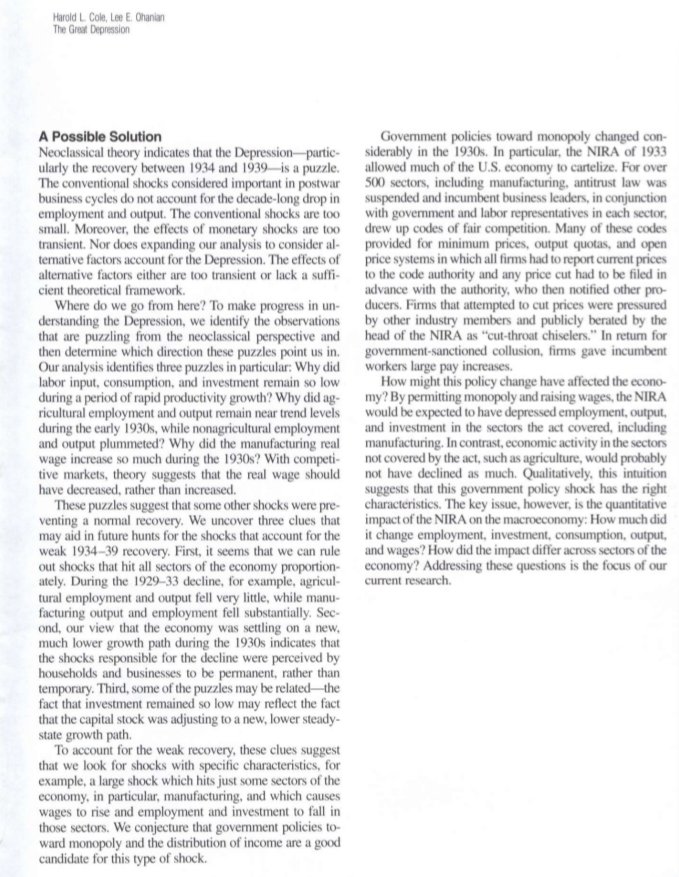
Great depression unemployment rates
30 Apr 2020 Leave a comment
in business cycles, economic growth, economic history, fiscal policy, great depression, labour economics, labour supply, macroeconomics, monetary economics, public economics, unemployment Tags: Keynesian macroeconomics
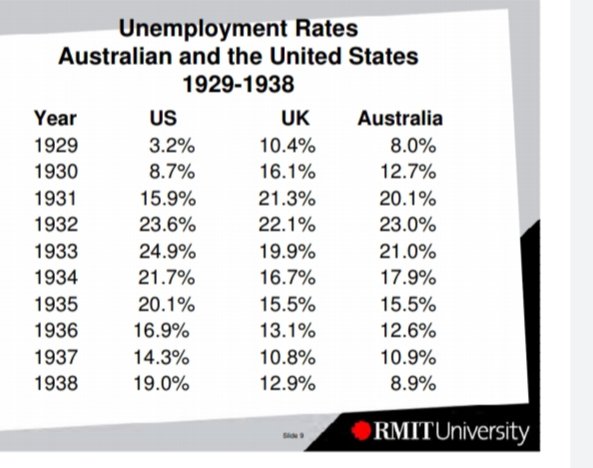
Source Sinclair Davidson
 Utopia, you are standing in it!
Recent Comments