Has AI been propping up the American economy? For instance “the Bureau of Economic Analysis’s category for investment in information processing equipment and software accounts for over 90 percent of economic growth in the first half of 2025.” The key question is what would have been done with those resources otherwise. Regardless of their specific […]
Some simple economics of AI and macro cycles
Some simple economics of AI and macro cycles
20 Oct 2025 Leave a comment
in applied price theory, business cycles, economic growth, entrepreneurship, history of economic thought, macroeconomics
My excellent Conversation with George Selgin
19 Oct 2025 Leave a comment
in applied price theory, business cycles, economic history, fiscal policy, great depression, history of economic thought, macroeconomics, monetary economics Tags: monetary policy
Here is the audio, video, and transcript. Here is part of the episode summary: Tyler and George discuss the surprising lack of fiscal and monetary stimulus in the New Deal, whether revaluing gold was really the best path to economic reflation, how much Glass-Steagall and other individual parts of the New Deal mattered, Keynes’ “very […]
My excellent Conversation with George Selgin
Taxes and Growth, Part II
15 Oct 2025 Leave a comment
in applied price theory, economic growth, fiscal policy, macroeconomics, Public Choice, public economics Tags: taxation and entrepreneurship, taxation and investment, taxation and labour supply

I wrote a column about taxes and growth in 2020. Let’s augment that analysis by digging into some details. I decided to address the issue today after seeing a tweet with this helpful summary of how different taxes cause different levels of economic damage (the Tax Foundation also has a table that ranks different taxes, […]
Taxes and Growth, Part II
A Nobel for Innovation-Driven Economic Growth: Aghion, Howitt, and Mokyr
14 Oct 2025 Leave a comment
in applied price theory, comparative institutional analysis, constitutional political economy, development economics, economic growth, economic history, history of economic thought, macroeconomics

The Sveriges Riksbank Prize in Economic Sciences in Memory of Alfred Nobel 2025 was awarded this morning for “for having explained innovation-driven economic growth.” The award was divided between Joel Mokyr ““for having identified the prerequisites for sustained growth through technological progress” to Philippe Aghion and Peter Howitt “for the theory of sustained growth through…
A Nobel for Innovation-Driven Economic Growth: Aghion, Howitt, and Mokyr
French facts of the day
14 Oct 2025 1 Comment
in applied price theory, economics of bureaucracy, economics of regulation, energy economics, environmental economics, fiscal policy, law and economics, macroeconomics, property rights, Public Choice, rentseeking, urban economics Tags: France
Macron’s government consistently spent more as a share of total output than any other OECD member, with the public sector accounting for over 57% of GDP in 2024. The telling trend is France’s divergence from its neighbors. When Macron took office, France’s debt-to-GDP ratio was 11 percentage points above the Eurozone average; by 2024, that gap […]
French facts of the day
Ninth Karl Brunner Distinguished Lecture by John H. Cochrane, 02.10.2025
14 Oct 2025 Leave a comment
in budget deficits, business cycles, economic growth, fiscal policy, history of economic thought, macroeconomics, monetarism, monetary economics
We do actually have a transformational government
09 Oct 2025 Leave a comment
in applied price theory, economic growth, economics of regulation, law and economics, macroeconomics, politics - New Zealand, property rights
Governments of the left like to claim they are transformational, when they’re not. The Ardern Government achieved so little it was the opposite. They used wellbeing as a slogan, and did a couple of disastrous mergers. They spent a lot of money. To be fair the Clark Government did actually achieve some major stuff such […]
We do actually have a transformational government
Unbeatable: The Brutally Honest Case for Free Markets | Bryan Caplan
04 Oct 2025 Leave a comment
in applied price theory, comparative institutional analysis, economic growth, economic history, income redistribution, industrial organisation, labour economics, law and economics, liberalism, libertarianism, macroeconomics, Public Choice Tags: The Great Enrichment
The terrible US fiscals
03 Oct 2025 Leave a comment
in budget deficits, fiscal policy, macroeconomics, politics - USA, Public Choice
Bryce Wilkinson writes: Imagine that your family spent twice as much as it earned last month. Around the kitchen table, the mood would be grim and the bank’s patience likely wearing thin. In August 2025, the United States federal Government spent over twice its income, US$689 billion ($1.152 trillion) versus receipts of US$344b. Even doubling […]
The terrible US fiscals
Understanding Financial Instability in Argentina
01 Oct 2025 Leave a comment
in business cycles, economic growth, fiscal policy, international economics, liberalism, libertarianism, macroeconomics, monetary economics, politics - USA Tags: Argentina

Earlier this month, shortly after some depressing results in a regional election in Argentina, I was interviewed by Patrick Young. In this clip, I express concern Argentine voters will backslide to Peronism. As one might expect, some people are concerned the Peronist victory in the Buenos Aires regional election could be a harbinger of bad […]
Understanding Financial Instability in Argentina
Monetary policy needs mates
29 Sep 2025 Leave a comment
in budget deficits, business cycles, economic growth, fiscal policy, inflation targeting, macroeconomics, monetary economics, politics - New Zealand Tags: monetary policy
The NZ Initiative has a research note out on how fiscal policy needs to work with monetary policy. They comment: This analysis does not dispute that the RBNZ’s high interest rates were the proximate cause of the downturn. However, it argues the Bank had little choice. It was confronted with the insidious threat of inflation […]
Monetary policy needs mates
Revisiting Empirical Macroeconomics with Robert Barro (Harvard Economics…
28 Sep 2025 Leave a comment
in budget deficits, business cycles, economic growth, fiscal policy, history of economic thought, macroeconomics, monetary economics
Part I: Yes, Taxes Change Behavior
26 Sep 2025 Leave a comment
in applied price theory, economic growth, entrepreneurship, fiscal policy, human capital, labour economics, labour supply, macroeconomics, Public Choice, public economics Tags: taxation and entrepreneurship, taxation and investment, taxation and labour supply
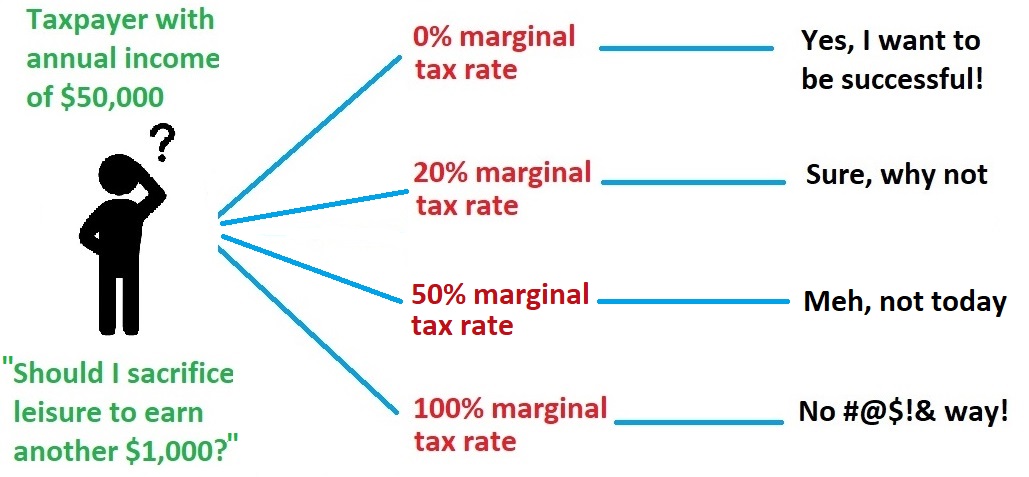
From a big-picture economic perspective, I worry most about the damage of high tax burdens on innovation, entrepreneurship, and investment. Those are things that generate enormous benefits for society, yet also things that are very sensitive to bad tax policy (specifically high marginal tax rates and the tax code’s bias against saving and investment). Sadly, […]
Part I: Yes, Taxes Change Behavior
Article for Central Banking magazine on Orr/Quigley/Willis saga, and lessons
25 Sep 2025 Leave a comment
in economics of bureaucracy, inflation targeting, macroeconomics, politics - New Zealand, Public Choice
A couple of weeks ago the editor of Central Banking magazine (something of an house journal for central bankers, and for whom I’ve done book reviews for some years) invited me to write a fairly full article for a non-NZ audience on the extraordinary events of recent months. Having been so caught up in the […]
Article for Central Banking magazine on Orr/Quigley/Willis saga, and lessons
Michael Clemens on H1-B visas
24 Sep 2025 1 Comment
in applied price theory, econometerics, economic growth, economic history, entrepreneurship, human capital, international economics, labour economics, labour supply, macroeconomics, politics - USA Tags: economics of immigration
From 1990 to 2010, rising numbers of H-1B holders caused 30–50 percent of all productivity growth in the US economy. This means that the jobs and wages of most Americans depend in some measure on these workers. The specialized workers who enter on this visa fuel high-tech, high-growth sectors of the 21st century economy with skills like computer […]
Michael Clemens on H1-B visas
 Utopia, you are standing in it!
Recent Comments