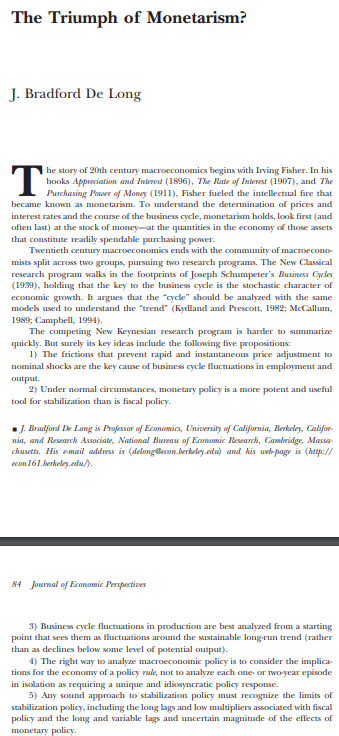
What is New Keynesian macroeconomics?
27 Feb 2020 Leave a comment
in business cycles, economic growth, fiscal policy, history of economic thought, labour economics, Milton Friedman, monetarism, monetary economics
From the Congressional Budget Office 2005
27 Feb 2020 Leave a comment
in business cycles, economic growth, health economics, macroeconomics

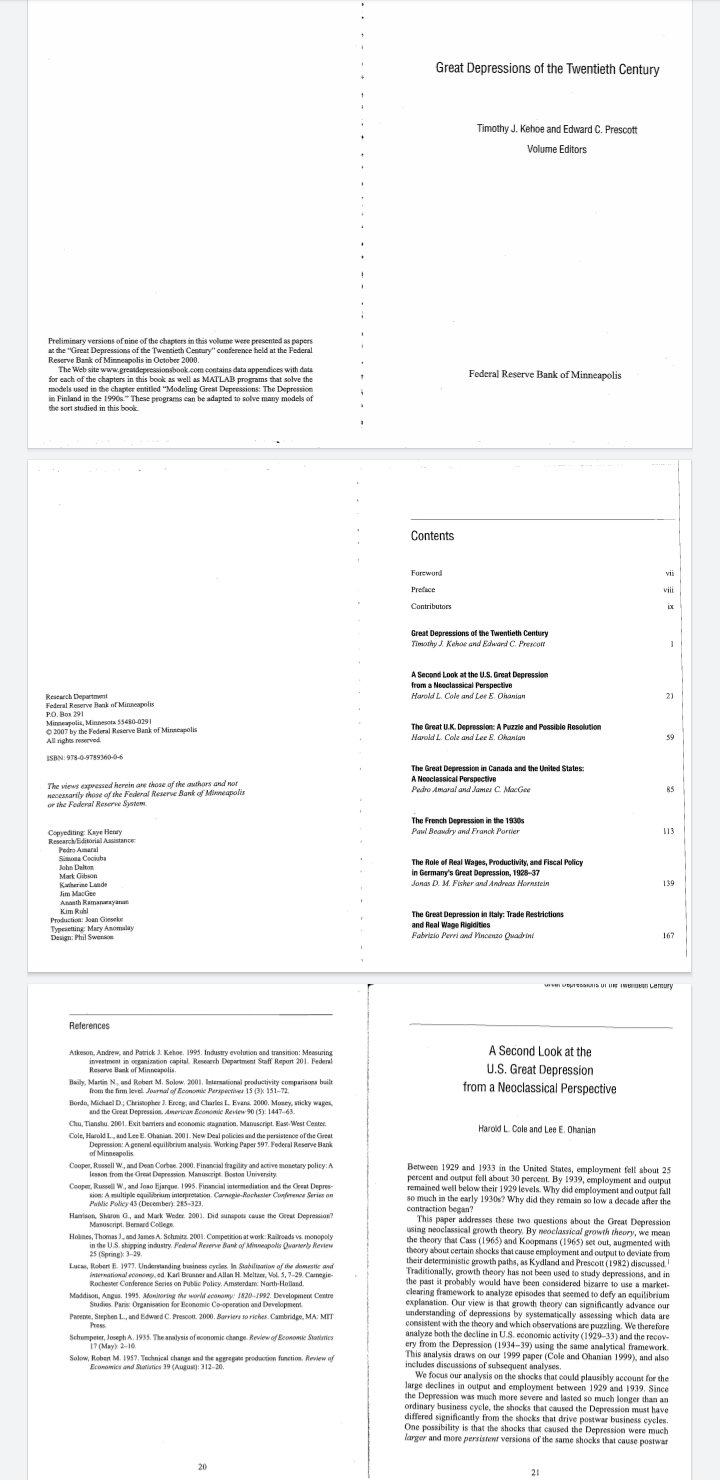
Does neoclassical macroeconomics rule out depressions?
27 Feb 2020 Leave a comment
in business cycles, econometerics, economic history, Edward Prescott, global financial crisis (GFC), great depression, great recession, history of economic thought, job search and matching, labour economics, labour supply, macroeconomics, monetary economics, politics - USA, public economics, Robert E. Lucas, unemployment, unions Tags: Keynesian macroeconomics, new classical macroeconomics, New Keynesian macroeconomics, real business cycle theory
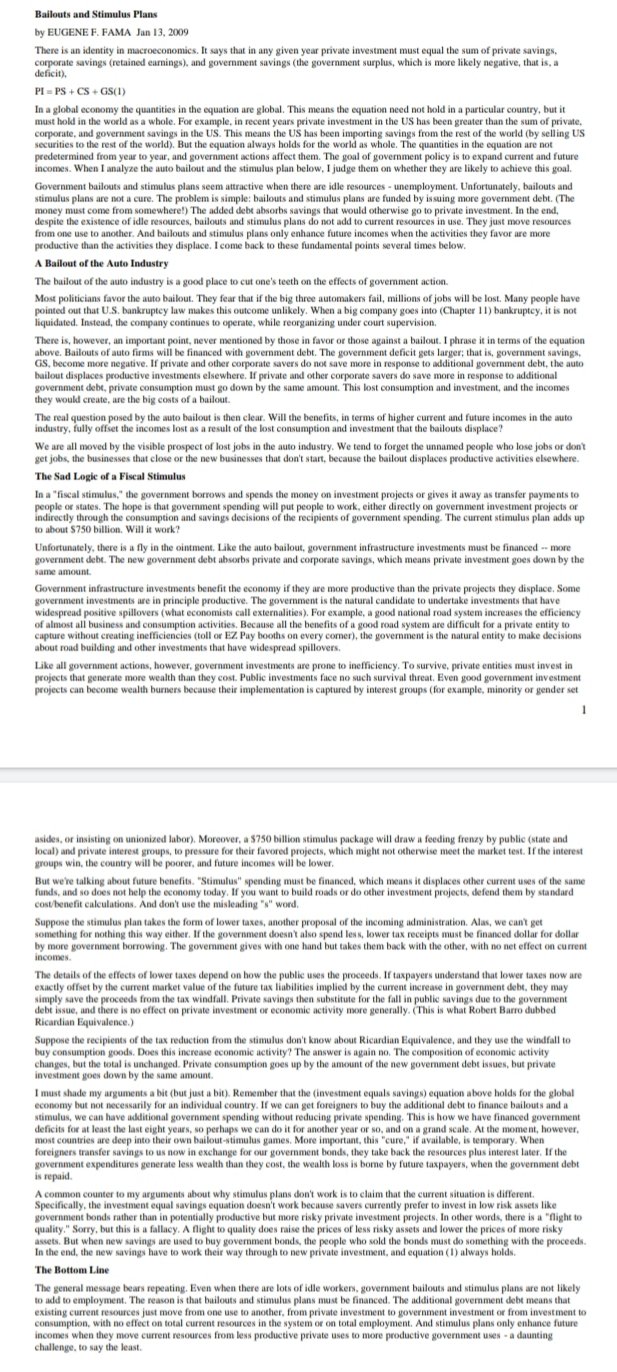
Fama in full on fiscal policy
27 Feb 2020 Leave a comment
Why buy negative yielding bonds? | @FT
26 Feb 2020 Leave a comment
in financial economics, macroeconomics, monetarism Tags: monetary policy
Cycles without shocks
26 Feb 2020 Leave a comment
in business cycles, macroeconomics, monetary economics

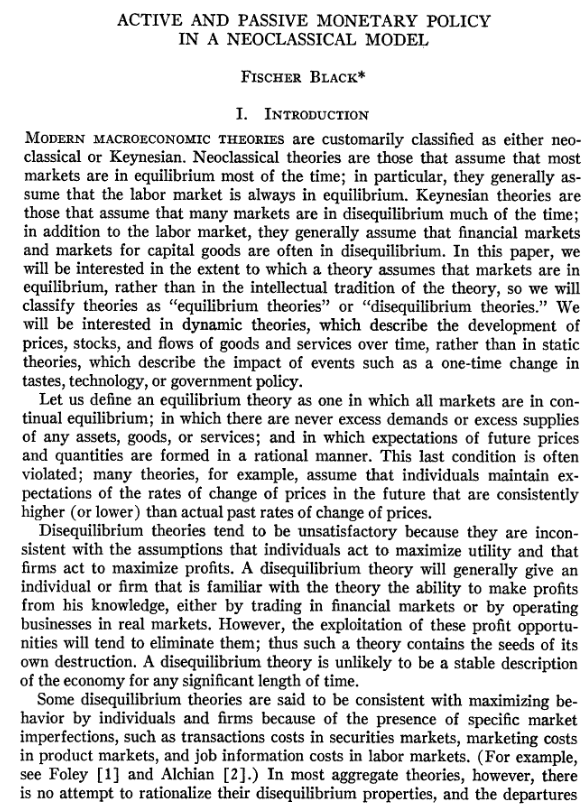
A methodological trip-wire for macroeconomic theories
26 Feb 2020 Leave a comment
in applied price theory, business cycles, history of economic thought, macroeconomics, monetary economics
Small bills are a big problem as I remember from handling dirty, disgusting Philippine pesos that were never taken out of circulation. Yuk
26 Feb 2020 Leave a comment
in development economics, history of economic thought, monetary economics
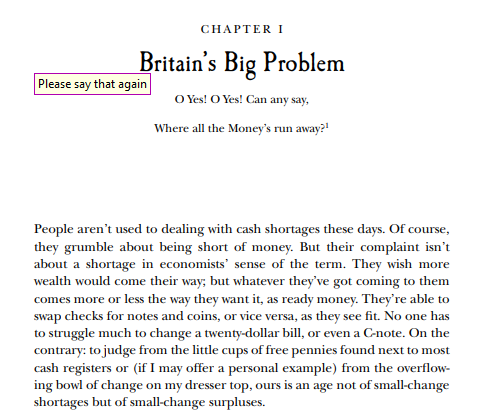
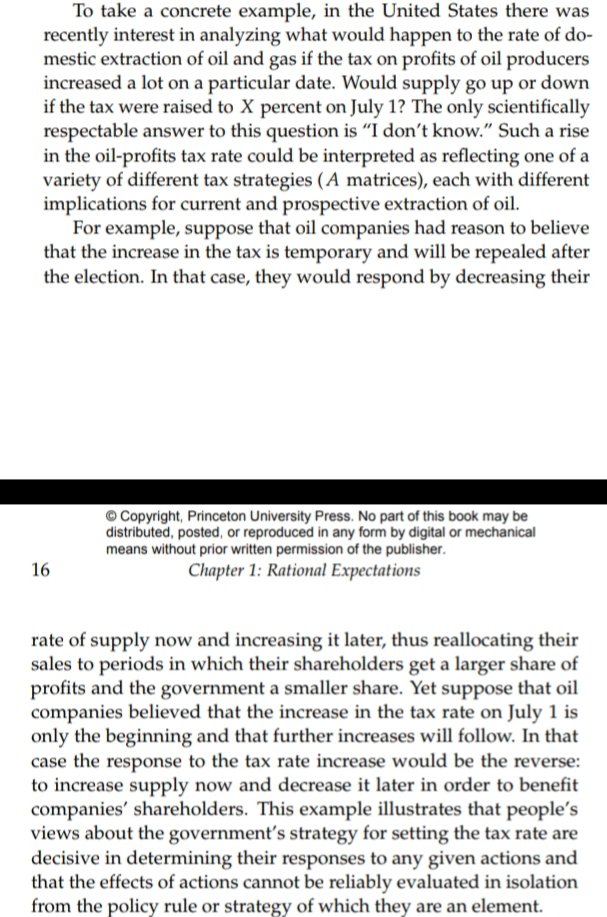
From https://www.press.umich.edu/pdf/9780472116317-ch1.pdf
The shortage of small bills in the Philippines became critical around election time because there is such a need for bribe money for voters. 300 pesos each was usually delivered to every door.
Speaking of fiscal fallacies
25 Feb 2020 Leave a comment
in business cycles, econometerics, economic history, fiscal policy, macroeconomics

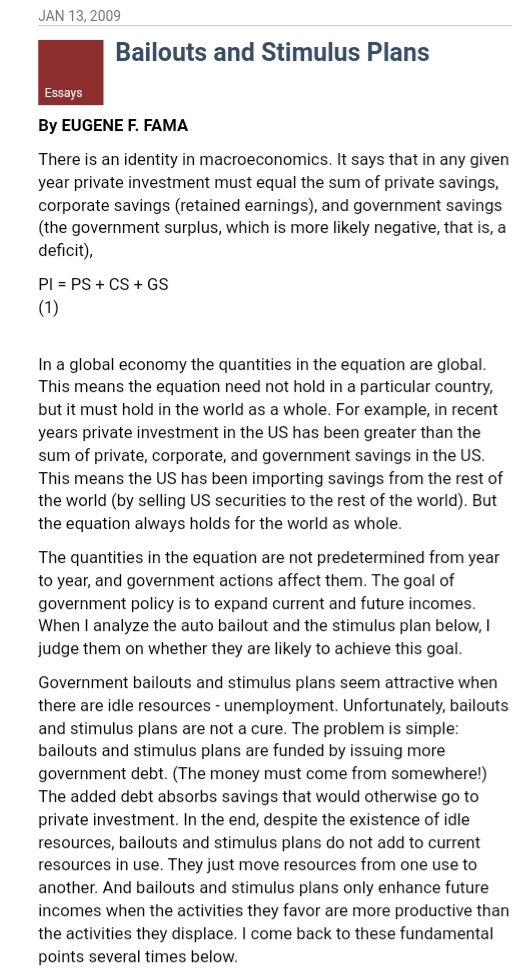
Fama on a fiscal stimulus
25 Feb 2020 1 Comment
in applied price theory, budget deficits, business cycles, economic growth, financial economics, fiscal policy, global financial crisis (GFC), great recession, labour economics, labour supply, macroeconomics, monetary economics, politics - USA, Public Choice, public economics Tags: fiscal policy
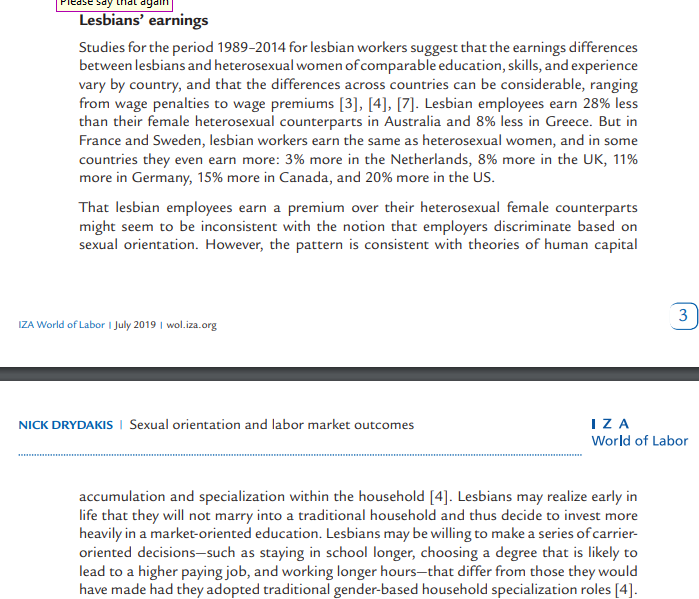
Why is the lesbian pay gap so positively large in the USA?
24 Feb 2020 Leave a comment
in discrimination, economics of education, gender, human capital, job search and matching, labour economics, labour supply, occupational choice


The Myth of the Rational Voter: Why Democracies Choose Bad Policies – Annual Casey-McIlvane Lecture
24 Feb 2020 1 Comment
in comparative institutional analysis, constitutional political economy, economics of bureaucracy, economics of education, economics of information, economics of regulation, environmental economics, financial economics, industrial organisation, international economics, James Buchanan, labour economics, law and economics, macroeconomics, Marxist economics, politics - USA, Public Choice, public economics, rentseeking Tags: rational ignorance, rational irrationality


Recent Comments