The tweet above includes this graph: The original tweet has lots of reasoning as to why this is. TLDR is social media. The post The youth gender gap is because young women have moved left first appeared on Kiwiblog.
The youth gender gap is because young women have moved left
The youth gender gap is because young women have moved left
06 Mar 2026 Leave a comment
in politics - New Zealand, politics - USA, Public Choice Tags: regressive left, voter demographics
The Evaluative Emptiness of the Economic Approach to Law
04 Mar 2026 Leave a comment
in applied price theory, applied welfare economics, comparative institutional analysis, history of economic thought, law and economics, Public Choice

Law & economics traces its intellectual roots to the University of Chicago. That lineage still shapes how the field is understood. Chicago price theory—especially Gary Becker’s (1976) systematic application of maximization, equilibrium, and stable preferences across social life, and George Stigler’s (1992, p. 459) suggestion that “every durable social institution or practice is efficient, or…
The Evaluative Emptiness of the Economic Approach to Law
Will Denmark and/or the Netherlands Copy Norway’s Failed Wealth Tax?
02 Mar 2026 1 Comment
in fiscal policy, human capital, income redistribution, labour economics, labour supply, macroeconomics, poverty and inequality, Public Choice, public economics Tags: Denmark, taxation and entrepreneurship

Class-warfare tax policy is always a bad idea. Economists generally don’t like class-warfare policies because it is foolish to impose high marginal tax rates on productive behaviors such as investment and entrepreneurship. Politicians should not like class-warfare policies because of the negative impact on jobs and wages for ordinary people as well as the potential negative […]
Will Denmark and/or the Netherlands Copy Norway’s Failed Wealth Tax?
Bet On It Book Club: For a New Liberty, Chapter 4
02 Mar 2026 Leave a comment
in applied price theory, Austrian economics, comparative institutional analysis, economics of bureaucracy, industrial organisation, law and economics, liberalism, Murray Rothbard, privatisation, Public Choice
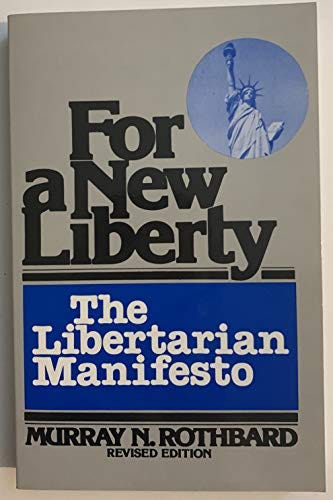
Update: I’m doing a Substack Live today on You Have No Right to Your Culture with the Boyd Institute’s Peter Banks. 4 PM ET.SummaryThis is the shortest chapter of the book, just six pages long. Rothbard makes a laundry list of what he calls “the major problem areas of our society” and argues that government…
Bet On It Book Club: For a New Liberty, Chapter 4
‘Disaster’! Climate groups slam Germany for scrapping renewable heating law
27 Feb 2026 Leave a comment
in economics of bureaucracy, economics of climate change, economics of regulation, energy economics, environmental economics, environmentalism, global warming, Public Choice, urban economics Tags: Germany

“Habeck’s heating hammer” set to bite the dust. Maybe net zero zealotry is not the complete answer to modern energy supply after all, despite what its supporters keep claiming. – – – A revision of an existing law will now allow homeowners to use oil and gas as heating fuel instead, says Euronews. Germany’s government […]
‘Disaster’! Climate groups slam Germany for scrapping renewable heating law
Is There a Political Downside to Tax Migration?
24 Feb 2026 Leave a comment
in applied price theory, economic growth, economic history, fiscal policy, labour economics, labour supply, macroeconomics, politics - USA, Public Choice, public economics Tags: taxation and entrepreneurship, taxation and investment, taxation and labour supply

I’m a big fan of tax migration. I cheer when productive people escape high-tax states or high-tax nations. And when the geese with the golden eggs fly away, it thwarts the plans of greedy politicians. The latest example of this is the exodus of billionaires – worried about a wealth tax – from California (the […]
Is There a Political Downside to Tax Migration?
Lawfare Begins Against Repealing Endangerment Finding–Legalities Outlook
24 Feb 2026 Leave a comment
in economics of climate change, economics of regulation, energy economics, environmental economics, environmentalism, global warming, law and economics, politics - USA, Public Choice, transport economics, urban economics Tags: constitutional law

The expected blowback from invested climatists is underway, as reported by legacy media whose bias is with the alarmists. Examples: EPA faces lawsuit over scrapping the ‘endangerment finding,’ a pillar of climate regulation, Scientific American E.P.A. Faces First Lawsuit Over Its Killing of Major Climate Rule, NY Times Lawsuit: EPA revoking greenhouse gas finding risks […]
Lawfare Begins Against Repealing Endangerment Finding–Legalities Outlook
Clearing up some misconceptions about the DoE report
22 Feb 2026 1 Comment
in economics of bureaucracy, economics of climate change, economics of regulation, energy economics, environmental economics, environmentalism, global warming, politics - USA, Public Choice
by Ross McKitrick Last year I had the privilege of working with a small team (me, Judy Curry, John Christy, Steve Koonin and Roy Spencer) on a draft report for U.S. Energy Secretary Chris Wright on the topic of climate … Continue reading → The post Clearing up some misconceptions about the DoE report appeared…
Clearing up some misconceptions about the DoE report
Sewage, scrutiny, and the politics of accountability
21 Feb 2026 Leave a comment
in economics of bureaucracy, environmental economics, environmentalism, politics - New Zealand, Public Choice, urban economics Tags: water pollution
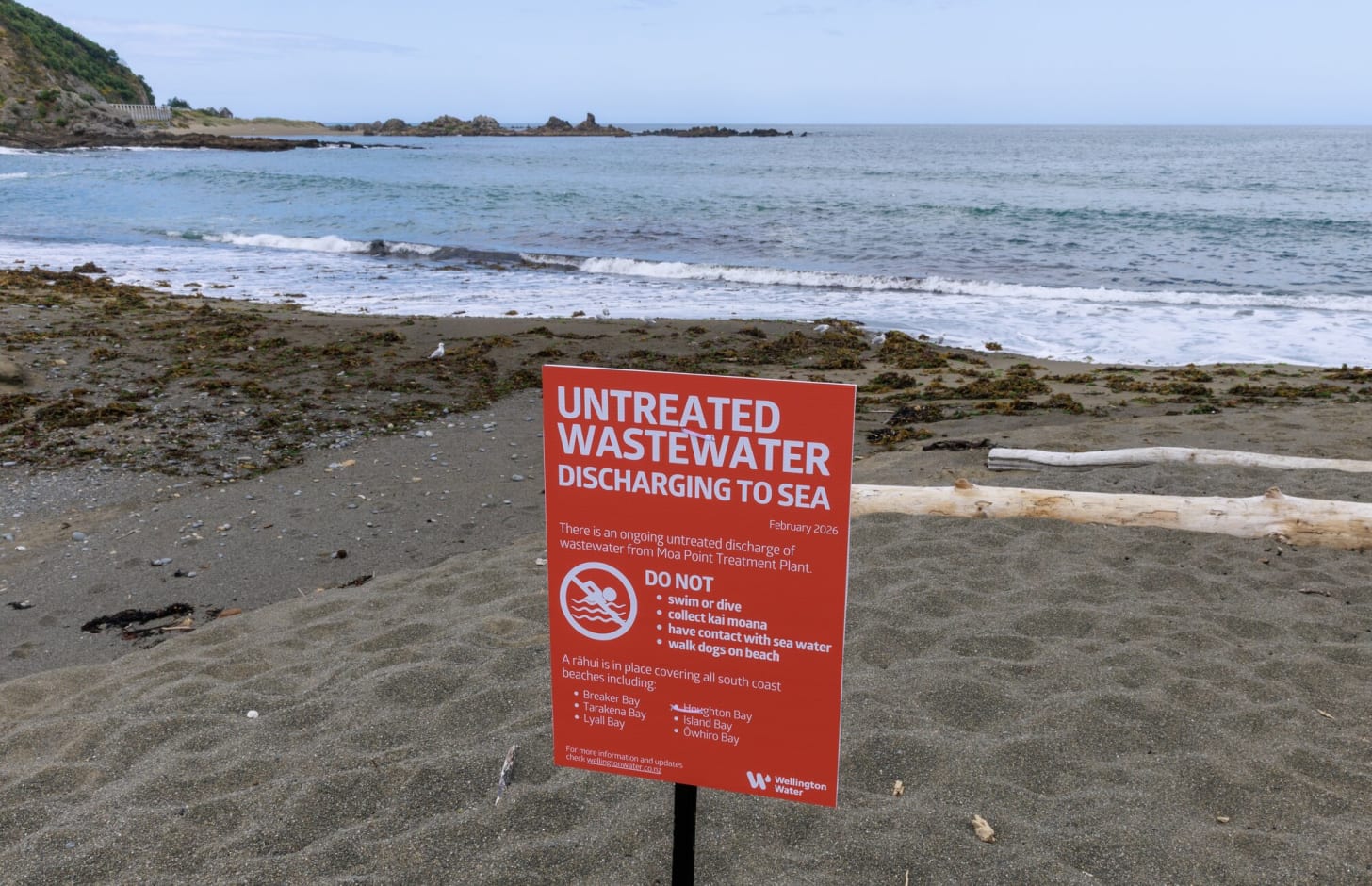
Is it racist to be angry at elected representatives? Moa Point as a case study… When a city pumps tens of millions of litres of raw sewage into the sea day after day, the public is entitled to anger. There is human waste in the sea and on the shore, beaches are closed in peak […]
Sewage, scrutiny, and the politics of accountability
Damned if they do, damned if they don’t: The billion-dollar bill for Labour’s gas ban
20 Feb 2026 Leave a comment
in applied price theory, economics of bureaucracy, economics of climate change, economics of regulation, energy economics, environmental economics, environmentalism, global warming, politics - New Zealand, Public Choice
Few policies manage to unite the left, the right and the Taxpayers’ Union in opposition. The Government’s billion-dollar LNG import terminal in Taranaki managed it inside 24 hours. By Tuesday morning, it had been attacked from the left as a gas tax, from the right as a new levy on households, and from the commentariat […]
Damned if they do, damned if they don’t: The billion-dollar bill for Labour’s gas ban
Even auto giants know it: the electric car boom is out of charge
19 Feb 2026 Leave a comment
in economics of bureaucracy, economics of climate change, energy economics, environmental economics, environmentalism, global warming, income redistribution, Public Choice, rentseeking, transport economics Tags: electric cars

By Paul Homewood h/t Ian Magness From the Telegraph: “I think the customer has spoken. That’s the punchline,” said Jim Farley, the chief executive of Ford. The American boss was speaking last week as his company unveiled a $5bn (£3.7bn) annual loss, barely two months after it had booked a shock $19.5bn write-down. The […]
Even auto giants know it: the electric car boom is out of charge
Eat the Rich: California Democrats Trigger a Reverse Gold Rush with a Wealth Tax
16 Feb 2026 Leave a comment
in entrepreneurship, fiscal policy, human capital, income redistribution, labour economics, labour supply, macroeconomics, Marxist economics, politics - USA, Public Choice, public economics Tags: California, regressive left, rule of law, taxation and entrepreneurship, taxation and investment, wealth tax

Below is my column in the California Post and New York Post on the exodus of wealthy taxpayers from the state as Democrats seek to trap them with a retroactive wealth tax. They are engineering a type of reverse Gold Rush as up to a trillion dollars leave the state with a line of U-Hauls […]
Eat the Rich: California Democrats Trigger a Reverse Gold Rush with a Wealth Tax
Why Rescinding the Endangerment Finding May Survive Lawfare
15 Feb 2026 1 Comment
in economics of bureaucracy, economics of climate change, economics of regulation, energy economics, environmental economics, environmentalism, global warming, law and economics, politics - USA, property rights, Public Choice Tags: constitutional law

Some thoughts from my browser AI. My Question: What are the legal matters, such as major questions requiring congressional action, that favor ending EPA CO2 Endangerment Finding? Search Assistant Reply: The legal matters surrounding the repeal of the EPA’s CO2 Endangerment Finding involve the major questions doctrine, which suggests that significant regulatory authority should not […]
Why Rescinding the Endangerment Finding May Survive Lawfare
The Rise and Fall (and Rise) of Sweden, Part III
10 Feb 2026 Leave a comment
in applied price theory, comparative institutional analysis, constitutional political economy, economic growth, economic history, economics of regulation, fiscal policy, income redistribution, industrial organisation, labour economics, labour supply, macroeconomics, Public Choice, public economics Tags: Sweden

Based on a video from the Center for Freedom and Prosperity back in 2010, as well a video from Johan Norberg I shared in 2016, there’s a lot to learn by looking at Swedish economic history. Here’s a more recent video that also looks at that nation’s economic track record. You’ll notice a similar message […]
The Rise and Fall (and Rise) of Sweden, Part III
The anatomy of usurpation: Climate Clinic Aotearoa v Minister of Energy and Resources
10 Feb 2026 Leave a comment
in economics of bureaucracy, economics of climate change, economics of regulation, energy economics, environmental economics, environmentalism, global warming, law and economics, politics - New Zealand, property rights, Public Choice Tags: constitutional law
Imagine Parliament passes a Schools Act “to promote the establishment of schools for the benefit of New Zealand.” Parliament is careful. It specifies exactly what the Minister must consider before approving a new school: the operator’s financial capability, site safety, compliance history, and consultation with local iwi. There is no general discretion. There are no […]
The anatomy of usurpation: Climate Clinic Aotearoa v Minister of Energy and Resources


Recent Comments